FAA Launches BEYOND Program Phase 2 to Expand Drone Integration, Adding Up to Eight New Participants
Why It MattersThe shift from case-by-case drone approvals toward performance-based standards signals that regulators increasingly rely on accumulated operational data, rather than individual waivers, to scale beyond-visual-line-of-sight operations nationally.
What happened
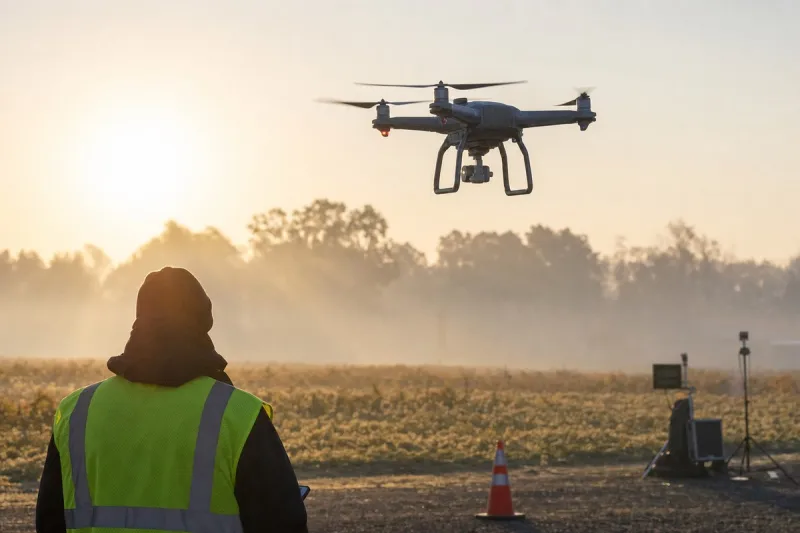
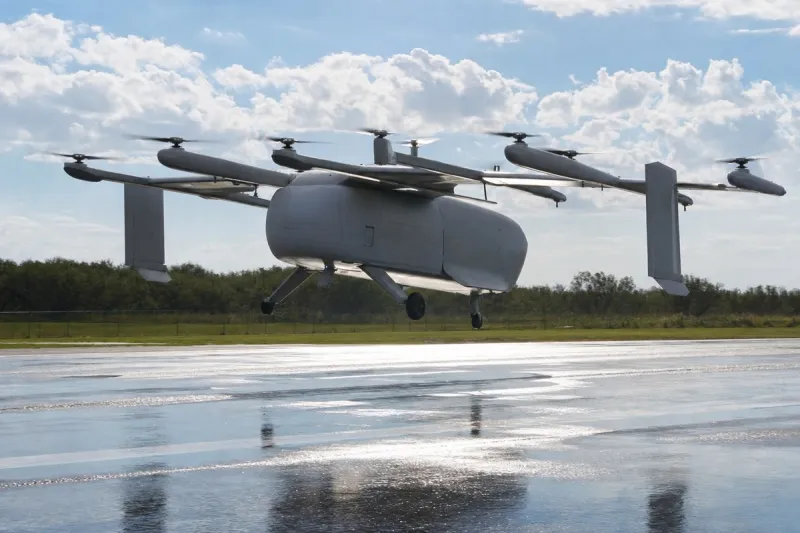
U.S. Transportation Secretary Sean P. Duffy announced that the Federal Aviation Administration is launching Phase 2 of its BEYOND program to further integrate drones into the national airspace system. The agency will select up to eight additional state, local, tribal, and territorial entities as lead participants, doubling the program's current size.
Secretary Duffy said, "America leads the world in aviation, and this expansion will help keep it that way," adding that "this Department is cutting through barriers, advancing innovation and making sure the next generation of aviation technology is developed, tested and built right here in the United States." FAA Administrator Bryan Bedford said Phase 2 will expand partnerships and operations needed to address remaining challenges in beyond visual line of sight operations, public safety missions, on-airport operations, and other complex airspace environments, with the goal of building a regulatory framework that is safe, scalable, and grounded in real-world data.
Phase 2 is authorized under Section 920 of the FAA Reauthorization Act of 2024. It builds on two earlier programs from the first Trump administration: the Unmanned Aircraft Systems Integration Pilot Program, launched in 2017, and BEYOND Phase 1, which began in October 2020. During Phase 1, participants logged more than 70,000 flights, including more than 48,000 BVLOS operations, generating data that informed the FAA's forthcoming BVLOS rule and helped shift drone regulation away from case-by-case approvals toward clear, performance-based standards. Screening information and application details are available on the FAA website.
Industry impact & what to watch
This expansion fits a broader federal pattern of using multi-year pilot programs to build the operational evidence base that eventually becomes formal rulemaking, rather than writing rules first and testing them later. BEYOND Phase 1's flight volume gave the FAA enough real-world data on beyond-visual-line-of-sight operations to move toward performance-based standards, and Phase 2 is structured to extend that same data pipeline across a larger and more varied set of local government partners.
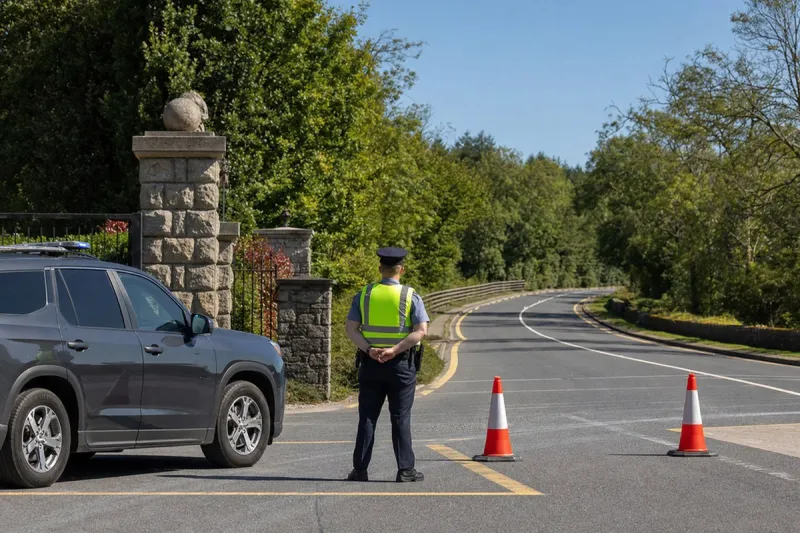
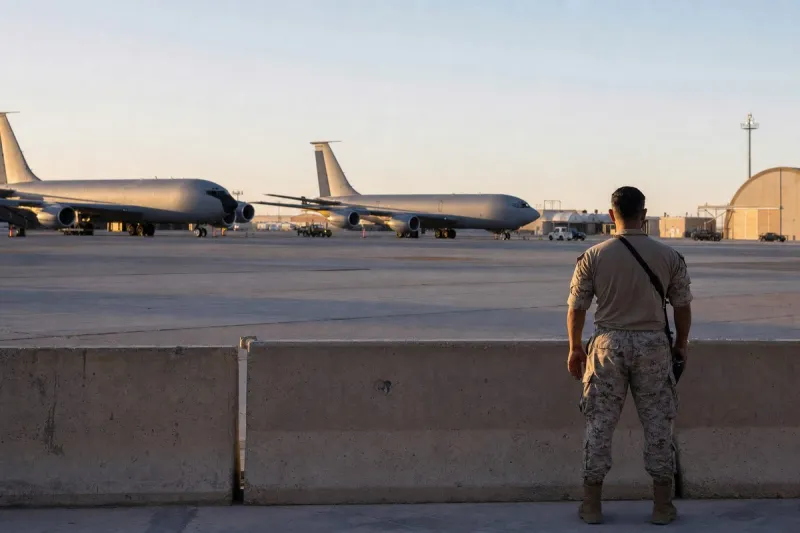
How this segment operates depends heavily on which entities are chosen as lead participants: public safety agencies, airport operators, and tribal or territorial governments each bring different operational environments, and the on-airport and complex-airspace scenarios Bedford flagged suggest the FAA wants harder test cases than Phase 1 covered. That breadth matters because performance-based standards only generalize if the data underlying them spans varied conditions rather than a narrow set of favorable ones.
The near-term marker to watch is the FAA's forthcoming BVLOS rule itself, since Phase 1 data was explicitly cited as an input to it, and how Phase 2 selections and their operational scope evolve will indicate whether the agency is still gathering evidence or beginning to lock in the standards that rule will contain.