EHang EH216-S Completes First Public Flight in Hong Kong Under Regulatory Sandbox Program
Why It MattersUrban air mobility deployment is increasingly gated by regulatory validation programs rather than aircraft certification alone, with sandbox data collection now shaping when frameworks for unconventional aircraft actually take effect.
What happened
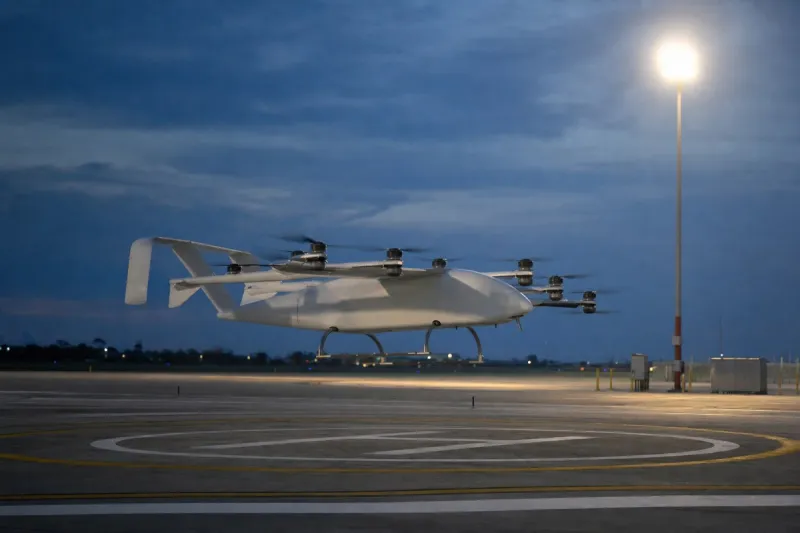
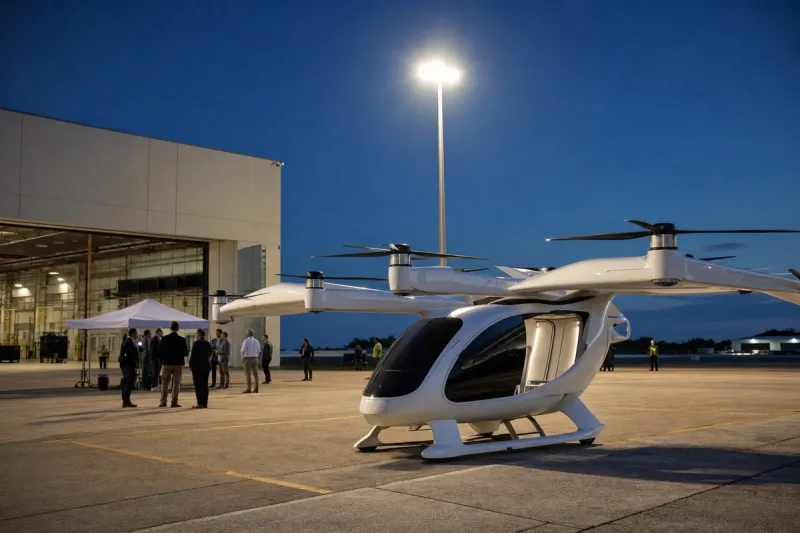
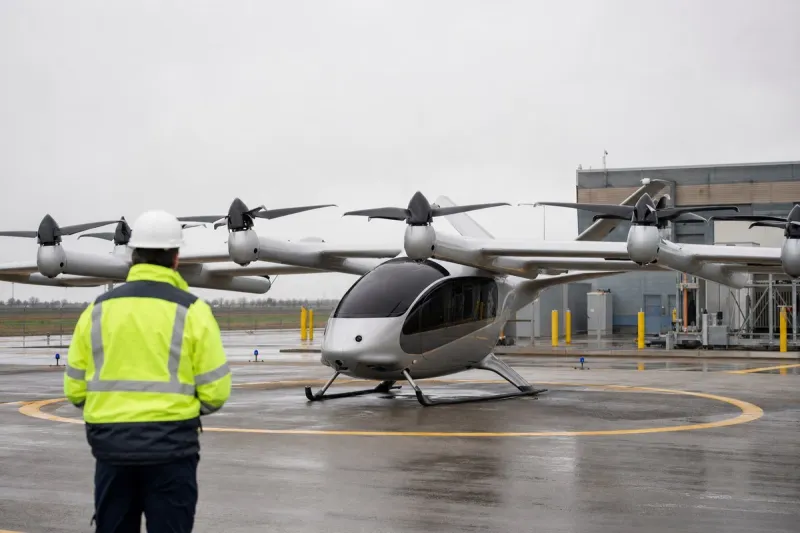
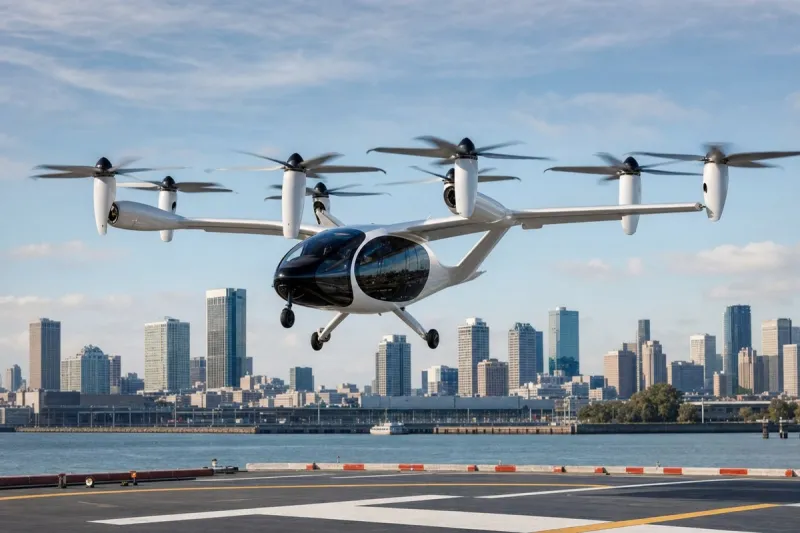
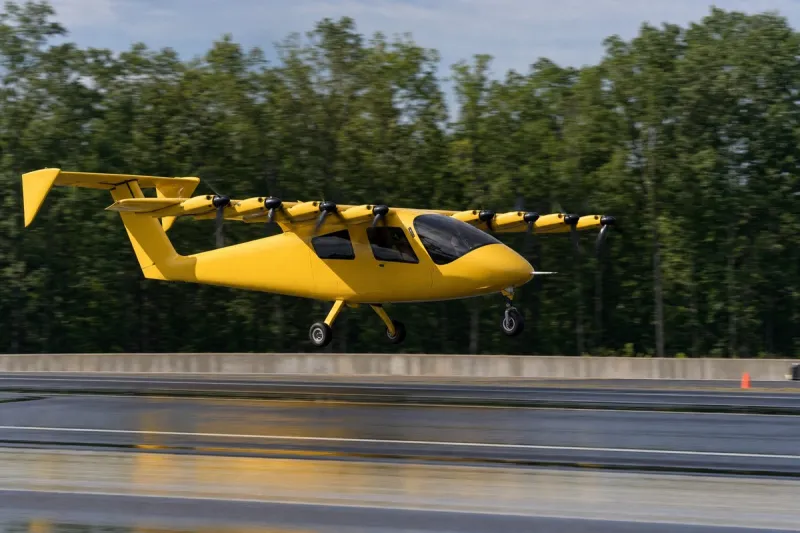
EHang's EH216-S autonomous aerial vehicle completed its first public flight in Hong Kong, lifting off from a waterfront vertiport at Cyberport as part of the government's Regulatory Sandbox X project. The aircraft followed pre-programmed routes, performing vertical takeoff and landing, low-altitude cruise, and hover maneuvers over the waterfront site.
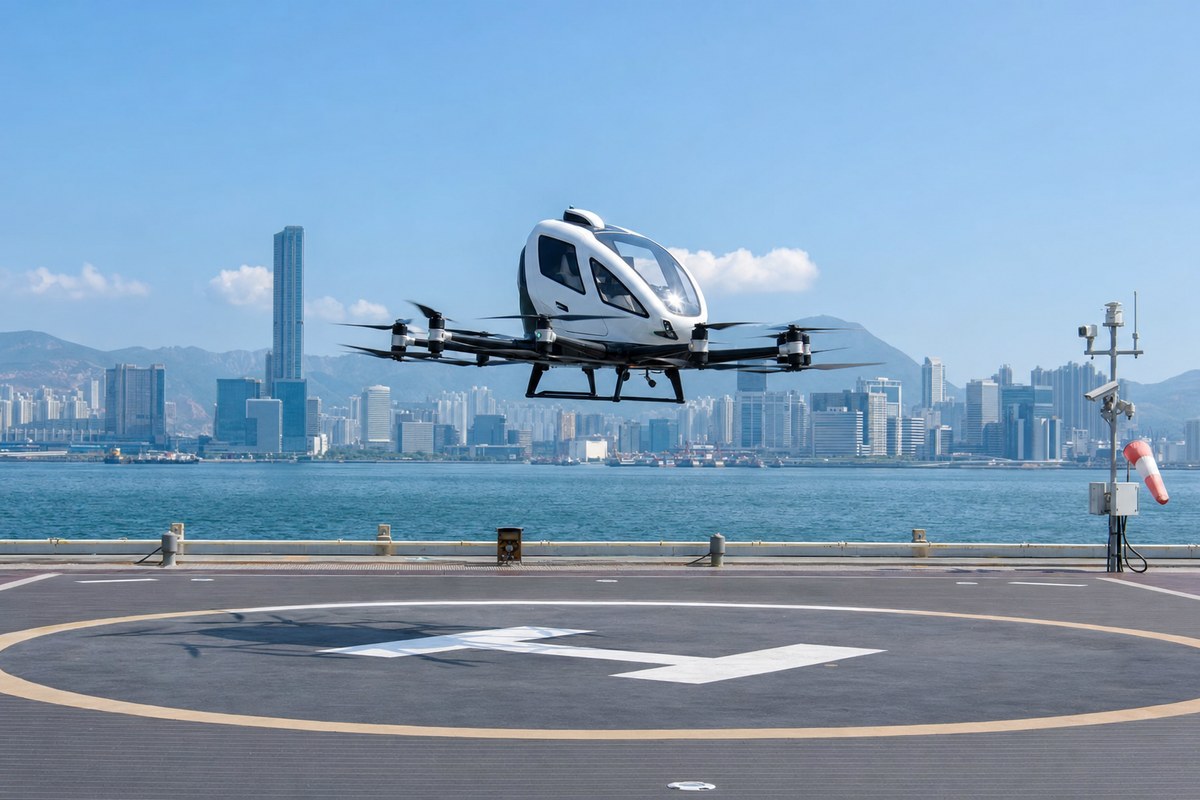
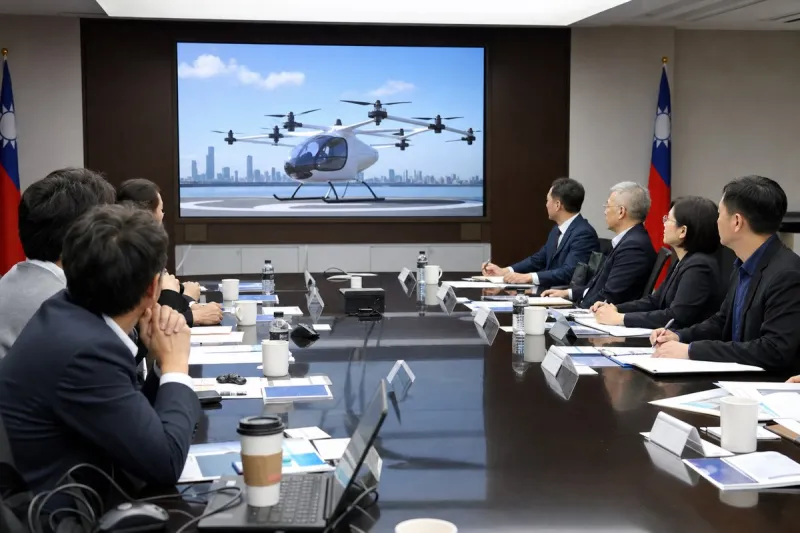
The demonstration is part of a validation campaign that began in mid-August, with additional public flight sessions scheduled through August 30 to collect operational data under higher-frequency conditions. Hong Kong officials are using the project to examine more complex low-altitude urban air mobility applications as they work toward a dedicated regulatory framework for unconventional aircraft. Deputy Financial Secretary Michael Wong said the government is targeting completion of legislative drafting in 2027, acknowledging that the pace of technological development is outpacing the regulatory structures needed to support widespread operations.
EHang noted that the EH216-S has already received China's Type Certificate, Production Certificate, and Standard Airworthiness Certificate.
Industry impact & what to watch
This case illustrates a broader pattern in urban air mobility: aircraft that already hold home-market certification still need a second layer of validation — real-world flight data gathered under a sandbox or trial framework — before a new jurisdiction will consider granting operating rights. Hong Kong's approach, running staged public flights through August 30 to gather data under higher-frequency conditions, shows regulators treating airworthiness certificates as necessary but not sufficient for approving routine low-altitude operations over populated areas.
For EHang, Hong Kong functions as a market entry point separate from its Chinese certifications, testing whether a Type Certificate earned in one jurisdiction can translate into operational trust elsewhere. The next marker is 2027, the year Michael Wong cited for completing legislative drafting; how the sandbox data collected through this month feeds into that drafting process will determine whether Hong Kong moves toward a workable framework on that timeline or slips against it.