USAF C-17 Grounded 17 Months After Storm Damage Repaired Using Robotic Sheet-Forming Technology
Why It MattersThe repair demonstrates how robotic incremental sheet forming can address legacy-aircraft parts shortages once dedicated production lines and boneyard stock are gone.
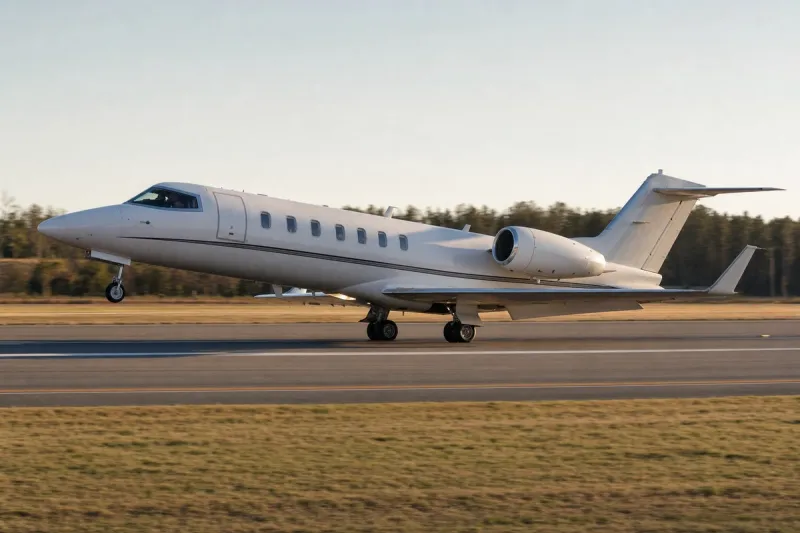
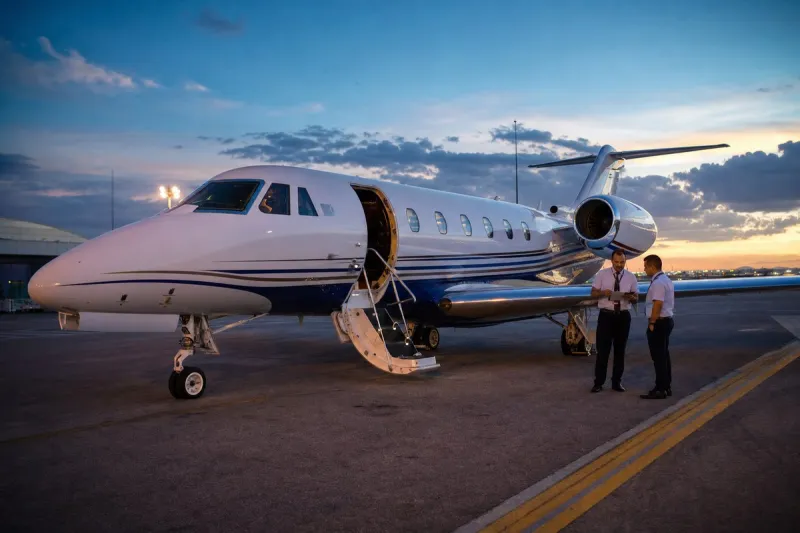
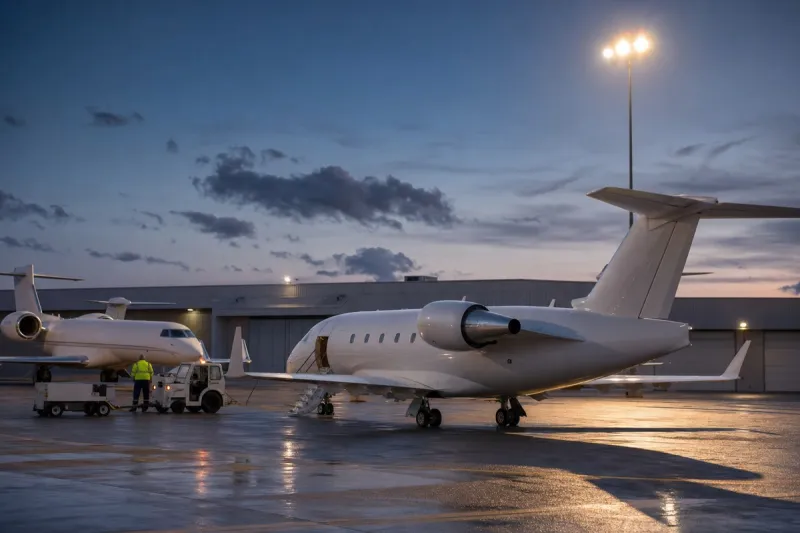
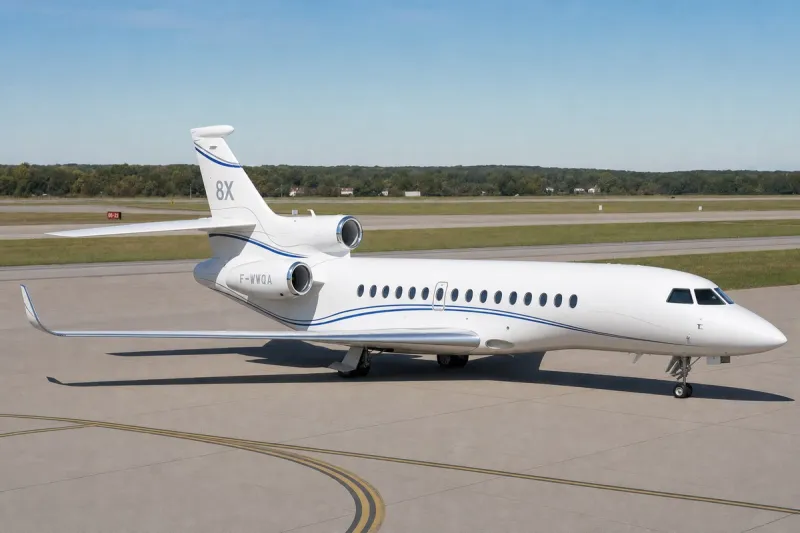
A United States Air Force C-17 Globemaster III, tail number 01-0194, was grounded for 17 months after a severe storm in the Dallas/Fort Worth area, including a tornado near Irving, Texas with gusts up to 110 mph, pushed two Bombardier Challenger business jets into the parked airlifter. The collision damaged a door on the aircraft's left side, fuselage panels, and the nose section. The jet, assigned to the 89th Airlift Squadron at Wright-Patterson Air Force Base, was patched by the 445th Maintenance Group to fly home, but the left nose panel could not be repaired conventionally, since Boeing shuttered the C-17 production line in Long Beach in 2015 and few C-17s sit in the Davis-Monthan AFB boneyard for parts. The grounded aircraft represented 10% of the 89th's flyable airframes.
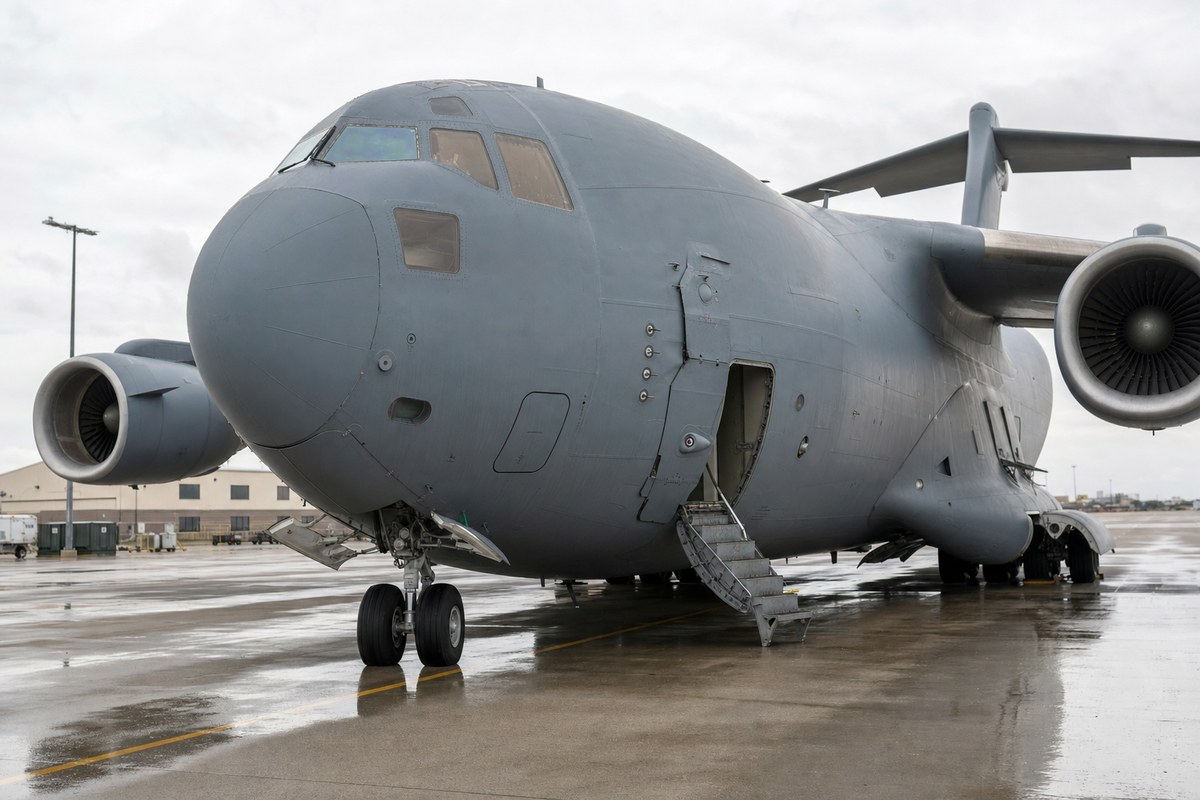
The Air Force Life Cycle Management Center's Rapid Sustainment Office and the University of Dayton Research Institute solved the problem using robotic incremental sheet forming, in which a robotic arm progressively shapes flat sheet metal along CAD-defined tracks into the aircraft's curved nose contours, guided by digital scans and 3D modeling. The aircraft returned to service on July 30. The RSO said the technique now lets the Air Force manufacture low-volume or unique parts without a dedicated vendor production line, and officials expect it to be applied to parts for the Boeing KC-135 Stratotanker and the F-15 Eagle, which face similar supply constraints.