Finland Commissions Study on Electric Aircraft Link Between Helsinki and Tallinn
Why It MattersThe study positions short, high-demand coastal corridors in Northern Europe as early testbeds for commercial electric aviation, potentially shaping infrastructure and regulatory models for similar routes region-wide.
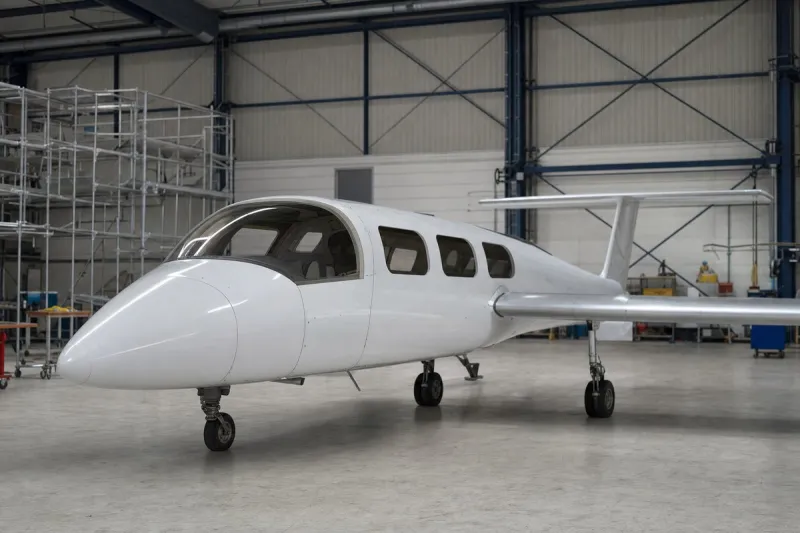
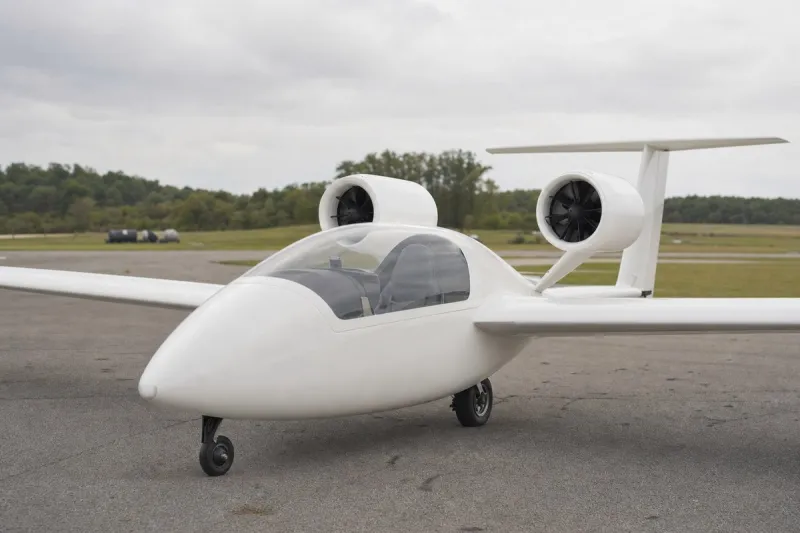
Finland has commissioned a new study into the feasibility of battery-powered electric aircraft on the Helsinki–Tallinn route, a corridor of roughly 90 to 100 kilometres across the Gulf of Finland that ranks among Northern Europe's busiest short-haul links. The study will assess whether small electric aircraft could offer a faster, lower-emission alternative to existing ferry and conventional flight services, noting that such aircraft can complete the crossing in under 30 minutes versus an approximately three-hour ferry journey.
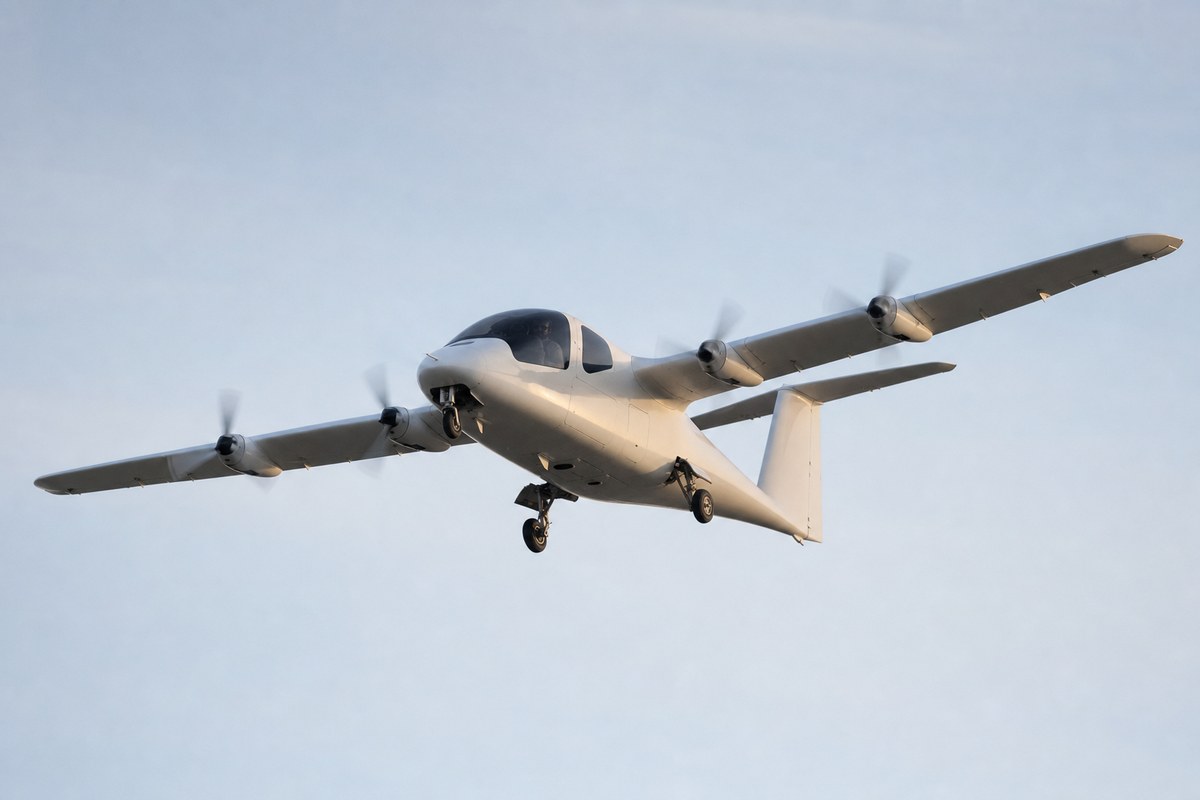
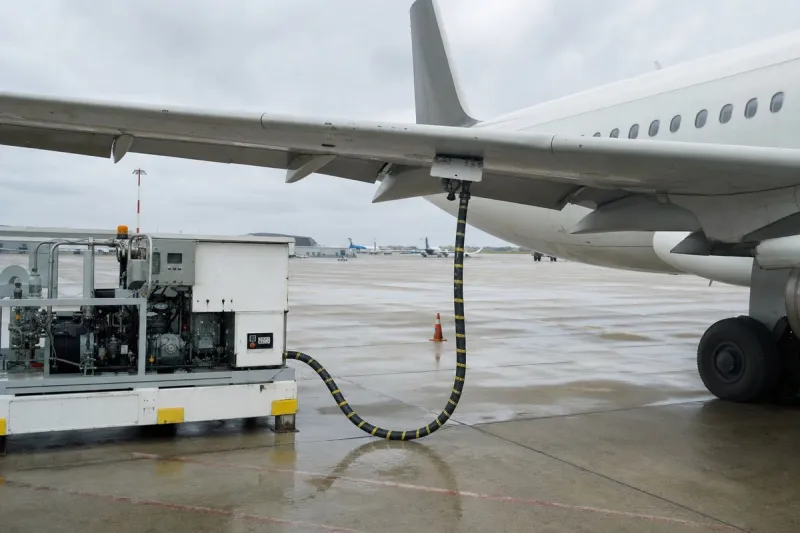
Nordic and European Union innovation programme research identifies the route as a strong candidate for early electric aviation operations, citing its short distance, high passenger demand, and established airport infrastructure on both sides of the gulf. Finland's transport planners are evaluating whether high-frequency electric shuttles could deliver door-to-door travel times competitive with ferries for commuters and business travellers. The study is expected to cover aircraft performance requirements, charging and battery-swapping infrastructure, airspace and regulatory coordination, and integration with existing ferry and rail timetables, with coordinated planning involving Tallinn Airport and potential urban vertiport sites flagged as critical.
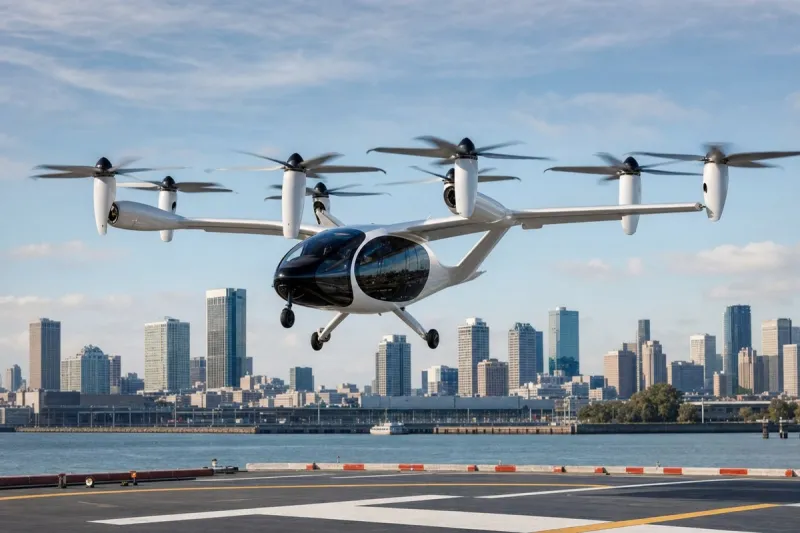
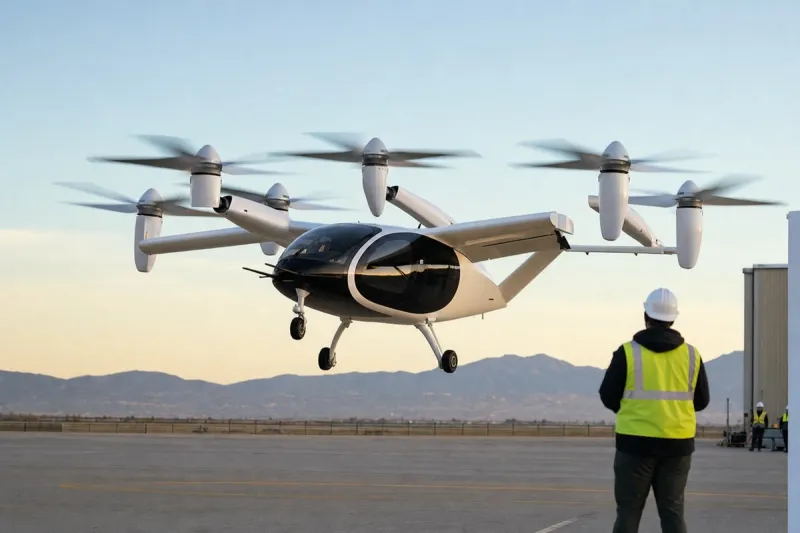
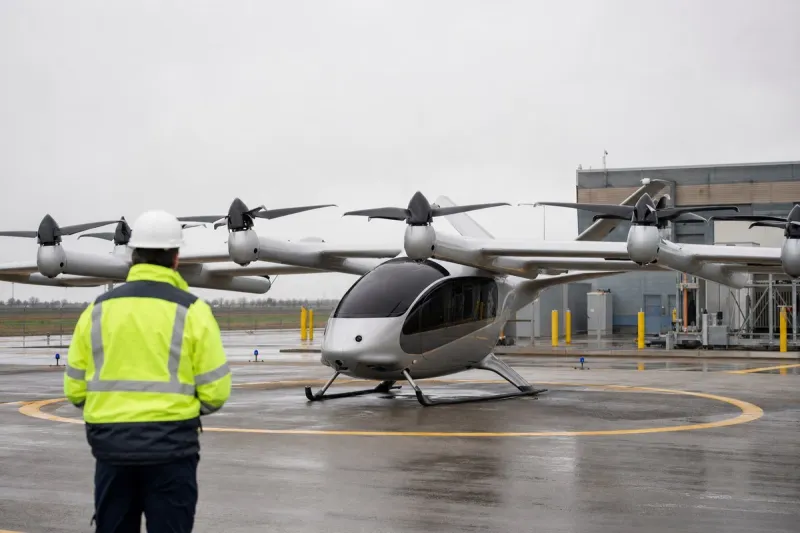
Cross-border airspace cooperation between Fintraffic ANS and Estonian Air Navigation Services has already established harmonised procedures, giving the project a regulatory foundation, though integrating electric aircraft and potential vertical take-off and landing concepts into lower-altitude operations over the gulf would require additional regulatory work mapped against existing European Union aviation frameworks. Published European programme analyses indicate commercial short-haul electric flights could begin in the late 2020s, and the Finnish study is intended to determine the form a demonstration project on the corridor should take, including passenger demand modelling, pricing structures, and options for public funding under European green transport frameworks. Regional planners note a successful outcome could serve as a reference case for similar short coastal routes in Finland, Sweden, Norway, and the Baltic states.