Rolls-Royce Pearl 15 Engine Completes Full Simulated Flight Cycle on 100% Hydrogen at NASA Stennis
Why It MattersThe test shows hydrogen combustion advancing through incremental ground milestones rather than aircraft-ready hardware, leaving fuel storage, cryogenic handling and airport infrastructure as the gating factors for any narrowbody timeline.
What happened
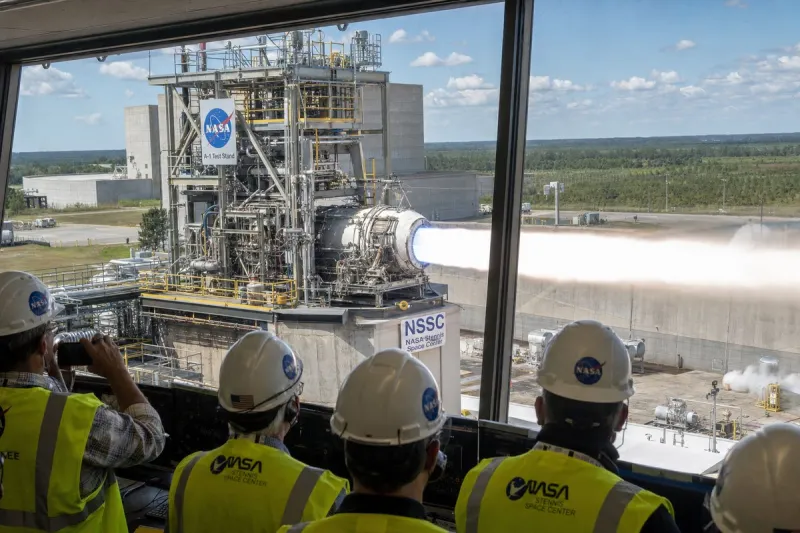
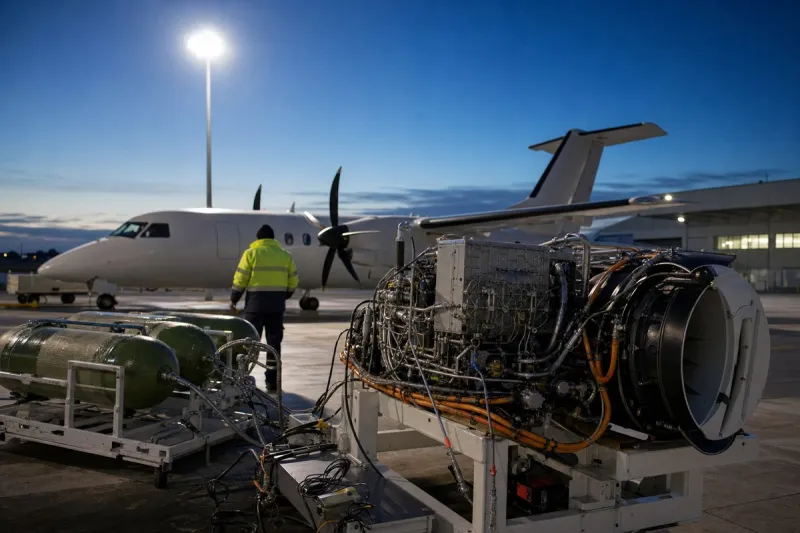
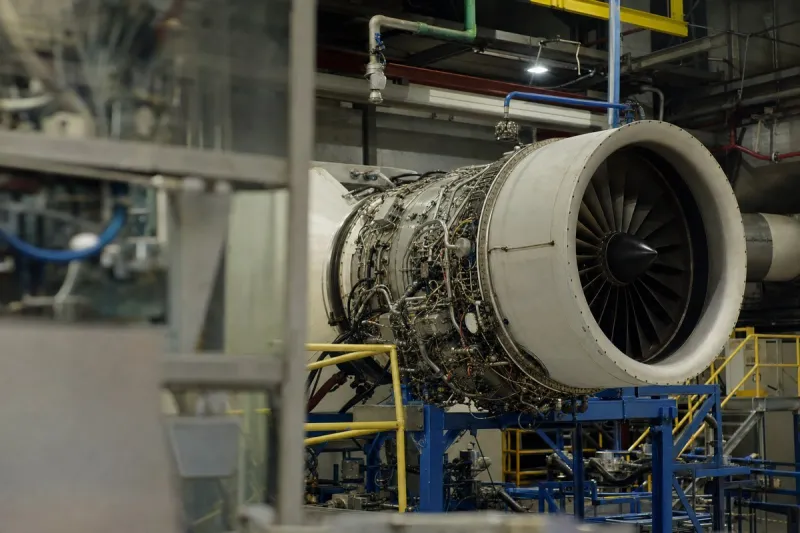
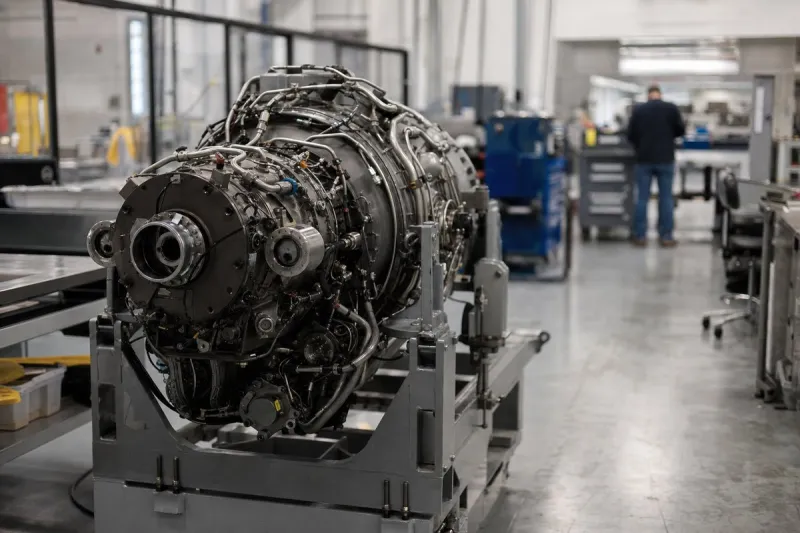
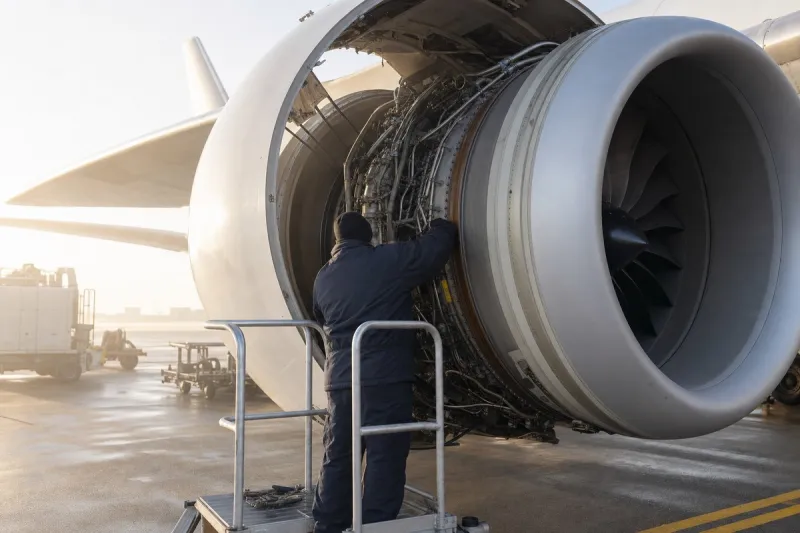
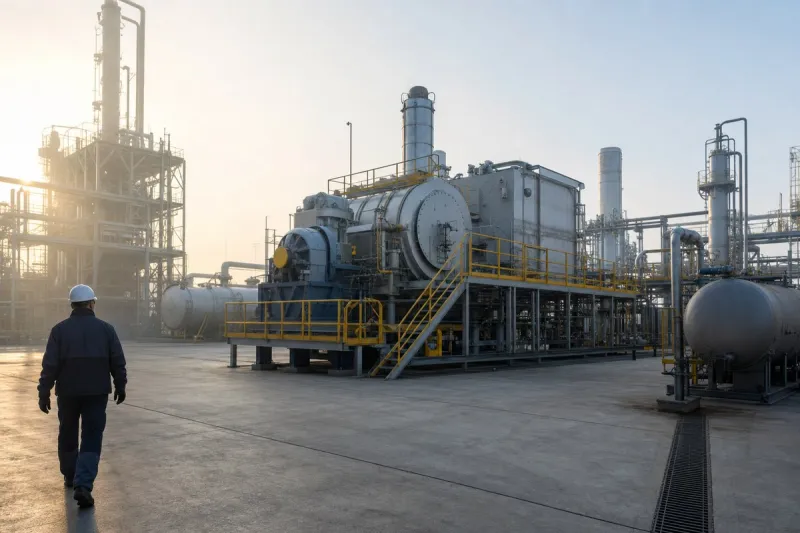
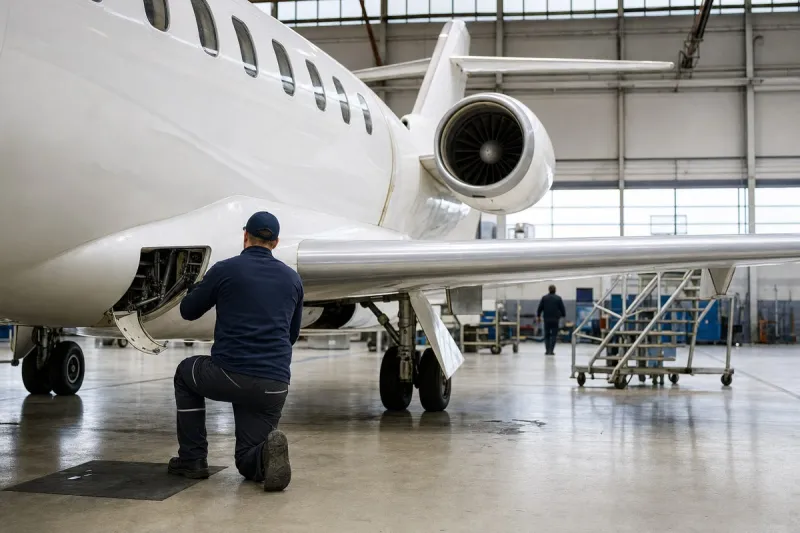
A modified Rolls-Royce Pearl 15 turbofan engine has completed a full simulated flight cycle — start-up, take-off power, cruise, descent, and landing — while running on 100 percent gaseous hydrogen, on a ground test rig at NASA's Stennis Space Center in Mississippi. No aircraft flew; the engine remained on a test stand throughout, and the sequence included deliberate fault scenarios and off-design conditions across the full range of power settings a real flight would require.
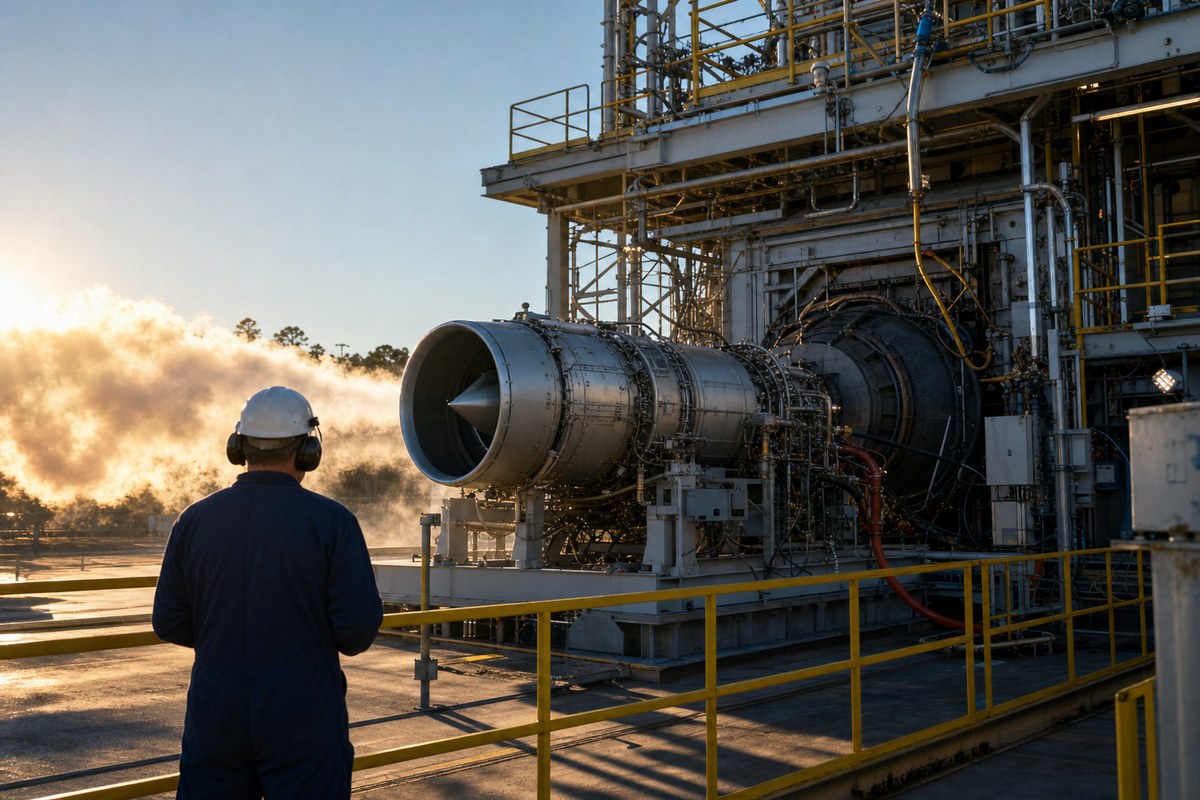
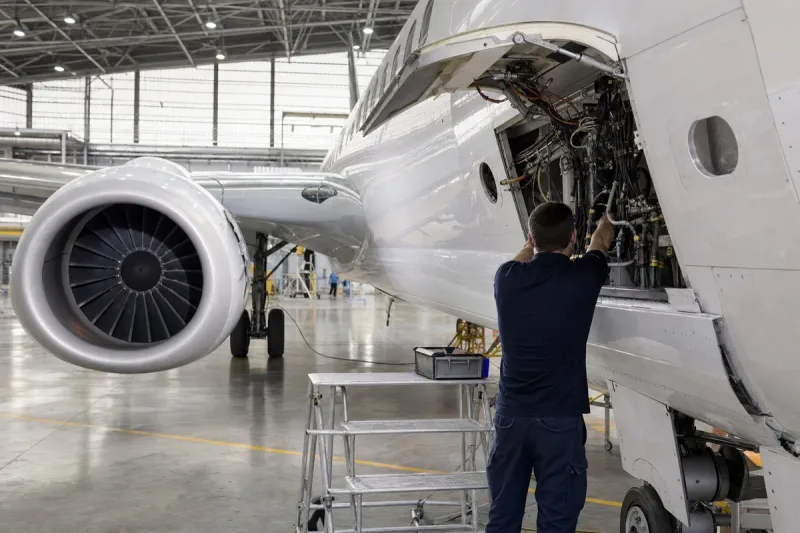
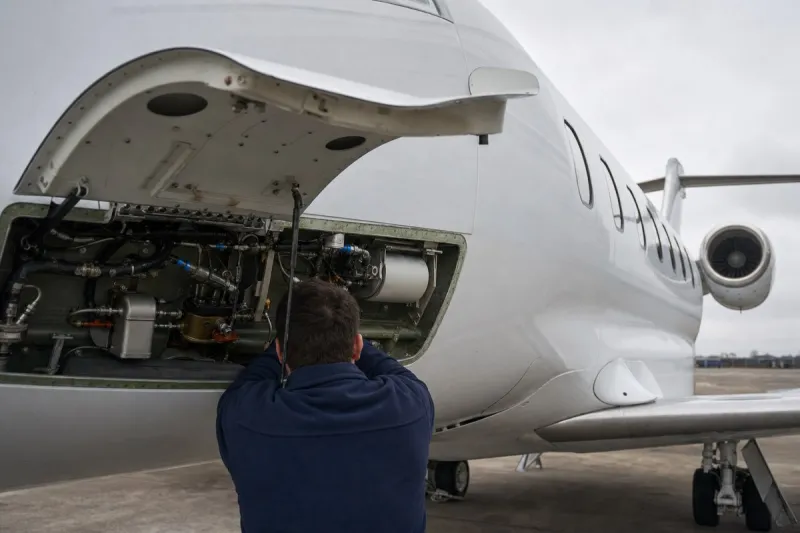
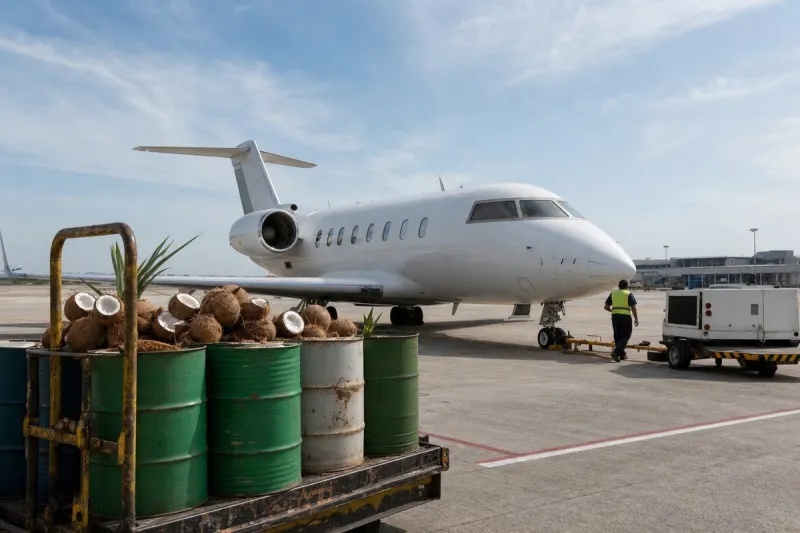
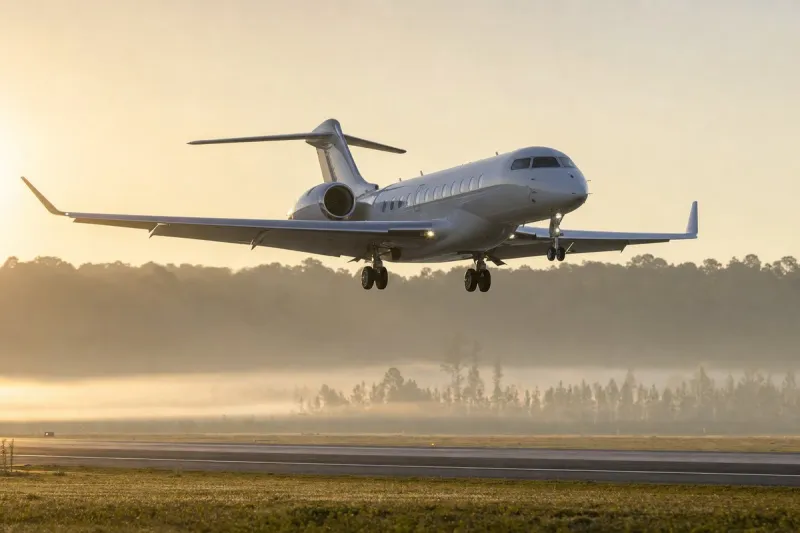
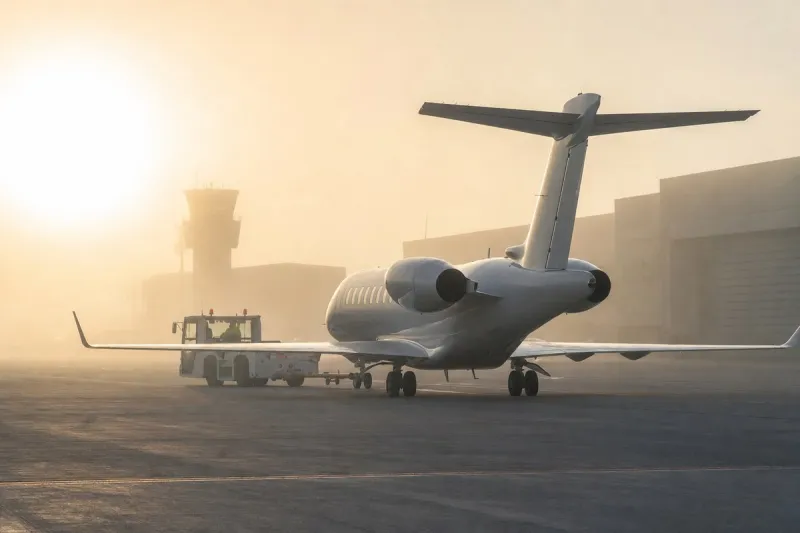
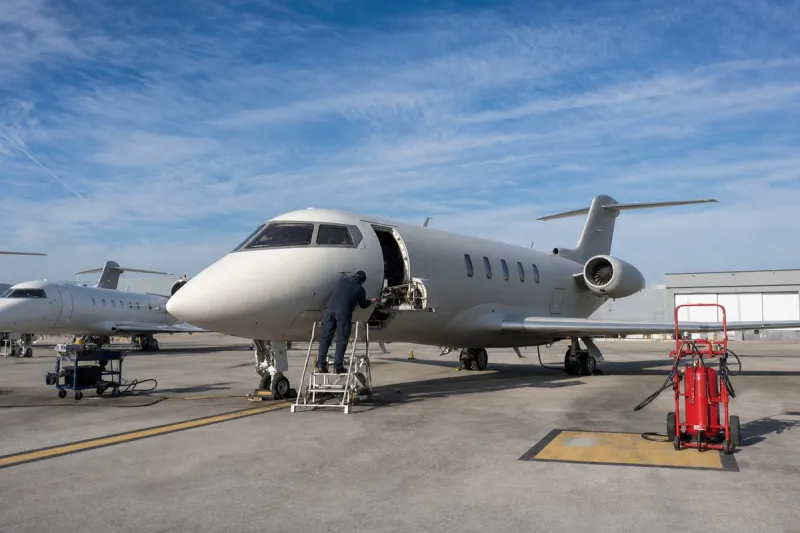
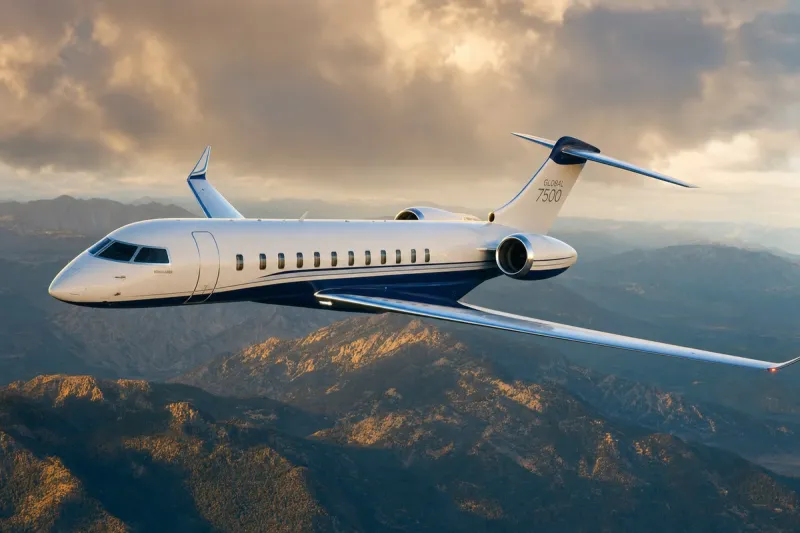
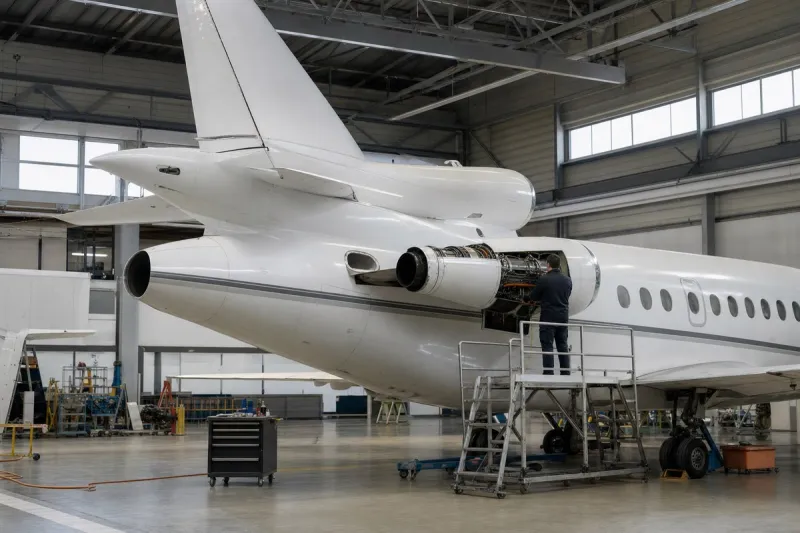
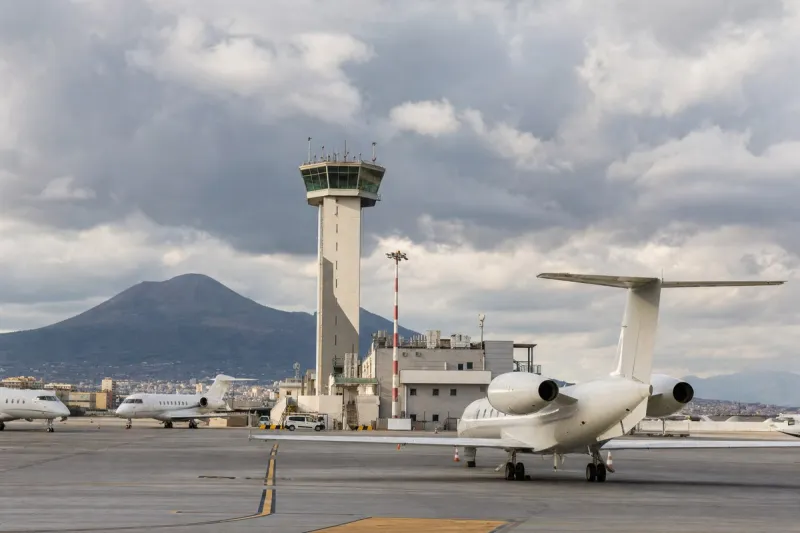
The test was first disclosed on 29 April 2026 by Rolls-Royce and easyJet, with partner Tata Consultancy Services announcing its own role on 14 August 2026. Rolls-Royce and easyJet have collaborated on hydrogen propulsion since 2022, and Tata Consultancy Services joined the programme in 2024. The Pearl 15 normally powers the Bombardier Global 6500 business jet, sits in the roughly 15,000 lb thrust class, and is described by the partners as scalable to narrowbody aircraft thrust levels. Earlier programme milestones included running a Rolls-Royce AE 2100 turboprop on green hydrogen at Boscombe Down in 2022 and testing a Pearl 700 combustor rig at DLR Cologne in 2023.
Adam Newman, Chief Engineer of the Hydrogen Demonstrator Programme at Rolls-Royce, said the tests provided "valuable insights into how 100% hydrogen behaves in a modern aero gas turbine across a full flight cycle while validating critical combustion, fuel and control system technologies." The partners state that hydrogen combustion eliminates in-flight carbon dioxide emissions but acknowledge that burning hydrogen in air still produces nitrogen oxides, and generates roughly two and a half times as much water vapour as kerosene. Rolls-Royce and easyJet have stated an ambition to field hydrogen combustion engines on narrowbody aircraft from the mid-2030s, with no entry-into-service date announced.
Gaseous versus liquid hydrogen
The test used gaseous hydrogen rather than the deep-cryogenic liquid hydrogen a flying aircraft would require. Rolls-Royce has been testing cryogenic pumps at its Solihull facility, but no engine has yet completed a full cycle on liquid hydrogen from a flight-representative tank.
Liquid hydrogen holds approximately one-third of the energy per litre of conventional jet fuel, meaning any airframe carrying it would need large, heavily insulated tanks that substantially alter fuselage design.
Industry impact & what to watch
This test belongs to a sequence of ground-based proof points rather than a flight demonstration: an AE 2100 turboprop on green hydrogen in 2022, a Pearl 700 combustor rig in 2023, and now a Pearl 15 completing a gaseous-hydrogen flight cycle on a stand. Each step validates a narrower engineering question — combustor behaviour, fuel and control system response — without yet combining them into a flying, liquid-hydrogen-fuelled aircraft.
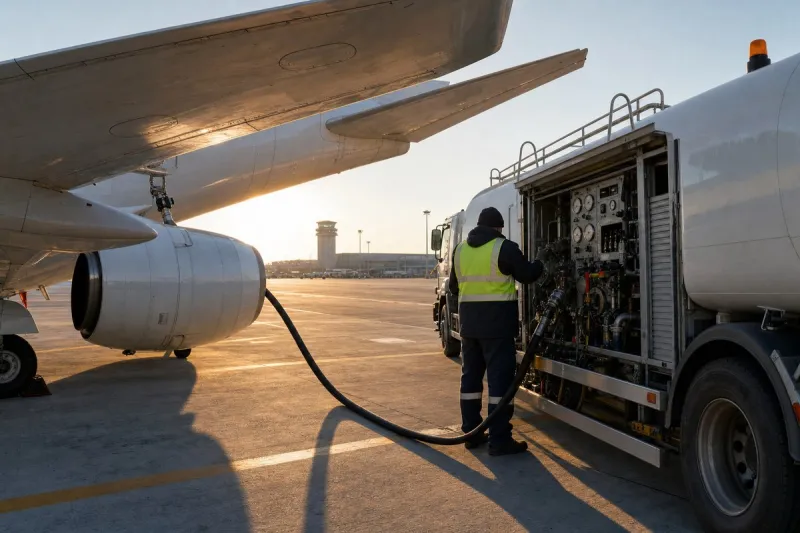
Hydrogen combustion programmes in this segment depend on stacking several independent breakthroughs before commercial viability: combustor and control-system tolerance to hydrogen's faster, hotter flame; cryogenic pumping and storage at flight scale; and airport-side liquefaction and refuelling infrastructure that does not yet exist at any commercial hub. A narrowbody-class engine passing a gaseous cycle addresses only the first of these.
The next milestones to watch are whether Rolls-Royce's Solihull cryogenic pump testing progresses to a full engine cycle on liquid hydrogen drawn from a flight-representative tank, and whether the partners disclose any specifics on the tank and fuselage redesign that a one-third energy-density fuel would demand. Until liquid hydrogen is demonstrated end-to-end, the mid-2030s narrowbody ambition remains a stated goal rather than a scheduled programme.