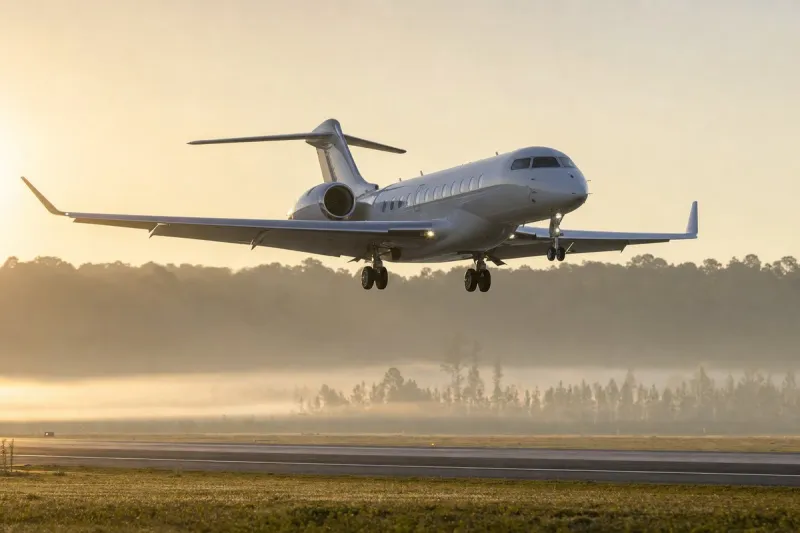
DARPA X-76: Bell Textron's 400-Knot Folding-Rotor VTOL Aircraft Targets 2028 First Flight
Why It MattersConsolidating multiple special-operations and carrier logistics platforms into one high-speed VTOL airframe would reshape how militaries budget for and crew long-range vertical-lift missions.
What happened
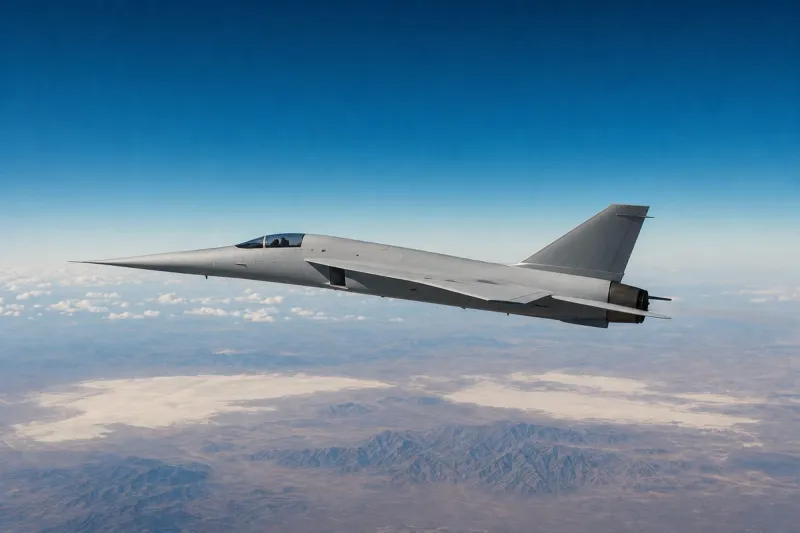
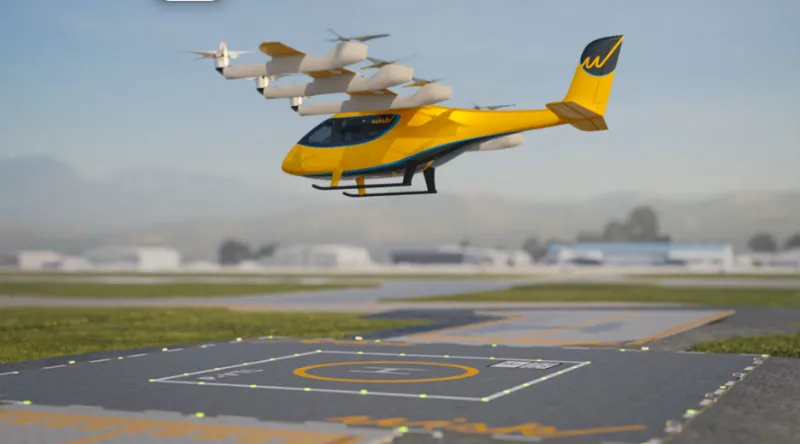
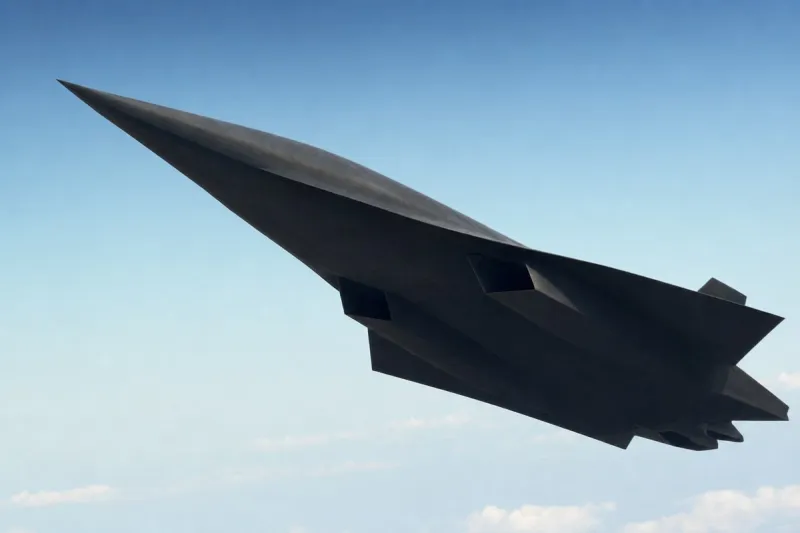
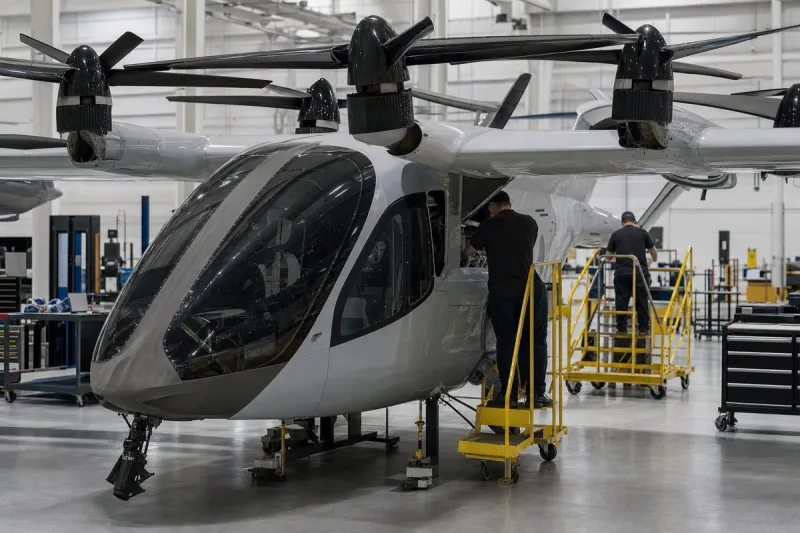
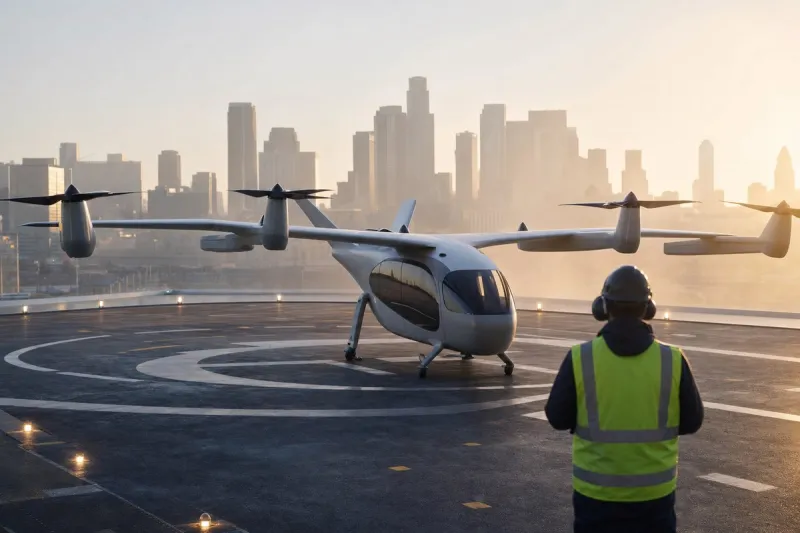
The Defense Advanced Research Projects Agency has designated its high-speed vertical take-off and landing programme the X-76, with first flight scheduled for early 2028. The aircraft is being built by Bell Textron under DARPA's Speed and Runway Independent Technologies (SPRINT) programme. The design takes off vertically like a helicopter, folds its rotors away mid-flight, switches to turbofan propulsion, and is intended to cruise at 400 to 450 knots.
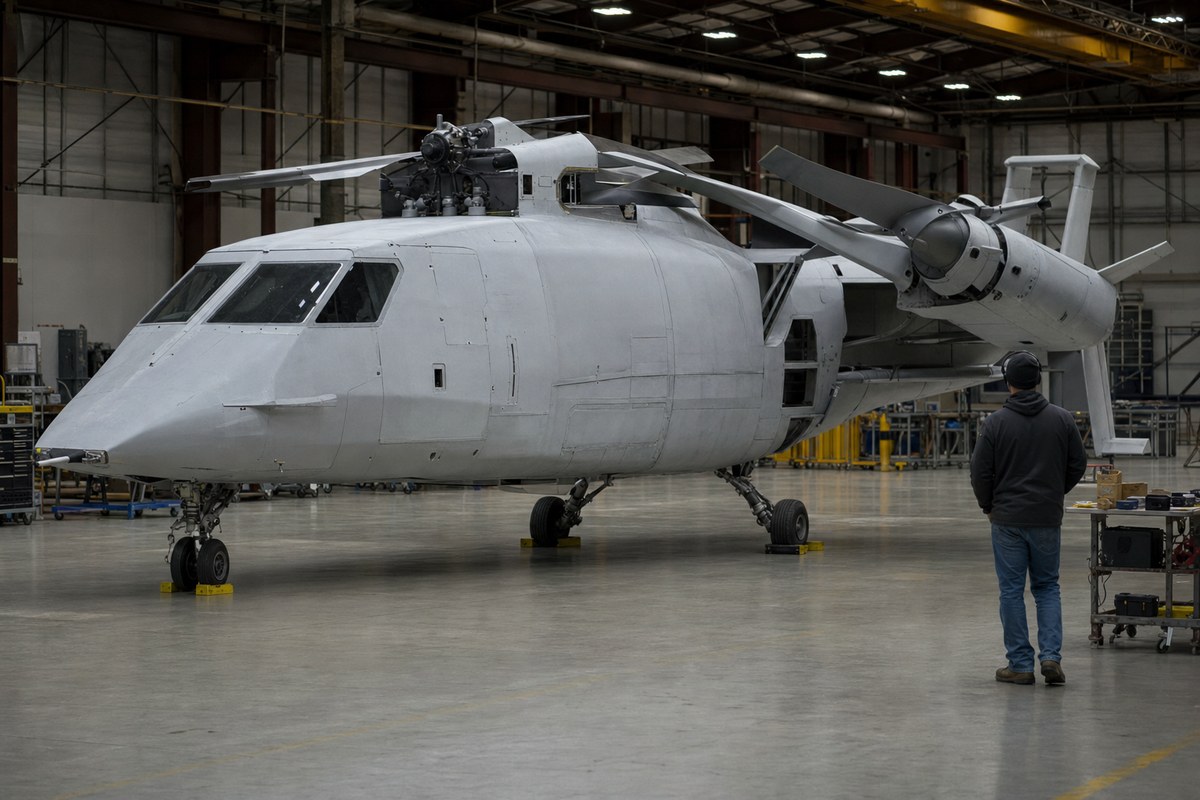
No VTOL aircraft has previously sustained cruise flight at that speed. The V-22 Osprey, described as the current benchmark for high-speed vertical-lift operations, is limited to approximately 280 knots; the X-76 aims to exceed that figure by 40 to 60 percent while retaining the ability to land on unprepared sites such as rooftops, jungle clearings, ship decks, or remote atolls without a runway.
DARPA chose the X-76 designation to mark the United States' 250th anniversary, evoking 1776, in a manner the agency compares to the symbolism of the X-1, which first broke the sound barrier in 1947 — a milestone achieved by Bell Aircraft, the predecessor company, roughly 81 years before the X-76's scheduled first flight. The rotor-folding approach distinguishes the X-76 from tiltrotor designs such as the V-22, which rotates its engines and rotors to transition between flight modes but does not stow them.
Potential missions
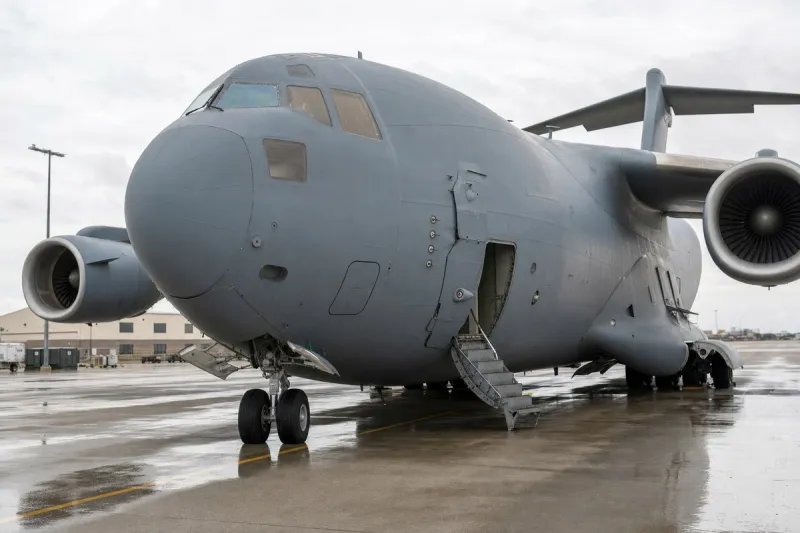
The programme has operational implications for U.S. Special Operations Command, which currently relies on combinations of C-17s, V-22s, CV-22s, MC-130 Talons, and CH-47 Chinooks — each with different speed and runway requirements — to conduct long-range insertion missions. A single aircraft capable of 400-knot transit and vertical landing on austere terrain would consolidate missions that presently require multiple platforms, crews, and refuelling stops.
Broader military applications include carrier-based logistics, potentially replacing or supplementing C-2 Greyhounds and CMV-22B Ospreys at jet speeds without catapult or arresting gear, as well as extended-range combat search-and-rescue and casualty evacuation across the Indo-Pacific theatre.
Industry impact & what to watch
This case belongs to a familiar defence-programme pattern: an agency sets an ambitious performance target years before flight hardware exists, and the designation itself signals how much institutional weight is being placed behind it. Naming the aircraft after the X-1 and the nation's founding year is a deliberate signal of priority, not evidence that the engineering risk of folding rotors at speed has been retired.
High-speed VTOL programmes live or die on the mechanical complexity of the transition between flight modes. Tiltrotors like the V-22 avoid stowing their rotors altogether; the X-76's approach of folding rotors away and switching to turbofan propulsion is a different and unproven mechanism, and that difference is precisely what the next three years of engineering, manufacturing, and flight-test activity will test.
Whether the X-76 reaches its stated 400-to-450-knot cruise target will determine whether SOCOM and carrier-logistics planners can actually consolidate the mixed fleets — C-17s, V-22s, CV-22s, MC-130s, CH-47s, C-2s and CMV-22Bs — they currently operate, or whether the programme instead adds one more specialised type alongside them. The scheduled early-2028 first flight is the next fixed point against which that outcome can be judged.