AXIS Flight Simulation enters helicopter simulator market with two new training devices targeting Airbus Helicopters and Leonardo platforms
Why It MattersThe move shows simulator makers expanding into rotary-wing training on customer demand rather than volume targets, pairing modest annual contract goals with reusable cockpit architecture to manage development risk.
What happened
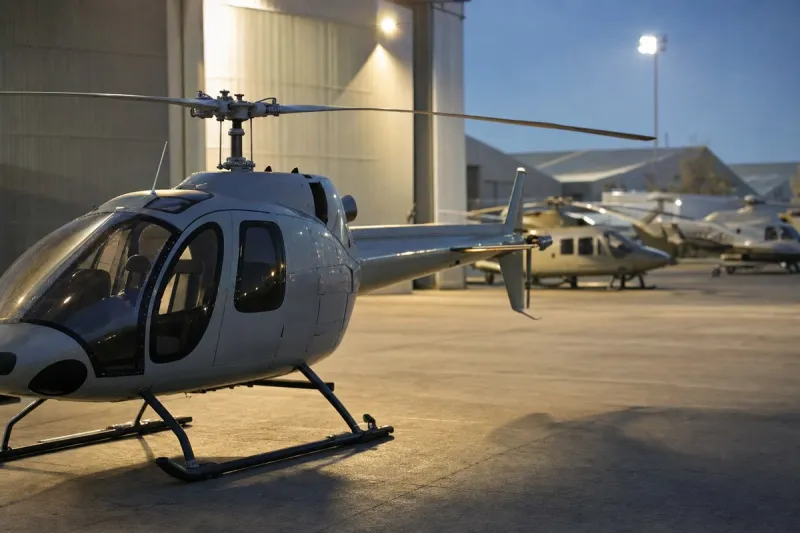
AXIS Flight Simulation is entering the helicopter simulator market with two new training devices, the first of which is expected to be available within approximately 20 months. Christian Theuermann, executive board member at AXIS, confirmed that Airbus Helicopters and Leonardo platforms will be the first offered, though specific aircraft models have not yet been identified.
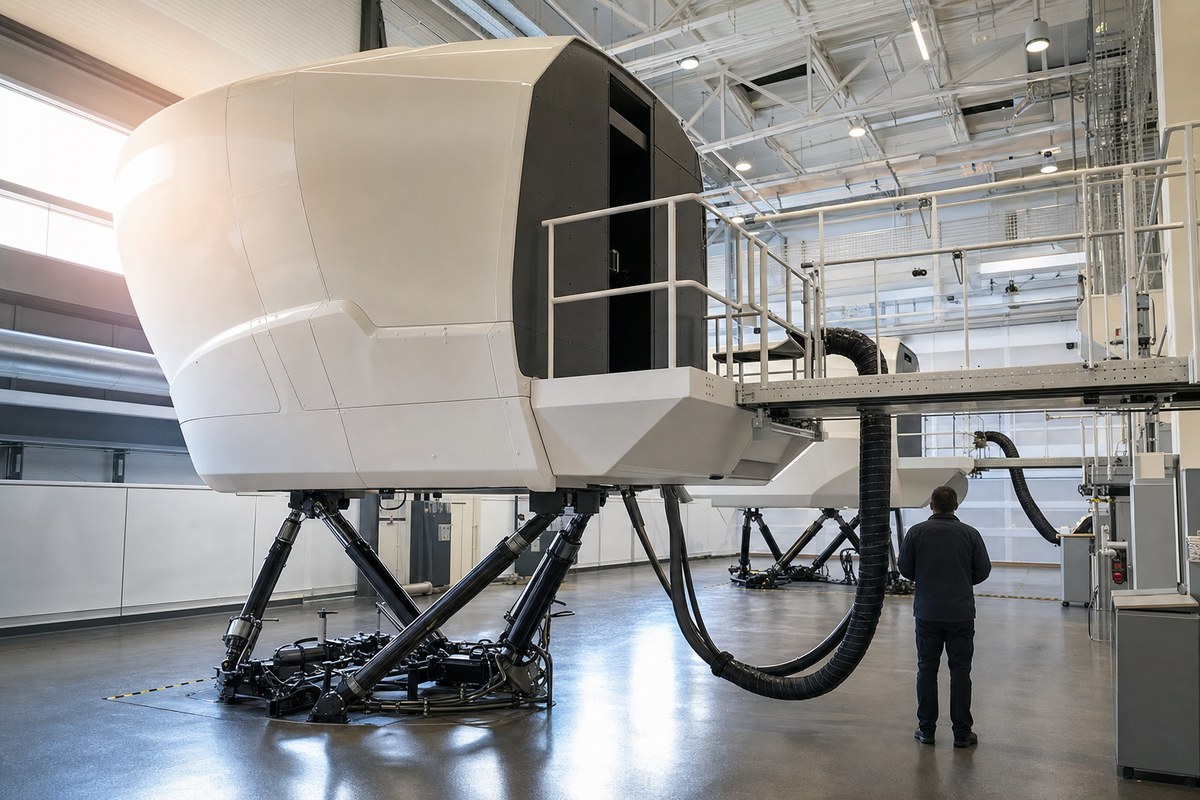
The two devices will share a common underlying architecture with interchangeable cockpits, allowing AXIS to represent different helicopter types. The flagship device, designated AX-DH, will combine a high-resolution visual system with six-degree-of-freedom electric motion. Both products will feature full-scale, aircraft-specific cockpits along with helicopter-specific flight dynamics and avionics models. Pilots will be able to switch between Instrument Flight Rules and Visual Flight Rules during approaches, and the devices are intended to support individual and multi-crew training for helicopter emergency medical services, search and rescue, offshore operations, and night-vision-goggle flying.
Theuermann said the move into rotary-wing simulation was driven by customer demand: "The market has been proactively approaching us and asking whether we can support operators with rotary-wing training devices. It is a logical next step for AXIS." As part of its development process, AXIS intends to collect its own helicopter flight performance data by renting and flying representative helicopters, supplementing data packages available from aircraft manufacturers, an approach it has already used for its fixed-wing simulators. The company will also adapt its existing AXIS Intelligent Debriefing Station, an AI-based system that assesses pilot performance against defined competencies, for the new helicopter devices.
Growth strategy and eVTOL ambitions
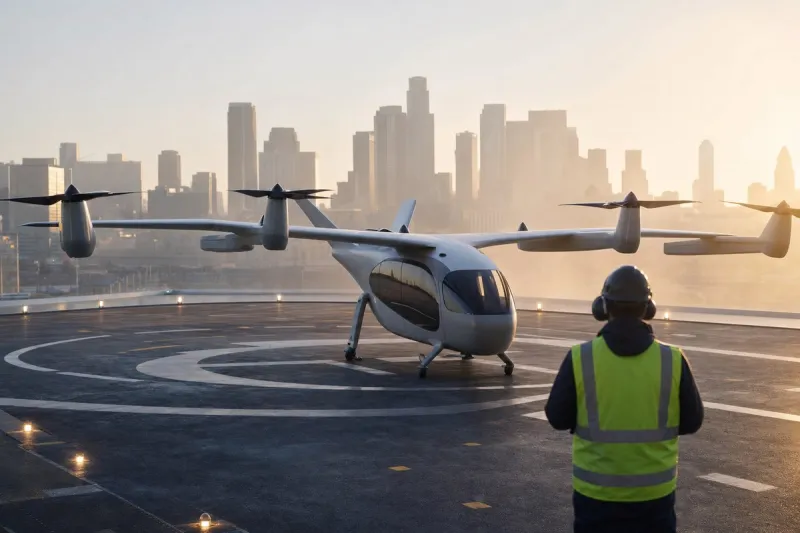
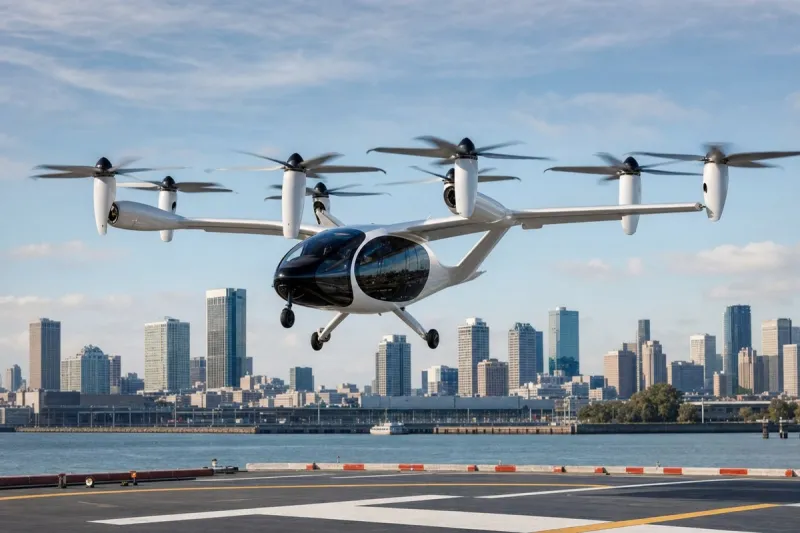
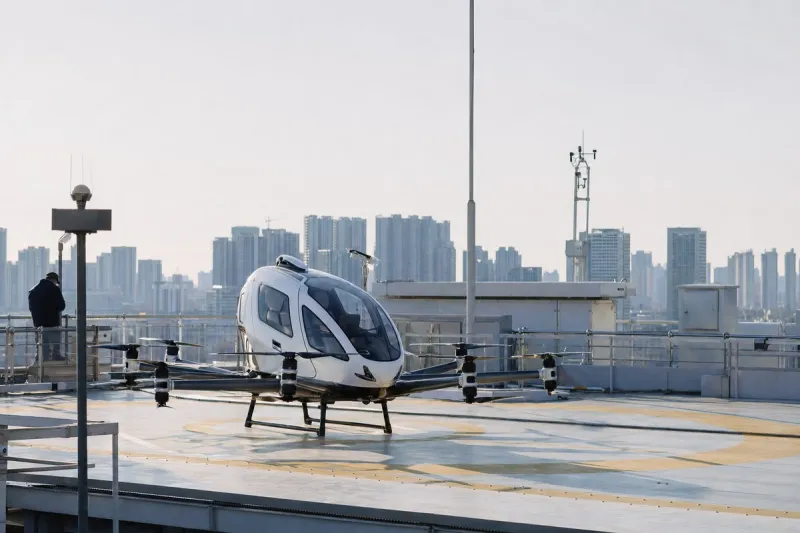
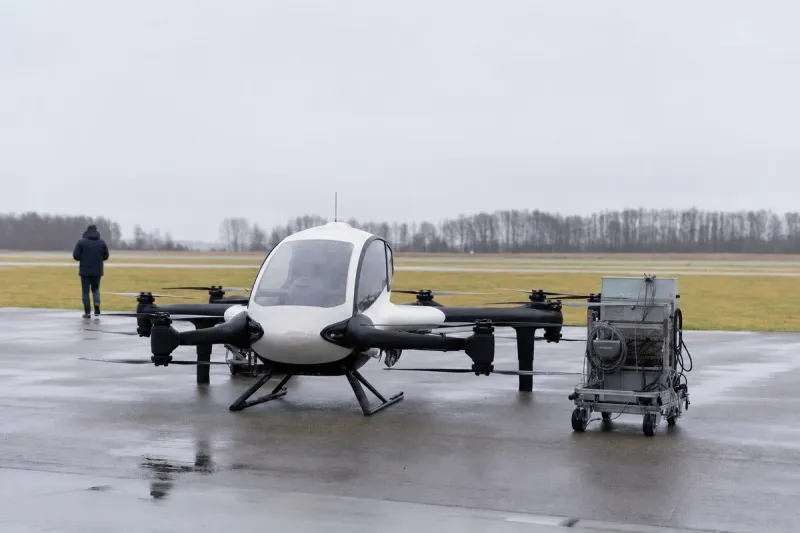
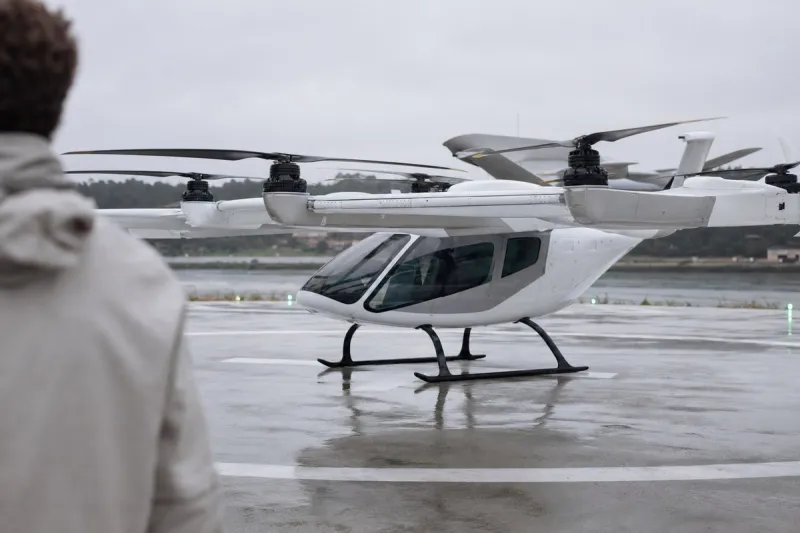
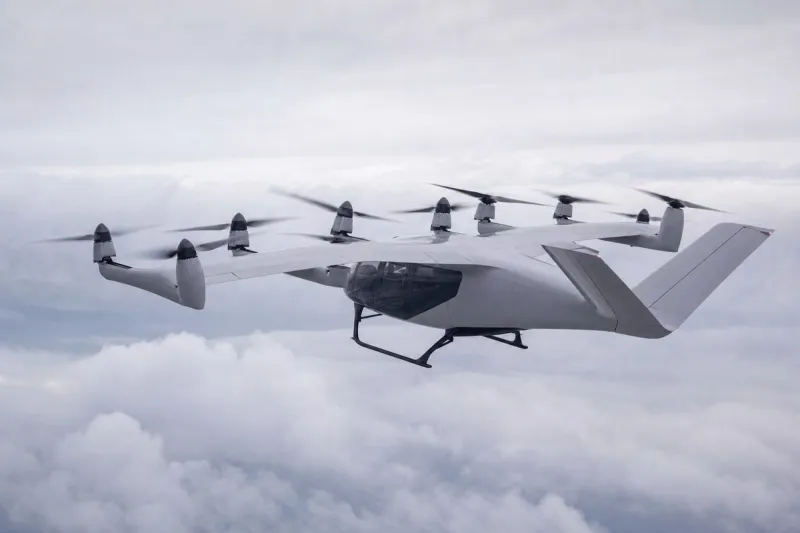
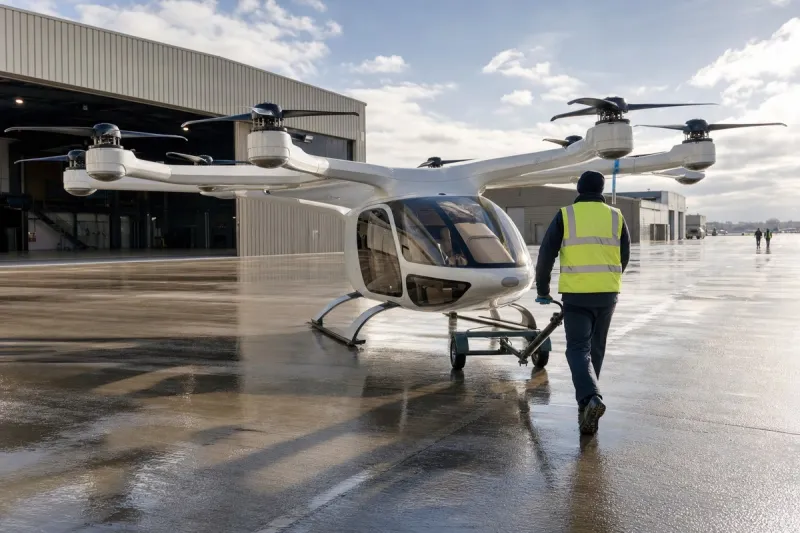
Theuermann described a measured growth strategy for the programme: "We do not need to sell five full-flight helicopter simulators every year. If we secure one contract every year or two, supported by fixed-base devices, that would provide a good foundation for growth." AXIS also sees the helicopter simulator programme as a potential stepping stone toward electric vertical take-off and landing aircraft training, noting that aerodynamic knowledge gained from rotary-wing simulation could be applicable to future eVTOL platforms.
Industry impact & what to watch
An established fixed-wing simulator builder moving into rotary-wing training reflects a segment where manufacturers expand into adjacent aircraft categories when operators pull them there, rather than pursuing volume for its own sake. AXIS's decision to gather its own flight performance data by renting and flying representative helicopters, rather than relying solely on manufacturer data packages, points to how simulator fidelity in this segment depends on data AXIS itself has to go collect, since helicopter operations spanning emergency medical services, search and rescue, offshore work and night-vision-goggle flying demand handling characteristics that generic packages may not fully capture.
The shared architecture with interchangeable cockpits across both devices also shows how simulator makers manage the cost of entering a new aircraft category: build one underlying platform, then vary the cockpit rather than engineering each device from scratch. Theuermann's own framing, of one contract every year or two as a sufficient foundation, signals a segment where full-flight helicopter simulators are a low-volume, long-cycle product compared with fixed-wing programmes.
Which specific Airbus Helicopters and Leonardo models AXIS selects, and whether the AX-DH reaches customers within the stated 20-month window, will indicate whether the eVTOL ambition Theuermann described is a realistic extension of the rotary-wing data AXIS is building or a longer-term aspiration attached to a nearer-term programme.