Autonomous crop-spraying planes emerge as commercial leaders in pilotless fixed-wing aviation
Why It MattersAutonomous fixed-wing aircraft are moving from niche agricultural and cargo trials toward broader commercial adoption, with passenger transport positioned as a longer-term industry frontier.
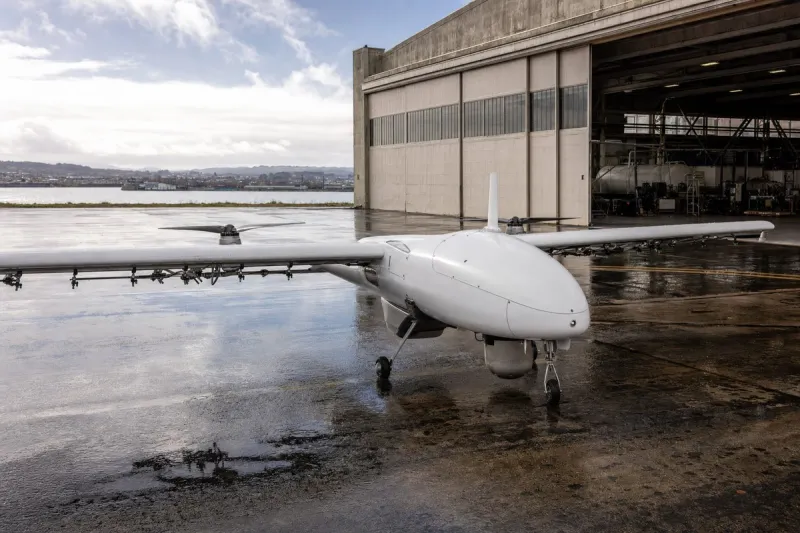
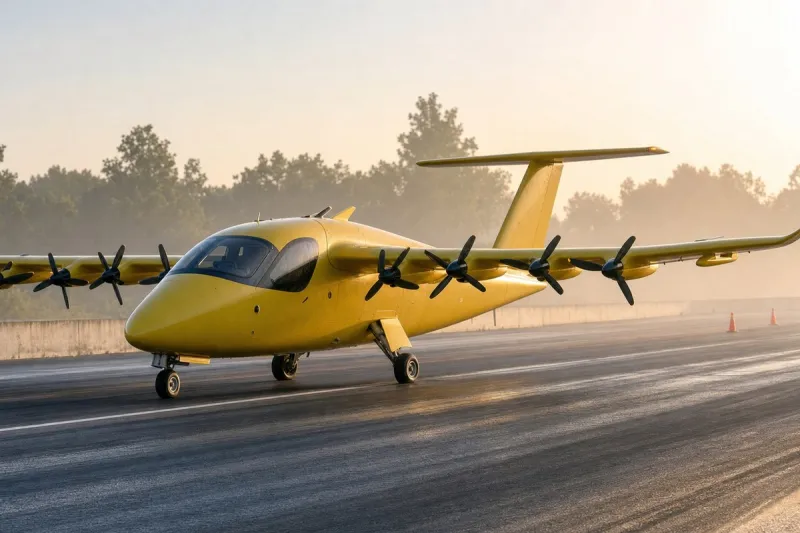
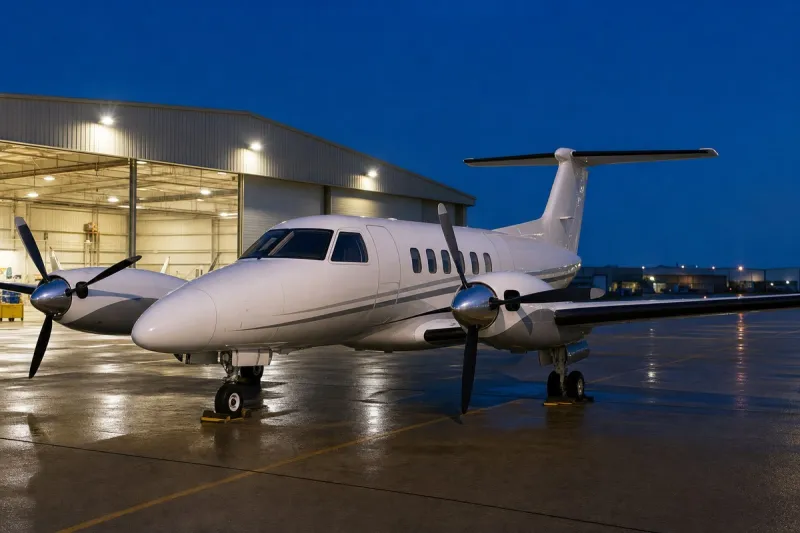
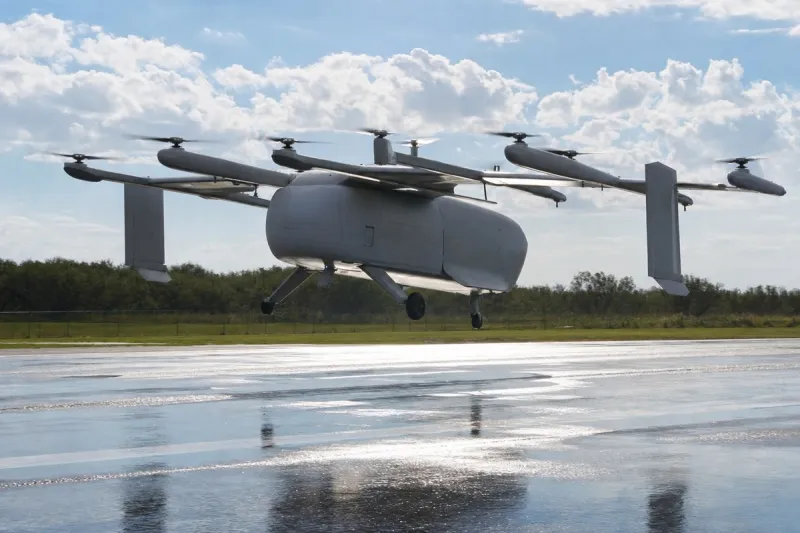
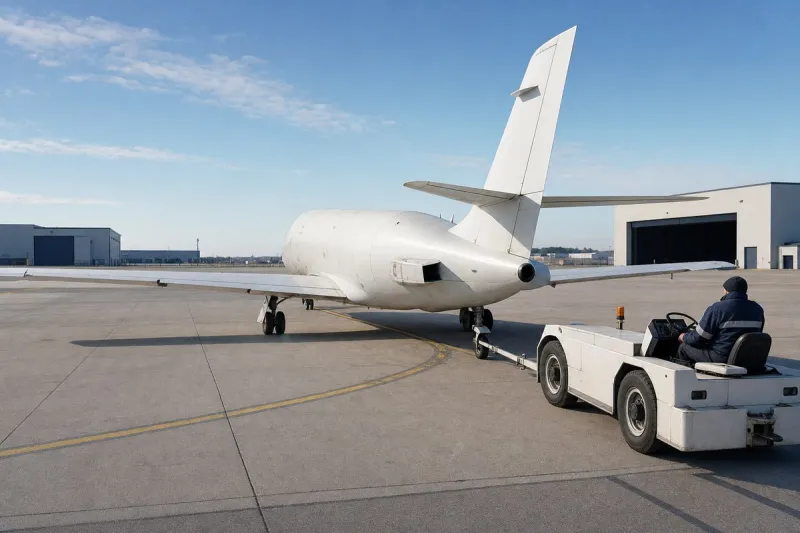
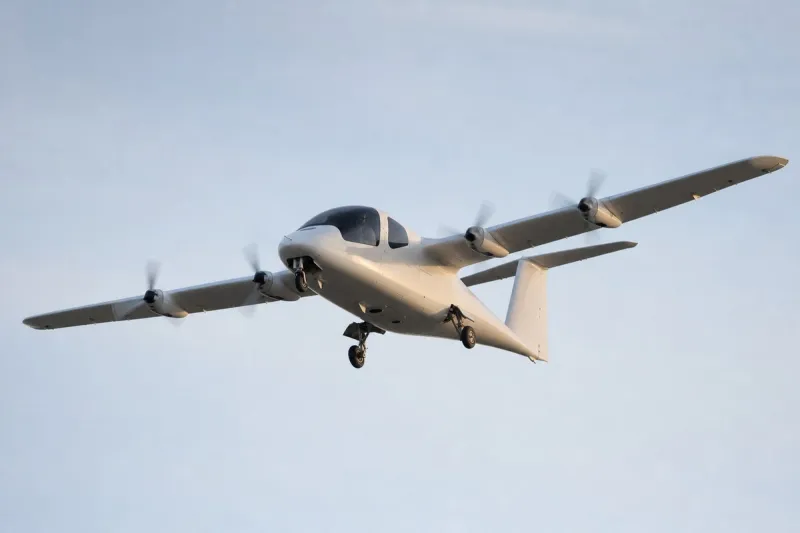
A small group of companies is racing to bring autonomous fixed-wing aircraft into commercial service, starting with crop spraying and cargo delivery before pursuing passenger transport as a longer-term goal. Pyka, a California-based startup, is among the frontrunners: its pilotless crop-spraying plane, with an 11.5-metre wingspan, an electric powertrain, a 35-minute endurance and a 300-litre spray tank, became the largest autonomous fixed-wing aircraft approved for commercial civilian use in the United States last year, though it is restricted to agricultural settings and still requires a ground operator and visual observer. Pyka had earlier won similar approval in Brazil, where about a dozen of its aircraft are already spraying crops.
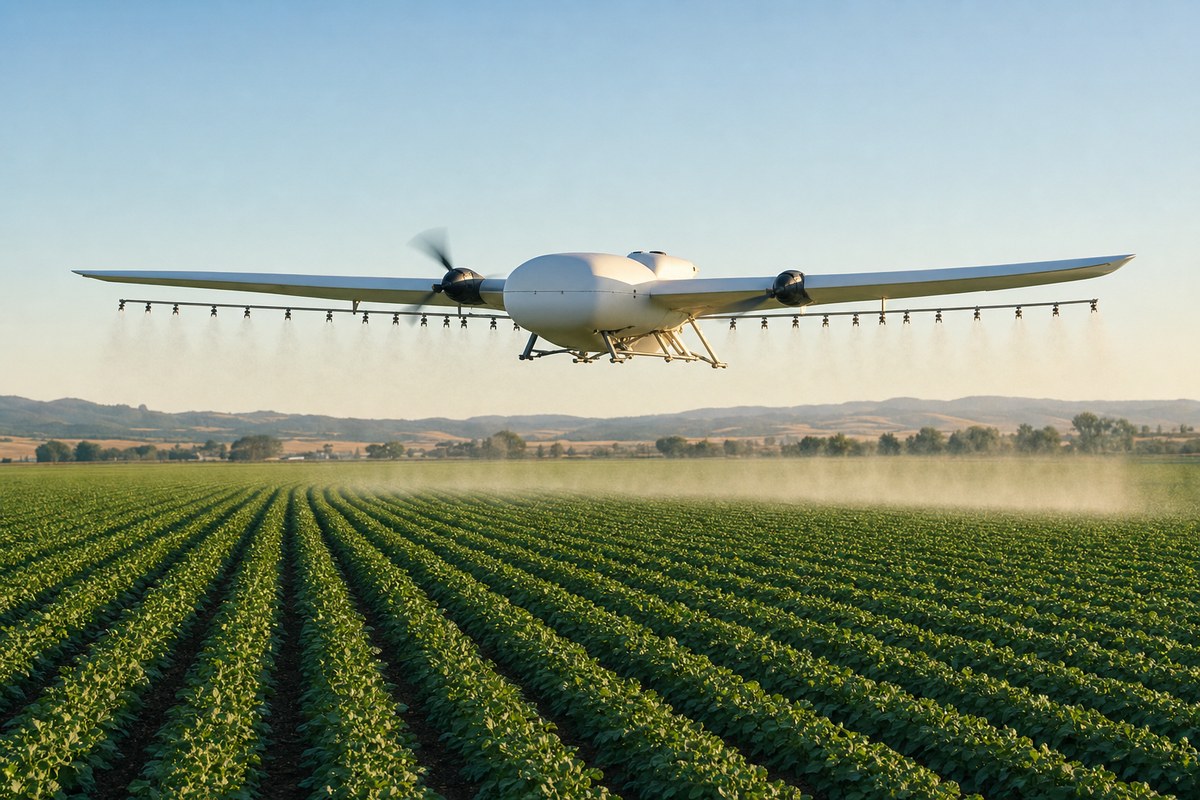
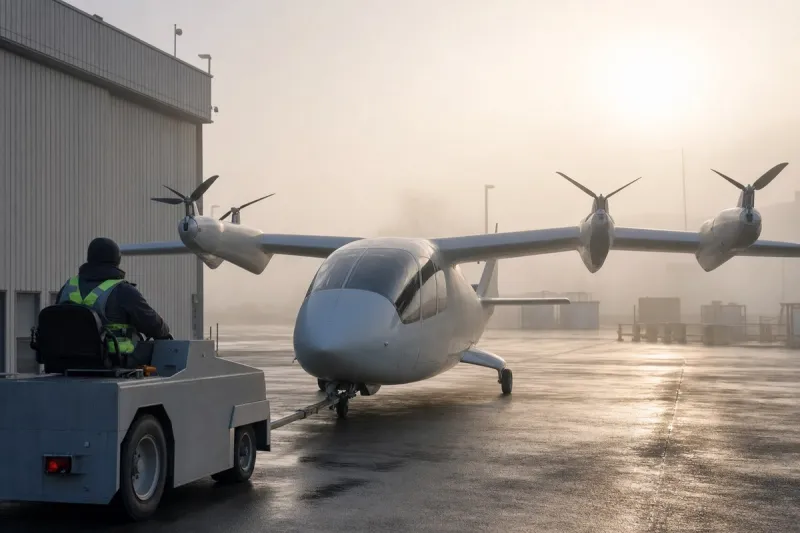
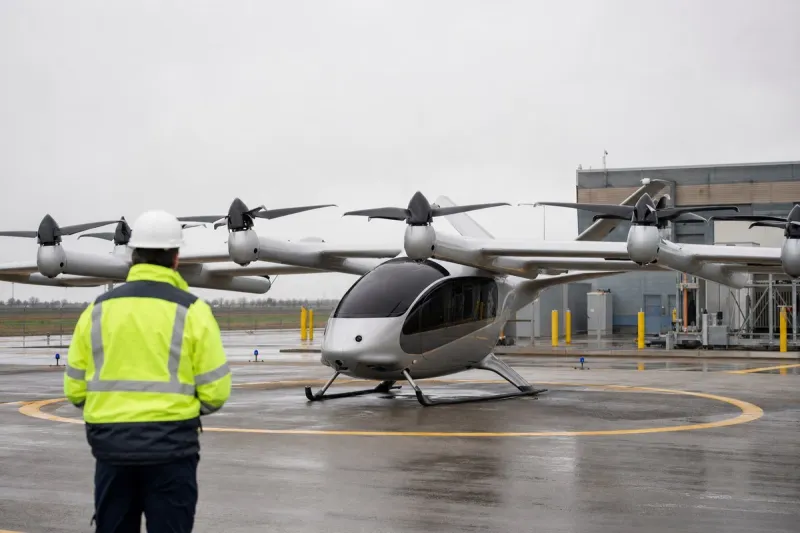
At a test site east of its California factory, Pyka flight test engineer Russ Marotzke showed how the aircraft flies lower than a human pilot can, reducing spray drift and chemical use, with its route planned by software that accounts for mapped obstacles while take-off, spraying and landing run fully automated. Pyka co-founder and CEO Michael Norcia said a scaled passenger operation along the US coasts is the company's ultimate goal, and that it may reach that point before the eVTOL industry does.
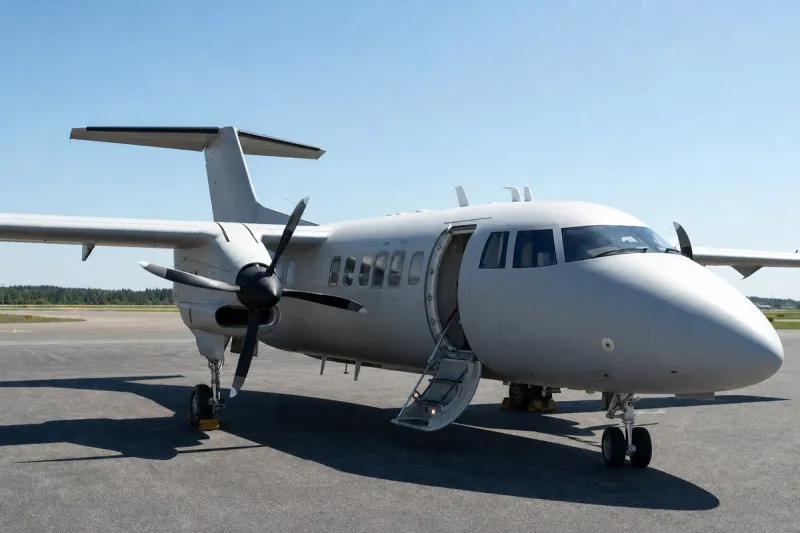
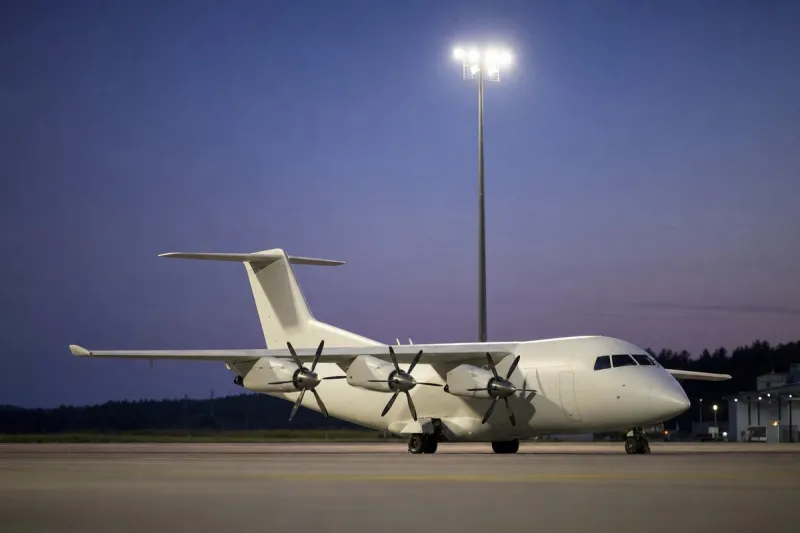
In the United Kingdom, Windracers is seeking permission to launch an autonomous cargo service in Shetland and Orkney, with aircraft also flying missions in Ukraine; founder Stephen Wright called it a potential first heavy-lift drone air cargo service in the UK. Reliable Robotics, backed by Boeing's investment arm, is retrofitting the Cessna 208B Grand Caravan, which can carry about 1,360 kg of payload, while Merlin Labs is adapting its system for the Lockheed Martin C-130J, planning to reduce crew from two pilots to one and eventually none.
The companies differ on artificial intelligence: Reliable Robotics avoids AI entirely and uses air-to-air radar detecting aircraft more than eight kilometres ahead under fixed software rules, Merlin uses AI-powered cameras to detect and classify objects, and Pyka has used lidar from the outset with plans to add AI cameras. Supporters say autonomous aircraft could ease pilot shortages, remove personnel from hazardous work and cut costs, while the Air Line Pilots Association has called removing pilots "a serious gamble with safety," and the National Agricultural Aviation Association argues piloted planes can spray larger areas more quickly.