Cameroon Launches Feasibility Study on National Sustainable Aviation Fuel Industry
Why It MattersThe initiative shows how emerging aviation markets are using ICAO- and EU-backed technical assistance programs to test whether local biomass and infrastructure can support domestic SAF supply chains before any investment commitment.
What happened
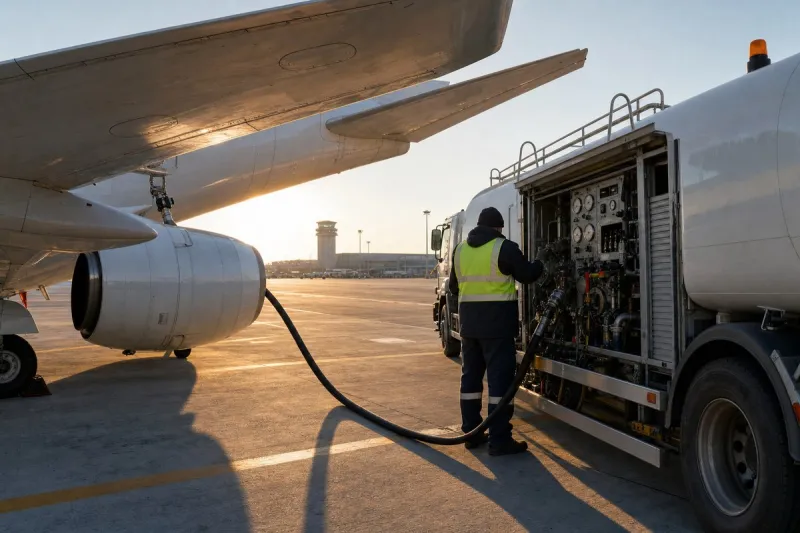
The Civil Aviation Authority of Cameroon (CCAA) has opened a two-day workshop marking the formal start of an assessment into whether a national sustainable aviation fuel (SAF) industry can be developed in the country. CCAA Director General Paule Avomo Assoumou Koki chaired the opening session, saying: "The protection of the environment is one of ICAO's major strategic priorities. Cameroon must anticipate changes in the needs of air transport. The objective is to explore the conditions under which a national sustainable aviation fuel industry could be developed so that airlines may eventually source their fuel locally."
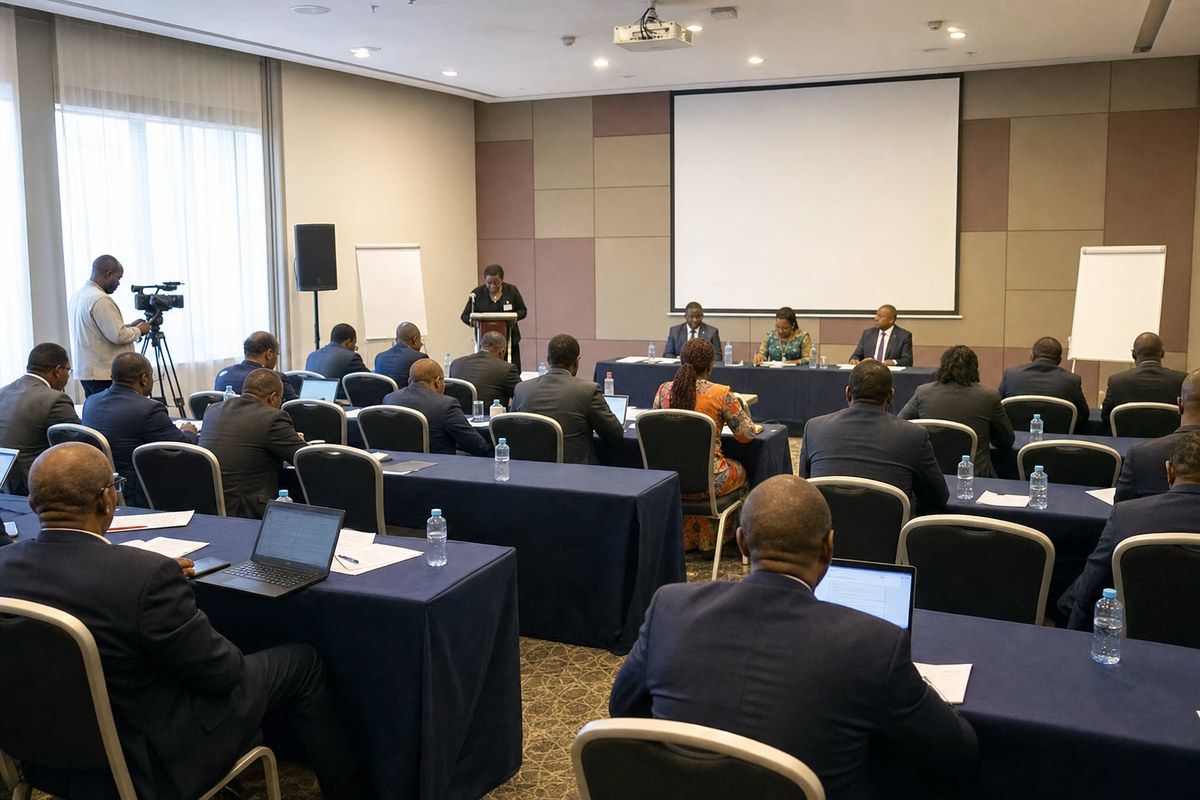
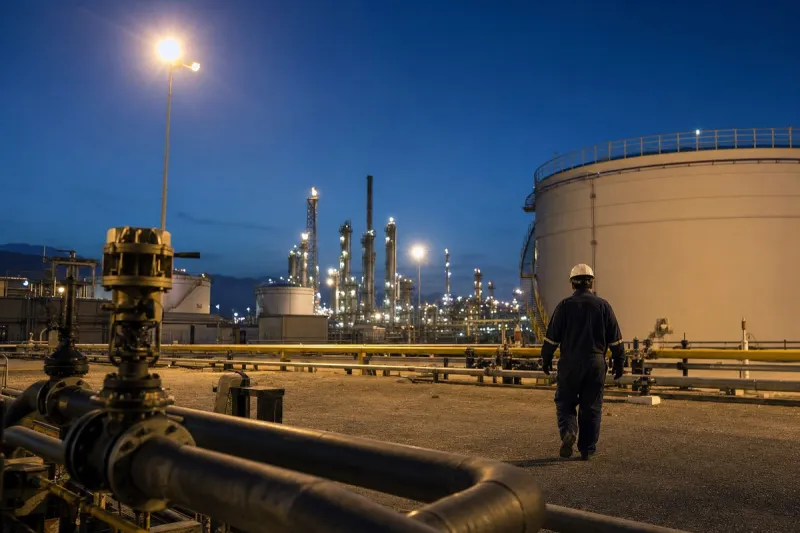
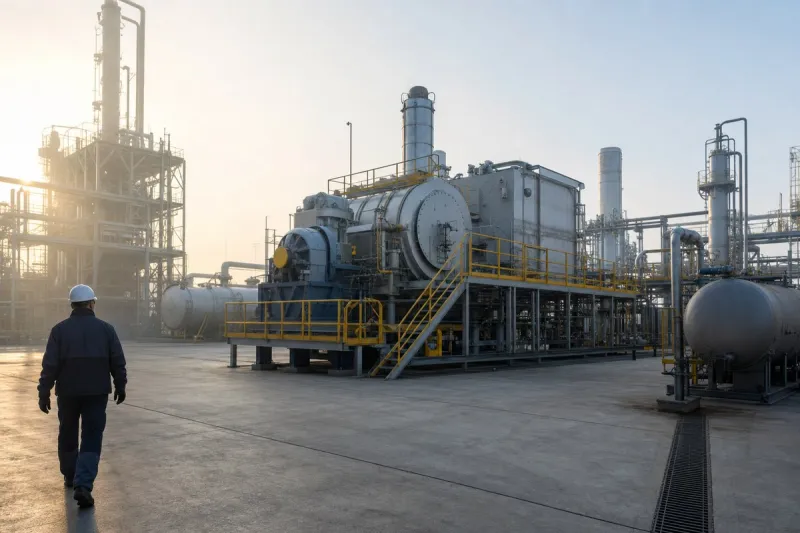
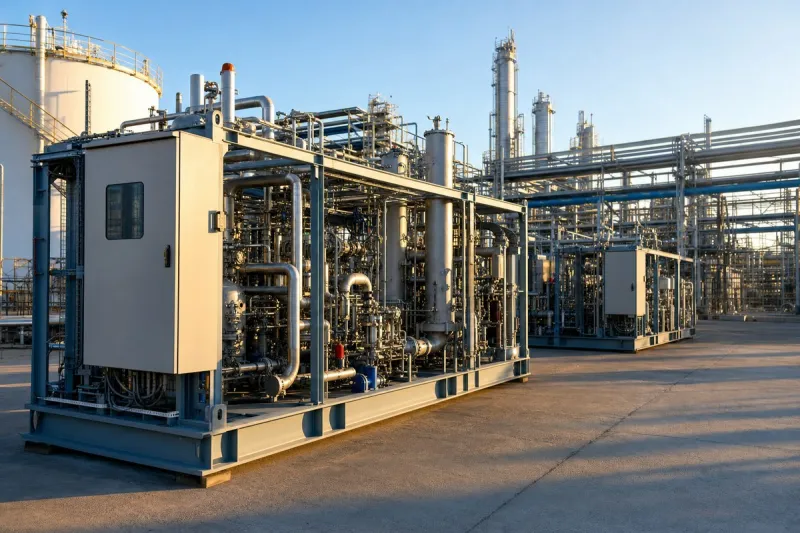
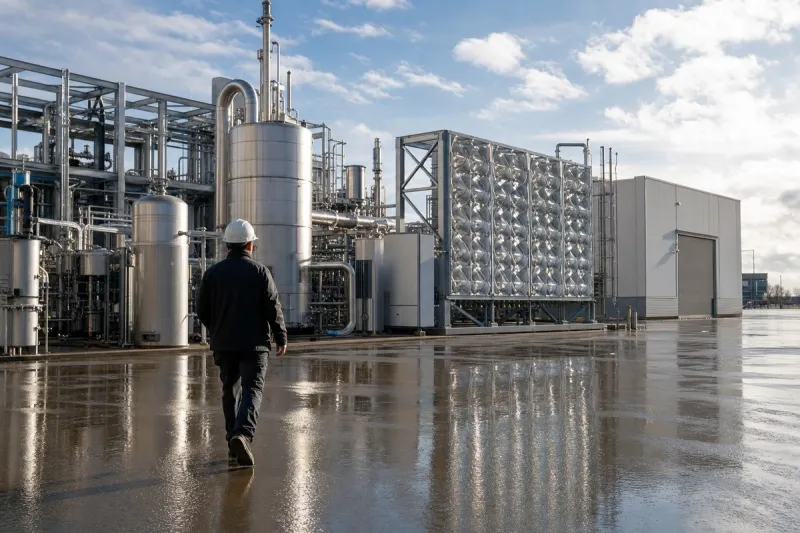
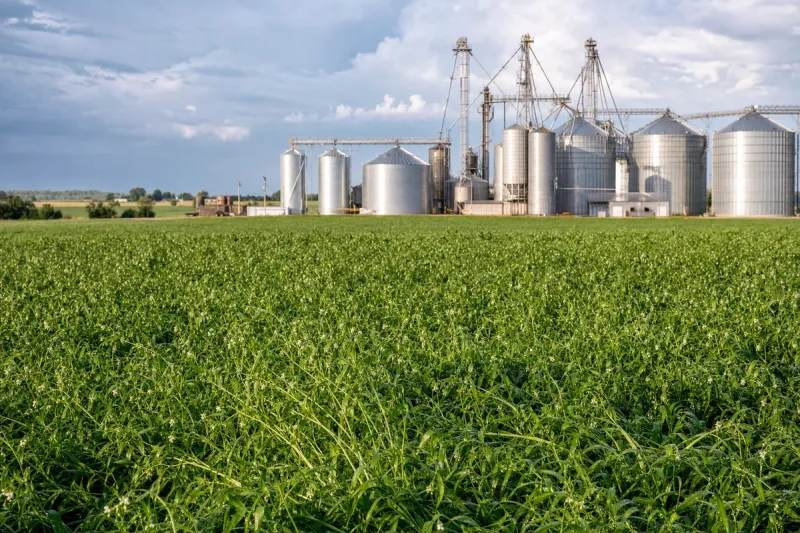
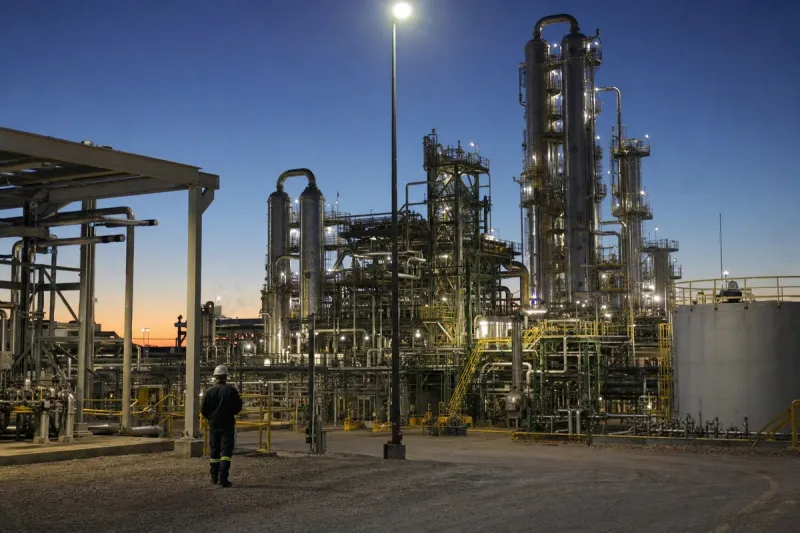
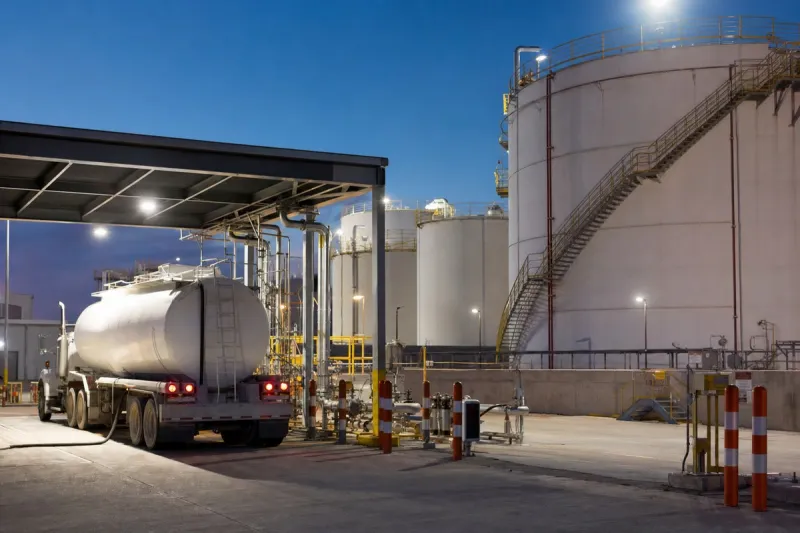
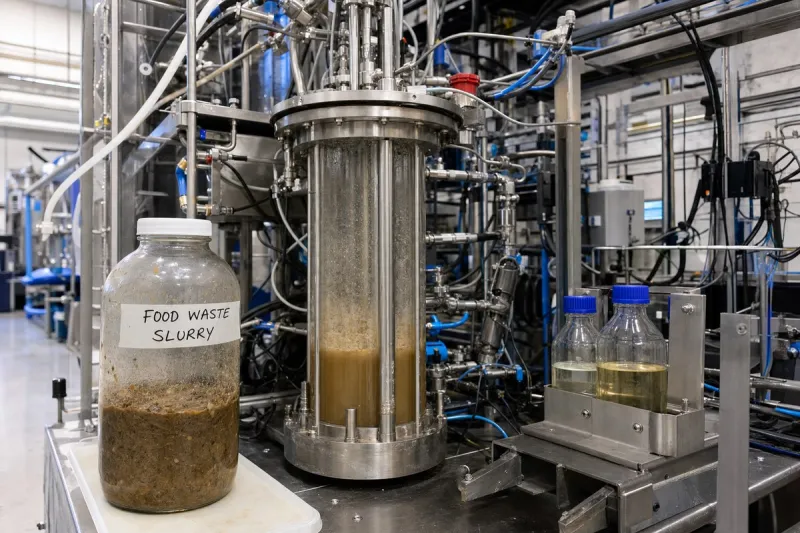
The assessment will examine the availability of raw materials in Cameroon, suitable production technologies, and the infrastructure, regulatory and investment conditions required to support a national SAF industry, evaluating whether local production is technically, economically and environmentally viable. Findings are expected to form the basis of a roadmap aligned with ICAO standards. Following the workshop, experts and technical teams will conduct field investigations at selected industrial, agricultural and infrastructure sites, assessing biomass availability, reusable waste that could serve as production inputs, existing refining capacity, and the ability of local infrastructure to support SAF processing, storage, certification and distribution.
Workshop sessions covered regulation, certification, sustainability reporting and fuel life-cycle analysis under the Carbon Offsetting and Reduction Scheme for International Aviation (CORSIA). Experts from ICAO's ACT-SAF program and technical consultants specializing in SAF also participated. Cameroon is among African countries receiving EU-backed assistance through ICAO's ACT-SAF program, which supports development of local and regional value chains covering biomass, conversion technologies, infrastructure and certification. An EU representative at the workshop linked the initiative to the European Green Deal and the Global Gateway initiative, stating: "The decarbonization of aviation is no longer a distant prospect. It is now a concrete agenda that requires investment and supportive partnerships." The CCAA said the proposed industry could generate employment and create additional value from locally available agricultural, industrial and waste resources, and that the study requires data from businesses, agricultural operators, public institutions and infrastructure managers.
Industry impact & what to watch
This workshop fits into a broader pattern across Africa and other emerging aviation markets, where ICAO's ACT-SAF program is being used to test the ground for domestic SAF value chains before any producer or airline commits capital. The approach mirrors how early-stage SAF markets typically develop: a feasibility phase that maps biomass, waste streams, refining capacity and regulatory gaps precedes any decision on plant siting or offtake agreements, because the economics of SAF depend heavily on local feedstock costs and existing industrial infrastructure that vary sharply by country.
For Cameroon, the field investigations into biomass and reusable waste will determine whether the raw-material base can support commercial-scale conversion, and the roadmap's alignment with ICAO standards and CORSIA reporting requirements will shape whether any future output could be recognized internationally. The EU's framing of the effort under the Global Gateway initiative signals that external financing and technical support, not purely domestic investment, are expected to underpin the next phase if viability is confirmed.
The next milestone to watch is the completion of the field surveys and the resulting roadmap, which will state whether local production is judged commercially viable. Until the CCAA or its technical partners publish those findings, whether Cameroon becomes a SAF producer or remains dependent on imported supply is undetermined.