Bell Textron Named Principal Contractor on $800M U.S.-Approved Helicopter Sale to Iraq
Why It MattersForeign military sale approvals give helicopter OEMs a visible, government-vetted demand pipeline that can offset softer civil orders, though approval itself is not a signed contract.
What happened
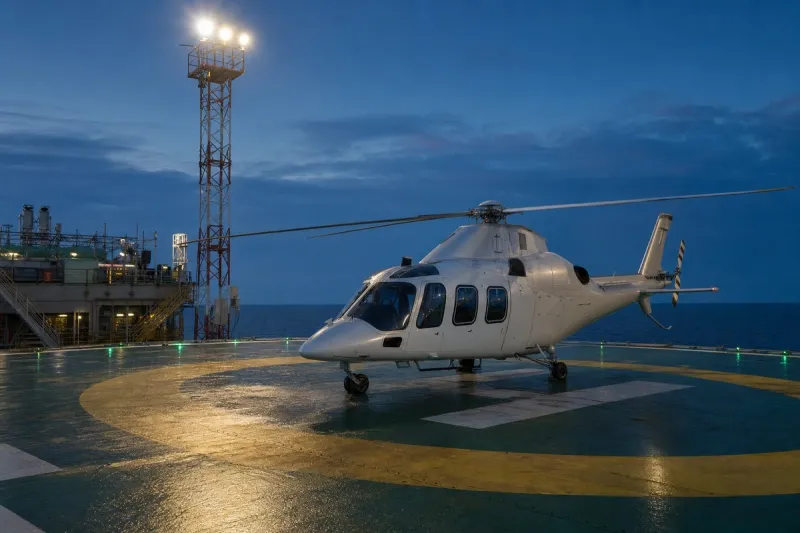
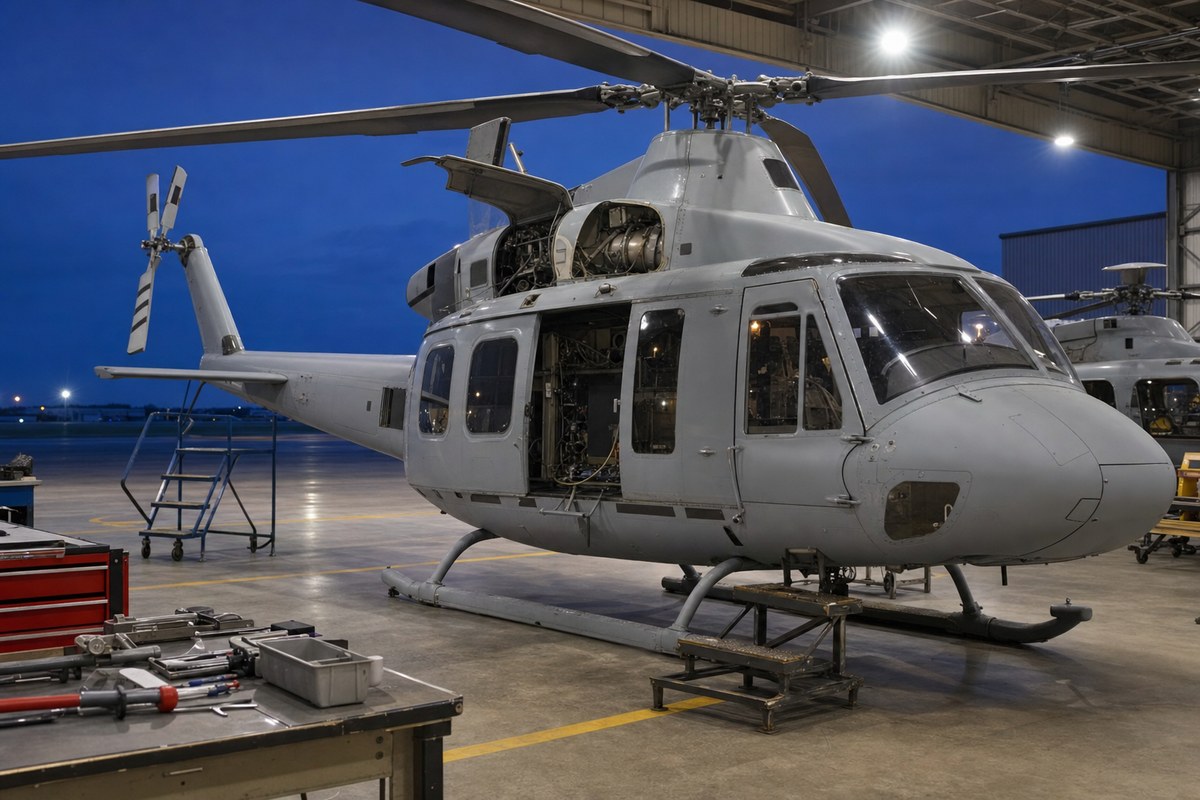
The U.S. State Department approved a potential $800 million foreign military sale of helicopters and associated equipment to Iraq on August 31, 2026, with Bell Textron of Fort Worth, Texas designated as the principal contractor. The sale would supply Bell 412EPX and Bell 407M helicopters intended to enhance Iraq's transport and reconnaissance capabilities.
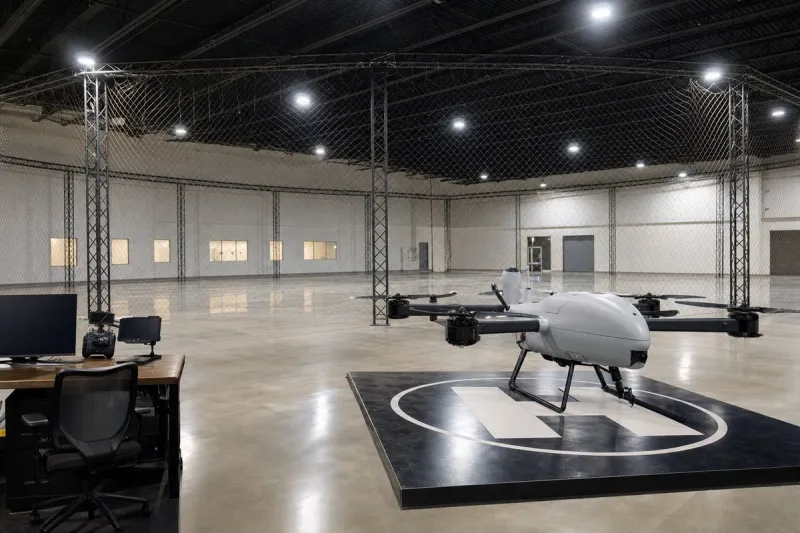
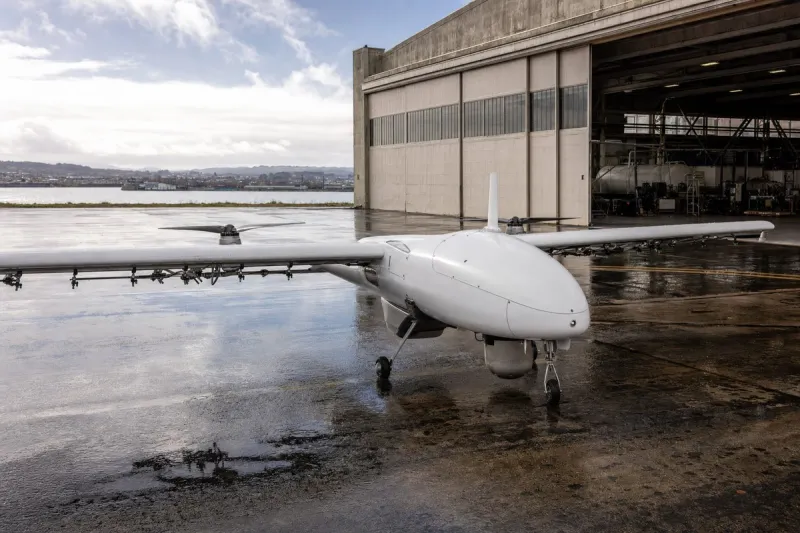
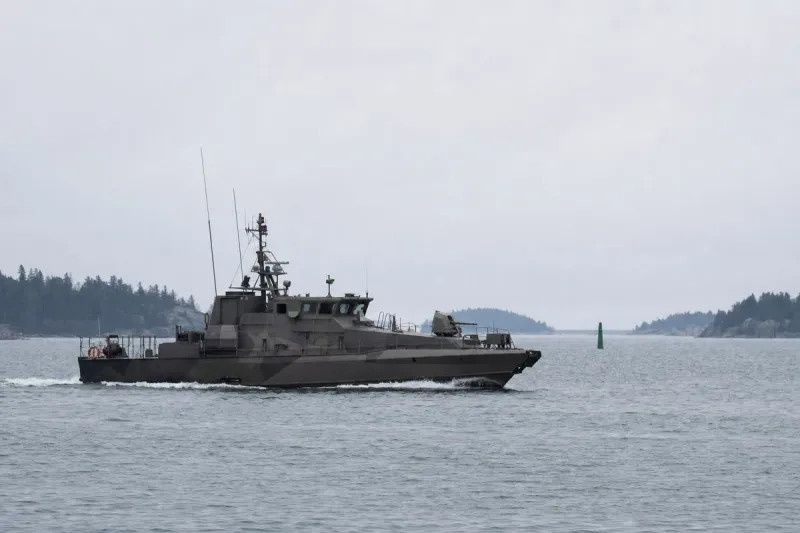
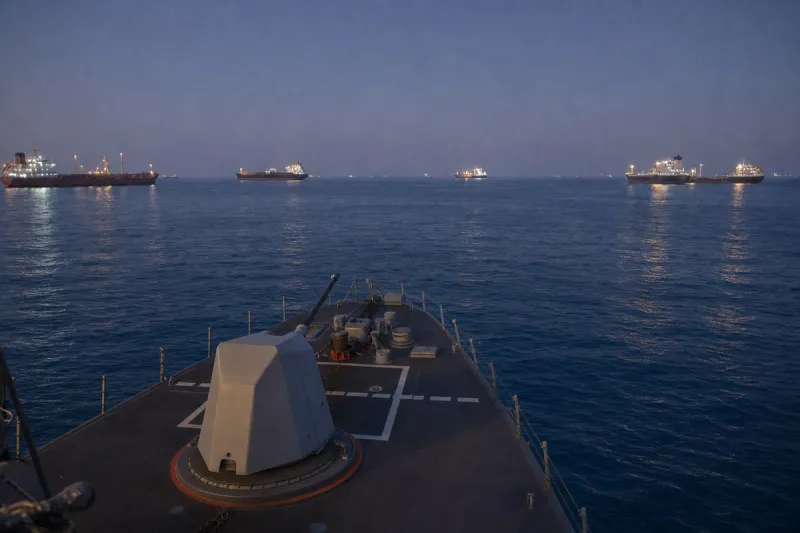
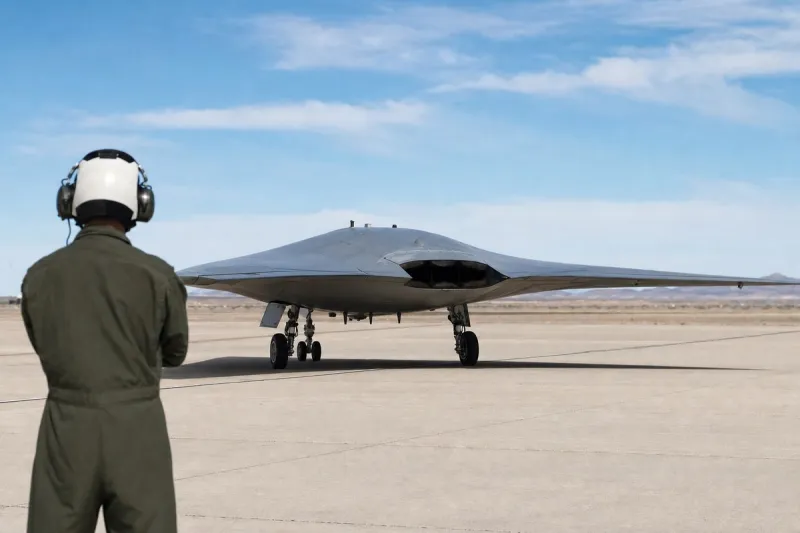
In a separate defense award, Textron Systems secured a $15.5 million contract from the U.S. Navy for unmanned aerial systems support, covering pre-operational and operational support, environmental testing, and training. The contract covers drone deployments on two U.S. Navy vessels at sites outside the United States, with activities scheduled through May 2028.
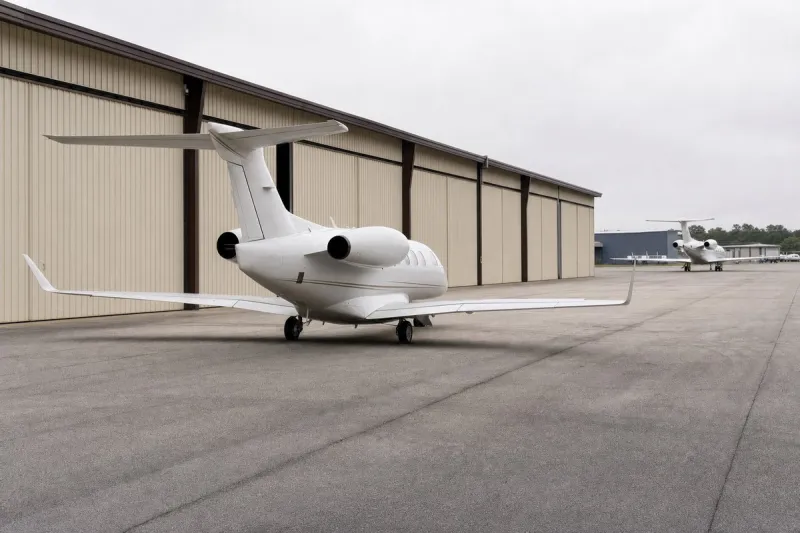
Textron Inc. (NYSE: TXT) shares traded at $80.62 on September 1, 2026, and closed that day at $80.56. Analyst consensus data compiled by MarketScreener placed the average target price at $102.07 per share, implying approximately 21.5 percent upside. The stock was also quoted at 71.12 euros on Xetra. Textron's portfolio spans helicopters, fixed-wing aircraft, unmanned aerial systems, and industrial products, with its Textron Aviation unit producing Cessna Citation business jets and Beechcraft turboprops for civil aviation markets.
Industry impact & what to watch
State Department approval of a foreign military sale is a government clearance step, not a finalized purchase agreement, and cases in this category commonly proceed to negotiation over final terms, delivery schedules and configuration before a contract is signed. For Bell Textron, the $800 million approval for Bell 412EPX and Bell 407M helicopters signals a defined near-term addressable opportunity in Iraq's rotorcraft fleet, layered alongside the smaller but already-contracted $15.5 million Navy unmanned systems support work running through May 2028.
The two awards together illustrate how a diversified aerospace and defense manufacturer spreads exposure across large prospective foreign military sales and smaller recurring sustainment contracts, smoothing revenue timing even as headline figures differ by an order of magnitude. Analyst targets referencing meaningful upside from current trading levels reflect expectations tied to this pipeline, but such consensus figures are forward-looking estimates rather than guaranteed outcomes.
What determines whether the Iraq sale converts to revenue is the subsequent contract negotiation process and Iraq's own procurement timeline, neither of which has been disclosed.