Honeywell International Draws Attention as Oil Price Surge and Geopolitical Tensions Highlight Industrial Diversification
Why It MattersDiversified industrial suppliers with recurring aftermarket revenue tied to installed equipment bases can be less exposed to commodity price swings than firms selling only new equipment.
What happened
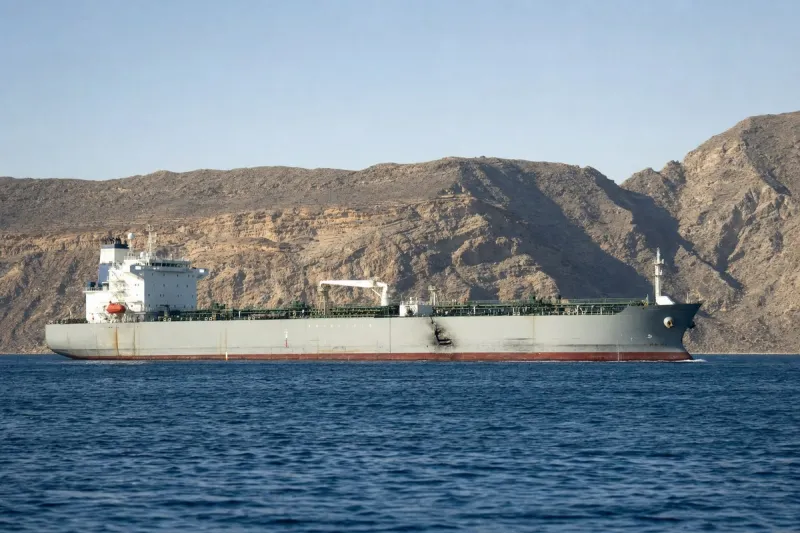
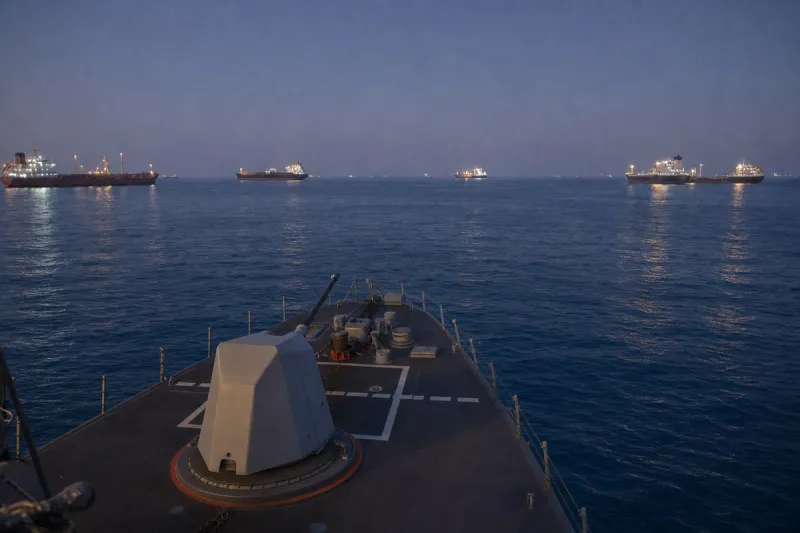
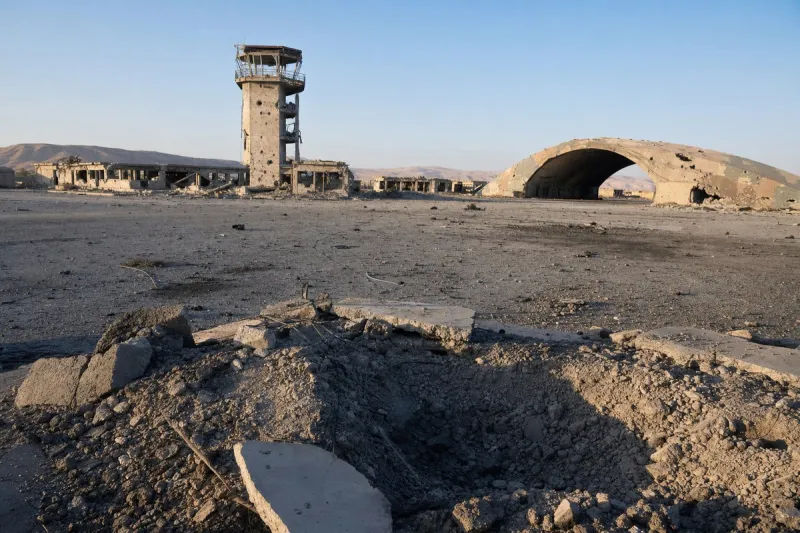
Honeywell International Inc. (NASDAQ: HON) shares were last quoted at $213.53, down $3.90, or 1.79%, as of August 31, 2026, as crude oil prices climbed following a weekend strike near the Strait of Hormuz that intensified geopolitical concerns and pushed energy markets higher.
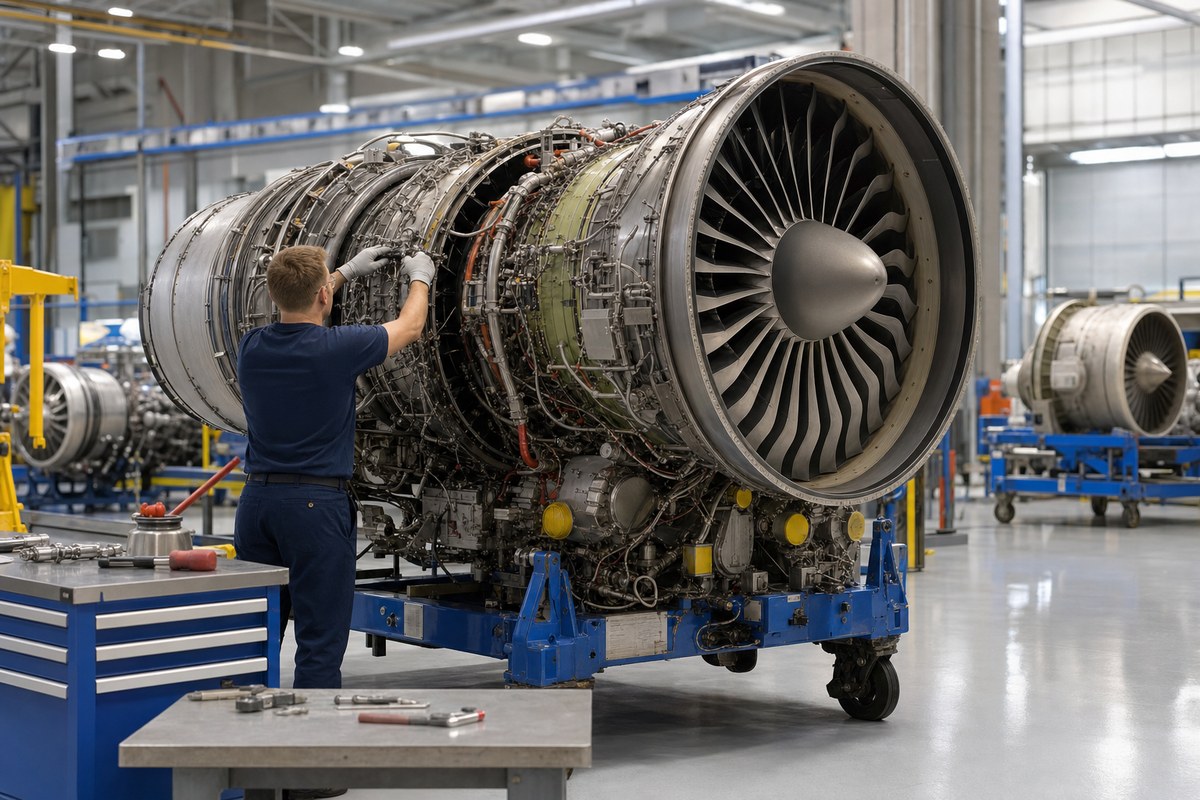
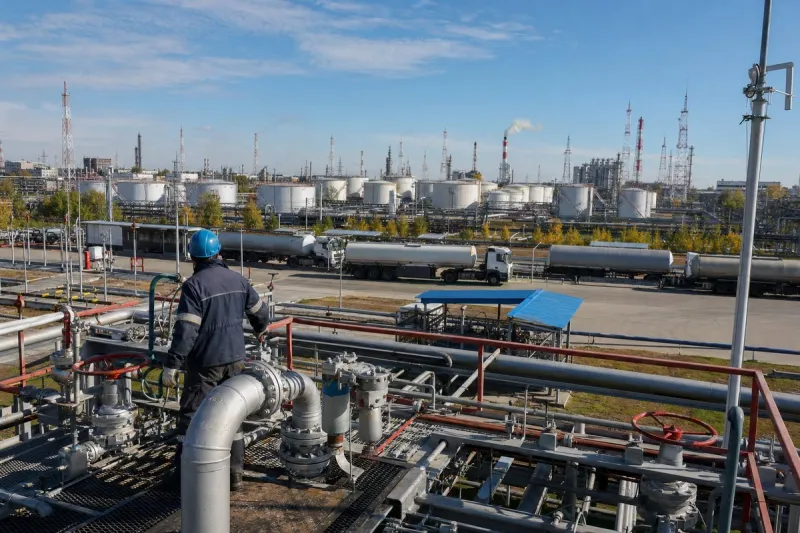
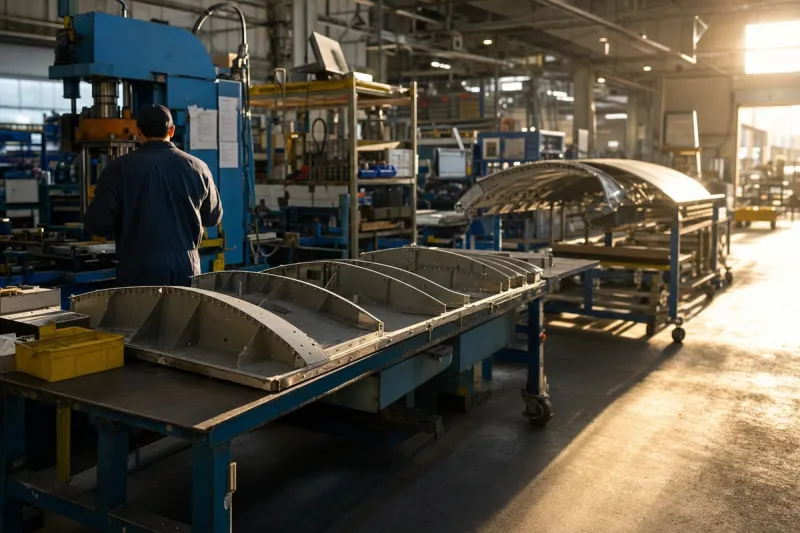
The company's business spans aerospace technology, automation systems, building controls, advanced materials, and energy-related solutions. In aerospace, Honeywell supplies avionics, auxiliary power units, engines, and aircraft components to commercial aviation, business aviation, and defense customers. In automation, it provides control systems, sensors, software, and robotics to factories, warehouses, and industrial facilities, including logistics technology such as automation systems, scanning solutions, and robotics for distribution centers. On the energy side, its technology serves refining, chemicals, and other energy-intensive industries, with a focus on efficiency, reliability, emissions management, and process optimization. Building systems and sustainability technology, including building controls and energy-efficiency solutions, round out the portfolio.
Industry impact & what to watch
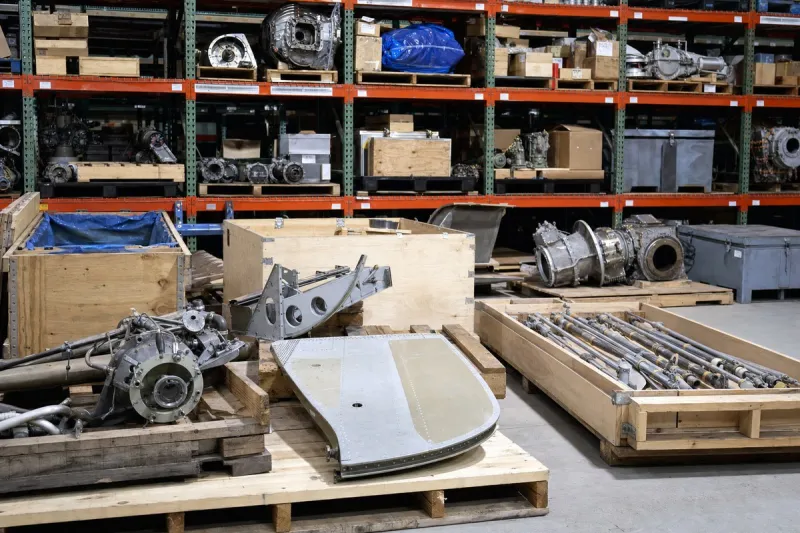
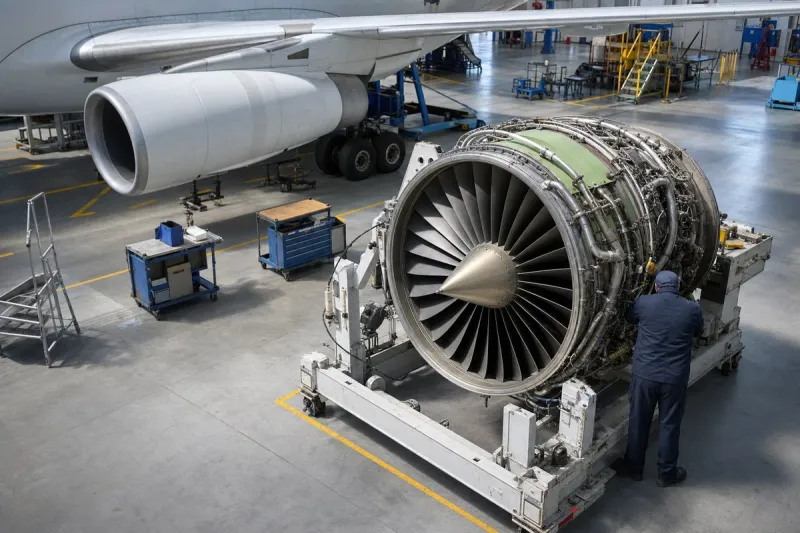
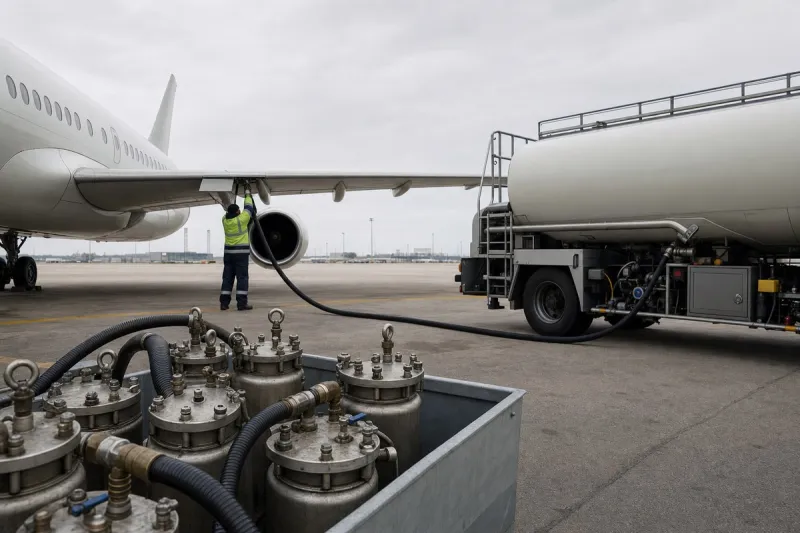
Rising crude prices and elevated long-term Treasury yields tend to prompt investors to reassess exposure across sectors tied to energy costs and industrial spending cycles, which is why a diversified supplier like Honeywell draws attention during such moves. In aerospace, higher fuel costs sharpen airline focus on fleet efficiency, reinforcing demand for systems that improve performance and reduce operating requirements, while the long service lives of aircraft support a recurring aftermarket business in maintenance, replacement components, and upgrades.
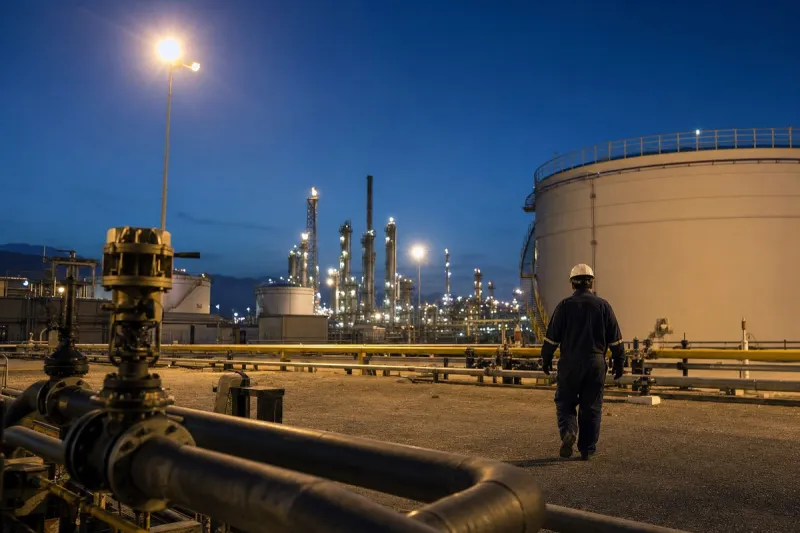
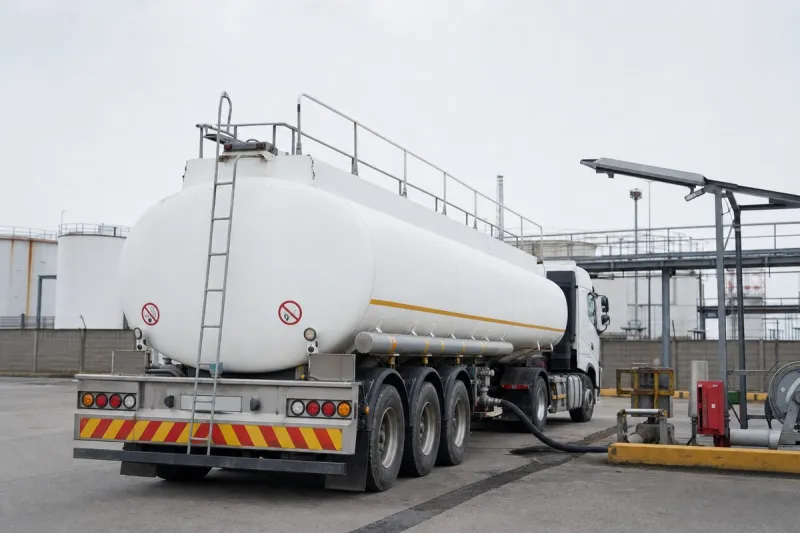
Honeywell's energy-side business is tied to industrial infrastructure surrounding energy production and processing rather than commodity prices directly, which means modernization spending in refining and chemicals can continue across varying market conditions rather than tracking oil price swings closely. Its installed base across industrial equipment, aircraft components, and building technology generates ongoing aftermarket service demand that analysts note can provide a steadier revenue stream than new equipment sales alone.
What happens next in the Strait of Hormuz situation, and whether crude prices hold their gains, will shape how investors weigh Honeywell's aerospace aftermarket demand against its energy-infrastructure exposure in the near term.