Germany Holds Russia Responsible for Leipzig/Halle Airport Drone Attack, Announces Retaliatory Measures
Why It MattersThe incident underscores growing security risk to logistics hubs handling military and Ukrainian cargo transport, likely tightening screening and airspace security at similarly exposed European airports.
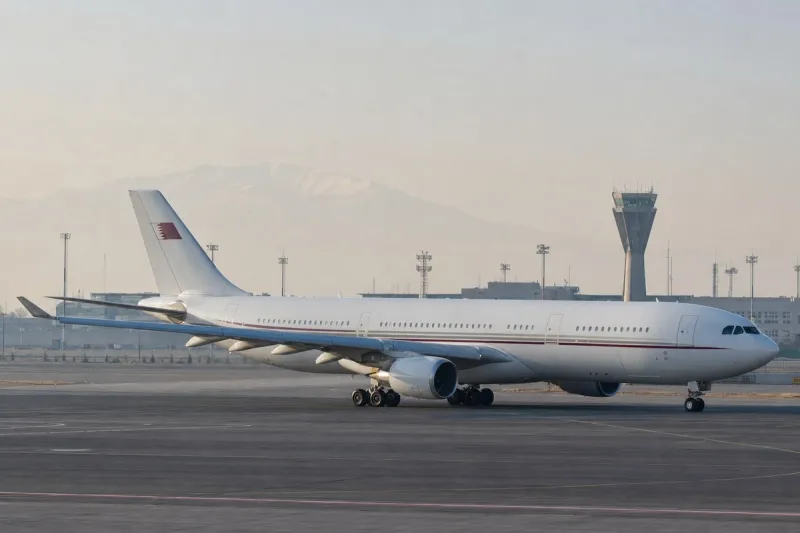
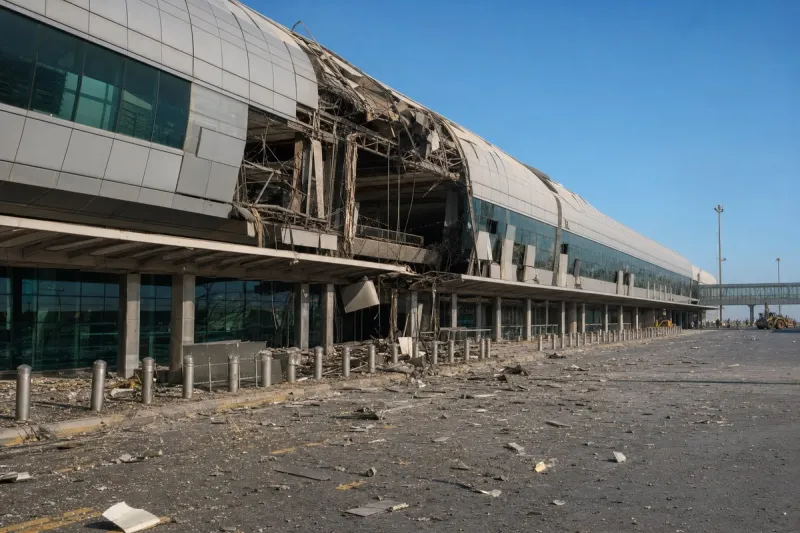
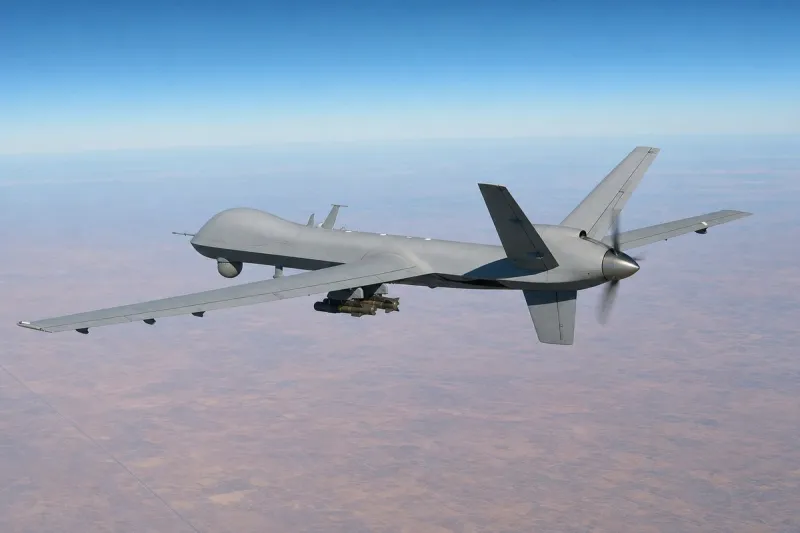
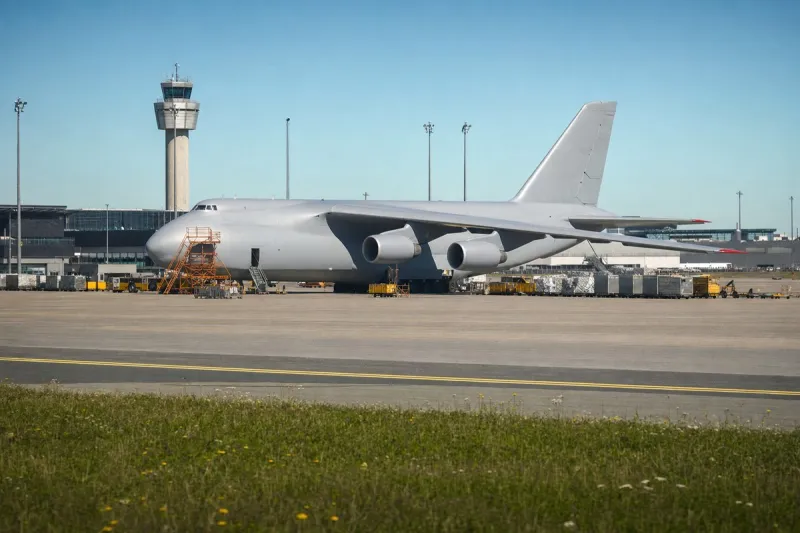
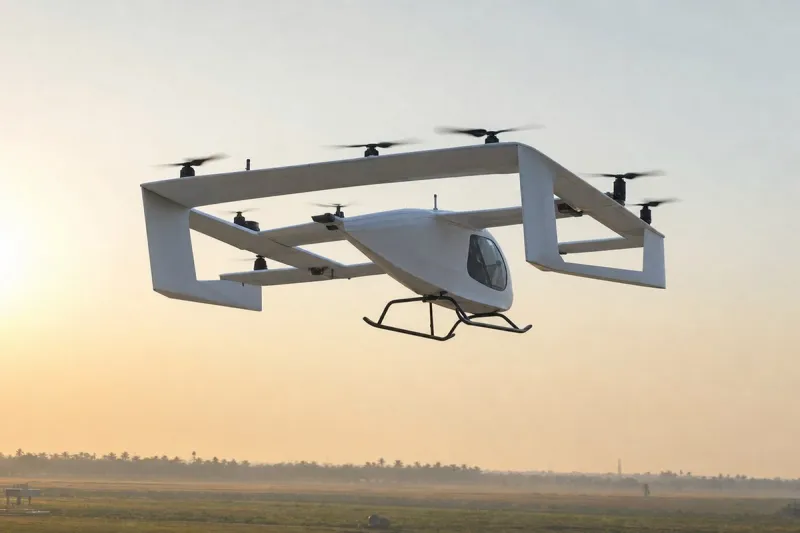
Germany has officially concluded that Russia is responsible for a hybrid attack at Leipzig/Halle Airport on August 4, Interior Minister Alexander Dobrindt announced, citing police investigations, intelligence findings, and the technology used in the drone involved. The drone, which was carrying explosives, was discovered near a Ukrainian cargo aircraft at the airport. Dobrindt said the drone's components, explosives, and ignition systems were consistent with those seen in other Russian hybrid operations and in Moscow's war against Ukraine. Police used a robot to defuse the device. A second drone with traces of explosives was found near the airport weeks later.
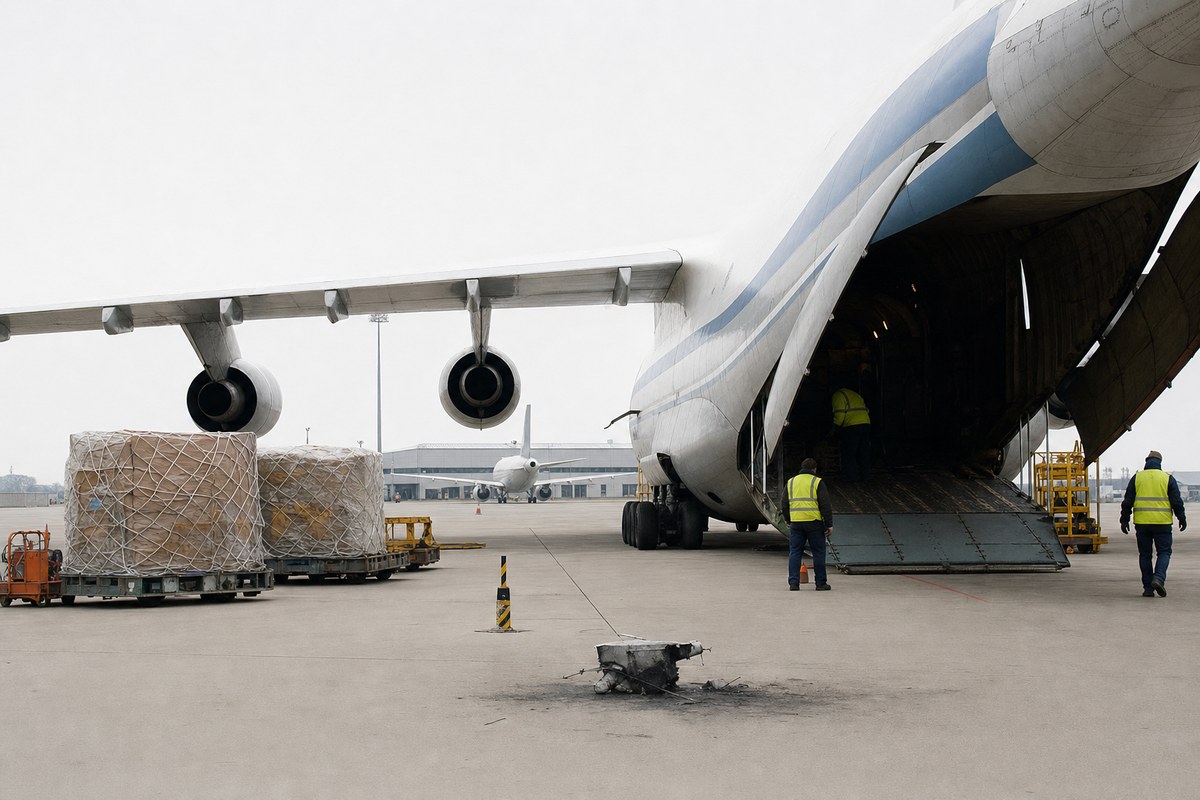
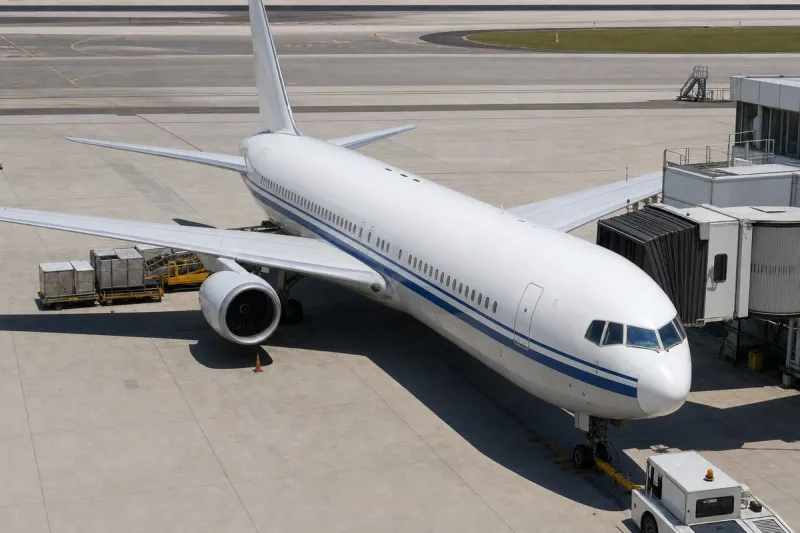
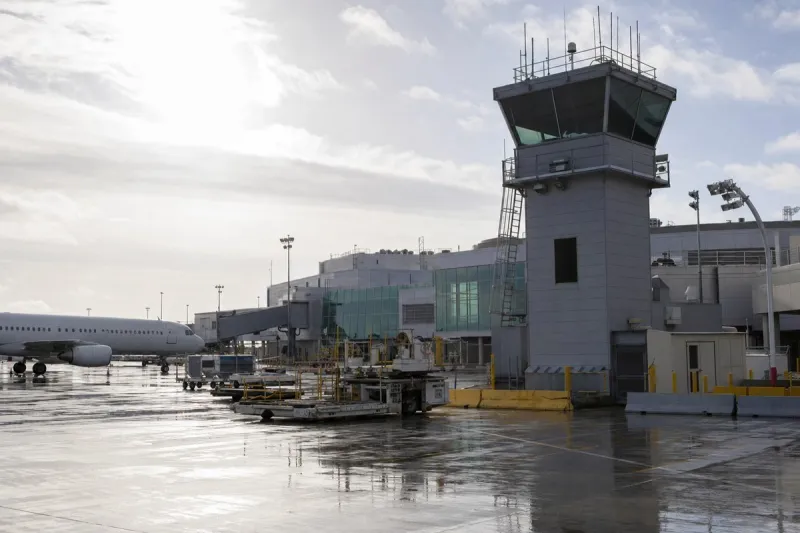
Leipzig/Halle Airport is a major logistics hub used for military transport by Germany and NATO allies and serves as a base for Ukraine's Antonov Airlines.
In response, Germany announced measures targeting Russia's diplomatic and influence networks. Foreign Minister Johann Wadephul said Berlin would close Russia's consulate in Bonn later this month and terminate the agreement covering the Russian House cultural center in Berlin, which German security officials have long suspected of serving as a platform for Kremlin propaganda and intelligence activity. Germany will also tighten entry controls for Russian nationals and seek additional EU sanctions against Russian individuals. Russia's ambassador in Berlin was summoned. Wadephul said Germany was also increasing pressure on Russia's so-called shadow fleet — vessels used to circumvent Western sanctions imposed over Moscow's full-scale invasion of Ukraine.
The EU expressed full solidarity with Germany. NATO Secretary General Mark Rutte said the alliance would continue strengthening its ability to deter and defend all allies against any threat. France, Britain, Poland, Spain, and Sweden voiced support for Berlin. Sweden also summoned Russia's ambassador, with Prime Minister Ulf Kristersson citing Stockholm's solidarity with both Germany and Ukraine. Russian President Vladimir Putin called Germany's measures "another mistake, a serious one." Chancellor Friedrich Merz said last week that Germany had found itself "in the crosshairs of hybrid attackers" and warned those responsible would "pay for them."