Dubai Airports CEO Paul Griffiths: Passenger Numbers Fell 31.3% in First Half of 2026 Amid Missile Attacks, Recovery Now Under Way
Why It MattersThe episode shows how a major hub can improvise fuelling and routing workarounds to keep flights moving through a security shock while treating capacity recovery and long-term expansion as separate tracks.
What happened
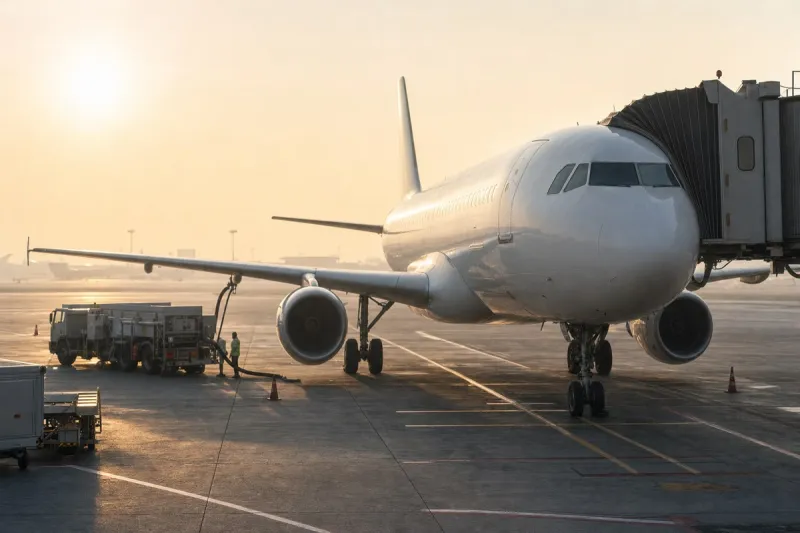
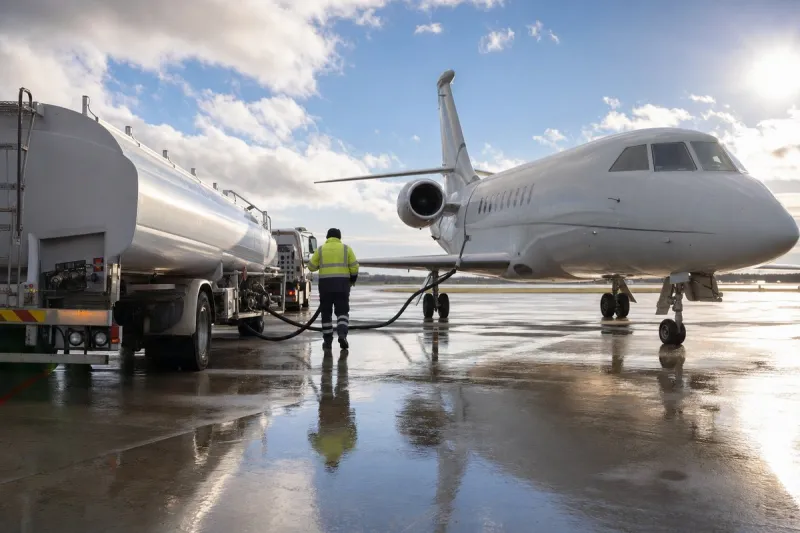
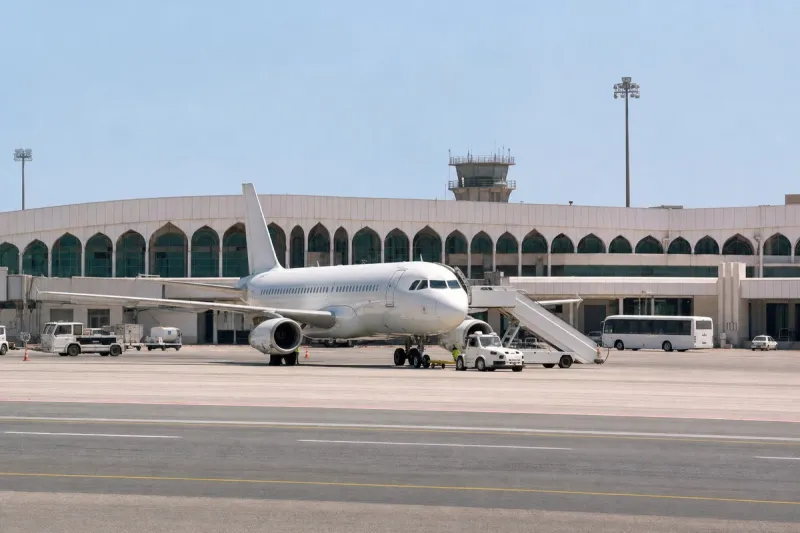
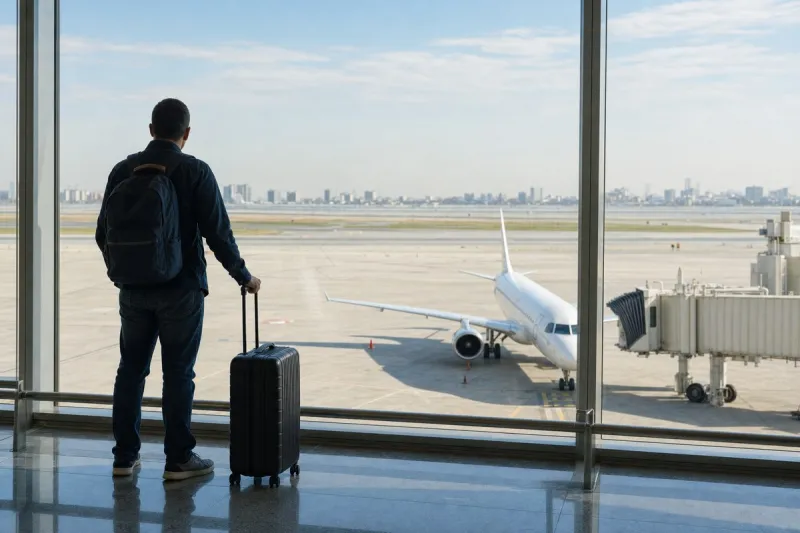
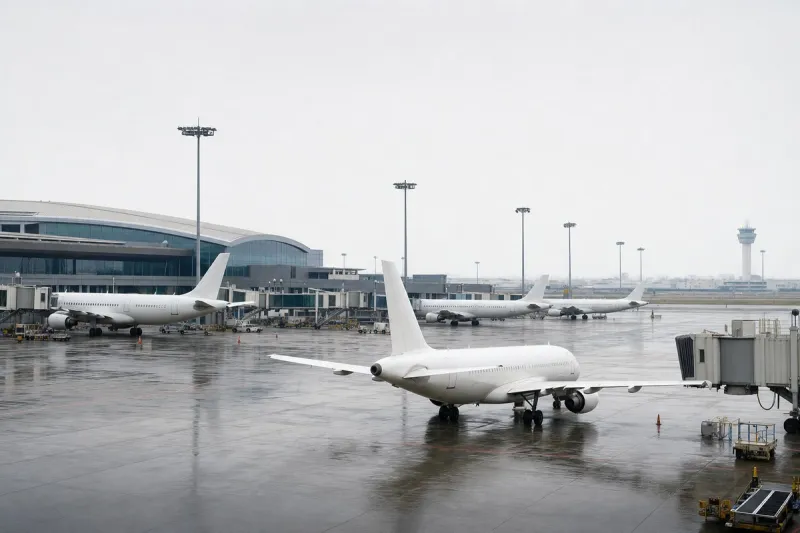
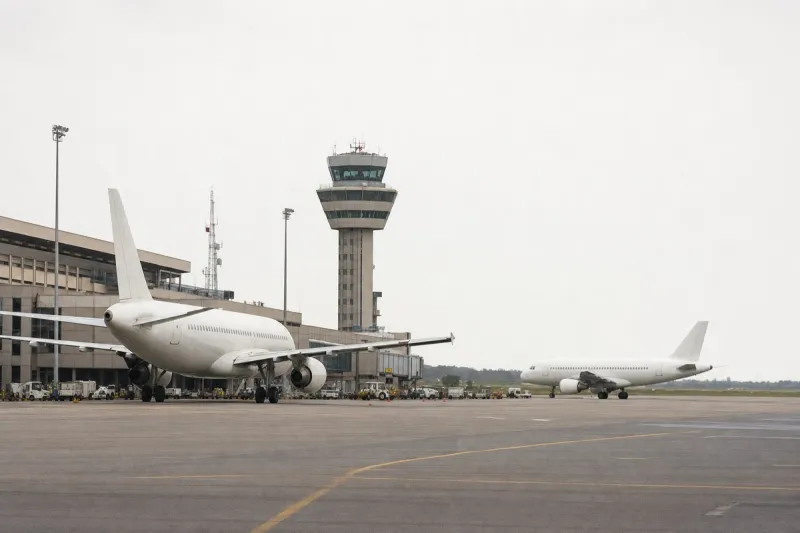
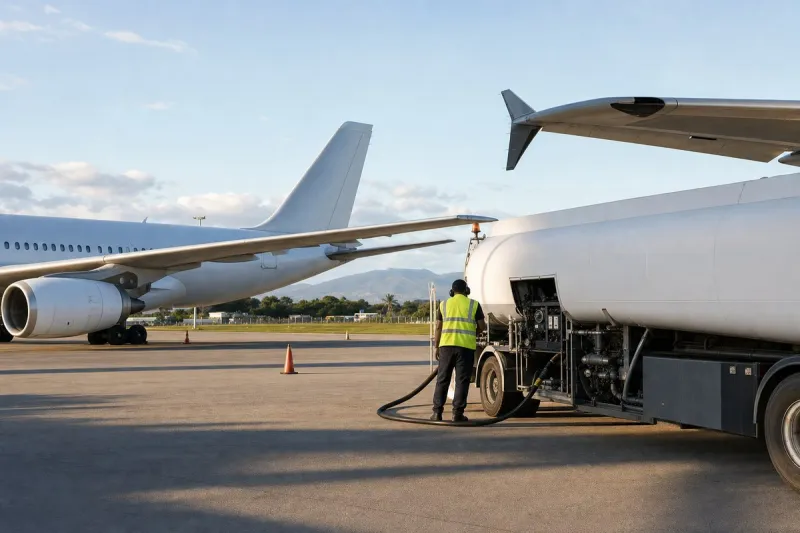
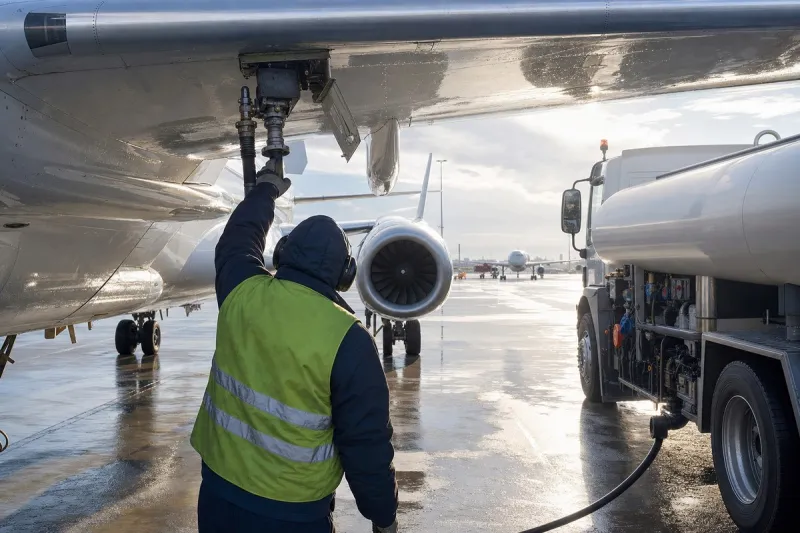
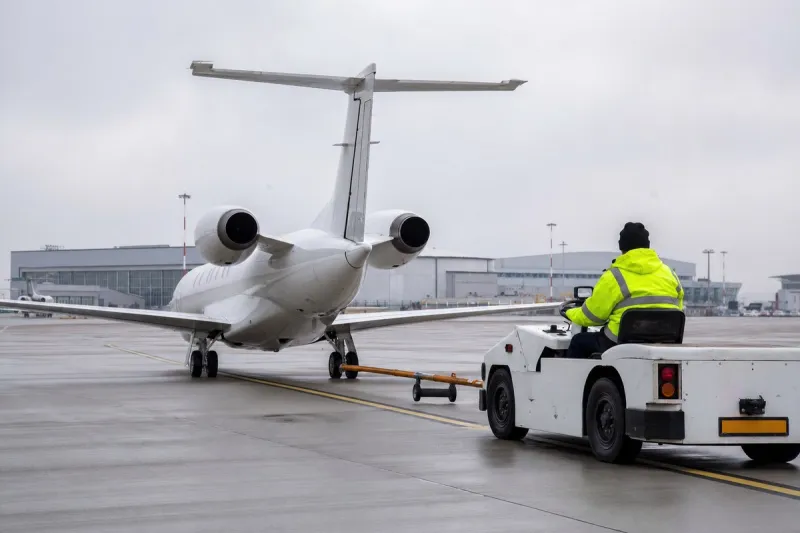
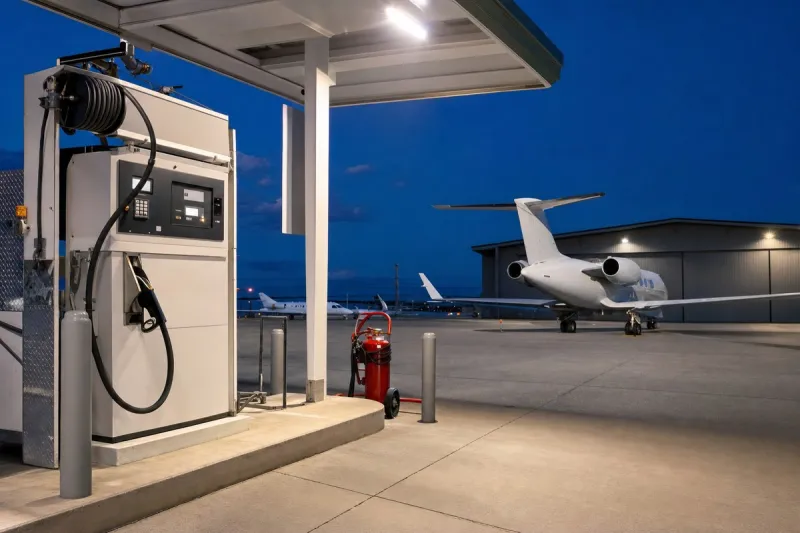
Dubai International Airport recorded 31.5 million passengers in the first half of 2026, a 31.3 per cent drop from the same period in 2025, Dubai Airports CEO Paul Griffiths said in an interview. He attributed the decline to missile and drone strikes on the UAE in April 2026, which grounded flights and prompted government travel warnings. Griffiths said his team received 111 ballistic-activity alerts during the crisis, and when fuelling became impossible they devised a workaround he called "splash and dash": aircraft departed Dubai International Airport (DXB), landed at Dubai World Central (DWC) to refuel, then continued their journeys.
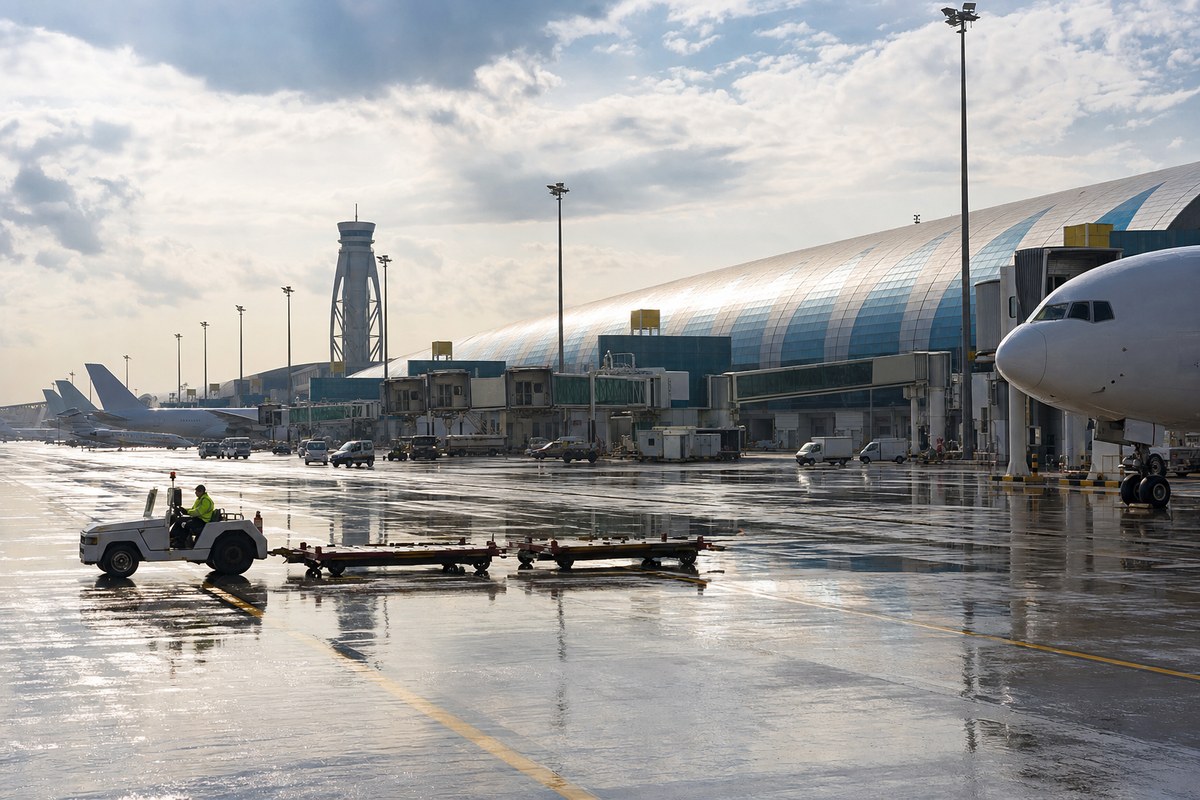
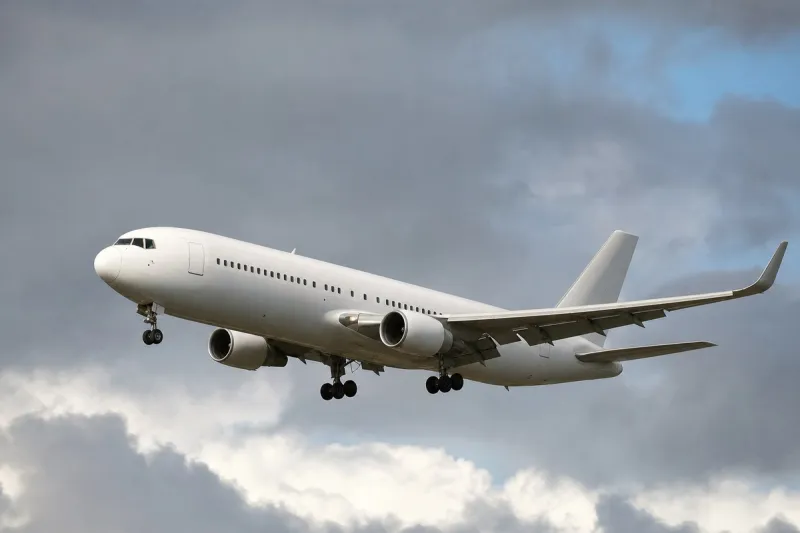
The airport had opened 2026 with its busiest-ever month, handling 8.7 million passengers. During March and April it still processed six million passengers on 32,000 flights. Monthly traffic fell to 3.5 million in April before recovering to five million in June, with overall traffic now running at approximately 80 per cent of 2025 levels. Emirates and Flydubai have recovered to around 90 per cent of their 2025 capacity, and Griffiths said he expects the airport to return to 100 per cent of normal operations by the end of 2026.
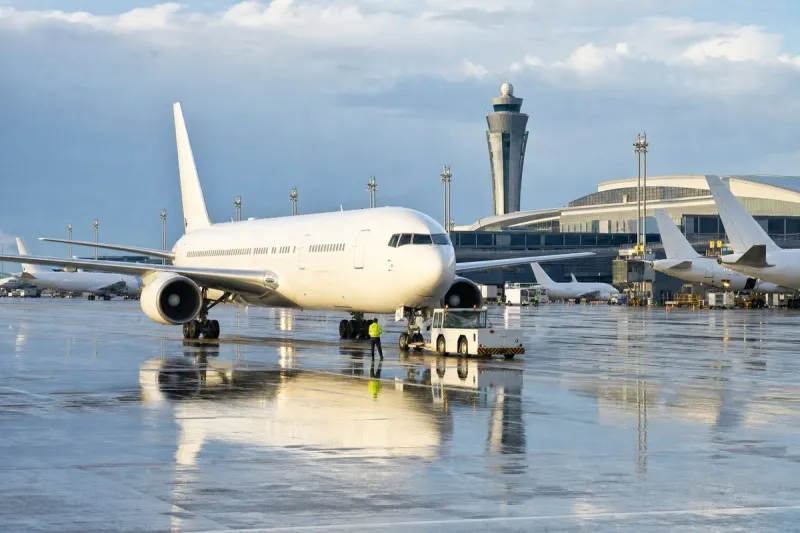
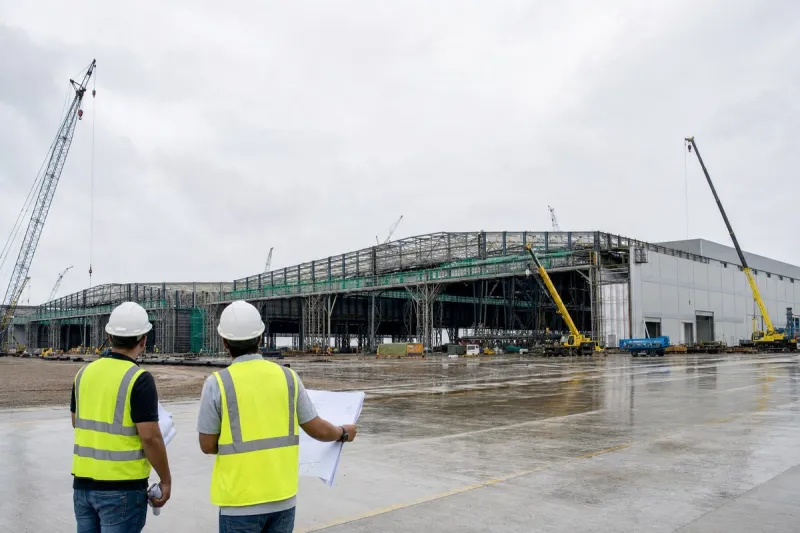
Dubai Airports currently serves 56 airlines connecting 236 airports in 100 countries. Griffiths said load factors on resumed services are "incredibly high," though some European carriers have not yet returned, partly because some governments have not withdrawn their travel advisories against visiting the UAE. He noted that Air France has resumed services and immediately achieved strong load factors. On the long-term expansion of Dubai World Central into the world's largest airport, Griffiths said the 2032 construction timeline remains unchanged, with 17,000 concrete piles driven and 45 million cubic metres of earth moved, describing the conflict's effect as a "short-term hiccup."
Industry impact & what to watch
A hub airport's exposure to a security shock plays out on two separate clocks: an operational one, measured in weeks, and a strategic one, measured in years. Griffiths' account shows Dubai treating the two independently — improvising fuel logistics between DXB and DWC to keep aircraft moving during the acute phase, while leaving the 2032 build-out of Dubai World Central untouched by the same event.
Recovery speed in this segment tends to track carrier-by-carrier decisions rather than airport capacity alone: Emirates and Flydubai returning to around 90 per cent of prior capacity while some European carriers stay grounded shows that government travel advisories, not runway or terminal readiness, can be the binding constraint on how fast passenger numbers climb back toward the pre-crisis run rate.
The next signals worth tracking are whether the remaining European travel advisories lift, whether monthly traffic keeps closing the gap toward the 100 per cent target Griffiths set for year-end, and whether the pace of pile-driving and earthworks at Dubai World Central holds through to 2032 as claimed.