Maldives Used as Transit Hub to Move Hundreds of Millions in Restricted Goods to Russia, WSJ Investigation Finds
Why It MattersThe findings highlight how transit hubs with limited customs scrutiny can be exploited to circumvent export restrictions, adding pressure on smaller aviation and logistics jurisdictions to tighten oversight.
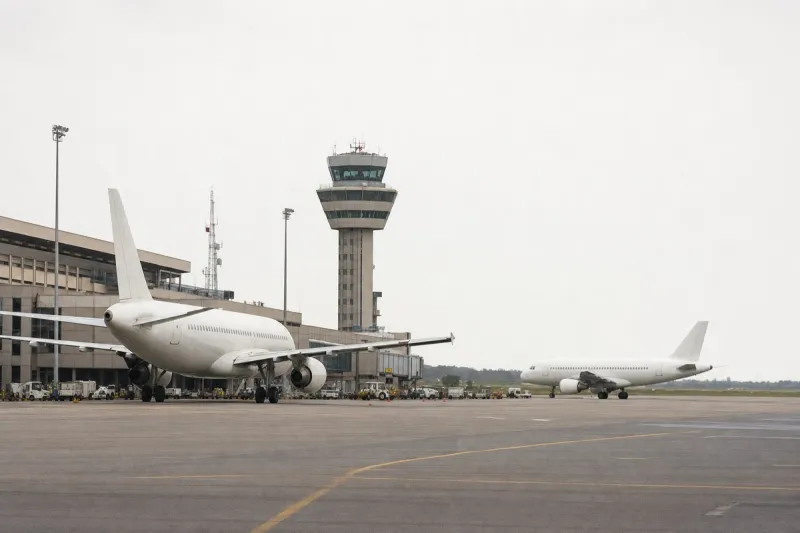
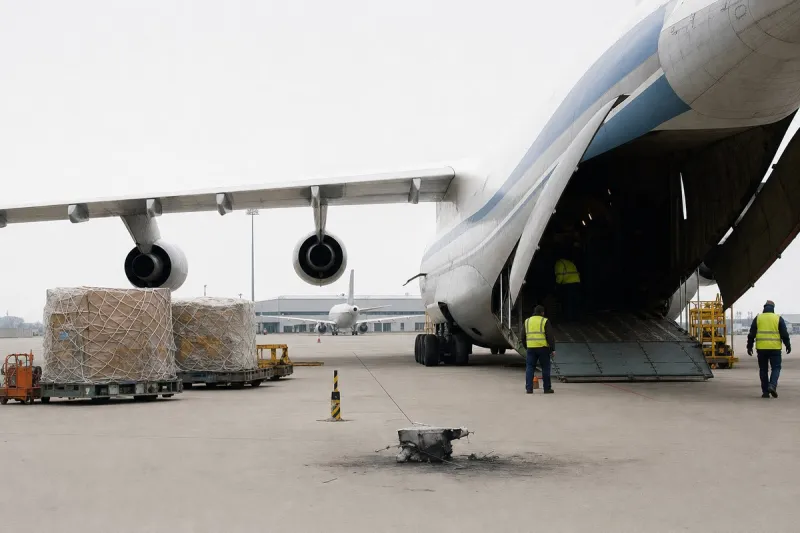
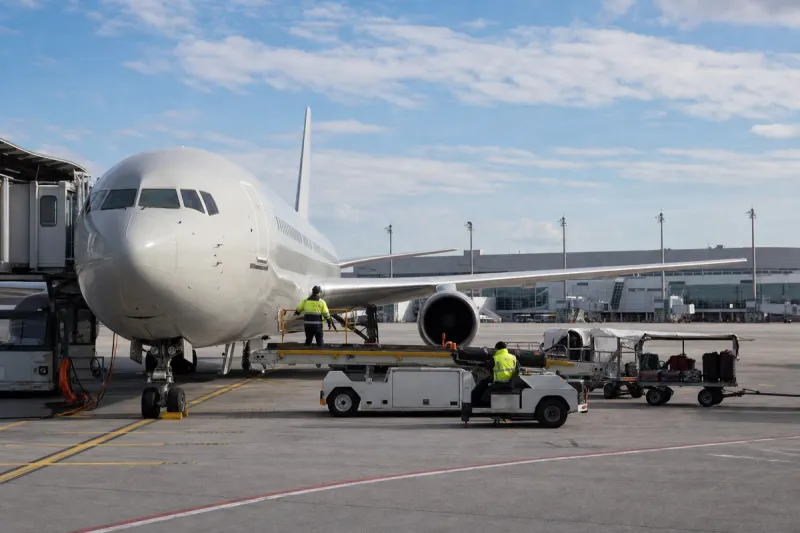
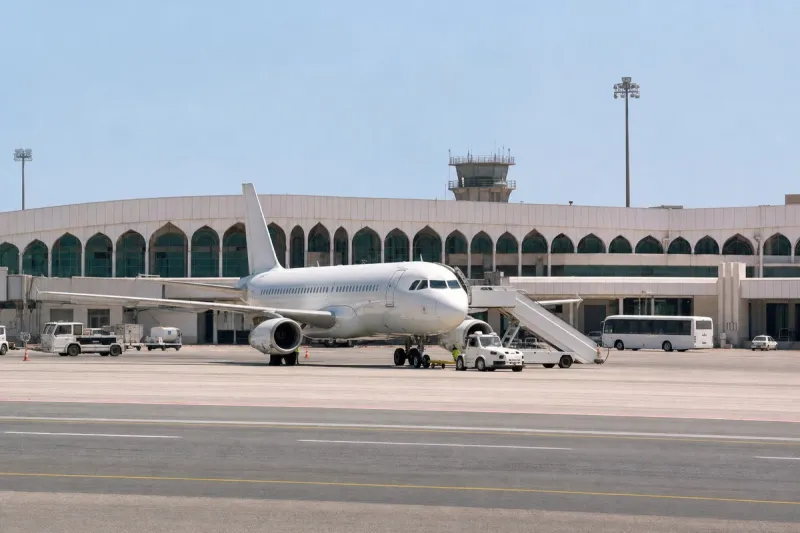
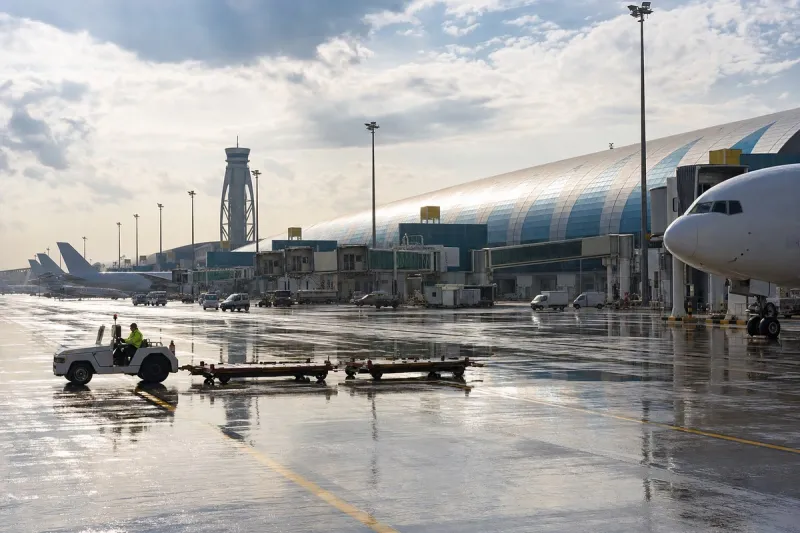
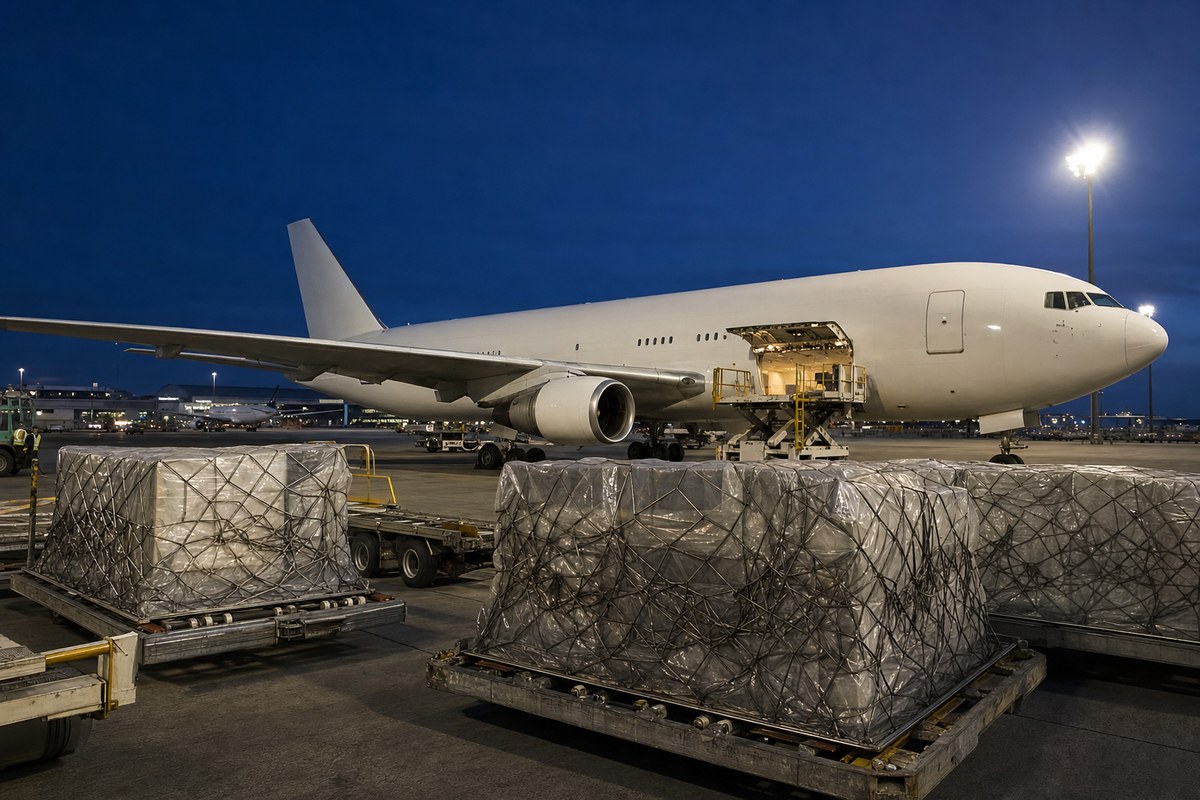
Russia-linked logistics networks have used the Maldives as a transit route to ship hundreds of millions of dollars in restricted goods to Moscow, based on documents, cargo records and interviews with Western officials. Goods originating from suppliers in the United States, Europe and China are flown by commercial aircraft to Malé's Velana International Airport, where they remain in the transit area without being formally imported into the Maldives. Local companies, including Freight Care and Go Investment, help arrange the transfer of cargo onto daily Aeroflot flights from Malé to Moscow's Sheremetyevo International Airport, with a new air waybill issued for the onward flight that omits the original exporter and lists only a Russian recipient.
Freight Care managing director Hussain Waheed confirmed that the company handled goods transiting through Malé to Russia, but denied knowingly helping transport items that could be used to make weapons, saying, "We do not support any war." An address listed for Go Investment led to a small electronics shop registered to several other businesses, and the individual identified as managing director declined to comment.
Restricted goods shipped through the route include microchips, optical instruments, high-strength aerospace bolts and rivets, and aircraft components. In one documented example, equipment sold by a German company to a buyer in Kyrgyzstan was sent from Düsseldorf to Malé in May 2024, then placed on an Aeroflot flight to Moscow with the original German supplier omitted from the second shipping document.
Import data from US-based research company Import Genius showed Russian imports from the Maldives rose from less than $7 million in 2021 to more than $630 million in 2022, the year Russia launched its full-scale invasion of Ukraine, before falling to $160 million in 2024. Import Genius research director William George said the figures likely understate the true volume because Russian authorities began censoring parts of the data in 2024 and blocked access to import data entirely in early 2025. Pavlo Shkurenko, a sanctions researcher at the Kyiv School of Economics Institute, said, "This shows there are effective channels that exist far outside of the usual suspects." The trade flow remains modest compared with an estimated $15 billion in annual restricted Russian imports passing through larger channels including China, Turkey and the United Arab Emirates. Western officials said the US and EU have increased pressure on Maldivian authorities to close the route, while the Maldivian government and Maldives Airports Company did not respond to requests for comment.