Israel and Turkey Contest Syrian Airspace as Damascus Loses Sovereign Control
Why It MattersContested Syrian airspace between Israel and Turkey leaves overflight and airbase activity there subject to recurring military strikes rather than stable civil or state aviation control.
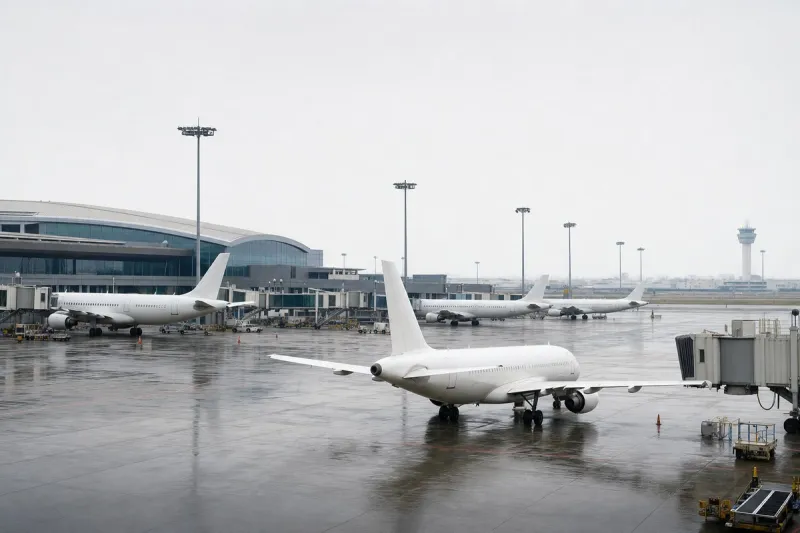
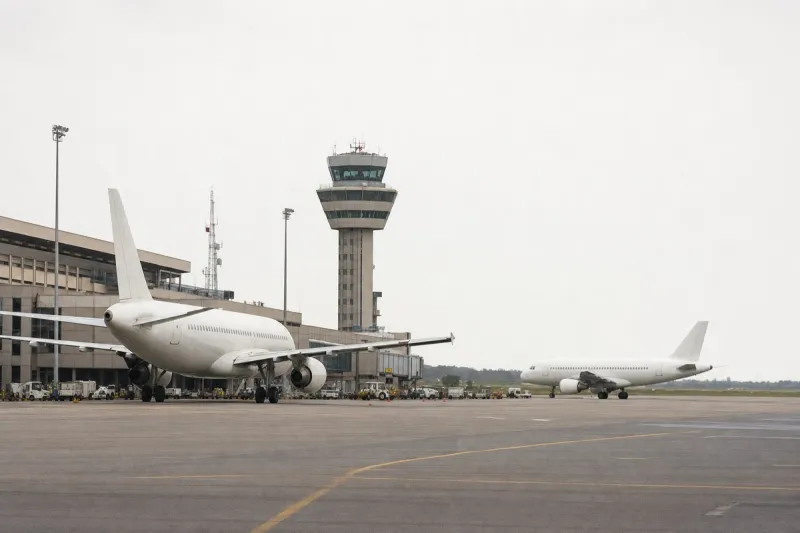
Syrian airspace has become an arena of competing influence between Israel and Turkey, with Damascus unable to assert meaningful sovereignty over its own skies following the collapse of the Assad regime in December 2024. On 18 August, Israeli fighter jets struck Abu al-Duhur Air Base in northwestern Syria eight times, with Israel saying it was pre-empting a Turkish military deployment at the site. Syrian Foreign Minister Asaad Al-Shaibani confirmed Turkish military officers had visited the base days before the strike, while Turkey denied any delegation was present before or during the attack and called Israel's action "unacceptable" and a "reckless" threat to regional peace. The strike caused damage but no casualties.
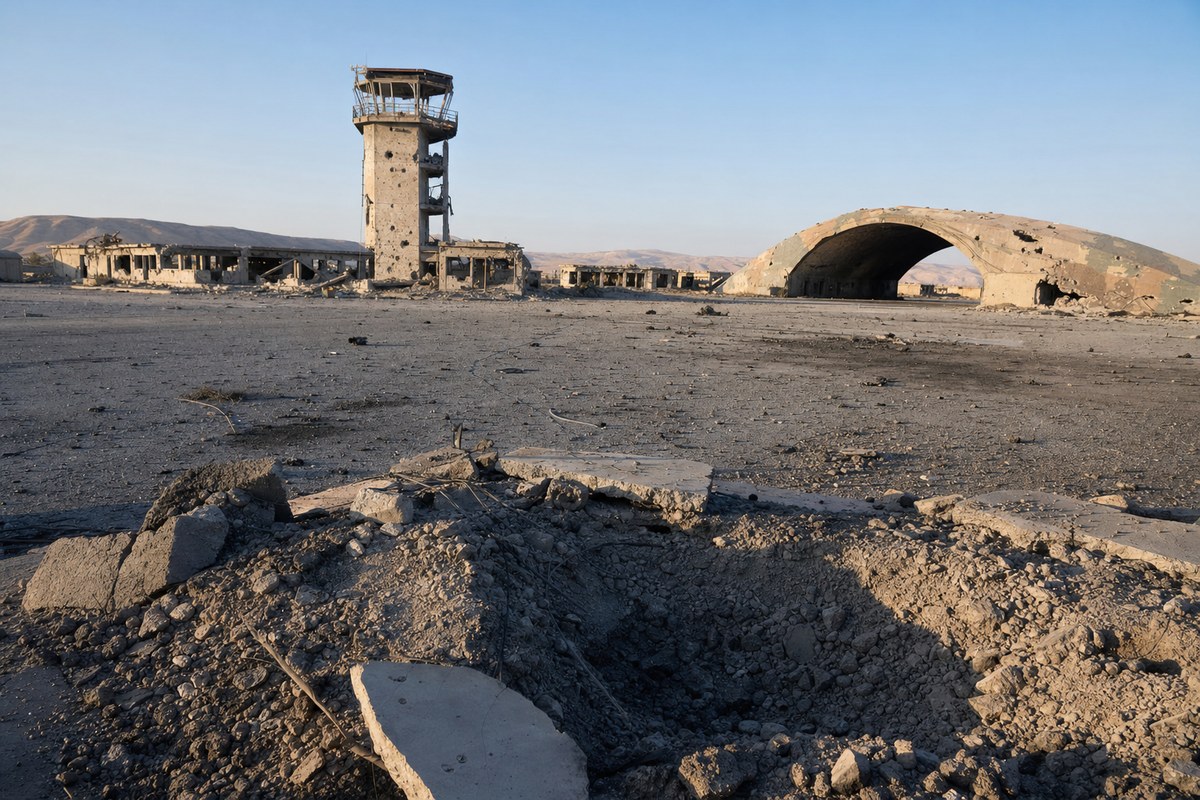
Israel had previously bombed three airbases in central Syria in April 2025, shortly after Turkey scoped them for a potential troop deployment, with both episodes illustrating how Syria's airspace is being shaped by its two militarily capable neighbours rather than by the Syrian government. US Special Envoy for Syria Tom Barrack described the 18 August strikes as "unnecessary escalation" and said Washington is working on a deconfliction mechanism between Israel, Turkey and Syria similar to the arrangement Russia established with Israel after intervening in Syria's civil war in September 2015. ACLED data shows a decline in Israeli airstrikes in Syria since August 2025, which analysts attribute to a narrowing operational window.
Muaz Al Abdullah of the Armed Conflict Location & Event Data project said Israel appears to be shifting toward ground incursions and reserving airstrikes for moments when other measures are insufficient, citing strikes against Abu al-Duhur, T4, Tadmor and Hama airbases, and noted the Trump administration has signalled an effort to broaden the Abraham Accords to include Syria while reducing the scope of regional conflicts involving Israel. Kristin Ronzi of RANE said an existing Turkish-Israeli deconfliction mechanism has helped mitigate miscalculation risk, with Turkey holding influence over Syrian airspace in the north and Israel in the south, and said the Trump administration will likely pressure Israel to restrict strikes against targets that do not pose a direct national security threat. Suleyman Ozeren of American University said Turkey does not currently appear capable of deterring Israel's operations inside Syria, and that the Abu al-Duhur strike, close to the Turkish-Syrian border, sent a message to both Ankara and the government of Syrian President Ahmed al-Sharaa.
Israeli post-Assad strikes destroyed most of Syria's remaining Russian-built air defences and advanced aircraft, including Soviet-era MiG-29 fighter jets. Syria retains some flyable aircraft, including Czech-built L-39 light attack jets — two of which performed a flyby at a July graduation ceremony for air force cadets — and Soviet-era Su-22s, two of which were spotted over Idlib in August. Israel opposes any reconstitution of a Syrian air force or meaningful air defence capability, and analysts say efforts to enhance Syrian air defence systems would likely trigger pre-emptive strikes.