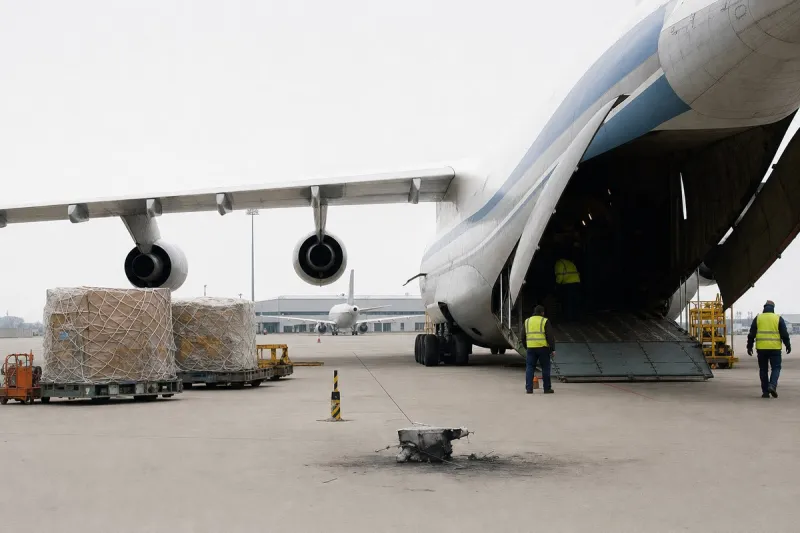
South Africa secures additional Jet A-1 imports to cover Natref refinery outage through October 4
Why It MattersThe episode shows how concentrated a major hub's fuel supply can be on a single refinery, making coastal import capacity and storage buffers the real safety margin during disruptions.
What happened
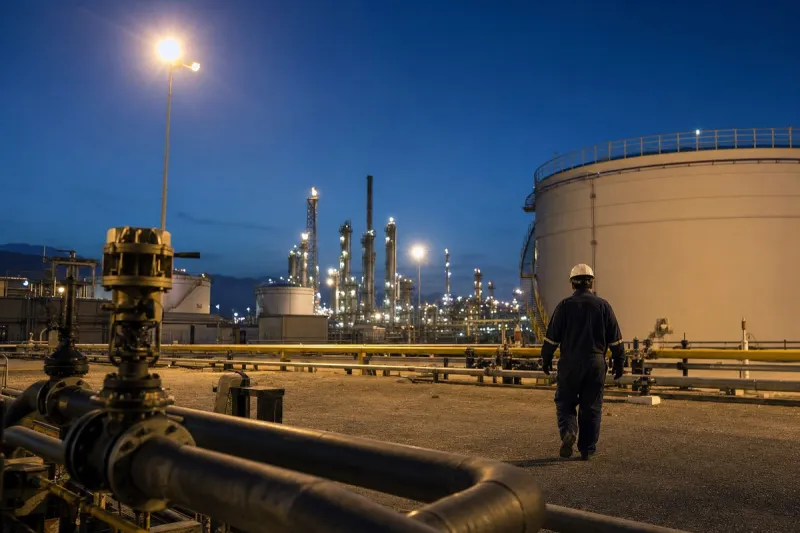
South Africa's fuel industry has secured additional Jet A-1 imports and is coordinating pipeline and rail logistics to maintain jet fuel supplies during an outage at the Natref refinery, expected to run from around September 6 to October 4. Fuel Industry Association of South Africa (FIASA) Head of Communications Phila Mzamo confirmed that replacement imports have been arranged to supplement the anticipated shortfall, though the precise volume is still being refined as supply plans and demand forecasts are updated. "There are currently no fuel shortages in the market," she said.
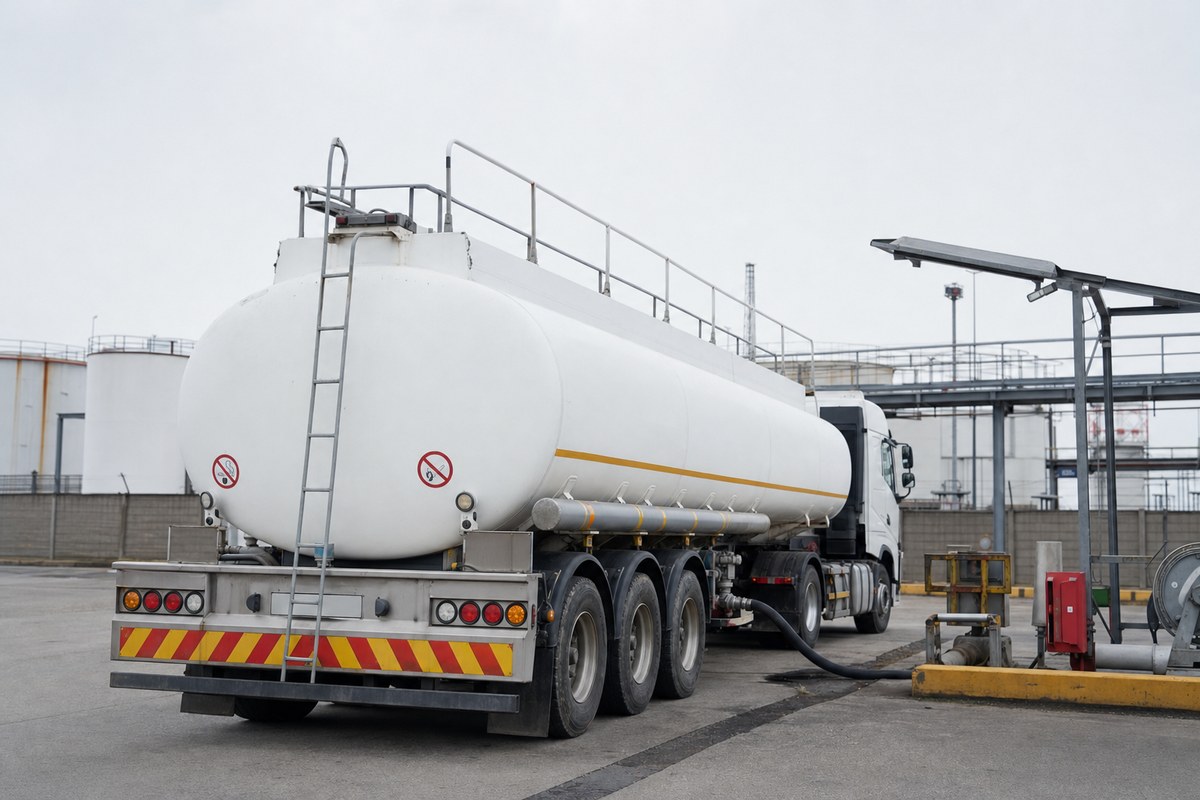
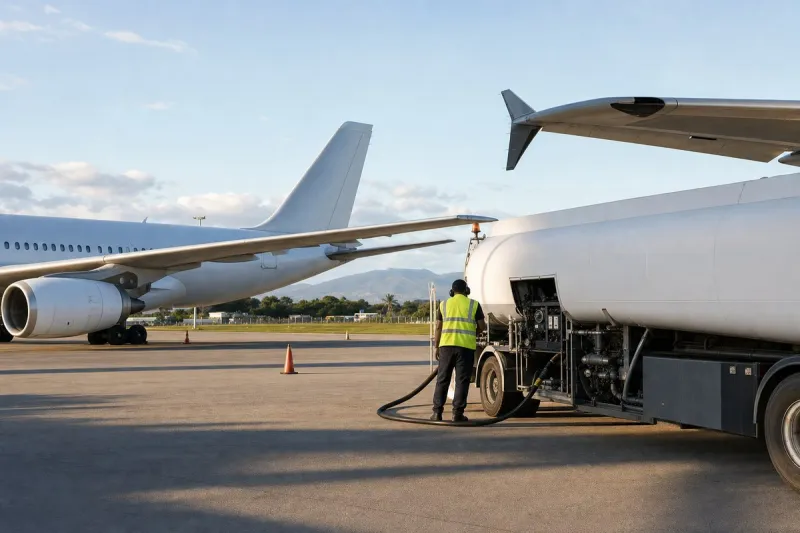
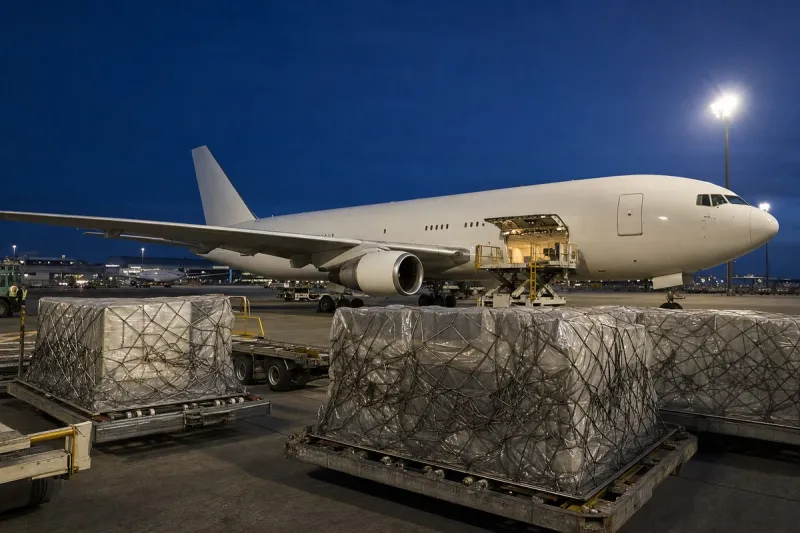
The outage is particularly significant for OR Tambo International Airport (ORTIA), which normally relies on Natref for between 70% and 80% of its jet fuel requirements, according to Airports Company South Africa (ACSA). ACSA said the airport currently holds approximately five to six days of jet fuel cover and consumes an average of about 3,850 cubic metres per day. The industry is targeting a minimum of five days' jet fuel cover at ORTIA throughout the outage period.
ACSA's contingency plan includes increasing coastal imports through Durban, optimising Transnet's logistics capacity and arranging dedicated rail deliveries. FIASA noted that the recent commissioning of two additional storage tanks at ORTIA has improved operational flexibility in the airport's fuel supply system. Industry stakeholders are working with Transnet Pipelines (TPL) and other logistics partners to optimise available transport capacity, with TPL participating in a joint task team involving industry, government, oil companies and ACSA to mitigate fuel security risks. TPL said it could not disclose customer volumes, capacity allocations or commercial arrangements due to confidentiality agreements with the oil companies using its network. FIASA said contingency measures will remain in place should Natref's return to normal production be delayed beyond October 4, and Sasol said it will provide further updates on Natref in due course.
Industry impact & what to watch
A single refinery supplying 70% to 80% of a major international airport's jet fuel is a concentration risk that only becomes visible when that refinery goes offline. The response here follows the standard playbook for such gaps: pull in coastal imports, lean on rail where pipeline capacity is constrained, and hold a buffer measured in days of cover rather than weeks, because storage at a busy hub is expensive and finite.
The five-to-six-day cover ACSA is currently holding against a five-day minimum target leaves little room for a second disruption — a delayed cargo, a rail bottleneck, or a slower-than-planned ramp at Natref would compress that margin quickly. The two new storage tanks at ORTIA add flexibility but do not change the underlying dependency on one refinery for most of the airport's supply.
The date to watch is October 4, when Natref is expected to return to normal production; FIASA has already said contingency measures will stay in place if that slips. Sasol's promised updates on the refinery's status, and whether ACSA's daily cover holds steady or narrows as the outage progresses, will show whether the current arrangement is sufficient or whether further import volumes need to be committed.