Four Columbus-Area Airports Serve Private Aviation, Each Fulfilling a Distinct Role
Why It MattersThe arrangement shows how mid-sized metro areas split private-jet, cargo-freighter and university-linked traffic across dedicated airfields rather than a single shared facility.
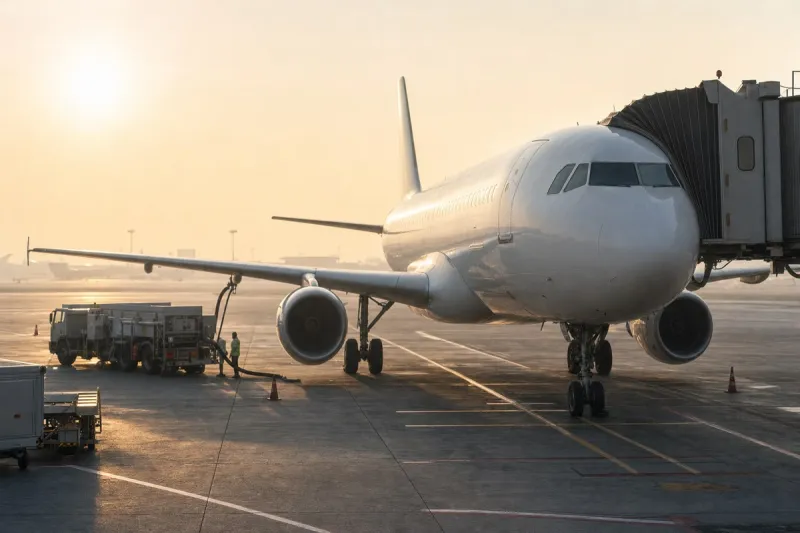
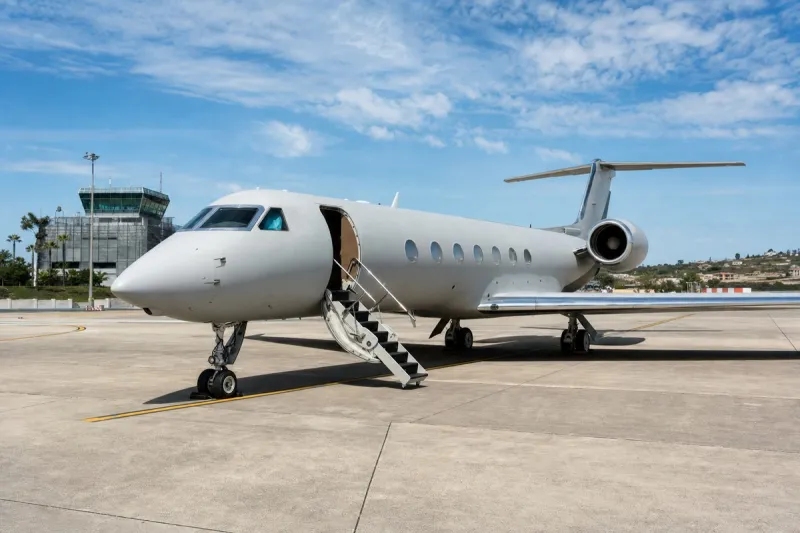
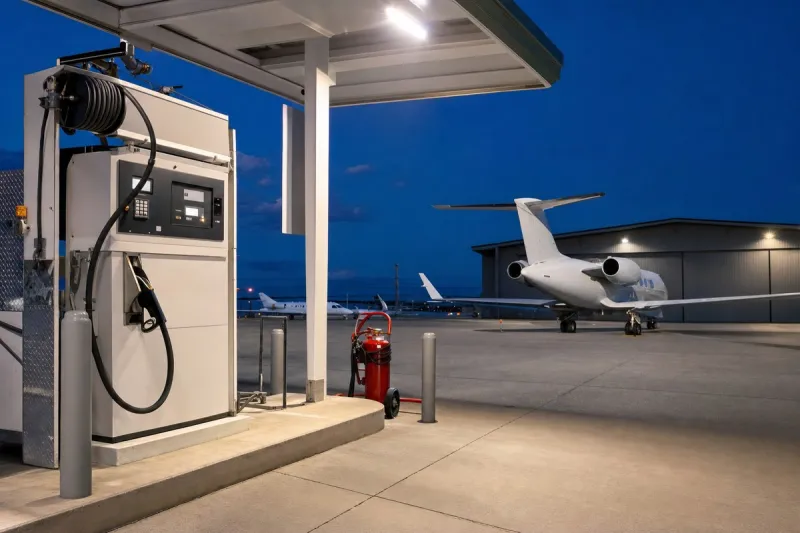
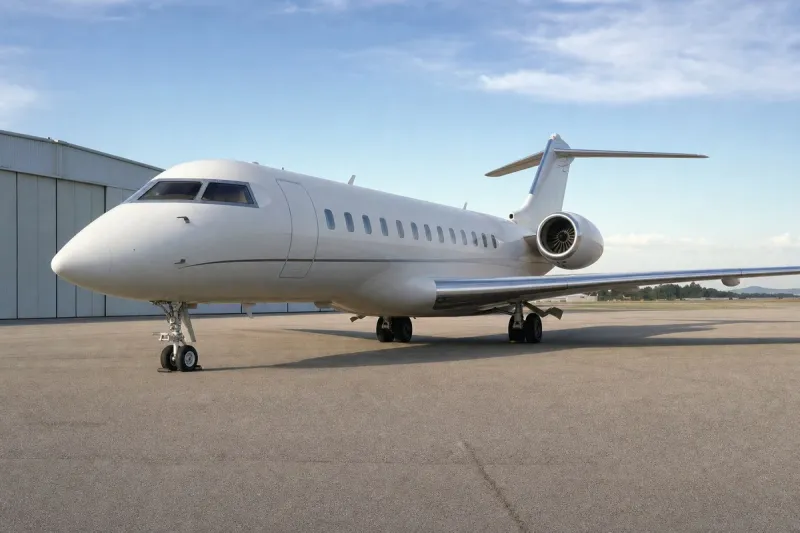
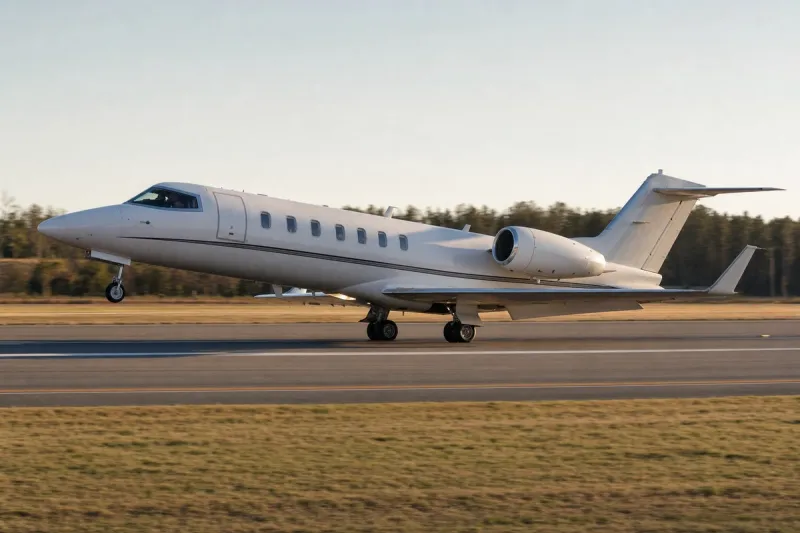
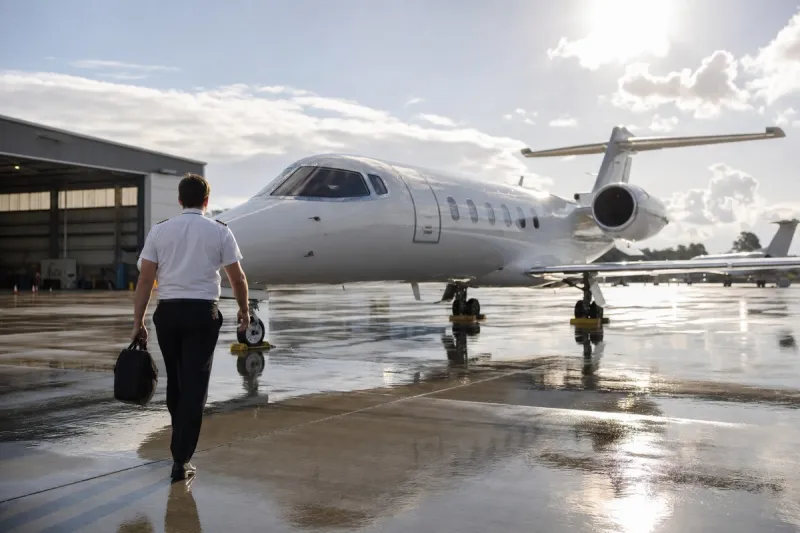
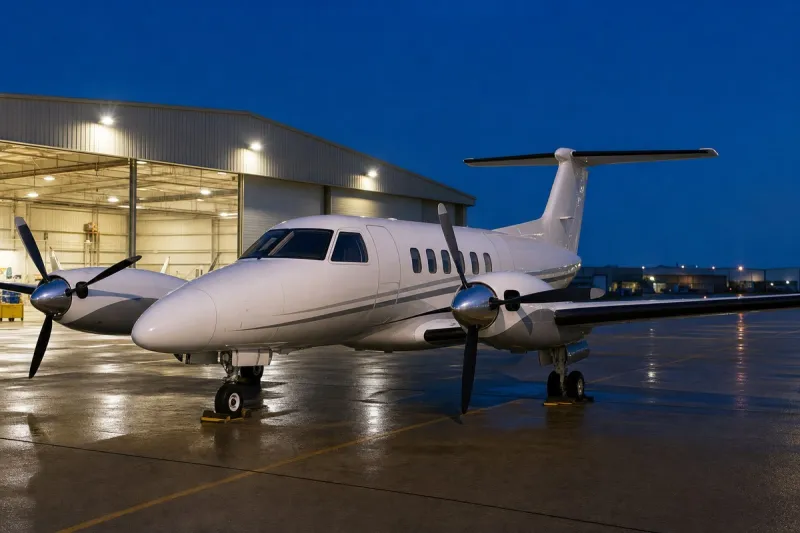
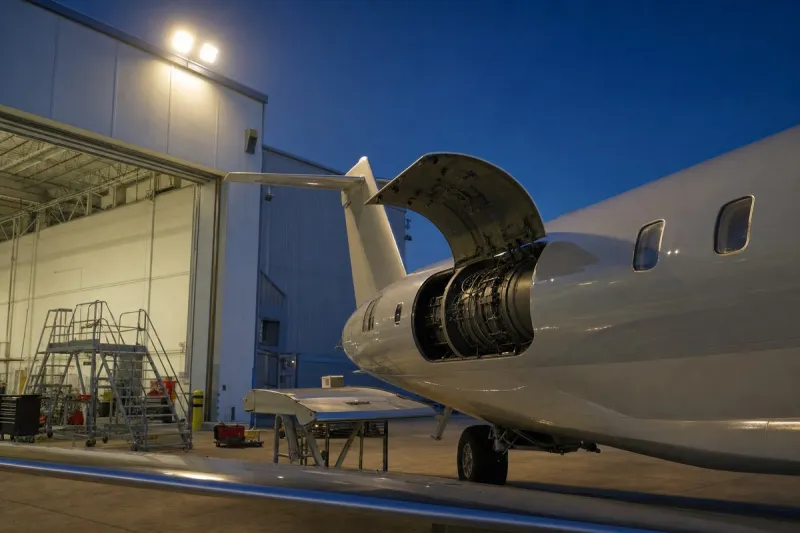
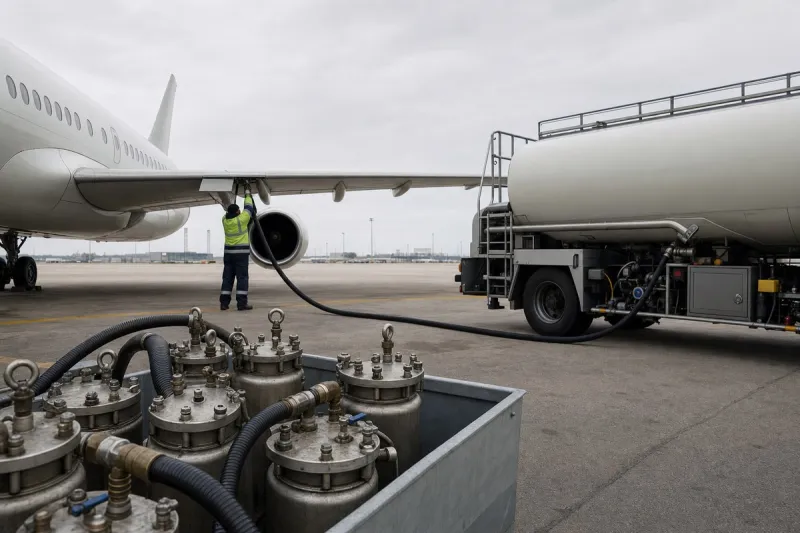
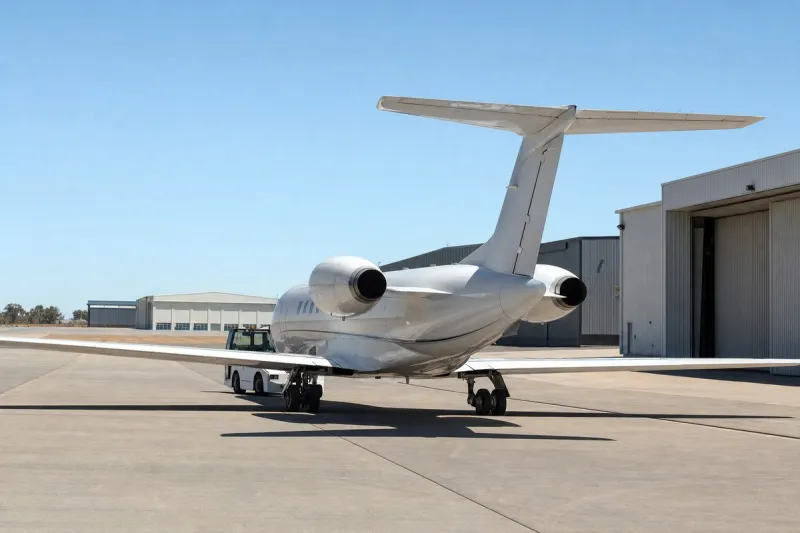
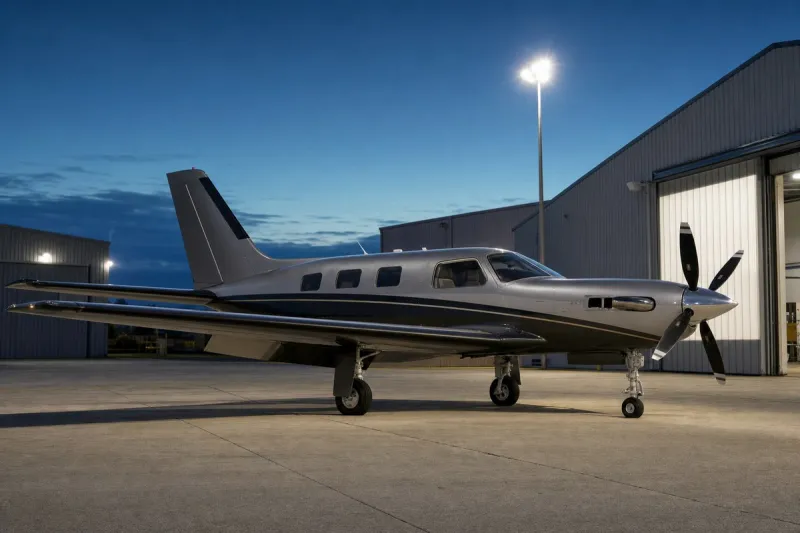
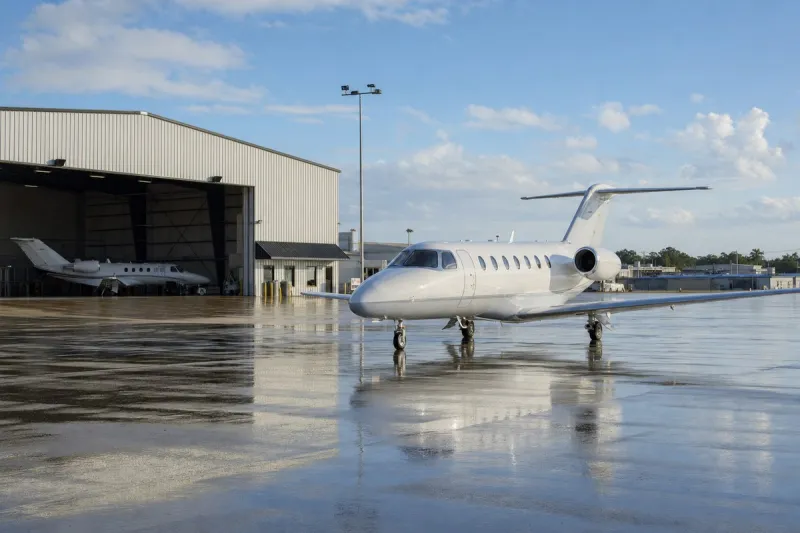
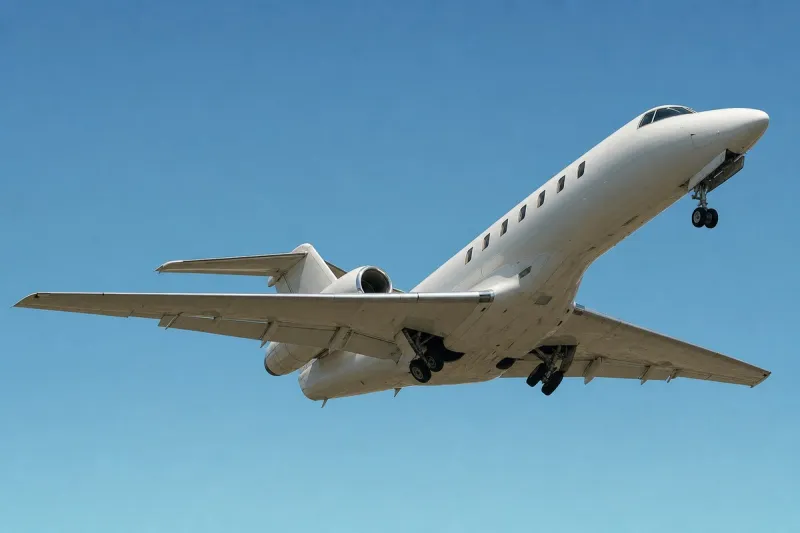
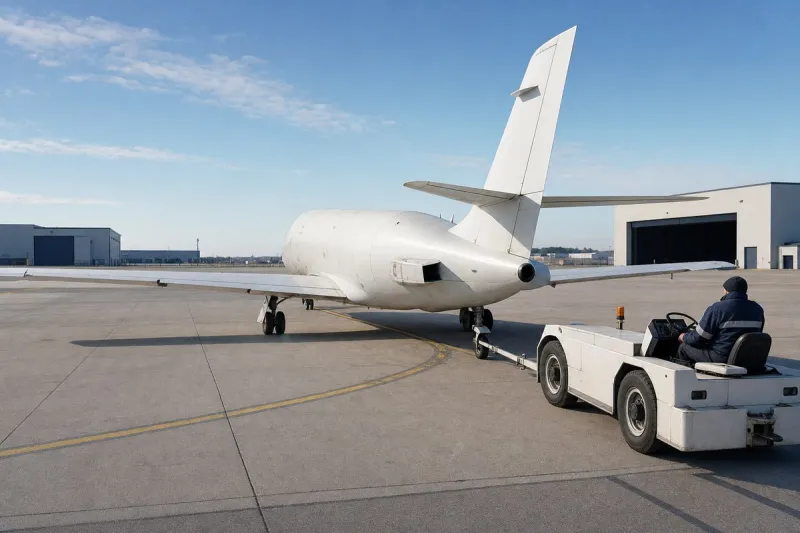
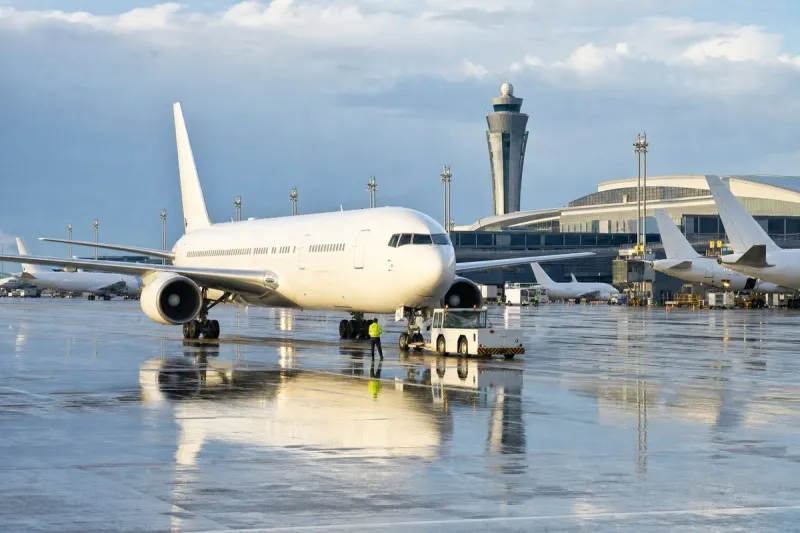
Private flights into Columbus, Ohio land at fixed base operators rather than commercial terminals, using separate ramps, fuel trucks, and customs desks, with four airports handling this traffic, each serving a distinct role.
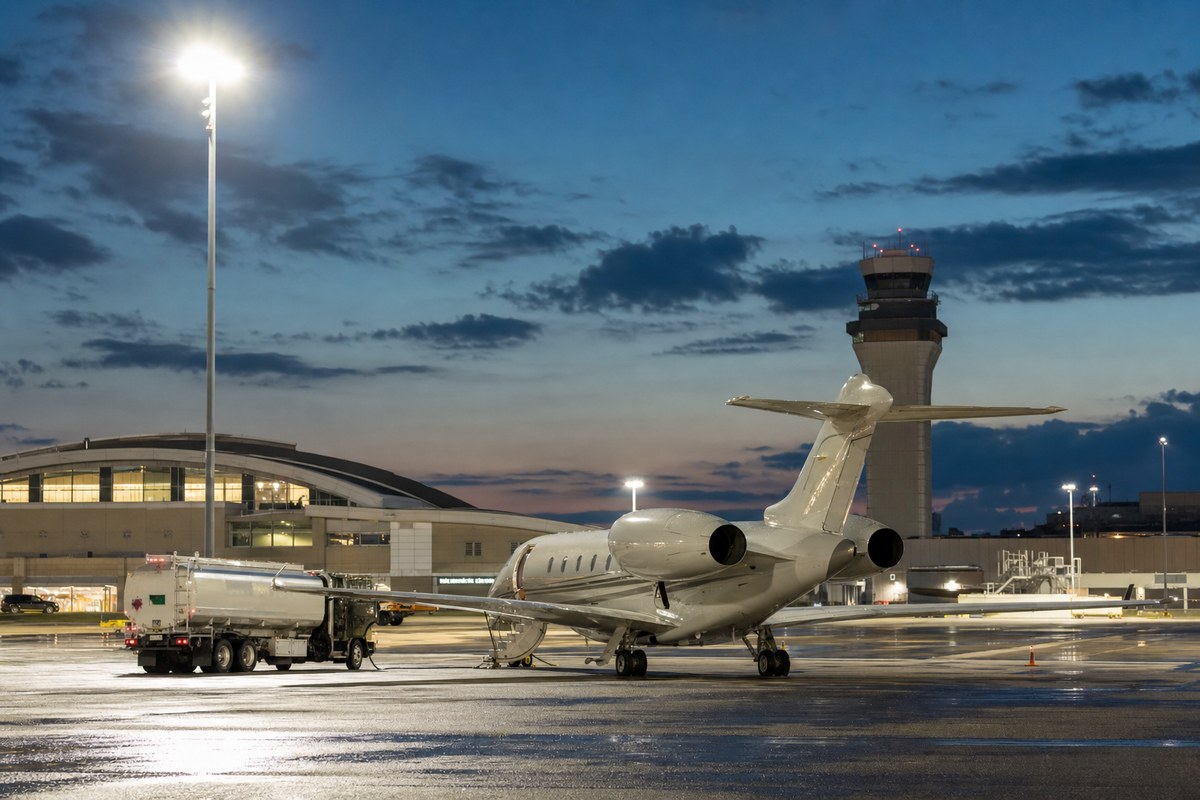
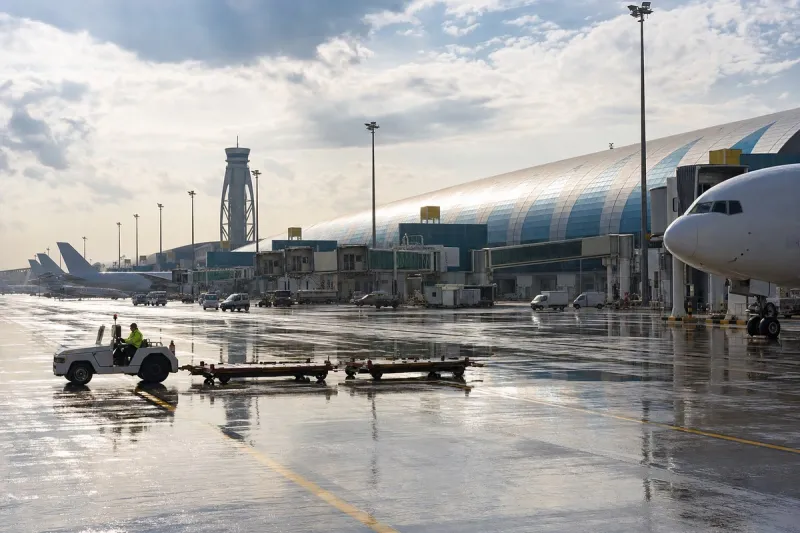
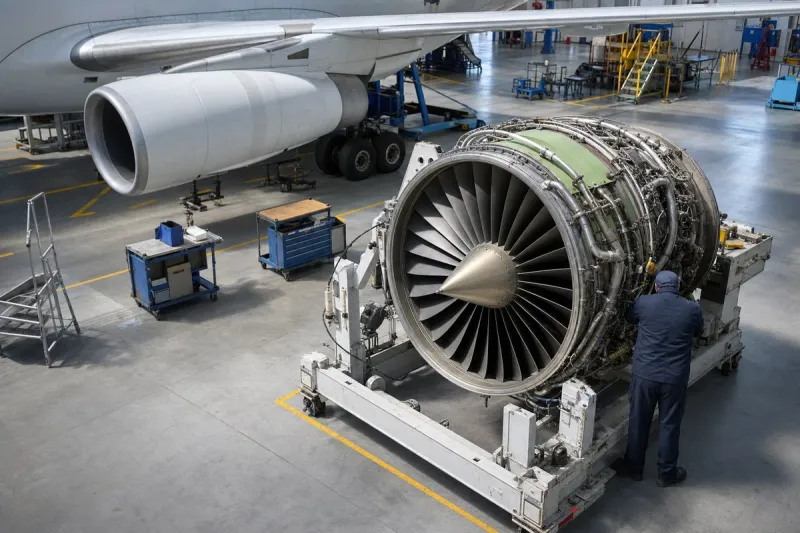
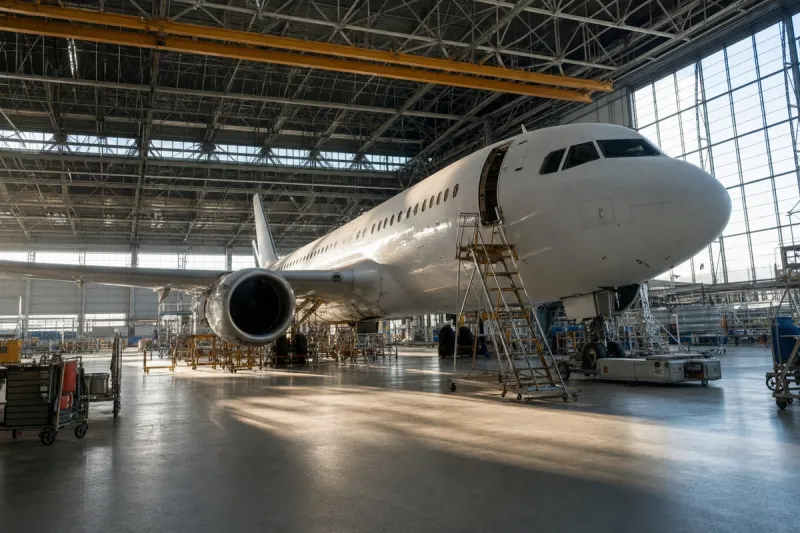
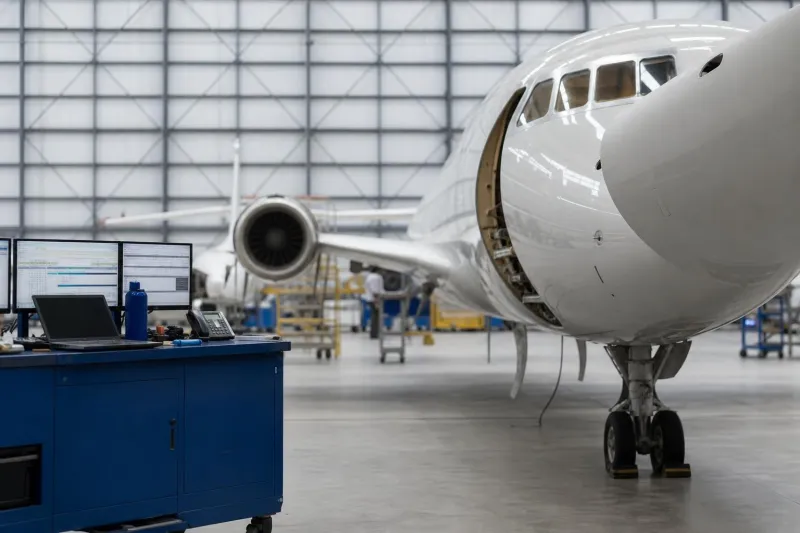
At John Glenn Columbus International Airport (CMH), two FBOs share the ramp: Lane Aviation, founded in 1935 by Foster and Ruth Lane and still family-owned, and Signature Aviation. CMH provides on-site customs clearance for international arrivals, FAA Part 145 Repair Station maintenance, heated hangars, de-icing services, and a runway measuring 10,114 feet.
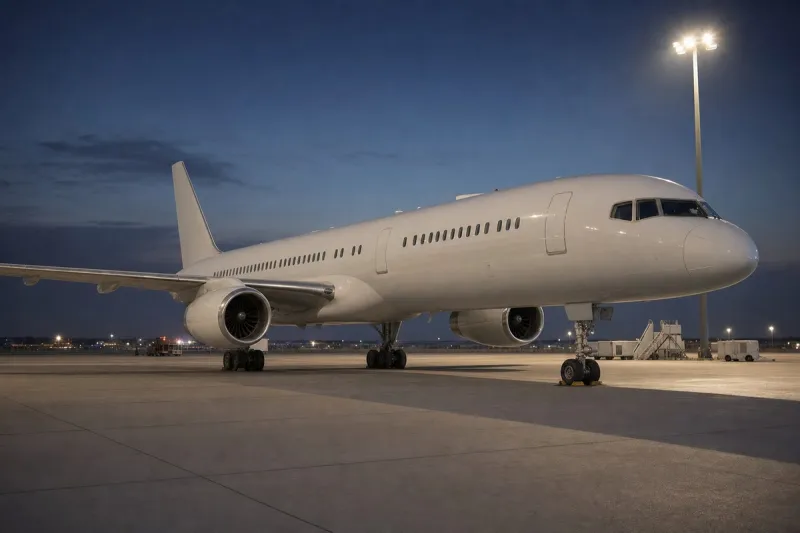
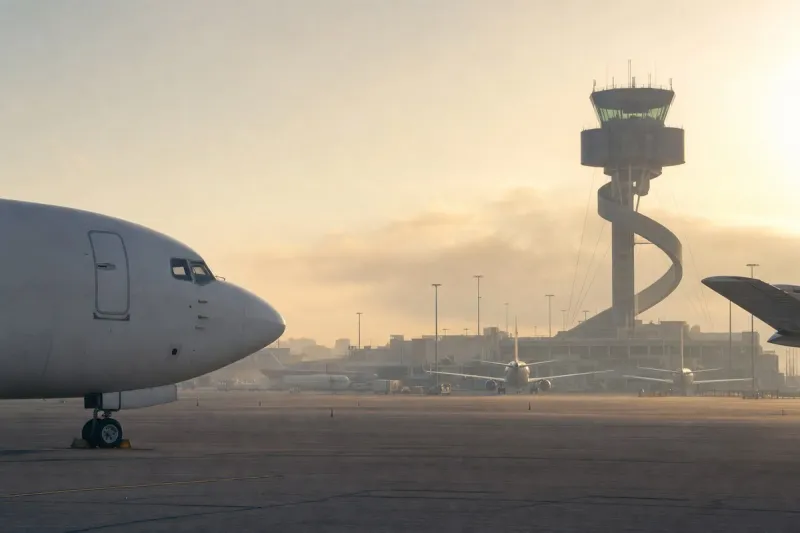
Rickenbacker International Airport, ten miles south of downtown near Lockbourne, is operated by the Columbus Regional Airport Authority with Rickenbacker Aviation as exclusive ground handler. Its primary runway measures 12,103 feet by 200 feet, accommodating ultra-long-range jets and 747 freighters flown by Atlas Air, Kalitta Air, Cathay Pacific Cargo, and Emirates SkyCargo, alongside seasonal Allegiant passenger flights. The airport was renamed in 1974 to honor Eddie Rickenbacker, the Columbus-born World War I flying ace.
Ohio State University Airport (KOSU), six miles northwest of downtown, is owned by the university and operated by its Department of Aerospace Engineering and Aviation, and is named for Donald E. Scott, an alumnus killed during pilot training in the United Kingdom in World War II. Its runway measures 5,004 feet, suitable for light and midsize jets, and a $15 million terminal renovation completed in 2018, funded largely by a single $10 million donation, added new hangars and a fifty-acre corporate airpark.
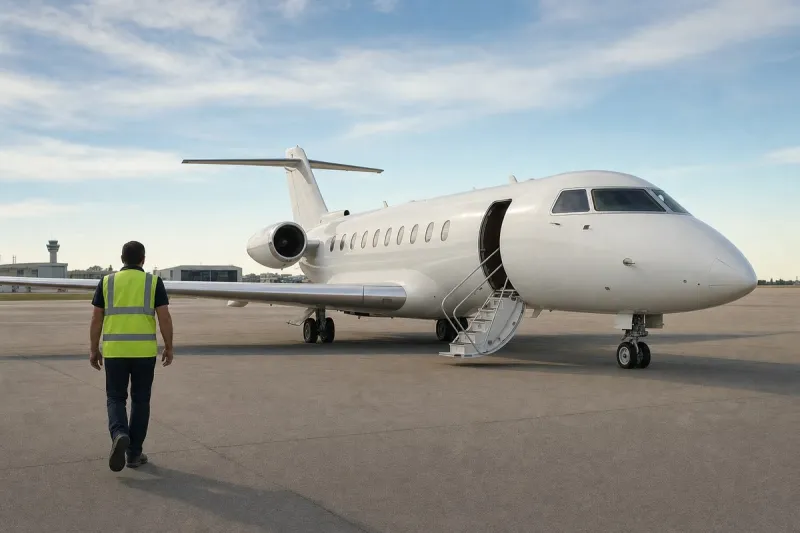
FBO ground transportation differs from commercial terminal pickups: vehicles stage inside the perimeter fence, drivers hold airport-issued credentials, and the meeting point is the aircraft itself, with pickup timing based on the aircraft's tail number rather than a fixed schedule.