Four European Destinations Accessible by Private Aviation: Cascais, Istanbul, Portorož and Geneva
Why It MattersRegional gateways with dedicated handling, customs and fueling let private aviation bypass congested hub airports, though slot and environmental caps at established centers still constrain growth.
What happened
A survey of private aviation access points across Europe highlights four destinations reachable by direct routes that bypass major commercial hubs: Cascais in Portugal, Istanbul in Türkiye, Portorož and Piran in Slovenia, and Geneva in Switzerland.

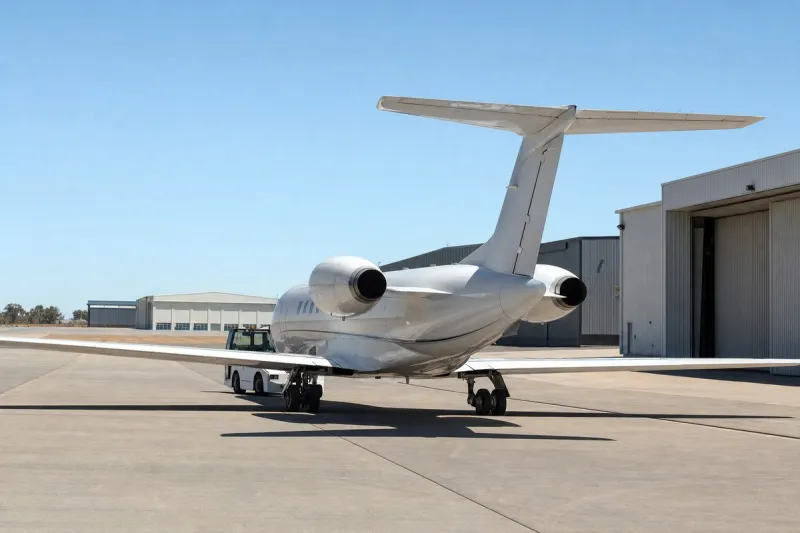
Cascais Airport sits seven miles (11 km) from the seaside town of Cascais and 18 miles (28 km) west of Lisbon's city center. It functions as an executive aviation hub offering Jet A1 and Avgas fueling, hangars, maintenance, permanent customs and immigration, full-service handling, crew and passenger lounges, and ground transport, though it can support only light and midsize jets. Its operating hours run from 0800 to sunset, extendable to 0700–2359 with 24 hours' notice.
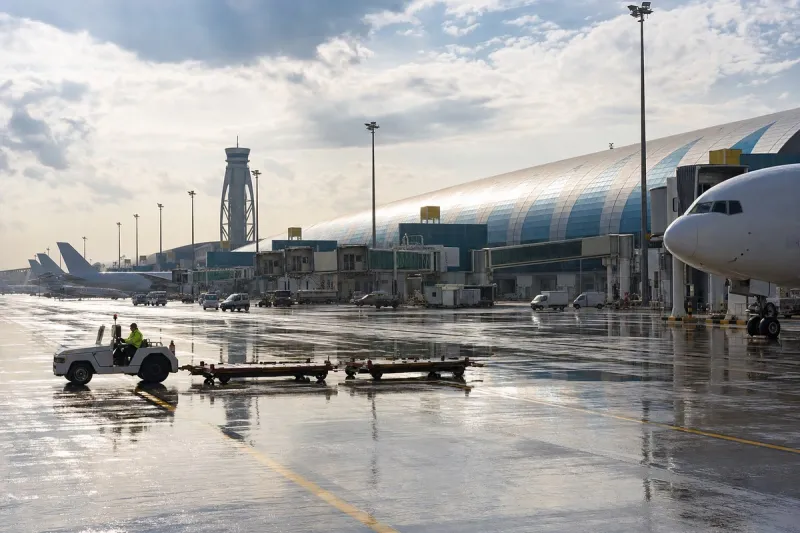
In Istanbul, Universal Aviation Türkiye provides supervisory ground handling and trip support across the city's business aviation airports, including Istanbul Airport, Atatürk Airport and Sabiha Gökçen International Airport; Turkish aviation regulations require supervision services for private aircraft operating into the country. Portorož Airport, described as Slovenia's primary general aviation gateway on the Adriatic, sits ten minutes from both Portorož and Piran and offers Jet A1 and Avgas fueling, customs and police services, grass or tarmac parking, hangar options, lounges and ground transport into Slovenian Istria, Croatia and Italy; its summer hours typically run 0830 to 2000 local time, with late arrivals and departures requiring prior approval and possible additional charges.
Geneva Airport ranks among the top three European airports by private and business aviation traffic, alongside Paris-Le Bourget and Nice Airports, with private aviation accounting for 23% of total movements there. Activity is capped at approximately 40,000 movements per year due to slot constraints and environmental and noise regulations, with May, July and September the busiest months. Ignace Jeannerat, head of communications at Geneva Airport, said private and business aviation directly supports Geneva's role as a diplomatic, economic and institutional hub.
Industry impact & what to watch
These four cases show two distinct models for how private aviation reaches secondary and constrained destinations. Cascais, Portorož and Istanbul illustrate the first: dedicated executive-aviation infrastructure, third-party ground handling and simplified customs let operators fly directly into a region without routing through its main commercial gateway, provided the airfield and fleet class match — Cascais, for instance, only supports light and midsize jets. Geneva illustrates the second: an established hub where private traffic is significant but bounded by hard operational limits.
The Geneva figures make that ceiling explicit. A 23% share of movements against a roughly 40,000-per-year cap means growth there depends on efficiency and timing around the busiest months rather than added capacity, since slot and noise rules set the boundary rather than demand. That is a structural condition specific to congested, environmentally regulated hubs, distinct from the open-access model at smaller fields like Portorož or Cascais.
What remains to be seen is whether seasonal demand pressure in peak months at Geneva pushes more traffic toward alternative gateways such as Cascais or Portorož, and whether Turkish supervision requirements at Istanbul's airports continue to shape which operators can serve that market directly.