Legacy Avionics Still Essential for Much of U.S. General Aviation Fleet, Industry Report Warns
Why It MattersPersistent reliance on legacy avionics and constrained material sourcing signal prolonged upgrade cycles for piston and turboprop operators across the general aviation segment.
Legacy avionics systems remain essential to a large portion of the U.S. aviation fleet even as next-generation aerospace technology advances, and sourcing replacement parts for older equipment is becoming increasingly difficult, according to industry analysis and the Aerospace Supply Chain Resiliency Task Force Report to Congress. The U.S. general aviation fleet ranges from home-built aircraft to business jets, but most are piston-powered propeller or turboprop aircraft that have not been significantly upgraded and still rely on analog equipment or first-generation sensor systems that are out of production.
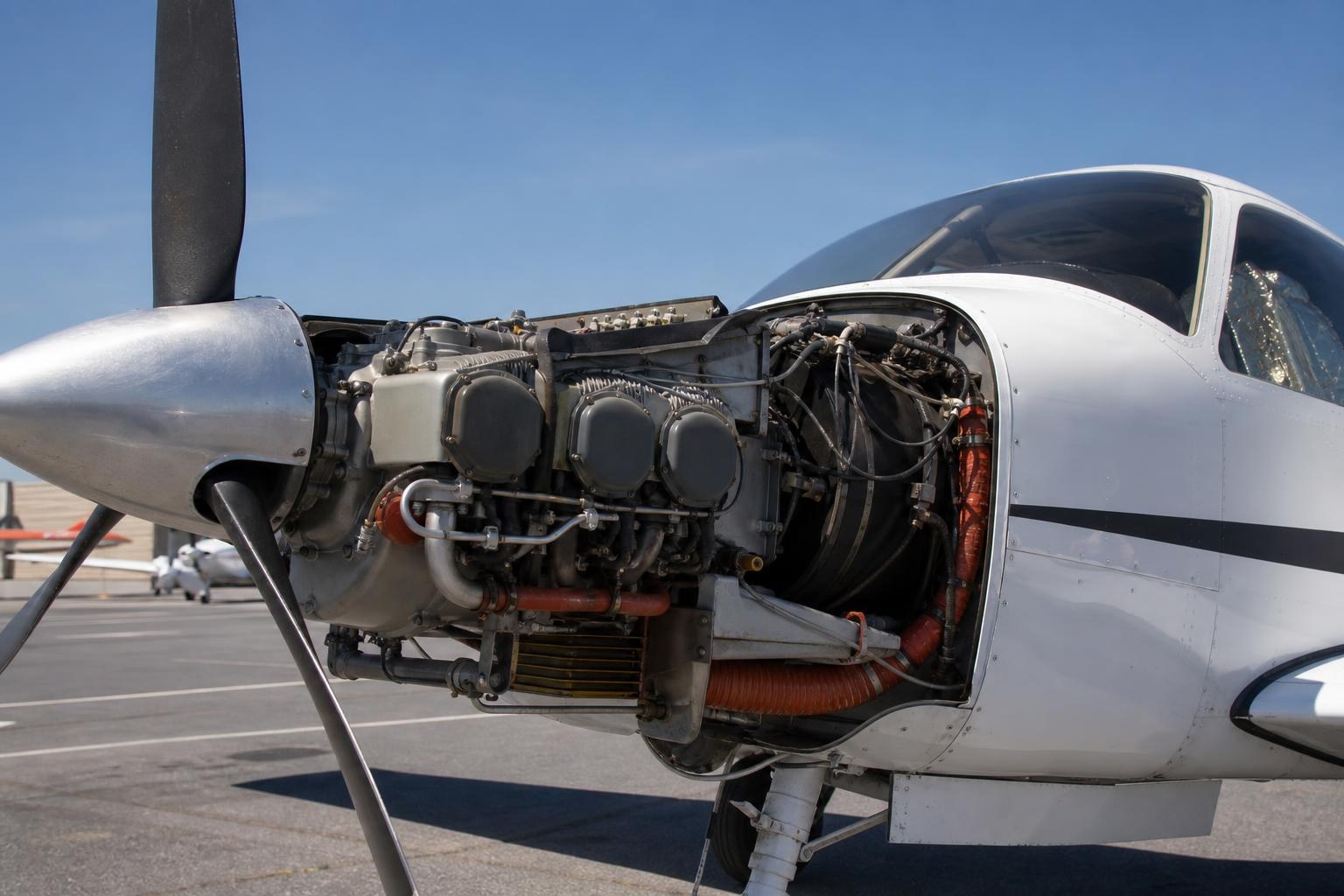
The task force report identified structural barriers to updating older aircraft, noting that most raw materials essential to aerospace development must be sourced from other countries while domestic extraction is constrained by federal and state environmental laws, and that certifying new or substitute materials can take decades. It also noted that older aircraft depend on legacy computer chip technology that is typically not interchangeable with current-generation chips because of rigorous certification requirements, and that replacement components must restore an aircraft to at least its original certified condition, with installation eligibility determined by certificated maintenance providers and design or production approval holders.
The FAA requires redundancy across the National Airspace System to ensure continuity if one system is compromised, meaning support for legacy avionics cannot simply be abandoned in favor of newer technology.