FAA Installs 100th Surface Awareness Initiative System, Targets 220 Airports Total
Why It MattersThe rollout shows air traffic modernization advancing through incremental, layered surface-safety systems rather than a single fix, with pace of deployment becoming the key operational metric across towers.
What happened
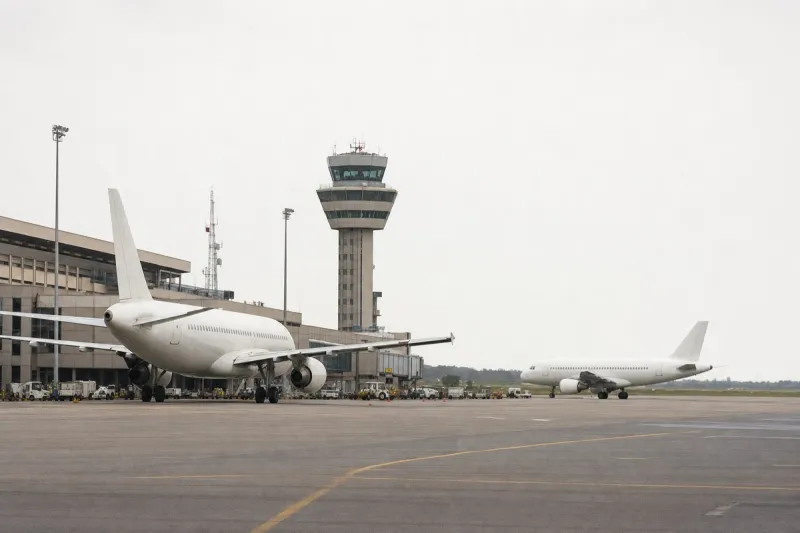
The Federal Aviation Administration has installed its 100th Surface Awareness Initiative (SAI) system, reaching nearly half of the 220 airports targeted for the technology under the agency's air traffic control modernization effort. Transportation Secretary Sean Duffy announced the milestone on Wednesday, saying the FAA has doubled the pace of SAI installations. The agency plans to deploy the system at 44 additional airports before the end of 2026, with a long-term goal of equipping all 220 towers identified as lacking surface surveillance capability.
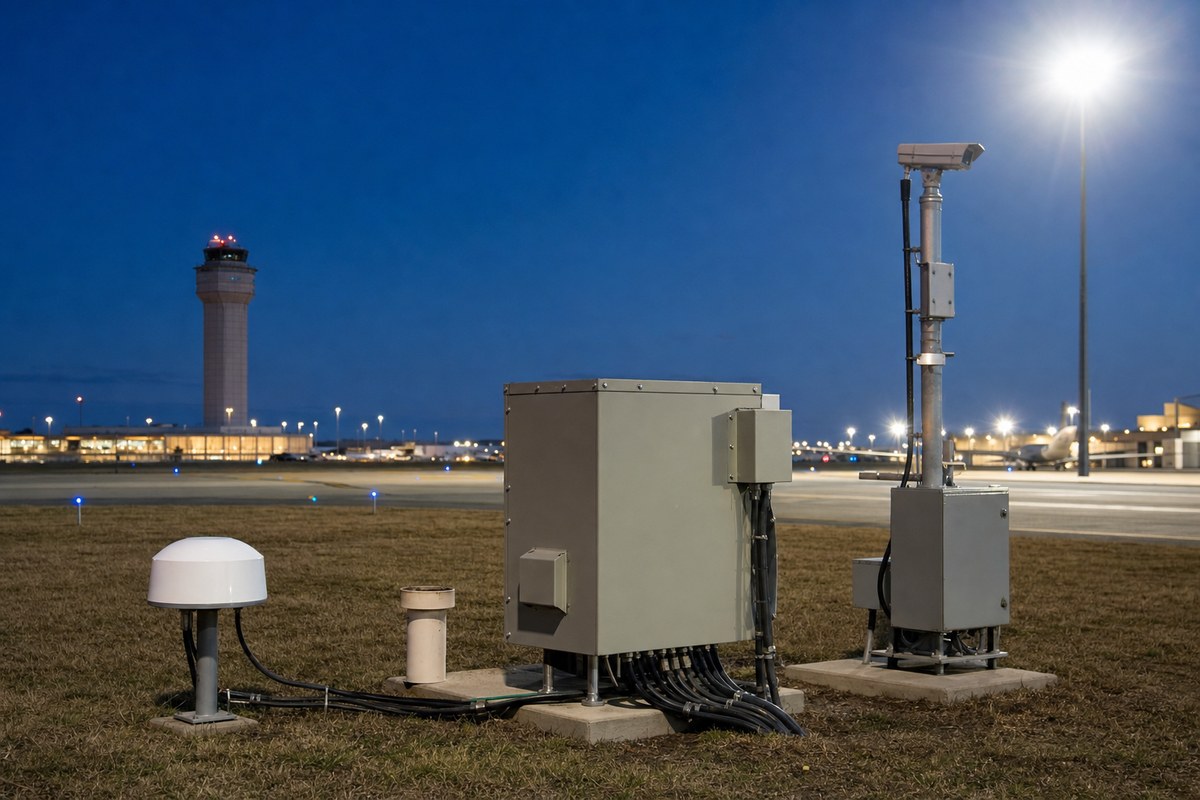
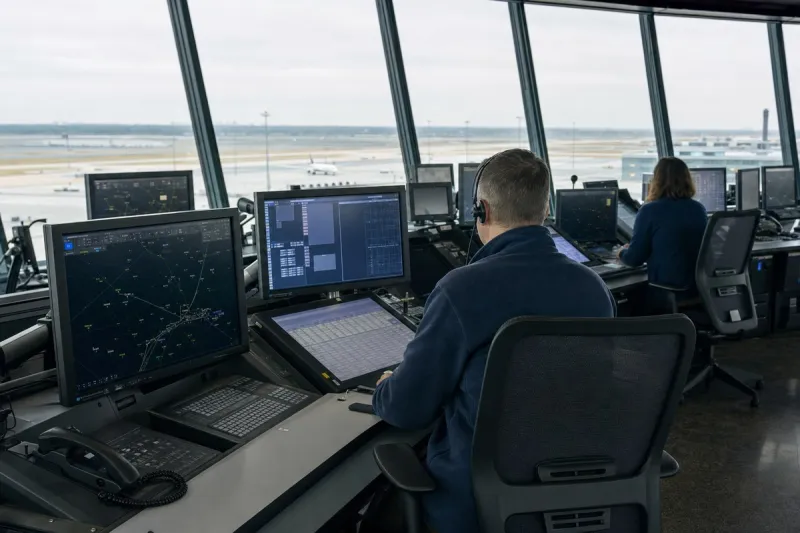
SAI uses Automatic Dependent Surveillance-Broadcast (ADS-B) data from aircraft and vehicles to give controllers a real-time picture of activity on an airport's surface, intended to improve runway efficiency and surface safety, particularly when visibility is reduced or when aircraft and vehicles are outside the tower's direct line of sight. FAA Administrator Bryan Bedford said SAI gives controllers a more complete view of airport surface activity, complementing existing skills with additional technology.
The FAA also reported it has tripled the pace of Approach Runway Verification deployments, which are now operational at more than 260 air traffic facilities. A separate surface-safety system, the Runway Incursion Device, is currently operating at more than 56 towers.
Industry impact & what to watch
This milestone belongs to a broader push to close surface-awareness gaps across the tower network rather than deliver one system everywhere at once. Surface surveillance, approach verification and incursion detection are being layered separately, at different towers and different paces, which means overall safety coverage depends on how these programs interlock rather than on any single number.
How this kind of modernization actually plays out depends on installation throughput staying ahead of attrition in the list of unequipped airports: doubling the SAI pace only closes the gap if the remaining 120 towers get scheduled and funded on a comparable timeline. The next dated marker is the end of 2026, when the FAA expects 44 more SAI systems online, and that figure will show whether the doubled pace is sustained or was a one-time catch-up.