VIP TFR Violations Can Trigger U.S. Secret Service Interviews, Criminal Exposure Beyond FAA Action
Why It MattersThe guidance underscores that general aviation operators face compounding regulatory, criminal and federal-security scrutiny whenever flight-restriction airspace tied to protected officials is breached.
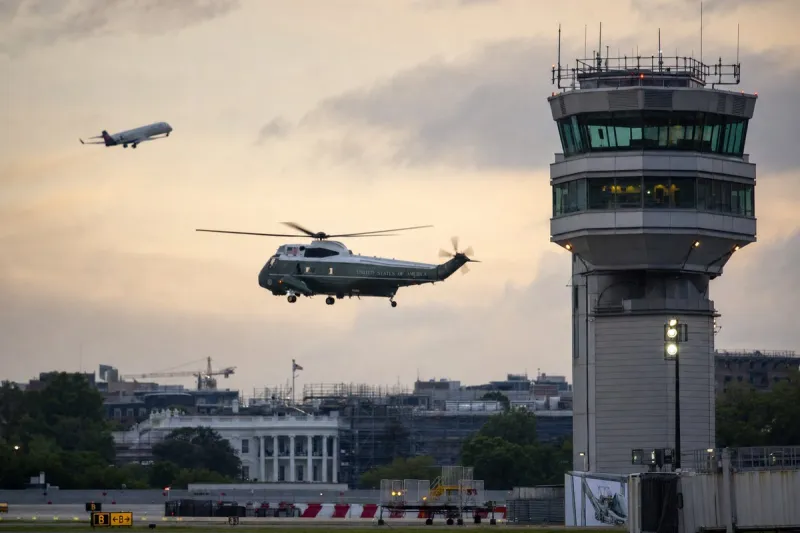
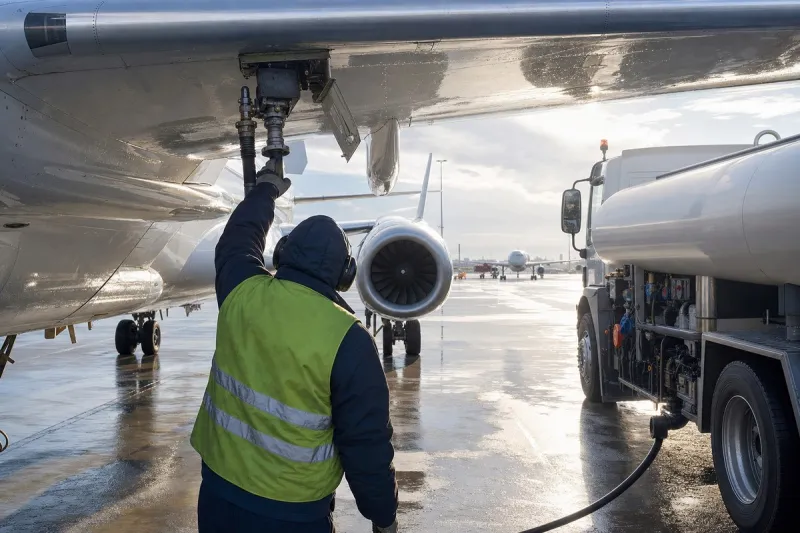
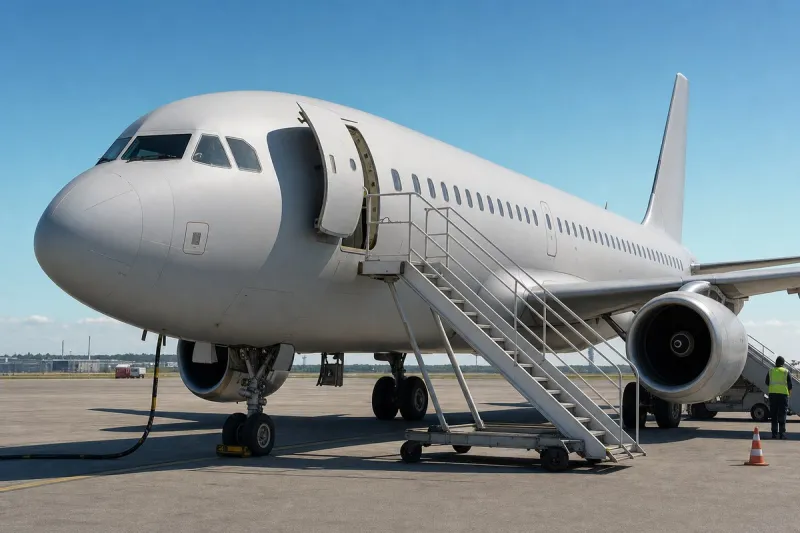
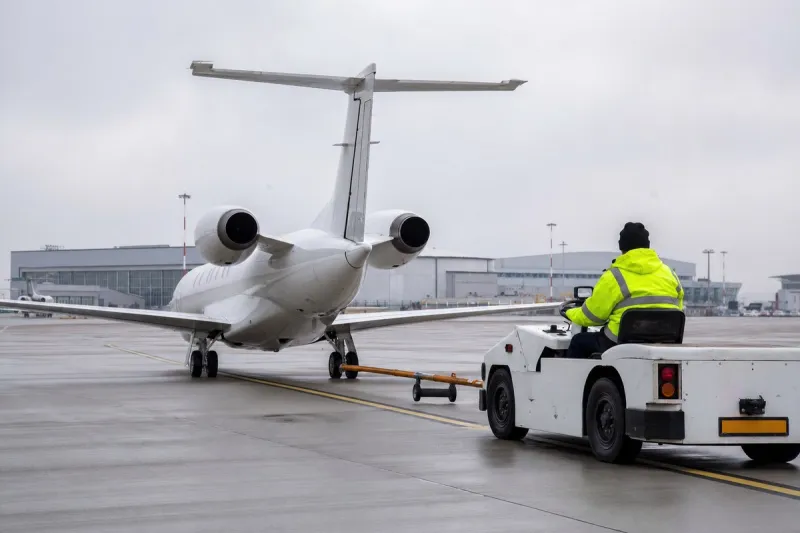
Pilots who violate a VIP temporary flight restriction (TFR) face consequences beyond an FAA investigation, including contact from the U.S. Secret Service, according to guidance from the Aircraft Owners and Pilots Association (AOPA). FAR 91.141 bars operating an aircraft over or near an area to be visited by the president, vice president or other designated public figures against FAA-imposed restrictions, and such violations may also constitute a federal crime under 49 USC 46307.
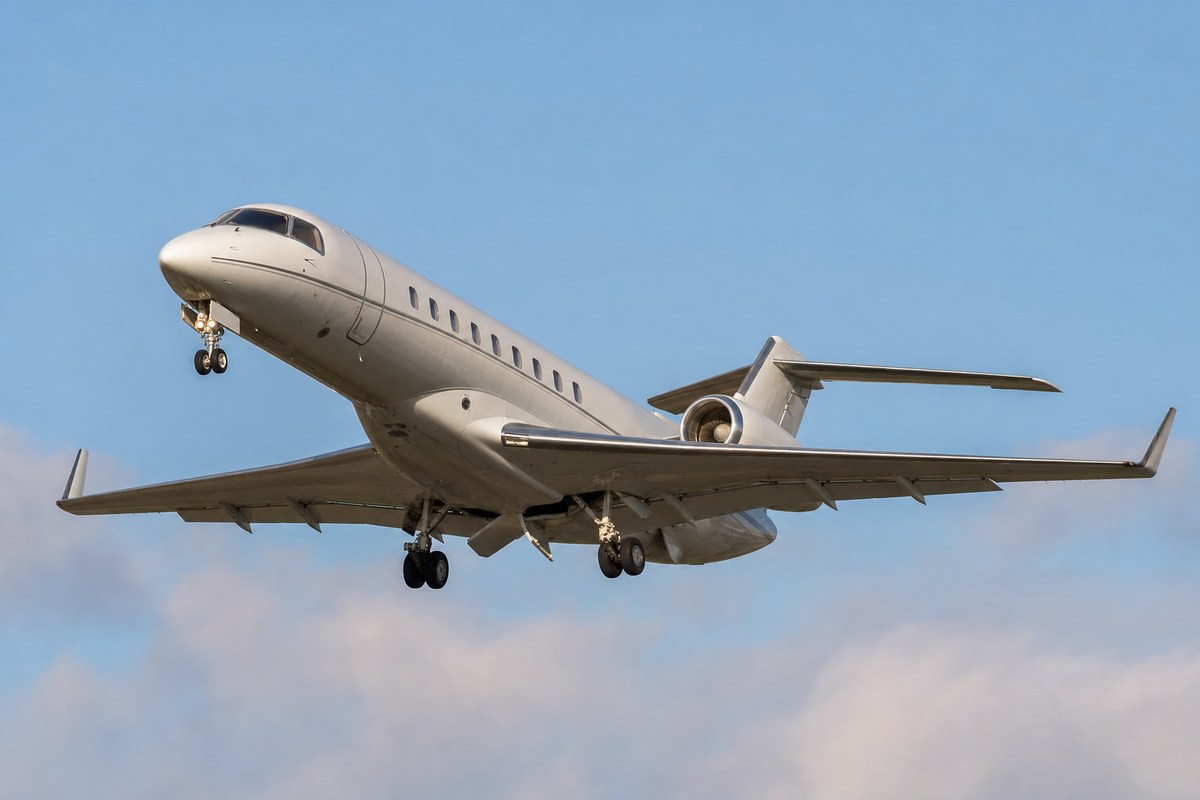
After a VIP TFR bust, and following any military intercept and mandatory air traffic control contact, a pilot can expect an in-person visit from two or more Secret Service special agents, arriving by black SUV at the airport, at the pilot's home, or via a later-arranged meeting. Agents typically ask aviation-related questions about awareness and intent, alongside a general security threat assessment covering views on the sitting president, ill will, firearm ownership, criminal history and mental health history, and may request to inspect the airman certificate, medical certificate, logbook, and aircraft airworthiness and registration documents.
Because a TFR violation may be treated as a criminal matter, the Fifth Amendment protects a pilot's right against self-incrimination, and pilots may decline to answer questions after invoking this right even if innocent. AOPA notes that most TFR busts are unintentional and that Secret Service interactions typically conclude without further action, while advising pilots to seek legal advice before any such meeting and directing AOPA members with Pilot Protection Services to contact its Legal Services Plan as soon as possible.