How Certified Pilots Establish Personal Minimums for Safe Flight Operations
Why It MattersThe distinction underscores how risk-management training frameworks shape aeronautical decision-making standards across the general aviation instruction and licensing pathway.
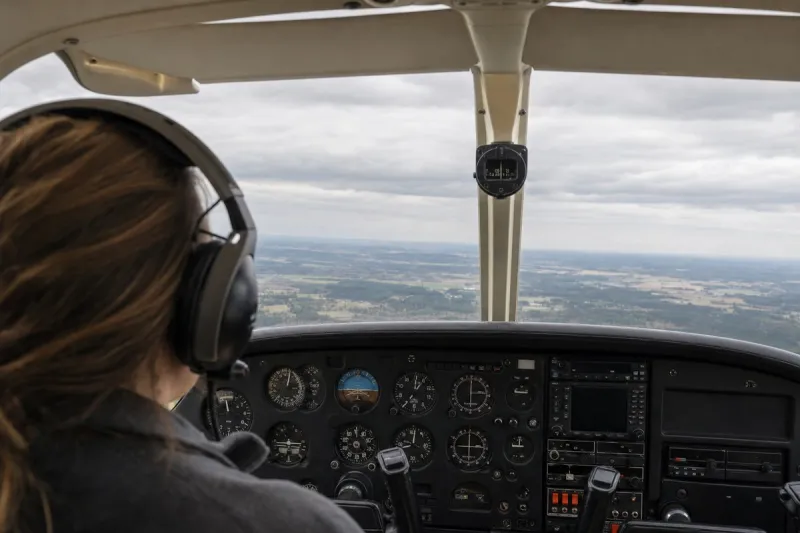
Pilot limitations and personal minimums differ primarily by certification level. For student pilots, limitations are instructor-imposed rules recorded by a Certified Flight Instructor as part of a solo endorsement, typically specifying conditions such as a minimum visibility of 3 miles and a ceiling of at least 2,500 feet for pattern work, 5 miles visibility and 4,000 feet for practice area flight, and crosswinds no greater than 6 knots with gusts not exceeding 10 knots.
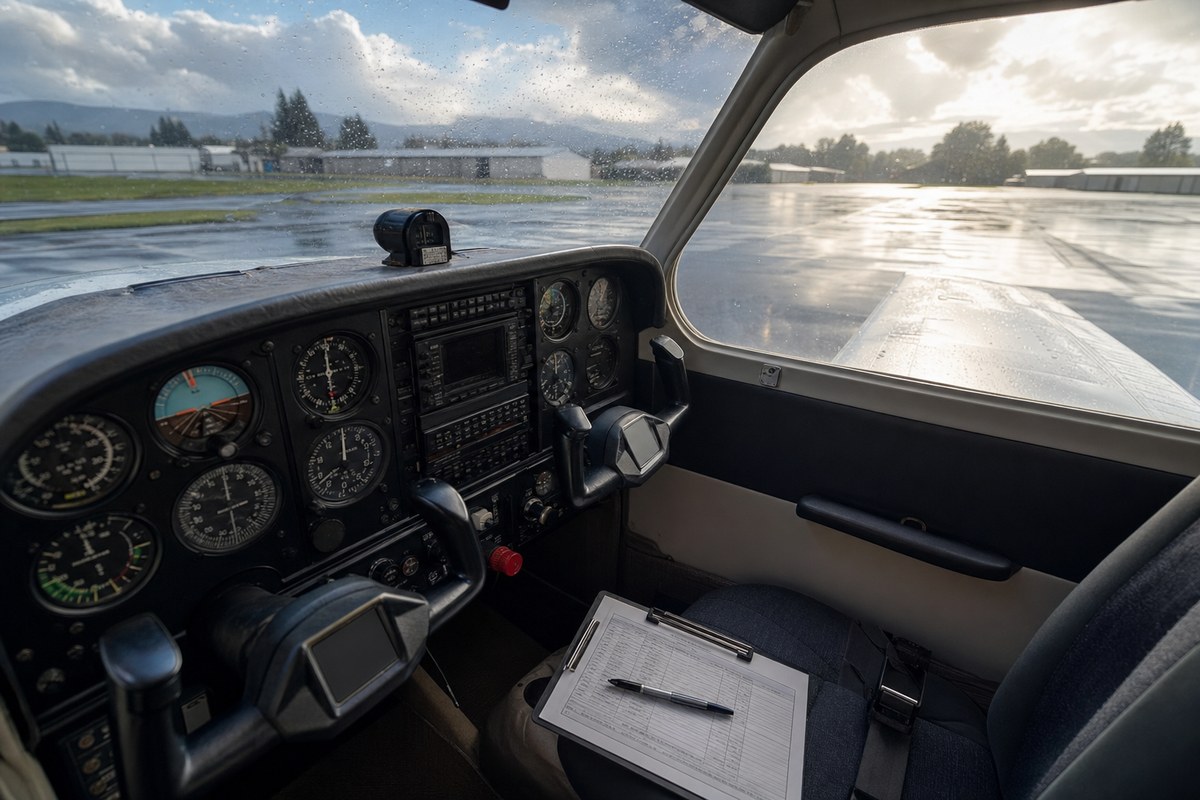
For certified pilots, personal minimums are self-imposed guidelines developed through a deliberate risk management process. Key frameworks used include the IMSAFE model, which addresses a pilot's personal readiness, and the PAVE model, which covers pilot fitness, aircraft familiarity, environmental conditions such as weather and terrain, and managing flight expectations.
Flight instructors play a critical role in helping student pilots begin developing personal minimums early in training by setting clear limitations, teaching risk mitigation strategies, and modeling sound aeronautical decision-making.