Middle East Airports Record 1,261 Flight Delays and 59 Cancellations in a Single Day
Why It MattersSustained airspace closures are pushing regional carriers toward structural adaptations—longer ground times, consolidated schedules and fleet storage—reshaping network economics well beyond the immediate disruption.
What happened
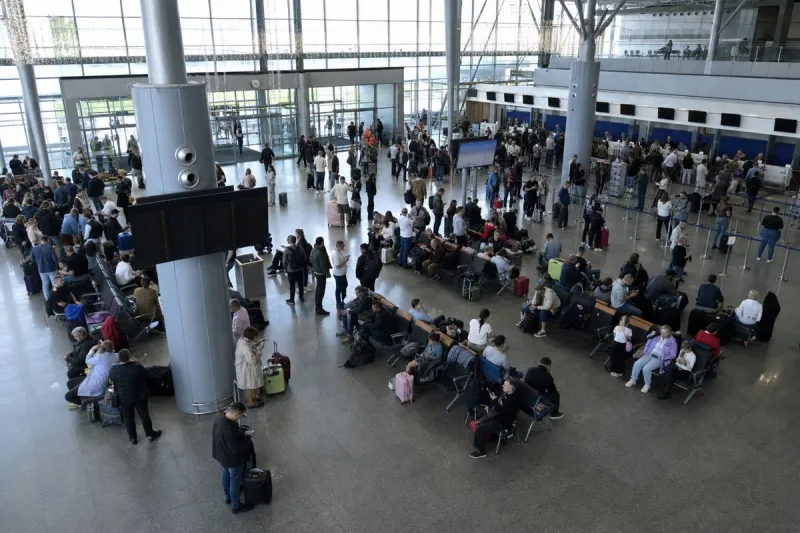
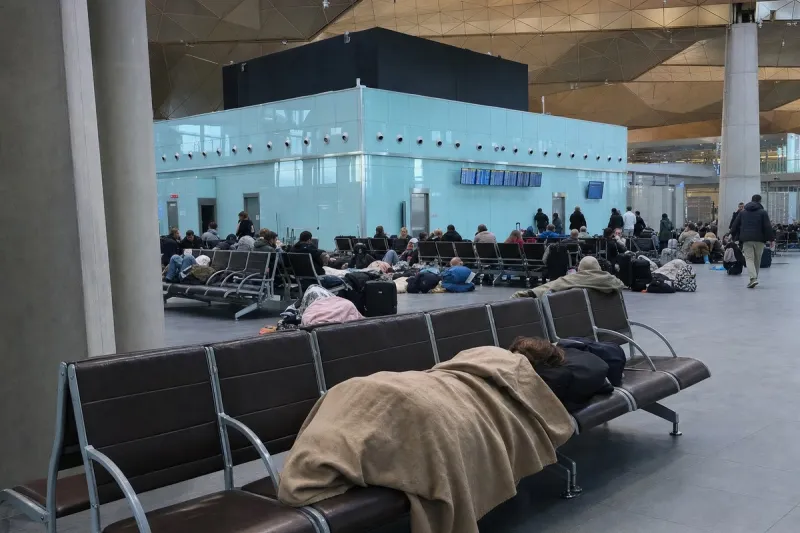
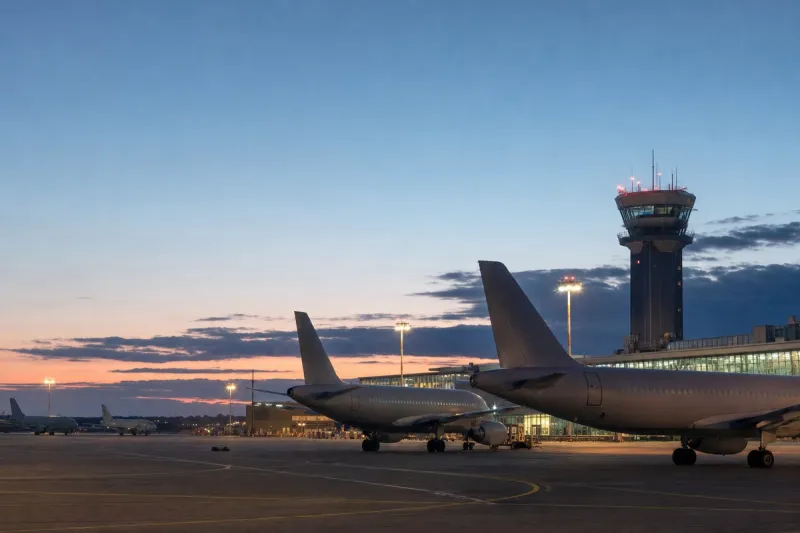
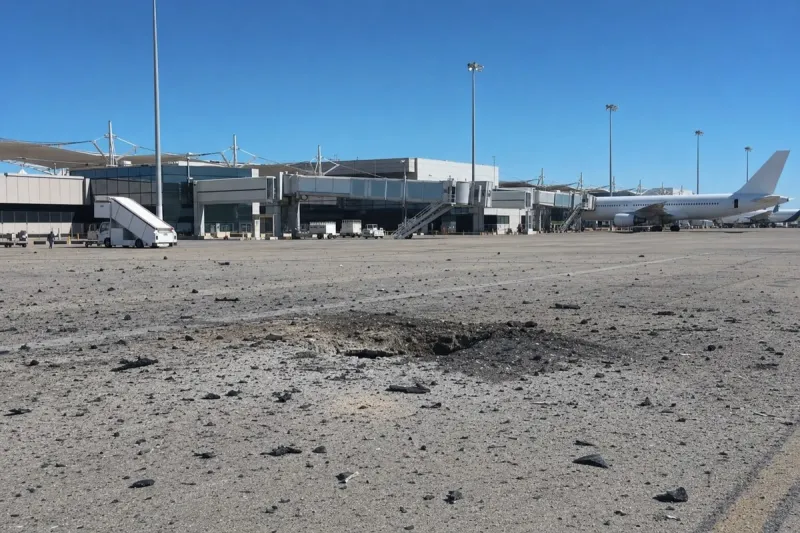
Airports across the Middle East recorded 1,261 flight delays and 59 cancellations in a single day, reflecting sustained pressure on regional air networks tied largely to conflict-related airspace closures that began in late February 2026. Key hubs affected include Dubai, Doha, Abu Dhabi, Riyadh, Jeddah, Kuwait City, Bahrain and Cairo.
A separate snapshot of Dubai International alone cited 611 delays and 66 cancellations on a single day. Riyadh's King Khalid International has been handling approximately 849 flights per day in recent weeks, with frequent rolling delays reported. Similar disruption patterns have appeared at Abu Dhabi's Zayed International and at Sharjah.
The disruption stems in part from airspace closures over flight information regions covering Iran, Iraq, Israel, Jordan and parts of the Gulf, which have forced airlines to redesign routings and accept longer stage lengths on many intercontinental services. Industry analytics earlier in 2026 pointed to a reduction of nearly 60 percent in flights to, from and within the broader Middle East immediately after the first large-scale closures. On the Riyadh–Cairo corridor, delay rates have periodically reached close to one in five flights, with average delays on disrupted days stretching to an hour or more.
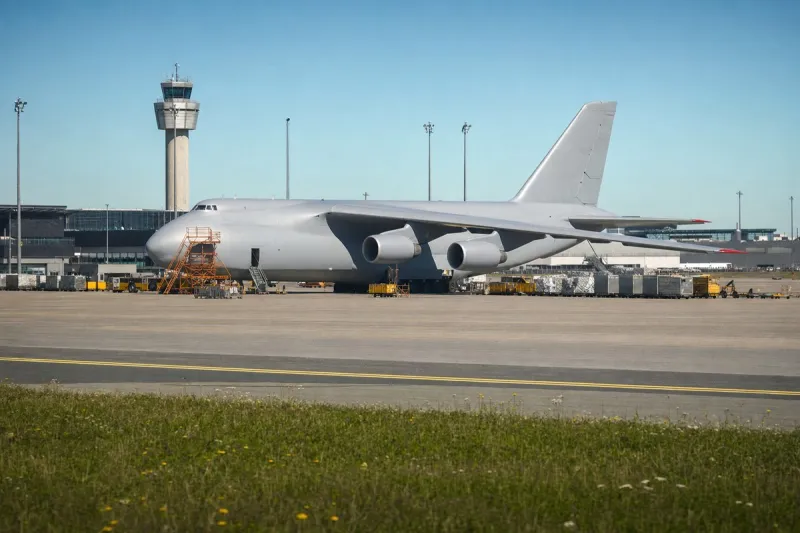
Carriers have responded by building longer planned ground times into rotations, consolidating lightly booked flights and temporarily parking aircraft. Aviation advisory firms report that several Middle East-based airlines have moved part of their fleets into short-term storage in recent months. Compensation options are limited when delays and cancellations result from war-related airspace closures or government-imposed restrictions, as such events typically qualify as extraordinary circumstances under frameworks such as Europe's EC 261, excluding financial payouts while still entitling passengers to care, rebooking or refunds.
Industry impact & what to watch
This case illustrates how a single geopolitical trigger can cascade across an entire region's schedule integrity rather than staying contained to one flight information region. When multiple overlapping closures force rerouting around Iran, Iraq, Israel, Jordan and parts of the Gulf simultaneously, the knock-on effect compounds at connecting hubs like Dubai and Riyadh, where rolling delays feed into subsequent rotations throughout the day.
The response pattern here shows how carriers manage prolonged airspace disruption operationally: padding ground times, thinning out lightly booked frequencies, and parking aircraft rather than flying them on uneconomic longer routings. That approach preserves crew and maintenance schedules at the cost of reduced capacity, which is consistent with flight volumes between Europe and the Middle East remaining below pre-conflict levels even as they gradually recover from the lows recorded after the February 2026 closures.
What happens next depends on how many of the suspended or limited carrier services resume as safe corridors widen, and whether the Riyadh–Cairo corridor's delay rate — currently near one in five flights — narrows as rerouting options stabilize. The pace of fleet reactivation from short-term storage will be a useful signal of how confident carriers are that the disruption is easing rather than becoming a durable feature of regional scheduling.