Aviation Aftermarket Consolidates as Lessors, MROs and OEMs Move to Control Repair Capacity
Why It MattersThe aftermarket is shifting toward hybrid procurement models that blend controlled, integrated repair capacity with continued reliance on independent MRO markets for unscheduled and specialized work.
The aviation aftermarket is undergoing a wave of vertical integration, with lessors acquiring service businesses, MROs locking in long-term repair agreements, engine OEMs expanding their own shop networks, and airlines bringing more maintenance in-house, reflecting tightening shop slots, constrained engine availability and persistent pressure on component lead times.
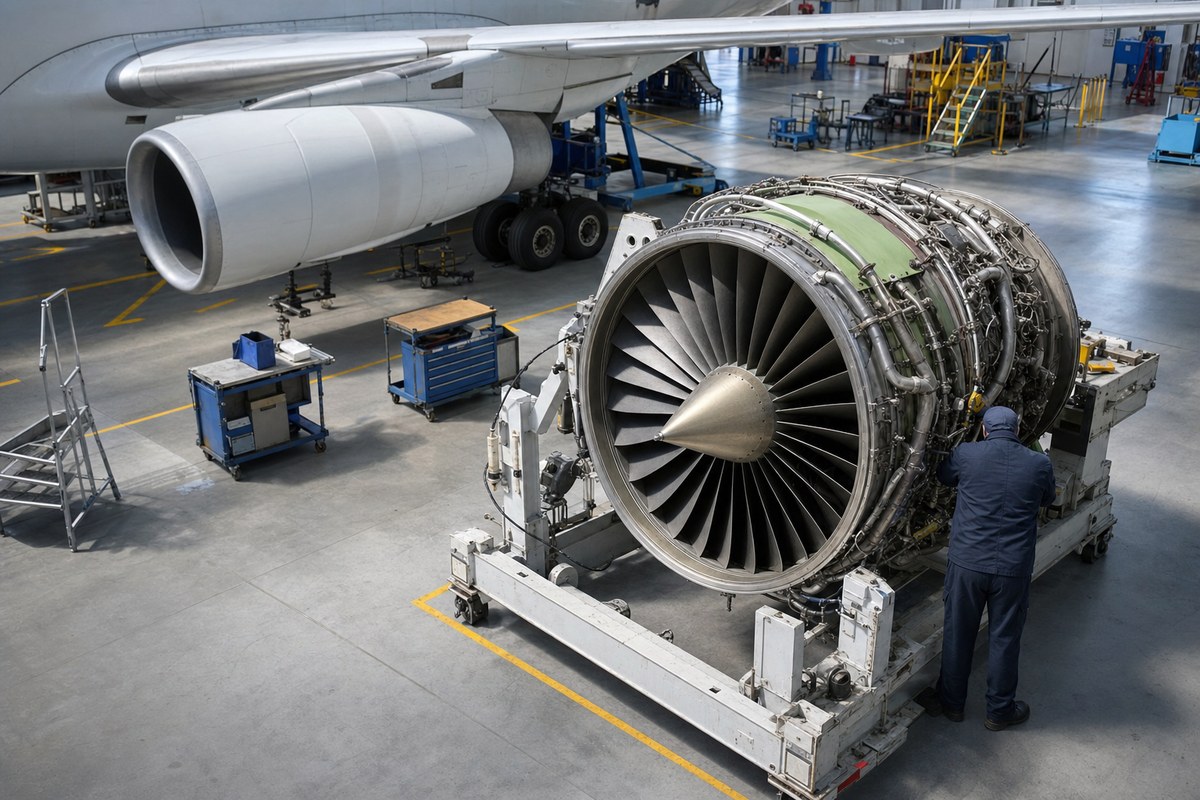
Several transactions and agreements were announced between early July and late August 2026. On August 3, aircraft lessor and asset manager ORIX Aviation agreed to acquire AerFin, a UK-based specialist in inventory management, component sales, repair management, engine maintenance and aircraft part-out, in a deal reported at approximately $640 million. On August 20, Barnes Aerospace acquired Jet AirWerks, a Kansas-based specialist in CFM56, CF6 and CF34 component repair, and HAECO signed a memorandum of understanding with China Aircraft Leasing Group. In July, GKN Aerospace secured multi-year Pratt & Whitney GTF repair awards covering more than 20 component types across its Sweden, Malaysia and US sites, while FTAI Aviation signed a multi-year CFM56 materials and repair agreement with CFM International.
Industry analysts and IATA's 2026 Annual Review note that no airline, lessor or MRO can internalize every component type, repair process or geographic requirement, and the review calls for additional production and repair capacity, greater supply-chain transparency, more MRO competition, wider access to alternative parts and repair venues, and better information about used serviceable material. Vertical integration is effective against predictable, recurring demand such as scheduled heavy checks and known engine-shop requirements, while the emerging consensus holds that controlled capacity and independent market access function as complementary rather than competing models.