Indian startup Alteon raises $2.5M pre-seed to develop wind-powered autonomous aircraft using albatross-inspired dynamic soaring
Why It MattersThe round shows early-stage investors backing unproven propulsion physics on the strength of a narrow flight-test result, well before the harder energy-neutral milestone is demonstrated.
What happened
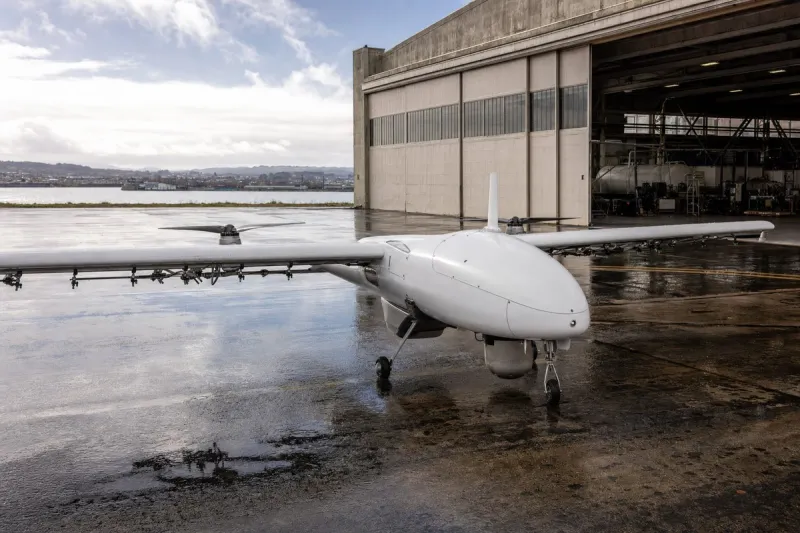
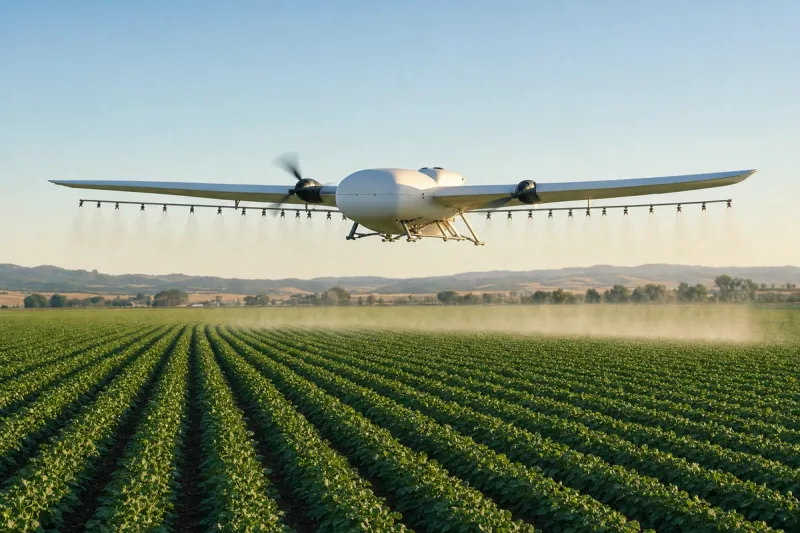
Alteon, an Indian aerospace startup founded by 20-year-old Samay Sanghvi, announced Tuesday it has raised $2.5 million in a pre-seed funding round led by investor Lachy Groom, with participation from Together Fund. The company is developing small, fixed-wing autonomous aircraft designed to harvest energy from wind shear above the ocean through dynamic soaring, the technique albatrosses use to travel long distances without flapping their wings.
The aircraft cycles between layers of air moving at different speeds, and Alteon eventually plans to use onboard propellers as turbines that convert harvested wind energy into electricity to recharge its batteries. The stated goal is to keep aircraft airborne for more than a year without carrying conventional fuel or battery reserves for propulsion, with an initial deployment for maritime surveillance to give governments real-time monitoring of activity in their waters.
The startup recently completed a test of its autonomous flight system over the Bay of Bengal, in which the aircraft autonomously flew seven O-shaped cycles at speeds exceeding 62 miles per hour, flying within one meter of the water's surface. Alteon has not yet demonstrated sustained flight powered solely by dynamically soared energy; Sanghvi calls the next milestone "energy-neutral dynamic soaring," meaning continuous flight with propulsion switched off.
Dr. Gabriel Bousquet, a Silicon Valley-based aerospace and robotics engineer who researched dynamic soaring during his PhD at MIT, called the low-altitude flight test a "promising first result" but said proving reliable energy extraction from real-world winds over extended periods remains harder. Dr. Bharath Swaminathan, who studied dynamic soaring stability for his PhD at IIT Madras, called the effort commendable but said even keeping an aircraft airborne for several days using the technique would be "a very big step." Groom said he decided to invest within the first 30 minutes of his initial meeting with Sanghvi, saying he came to believe Sanghvi and the Alteon team "are the ones to figure them out."
Sanghvi began working on the project in 2023 after finishing high school, building and testing radio-controlled aircraft before developing early prototypes, and formally founded Alteon in 2025 with early backing from Emergent Ventures and 1517. The startup now employs a team of 20 in Bengaluru, operates from a 10,000-square-foot facility, builds four to five aircraft per week for testing, and has conducted more than 200 test flights in the past 30 days.
Industry impact & what to watch
Alteon belongs to a category of aerospace ventures betting that a biological flight technique can be engineered into a persistent, fuel-free platform, an idea long studied academically but rarely funded at company scale. Early-stage aerospace investing in this segment tends to price the team and the first flight-test data point rather than a working product, since the hardest physics — sustained energy-neutral operation — typically comes years after seed capital and a working prototype.
Maritime surveillance is a plausible early market because it rewards persistence and low operating cost over speed, and governments already buy long-endurance sensing capability from other platforms. Whether dynamic soaring can substitute for those existing solutions depends entirely on a milestone Alteon has not yet reached: continuous flight with propulsion off.
The next dated marker worth watching is Alteon's own "energy-neutral dynamic soaring" test, since both outside experts point to sustained, unassisted energy extraction over real ocean winds as the threshold that would separate this from a promising flight demo.