Global Jet Fuel Biocide Concentrate Additive Market Forecast to Grow at 4–6% CAGR Through 2035
Why It MattersSteady demand growth reflects tightening fuel specifications and fleet expansion in Asia-Pacific and the Middle East, reshaping supplier qualification and procurement practices industry-wide.
The global jet fuel biocide concentrate additive market is projected to expand at a compound annual growth rate of 4–6% from 2026 to 2035, according to market analysis by IndexBox. A baseline market index of 100 in 2025 is expected to rise to approximately 150–160 by 2035.
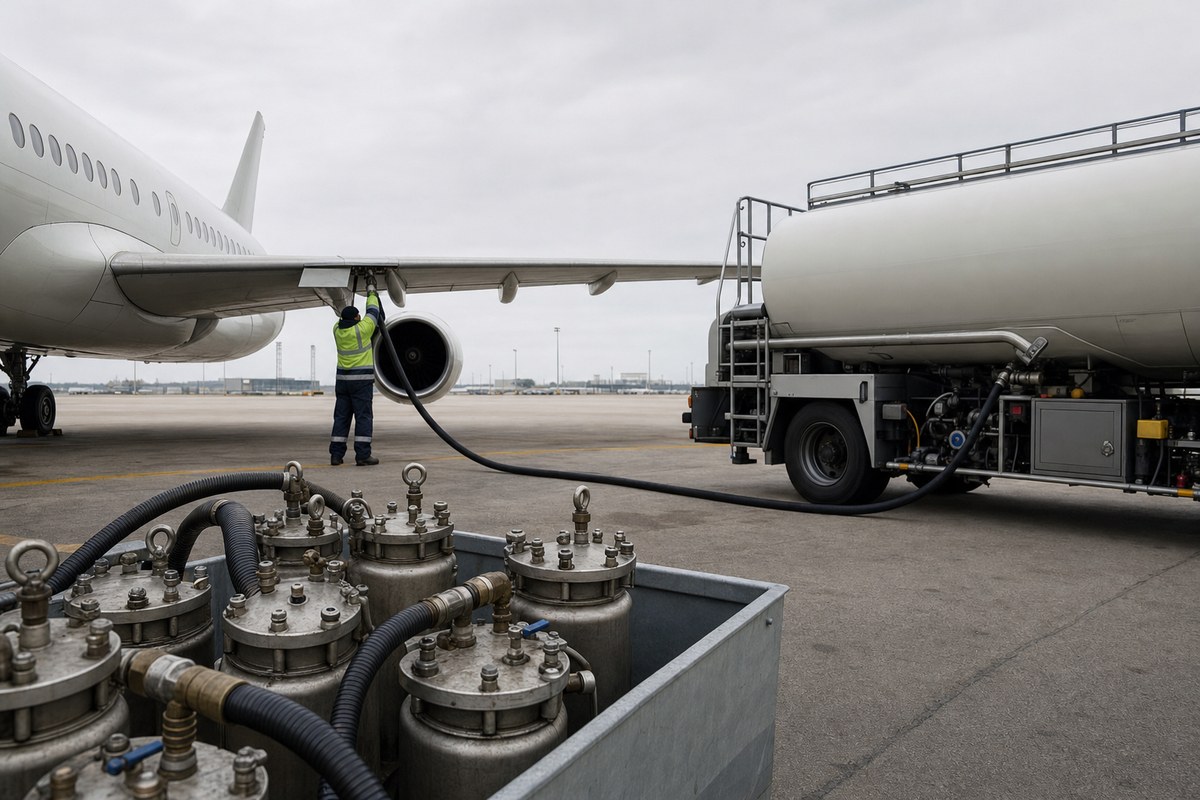
Growth drivers include the continued recovery of global air travel, airline fleet modernization—particularly in Asia-Pacific and the Middle East—and tightening fuel quality specifications requiring compliance with standards such as ASTM D1655 and DEF STAN 91-091. Premium, specification-compliant grades account for roughly 55–65% of global demand by value. North America and Europe together represent approximately 50–55% of world consumption, though the fastest growth is occurring in Asia-Pacific and the Middle East, where expanding fleets and new fuel storage infrastructure are creating additional procurement demand.
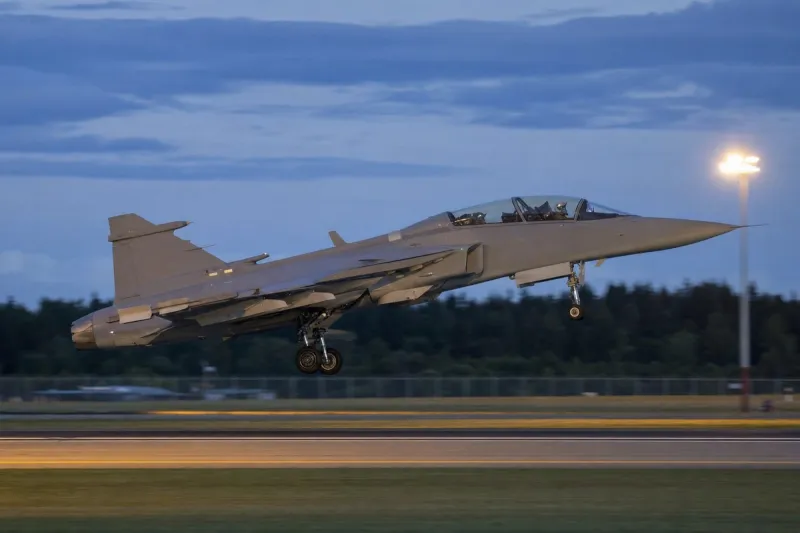
By application segment, aircraft maintenance and operations represent the largest share of demand, followed by industrial processing (approximately 25% of global demand), formulation and compounding (approximately 20%), and specialty end-use applications including defense and military aviation (approximately 10%). The industrial processing and formulation segments are projected to grow at CAGRs of 4–5% and 5–6% respectively through 2035.
Key market trends include the development of multi-functional concentrates combining biocidal efficacy with corrosion inhibition and thermal stability, alongside increasing use of digital procurement platforms for supplier qualification and batch-certificate exchange. Challenges include supply chain bottlenecks for raw materials such as quaternary ammonium compounds and isothiazolinones, with lead times of 8–12 weeks, supplier qualification processes taking 6–18 months, and risks from counterfeit or substandard formulations in markets with limited import controls.