Nova Pangaea Technologies Completes 72-Hour Endurance Trials Converting Waste Biomass into Sustainable Aviation Fuel
Why It MattersThe trial validates a waste-biomass route to SAF that could diversify feedstock supply beyond used cooking oil as regulatory blending mandates rise sharply through 2050.
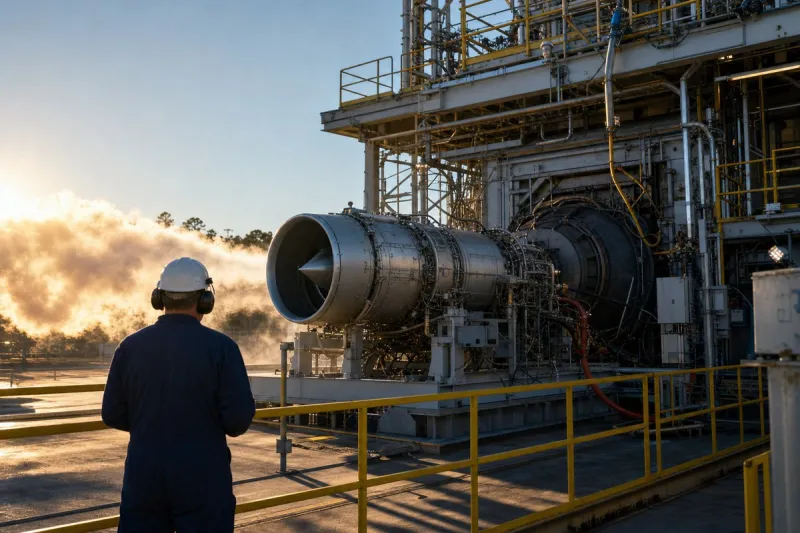
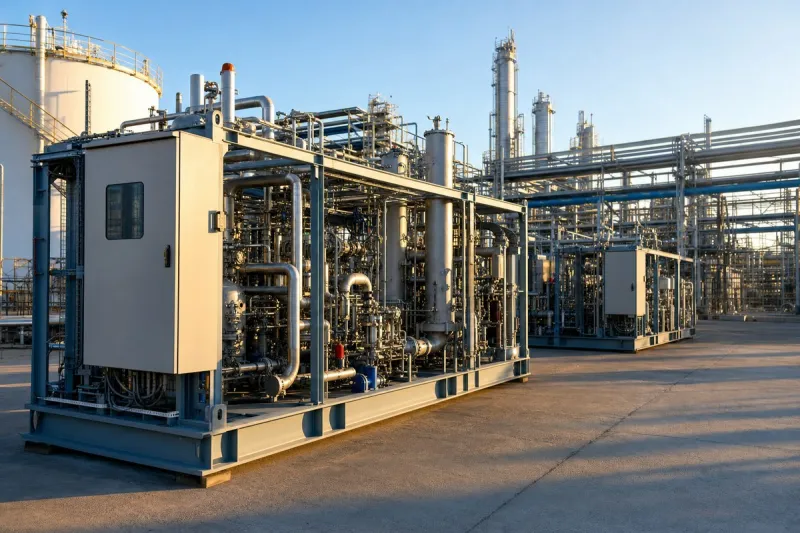
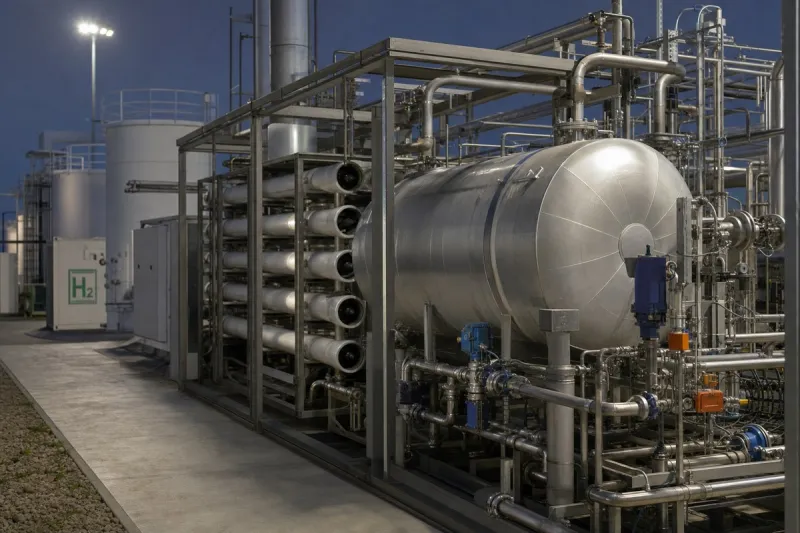
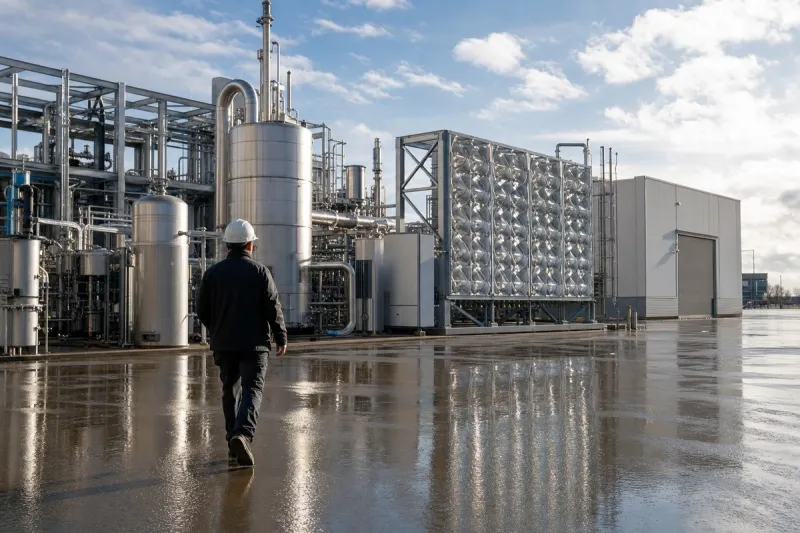
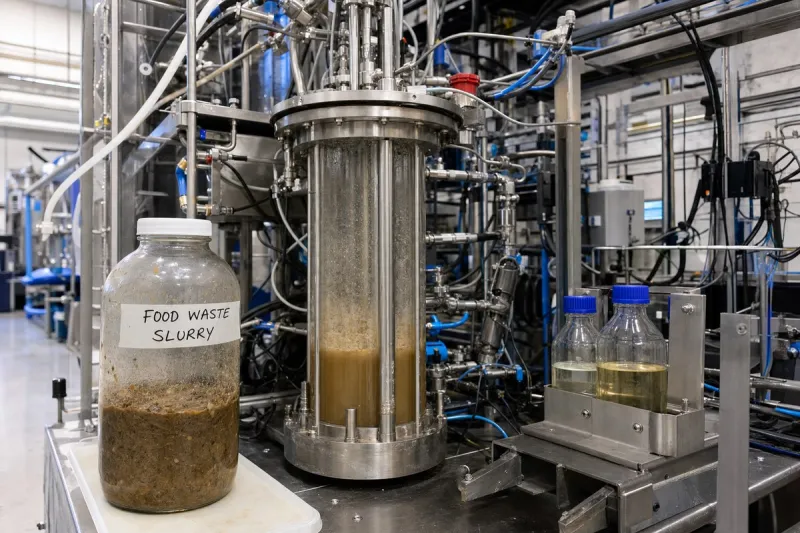
Nova Pangaea Technologies, a clean technology company based in Teesside in northeast England, has completed endurance trials of its process for converting waste biomass into sustainable aviation fuel, a step toward building its first commercial-scale facility. The trials took place at the company's demonstration plant at Wilton and showed continuous, stable operation for up to 72 hours, processing up to three tonnes of softwood residues per day and delivering above-target yields.
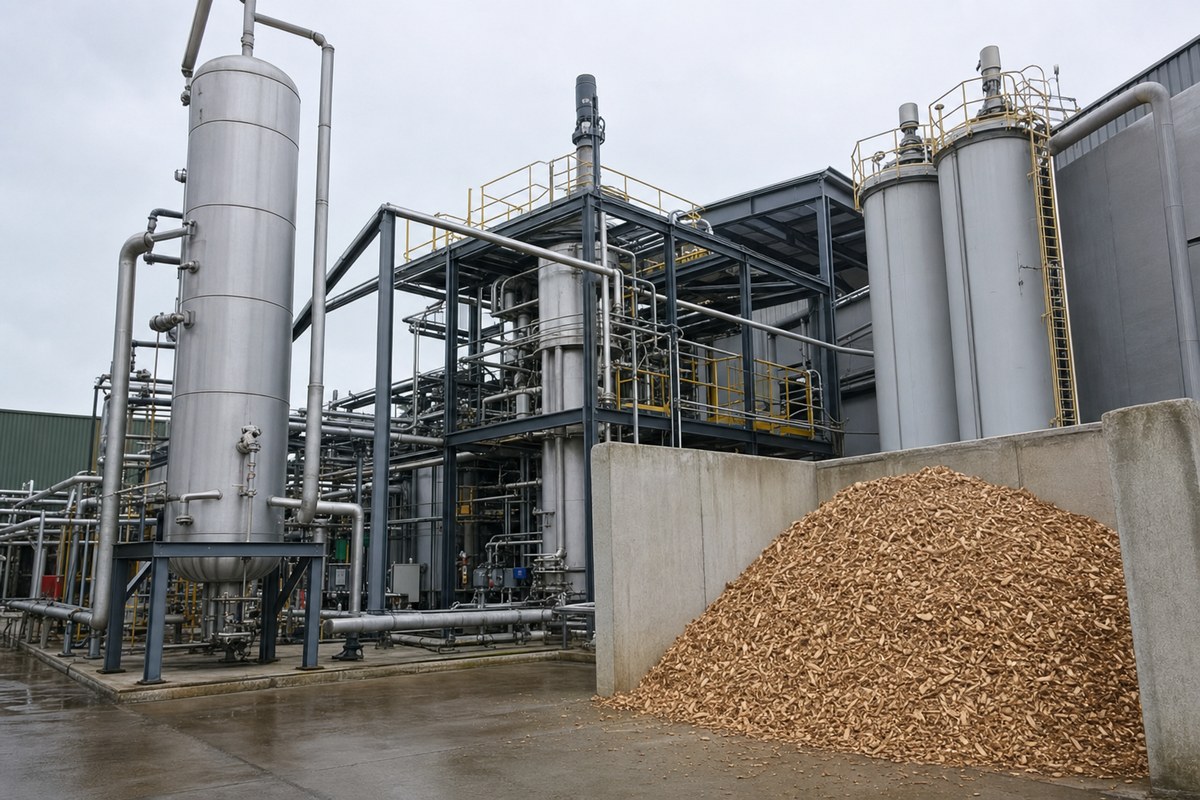
The company's REFNOVA process converts wood chips, sawdust and wheat straw into ethanol, which is then upgraded to SAF, while also generating biochar as a co-product that permanently stores carbon and makes the overall process carbon negative. CEO Stewart Stewart said the trials had validated the technology and should reinforce investor confidence as the company moves toward its first commercial plant, adding that the SAF industry faces rising demand while supply remains constrained by reliance on a single feedstock, primarily used cooking oil, which is in limited supply.
Nova Pangaea is collaborating with British Airways and LanzaJet on Project Speedbird, a UK government-backed initiative to produce carbon-negative aviation fuel from local waste biomass, under which the company plans to build four UK facilities to convert waste into bioethanol for subsequent upgrading to SAF. Current UK and EU regulations require airlines to increase the proportion of SAF in their fuel mix from 2 percent today to as much as 70 percent by 2050, and the International Air Transport Association has said available waste biomass in Europe could produce around 30 million tonnes of SAF by 2030, enough to meet the continent's 2050 SAF targets.
Nova Pangaea has raised more than £21 million from investors including International Airlines Group, PXN Ventures, Mercia Ventures and the first Northern Powerhouse Investment Fund, as well as UK government grants through the Advanced Fuels Fund competition. Early-stage trials conducted in 2025 confirmed the viability of the process beyond the laboratory, and additional trials are planned to refine the design of the first commercial plant.