Blackhawk Aerospace Showcases TBM 700 and Pilatus PC-12 Upgrades at EAA AirVenture 2026
Why It MattersAftermarket engine upgrades let owners of older turboprops match newer factory performance without buying a new airframe, extending the competitive life of legacy fleets.
What happened
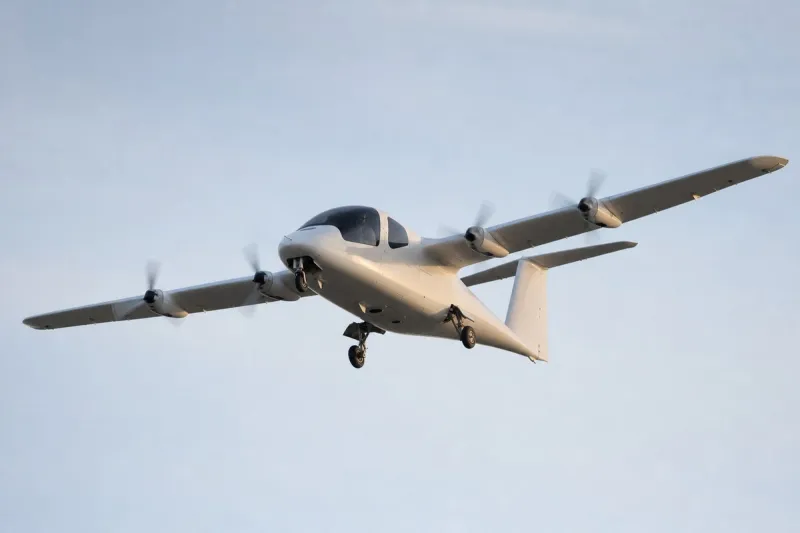
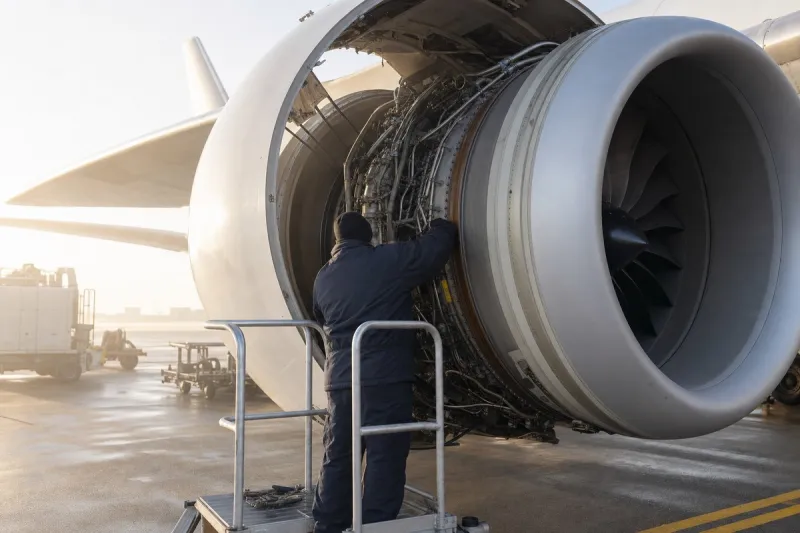
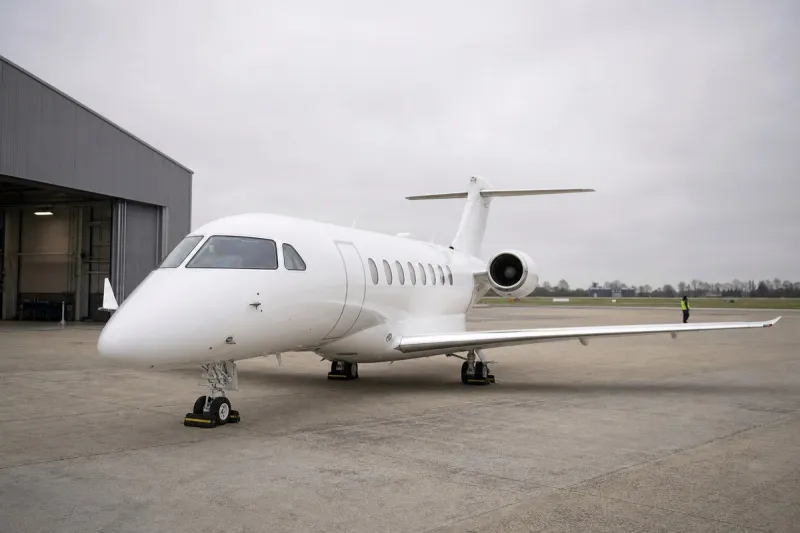
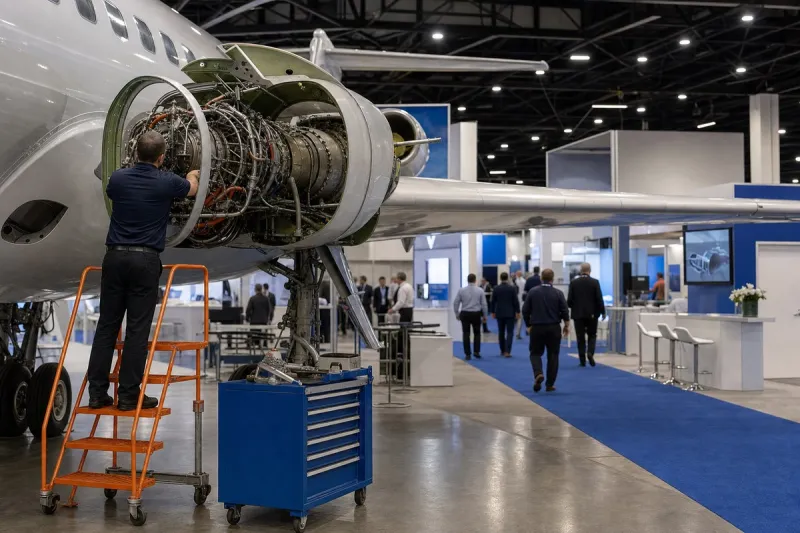
Blackhawk Aerospace showed two upgraded turboprops at EAA AirVenture 2026 at Wittman Regional Airport (OSH) in Oshkosh, Wisconsin, promoting its engine replacement programs for legacy airframes. The first was a Pilatus PC-12 owned by Mark Patey, known in the airshow community as "Perry," fitted with an upgrade that swaps the factory Pratt & Whitney Canada PT6A-67B, rated at 1,200 shaft horsepower, for the uprated PT6A-67P. The new engine raises allowable interstage turbine temperature limits from 800°C at takeoff and 760°C in climb and cruise to 850°C and 820°C, yielding about 142 additional thermodynamic horsepower, and lets the aircraft hold full rated power to 25,000 feet compared with a stock PC-12, which starts losing power above 15,000 feet.
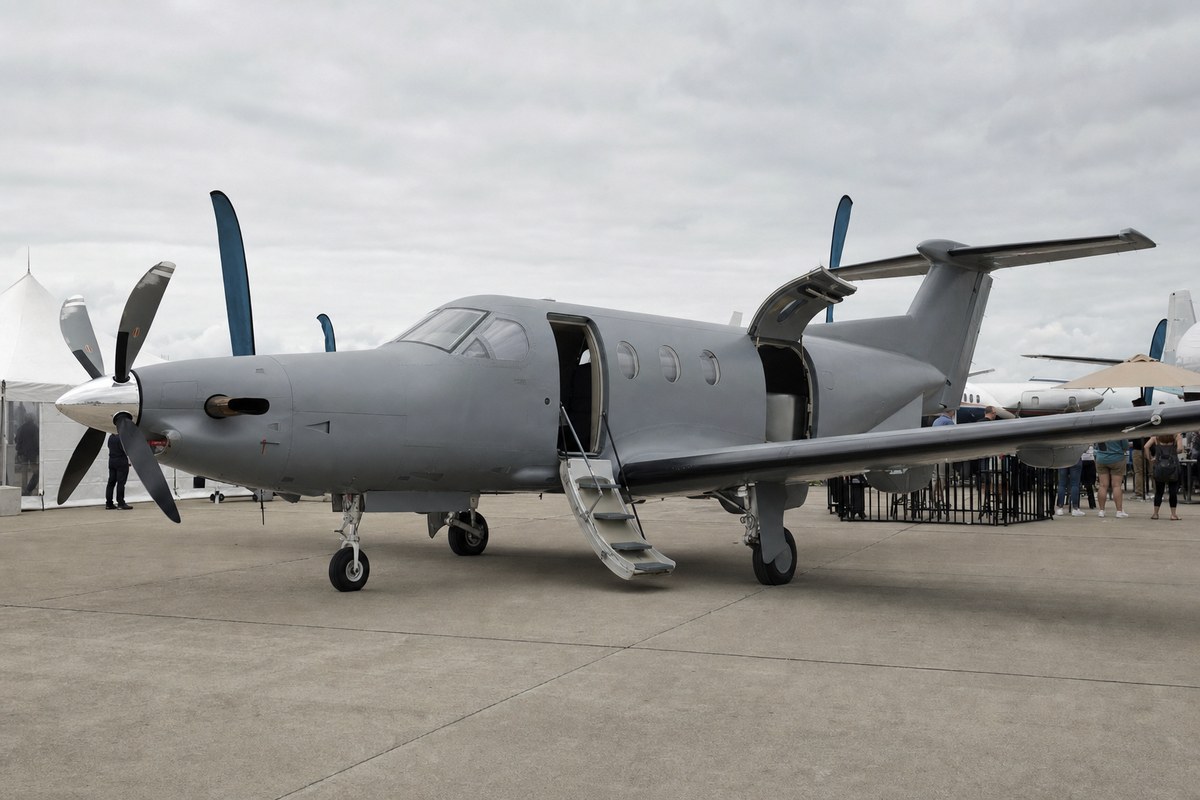
The second aircraft was a TBM 700 whose owner had visited the previous year's AirVenture before commissioning the upgrade. Blackhawk's XP66D program replaces the TBM 700's original PT6A-64, rated at 700 hp, with a PT6A-66D rated at 850 hp — the same engine fitted as standard on the factory TBM 850. Blackhawk states the 150 hp increase lets an upgraded TBM 700 climb to FL310 in about 22 minutes versus roughly 28 minutes for a stock aircraft, and reach cruise speeds up to 303 knots true airspeed, a gain of about 25 knots. The XP66D program has received FAA supplemental type certification.
Edwin Black, president of Blackhawk Aerospace, discussed both programs with Plane + Pilot editor-in-chief Cayla McLeod at the show, with the booth situated near exhibits for Boeing and Garmin. EAA reported approximately 734,000 visitors over the week of AirVenture 2026, an event whose opening days were affected by wildfire smoke drifting from Canada that blanketed the Fox River Valley and required Wittman Regional's approach controllers to operate the field under IFR conditions before conditions cleared.
Industry impact & what to watch
Engine-replacement programs like these give owners of older turboprop airframes a path to factory-level or better performance instead of trading into a newer model, spreading the value of a certified airframe over a longer service life. The PC-12 case shows the upgrade closing a specific operational gap — power retention at altitude — while the TBM 700 case shows a supplier effectively converting one model into the performance class of its factory successor by installing that successor's own engine.
This segment of general-aviation aftermarket work depends on supplemental type certificates that let a shop legally substitute a different engine model on an existing airframe, and it competes for attention at events like AirVenture where buyers can see the modified aircraft alongside OEM booths. The fact that the TBM 700 owner had attended the prior year's show before commissioning the work points to how these sales often start with the aircraft on static display rather than through a formal sales channel.
What comes into view next is whether additional owners of PC-12 and TBM 700 airframes follow with their own orders once word of these two conversions circulates, and whether Blackhawk discloses further customer aircraft at future shows.