Captured CO₂ as Synthetic Fuel Feedstock Offers Pathway to Decarbonize Aviation, Shipping, and Road Transport
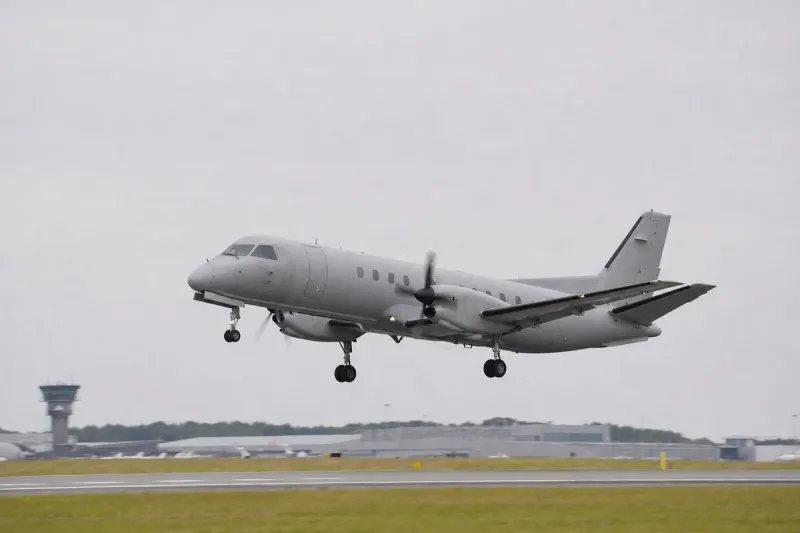
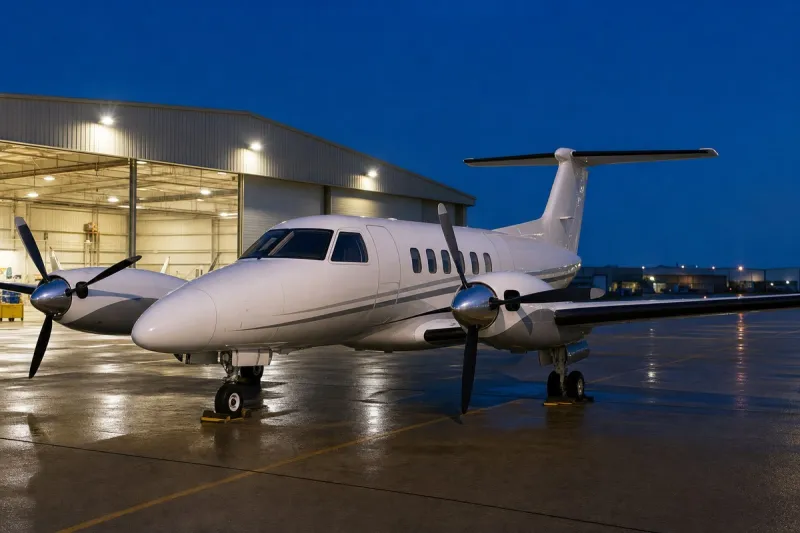
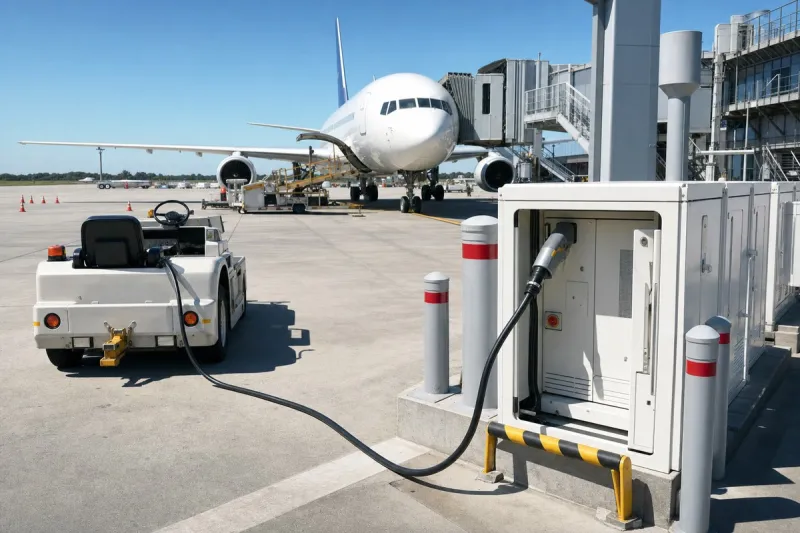
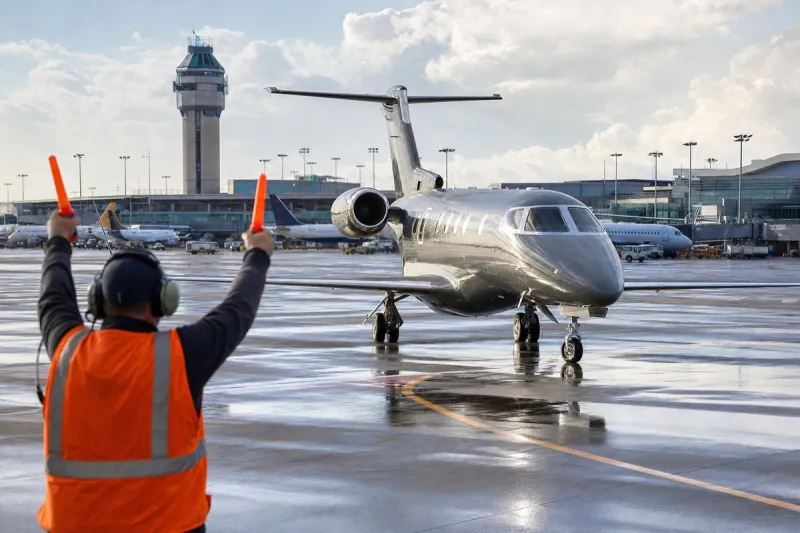
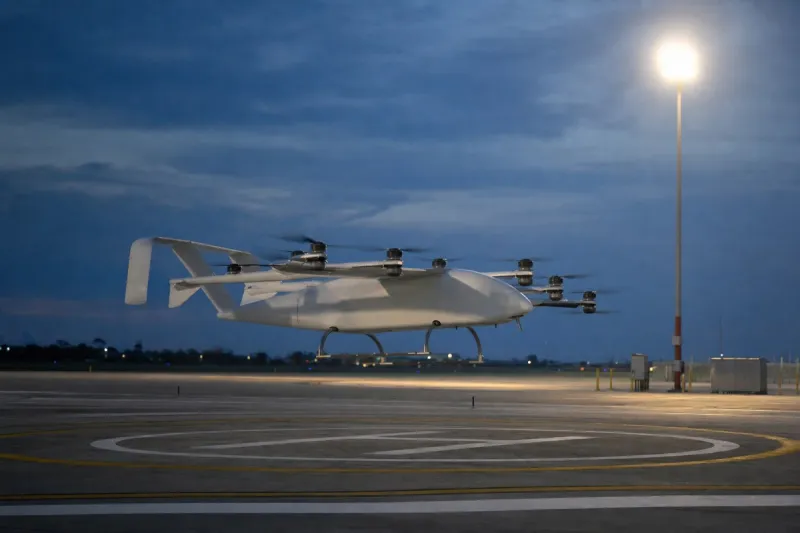
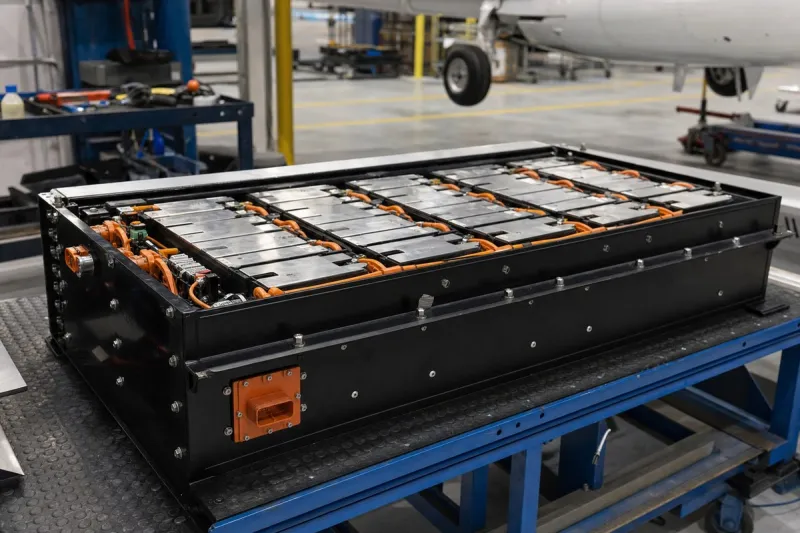
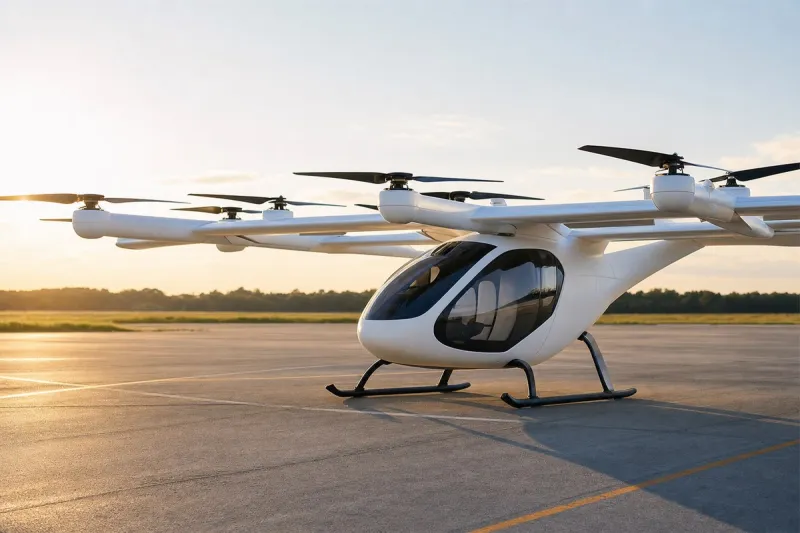
Why It MattersBusiness aviation's near-term emissions strategy hinges on SAF adoption, since battery-electric propulsion remains impractical for aircraft due to weight and energy-density limits.
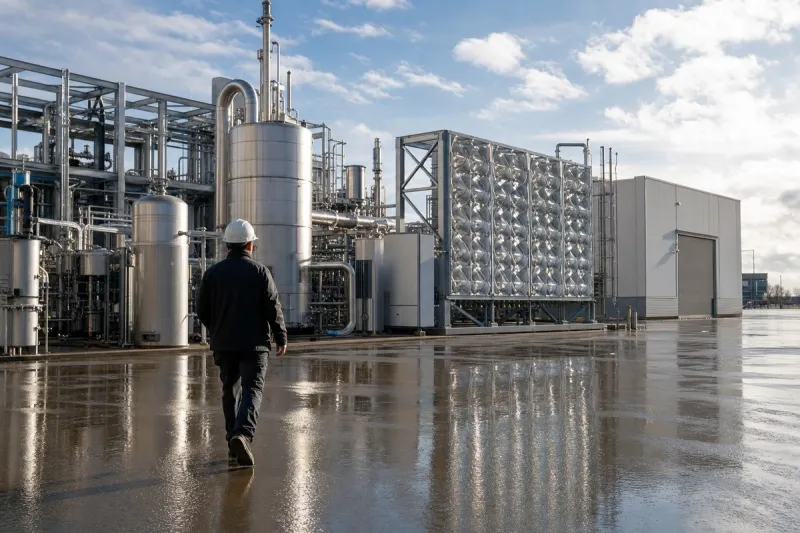
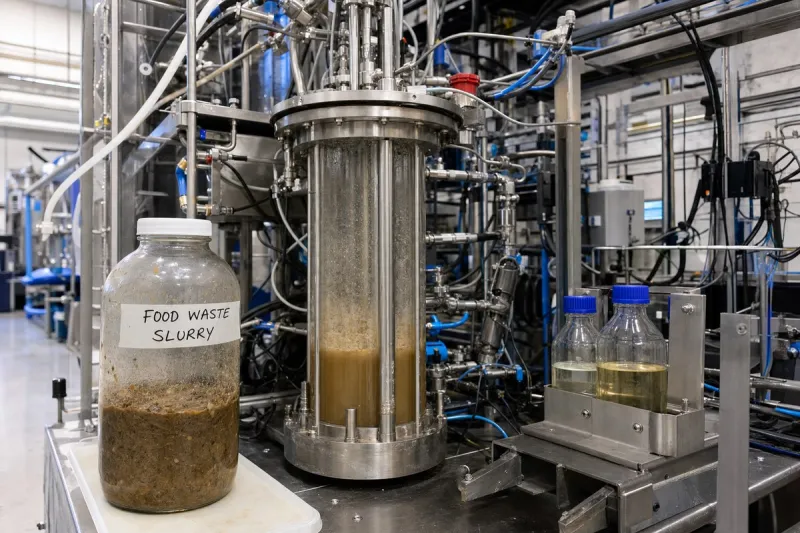
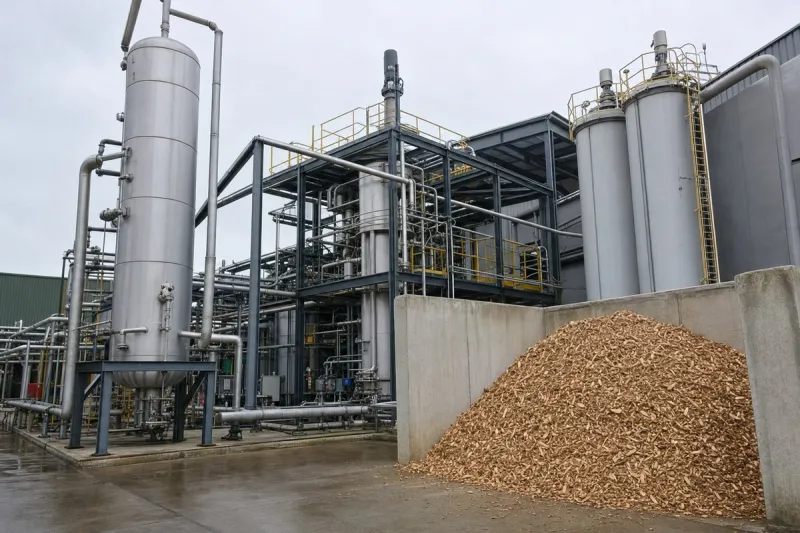
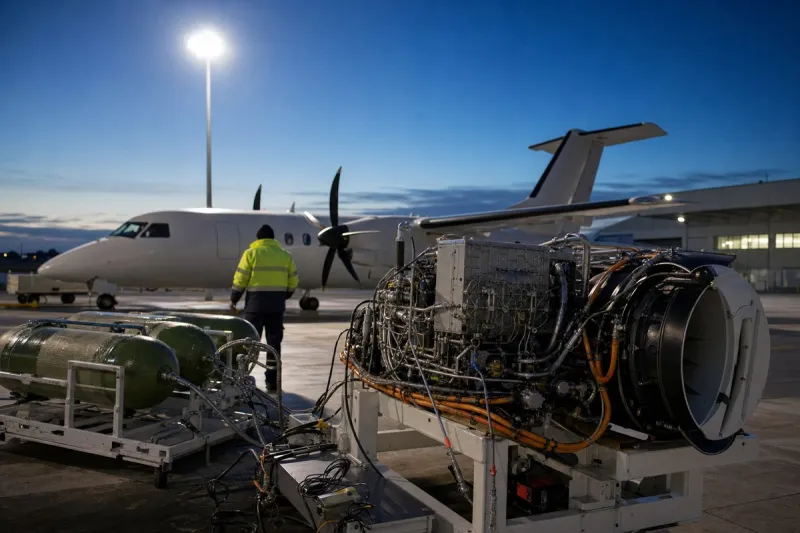
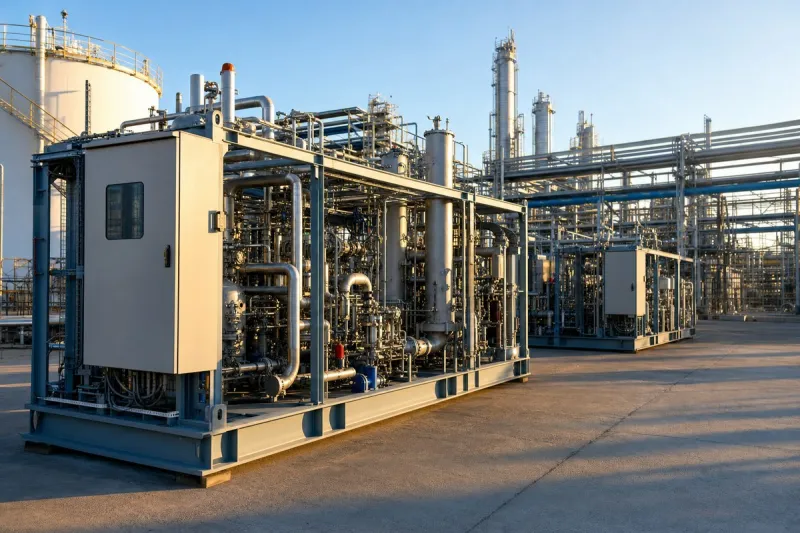
Transportation accounts for nearly a quarter of global CO₂ emissions, and emerging technologies now convert captured carbon dioxide into synthetic fuels for vehicles, aircraft, and ships. The process combines CO₂, captured from the atmosphere or industrial exhaust, with green hydrogen made through renewable-powered electrolysis, producing e-fuels such as synthetic diesel, jet fuel, methane, methanol, and ammonia that are chemically identical to conventional fuels and usable in existing engines and infrastructure.
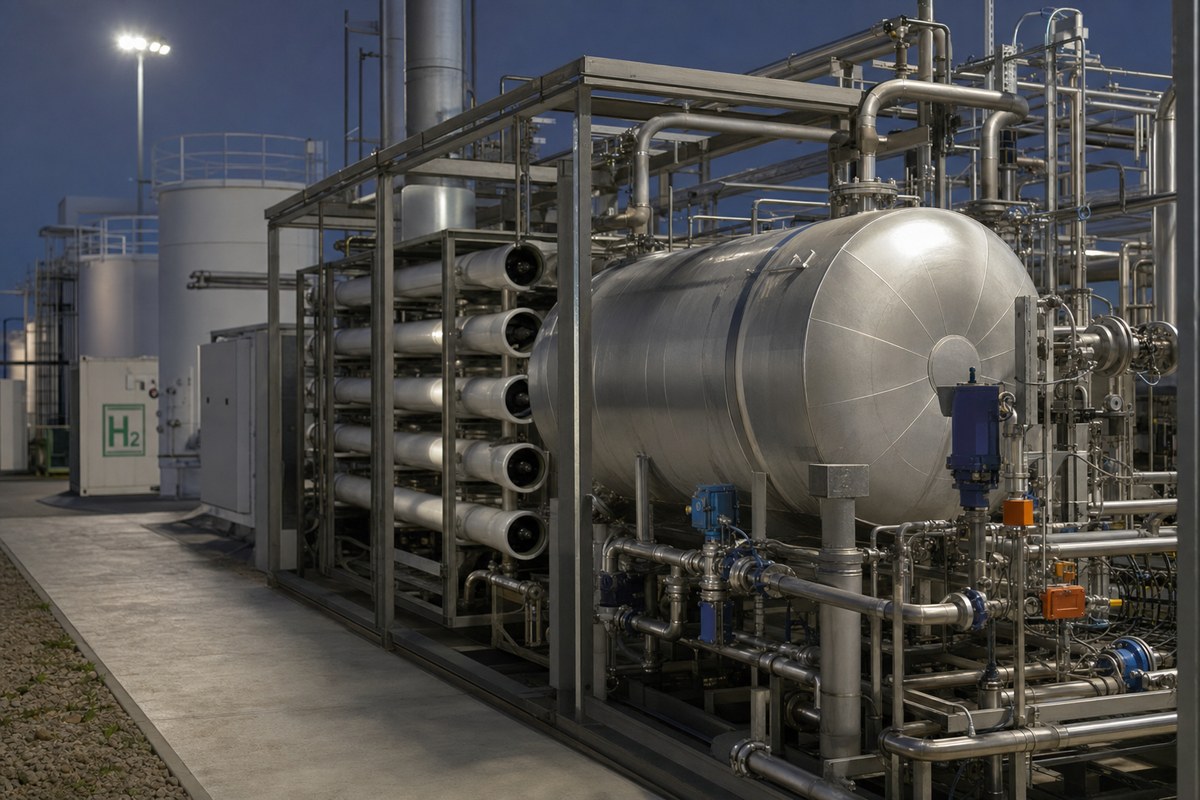
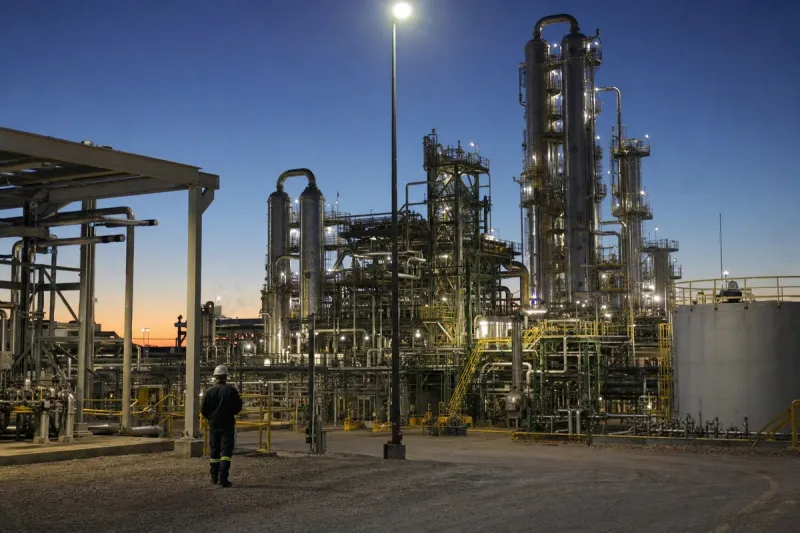
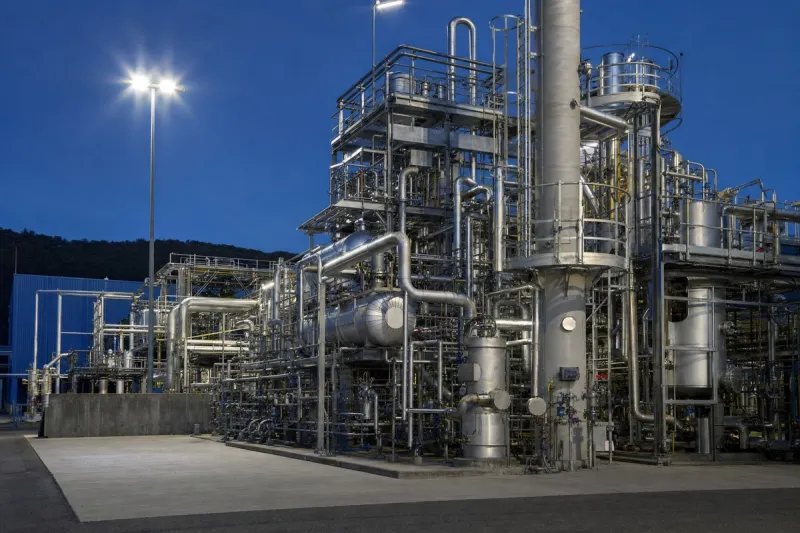
LanzaTech and Carbon Engineering have demonstrated commercial-scale production of jet fuel and diesel from captured carbon, alongside power-to-liquid facilities operating at demonstration scale in Germany and Iceland, though production costs remain substantially higher than fossil fuels.
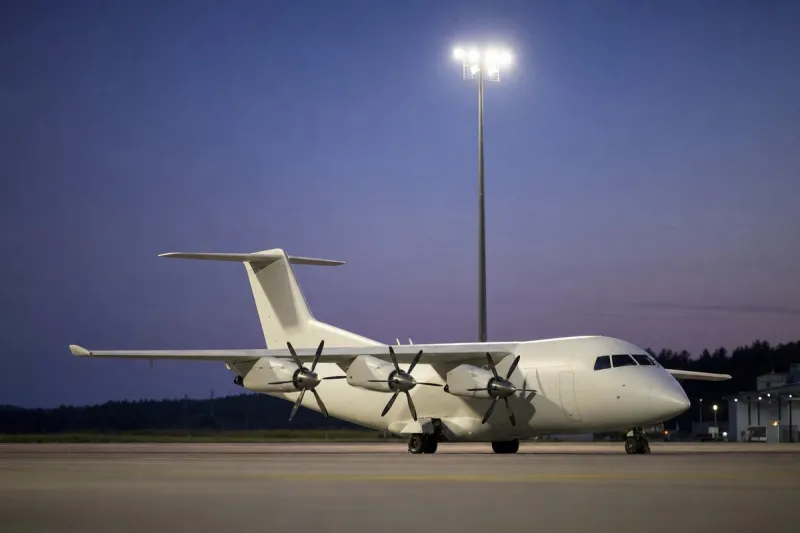
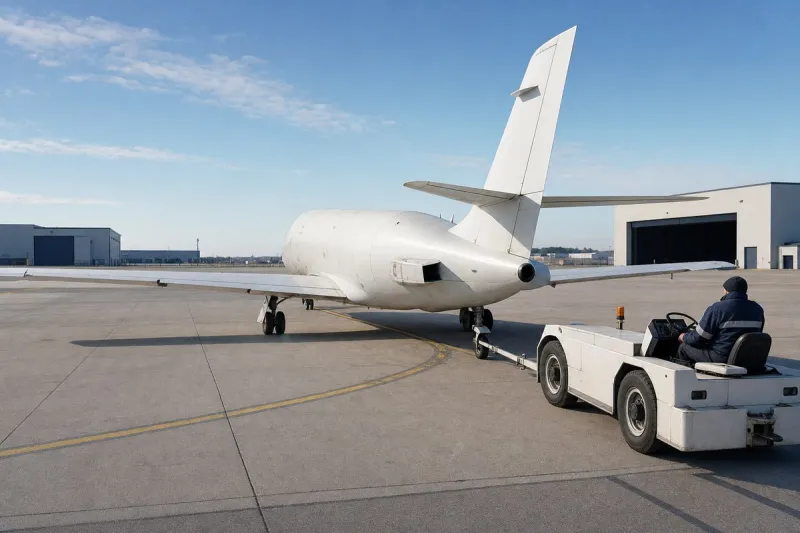
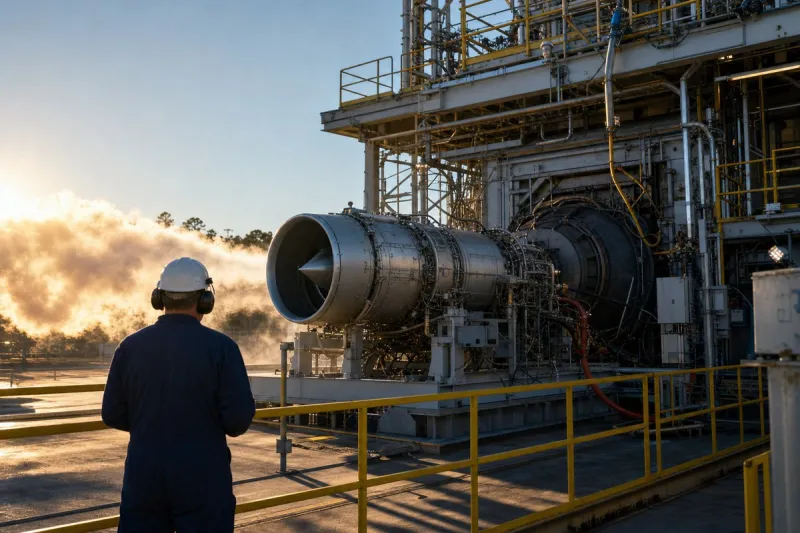
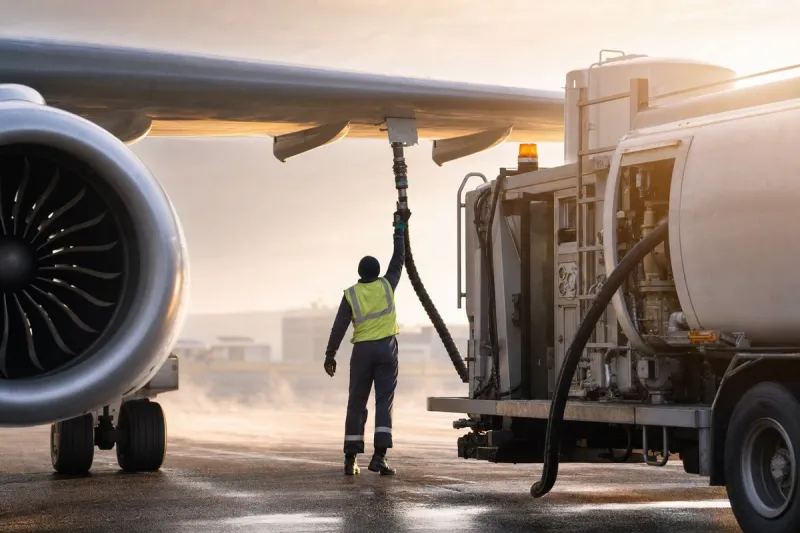
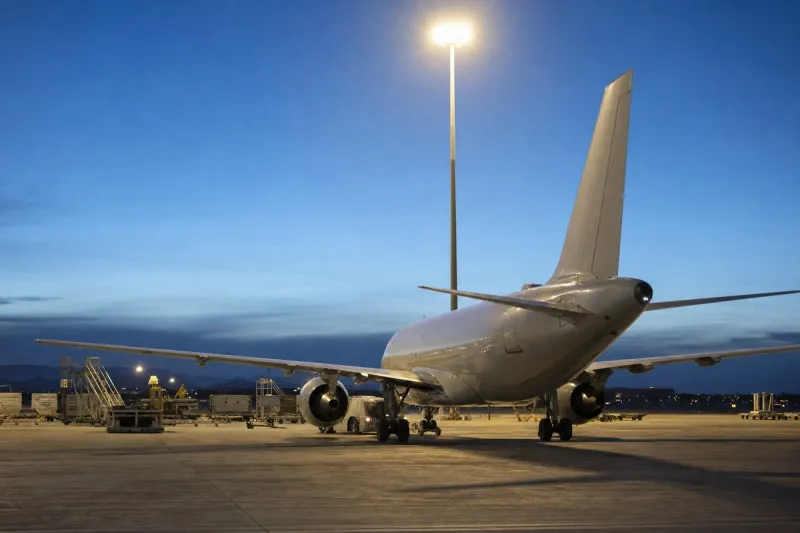
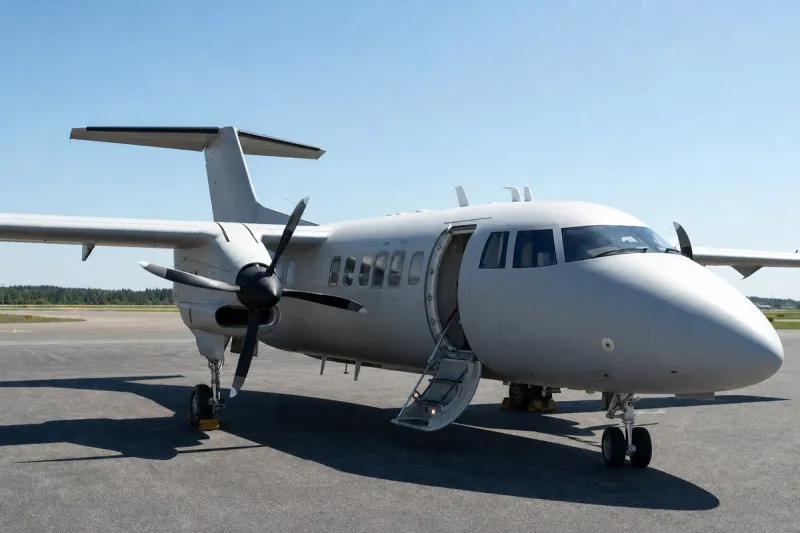
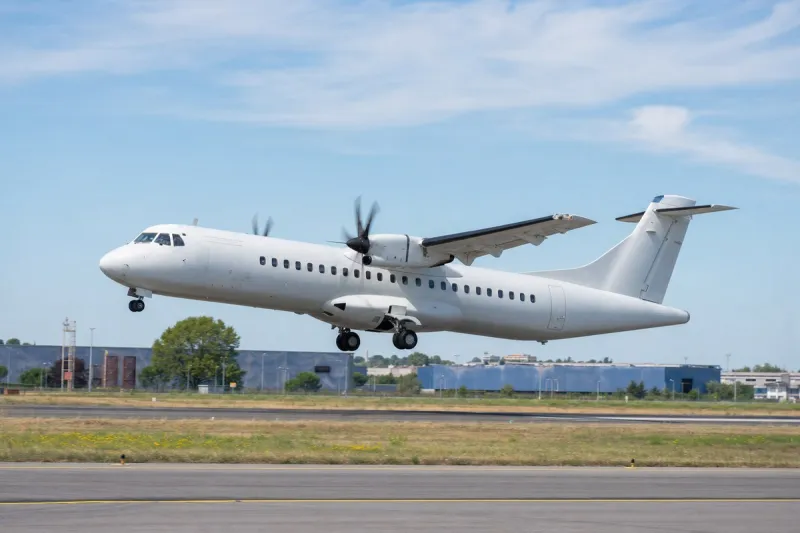
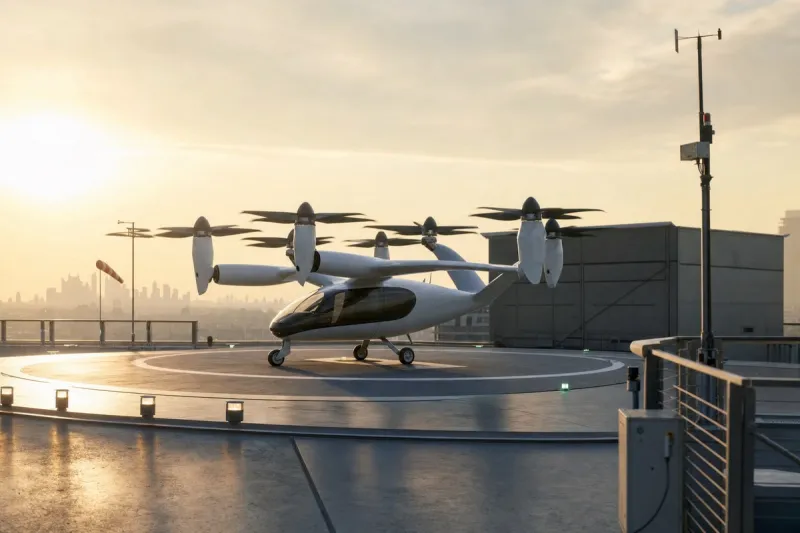
Aviation, responsible for approximately 2–3% of global CO₂ emissions, is seen as most suited to synthetic aviation fuel (SAF) as its near-term decarbonization path, given the weight and energy-density constraints battery-electric propulsion faces. SAF can cut lifecycle emissions by up to 80% versus conventional jet fuel when made with renewable energy and atmospheric carbon capture, though current production costs run three to five times those of fossil-based jet fuel. For heavy-duty road transport and shipping, synthetic diesel, methanol, and ammonia offer drop-in alternatives, with several major shipping companies already testing methanol-powered vessels.
Scaling these technologies industrially requires expanded renewable energy capacity, lower electrolyzer costs, improved catalyst efficiency, and significant capital investment in capture, conversion, and distribution infrastructure, alongside coordinated policy frameworks, carbon pricing mechanisms, and public-private partnerships.