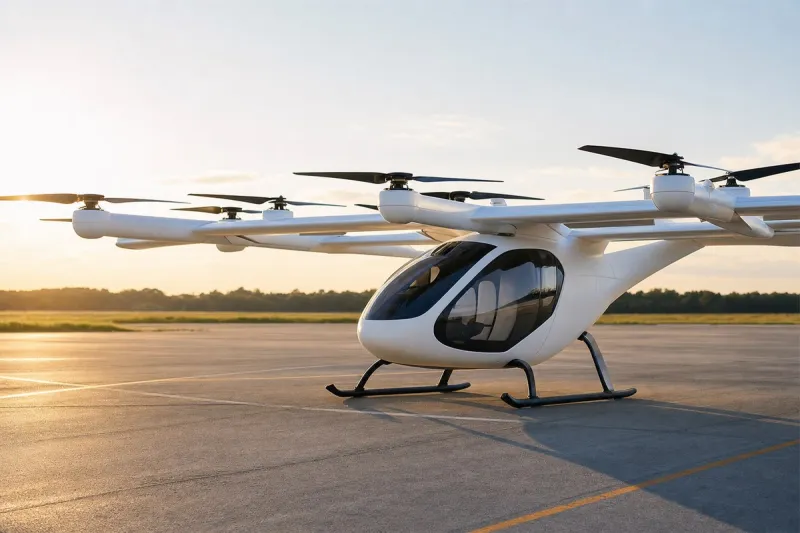
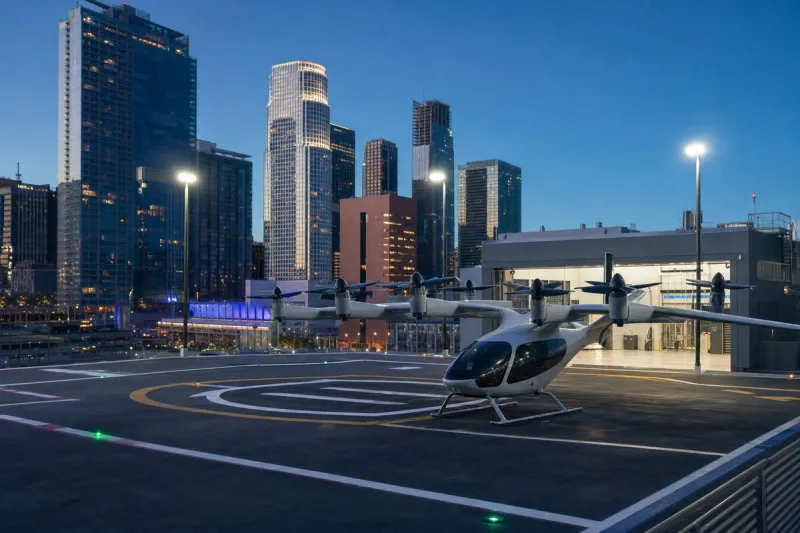
Battery Energy Density Gap Limits Electric Aircraft Range in 2026, Constraining Velis Electro, Eviation Alice and Heart Aerospace ES-30
Why It MattersBattery-electric propulsion economics remain bounded by physics rather than engineering progress, pushing the segment toward hybrid-electric and hydrogen-electric architectures as the credible route past the current energy-density ceiling.
What happened
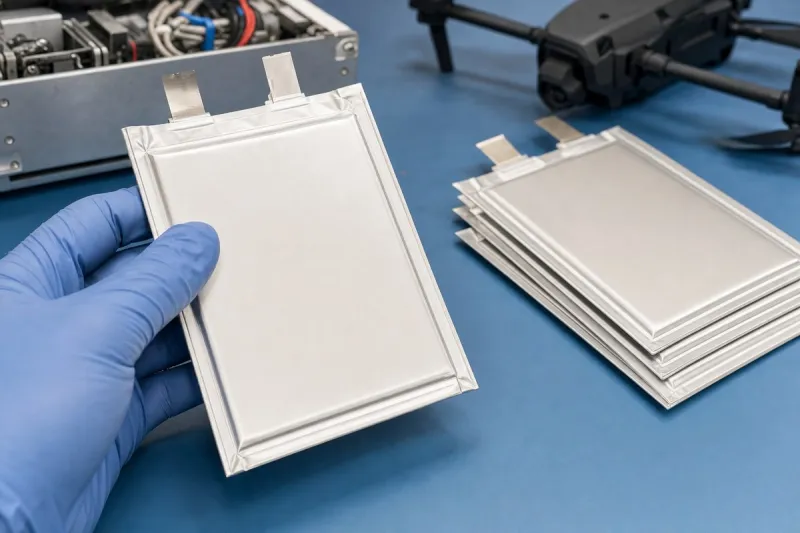
Jet-A kerosene delivers approximately 12,000 Wh/kg of gravimetric energy density, while the best commercialised aviation-grade lithium-ion cells — including high-nickel NMC and emerging silicon-anode chemistries entering certification pipelines in 2026 — reach only 250–350 Wh/kg at the cell level. Once packaging, cooling, busbars and battery management electronics are included, effective specific energy at the pack level falls further to roughly 160–230 Wh/kg.
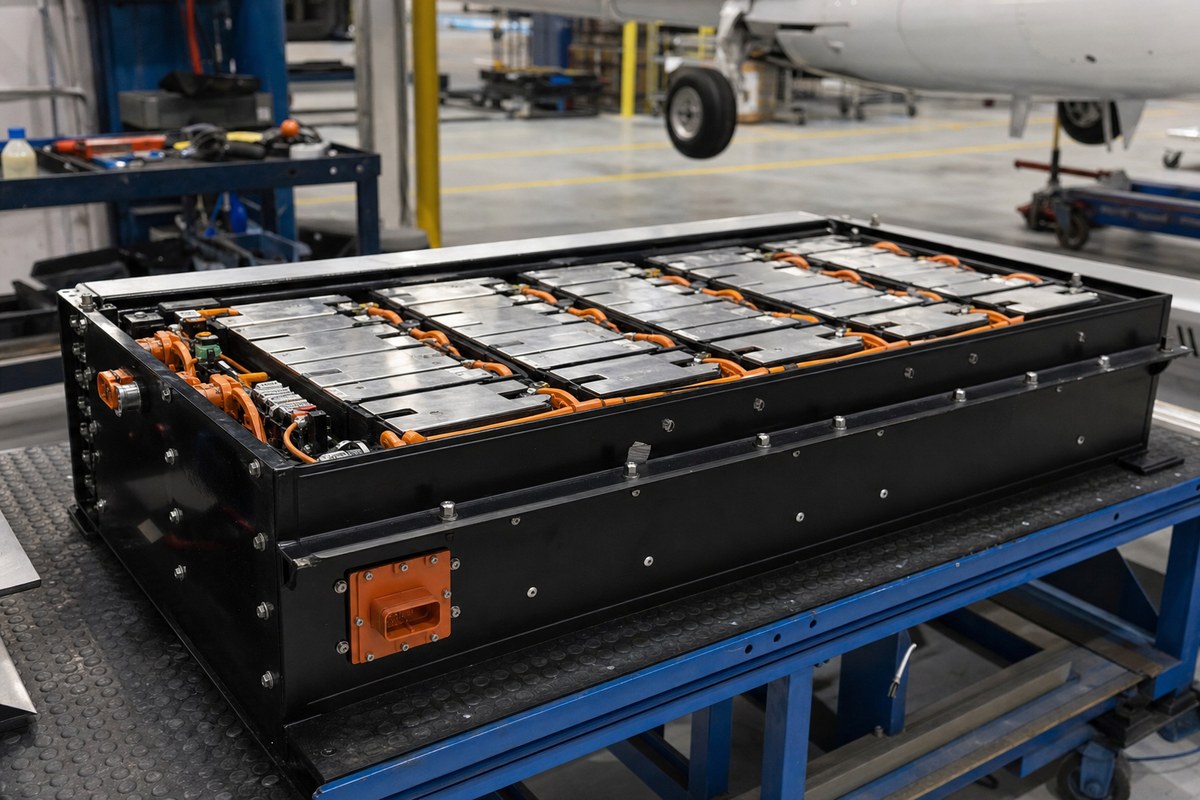
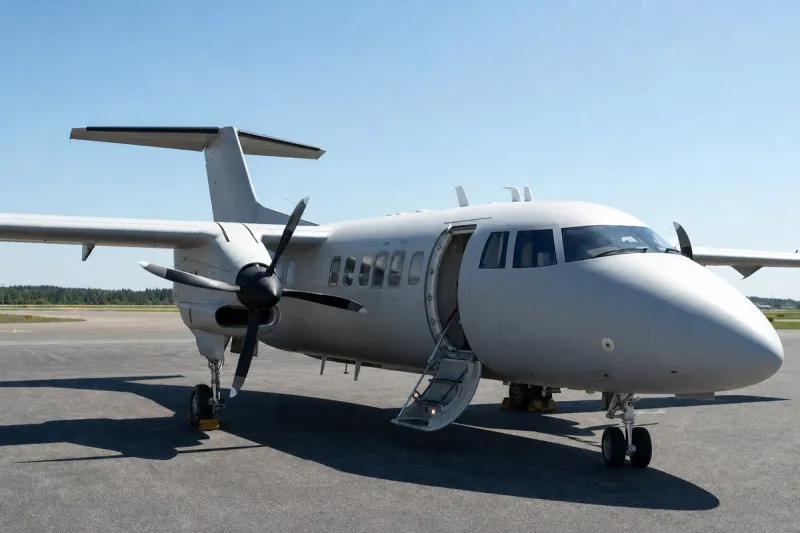
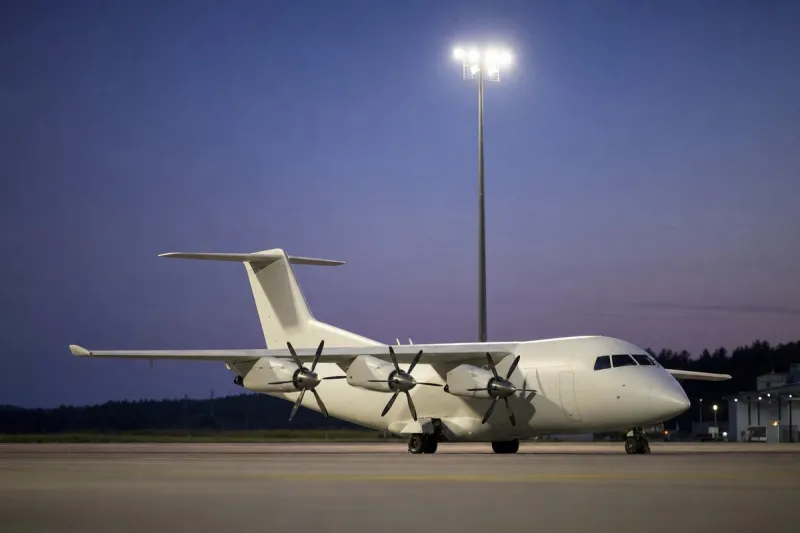
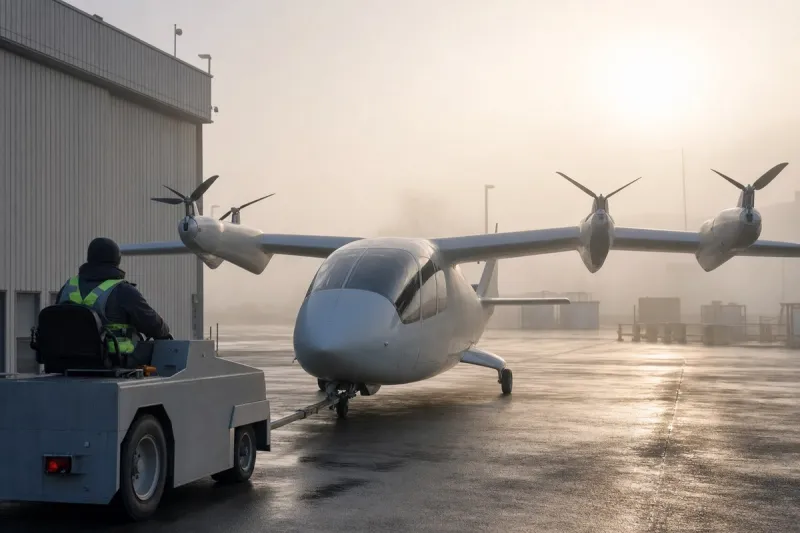
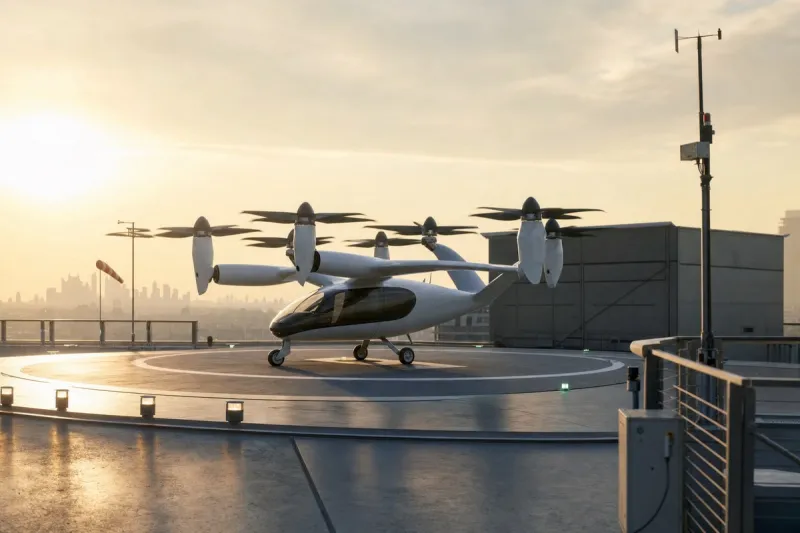
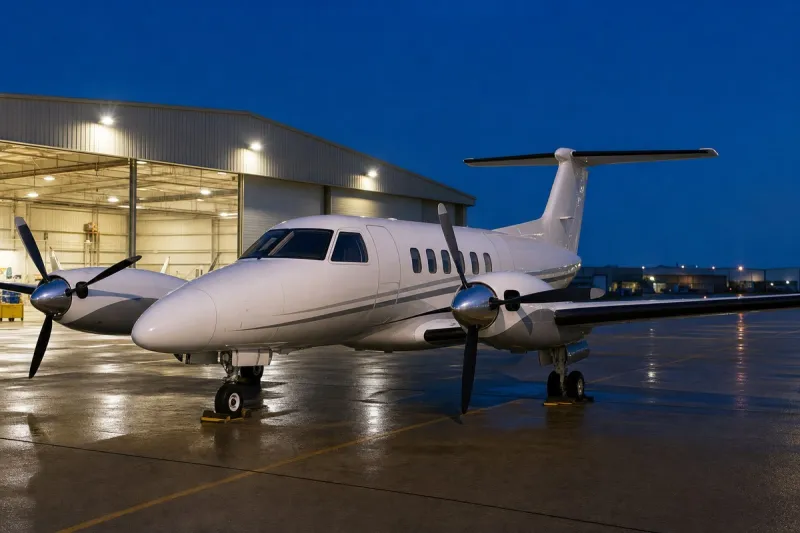
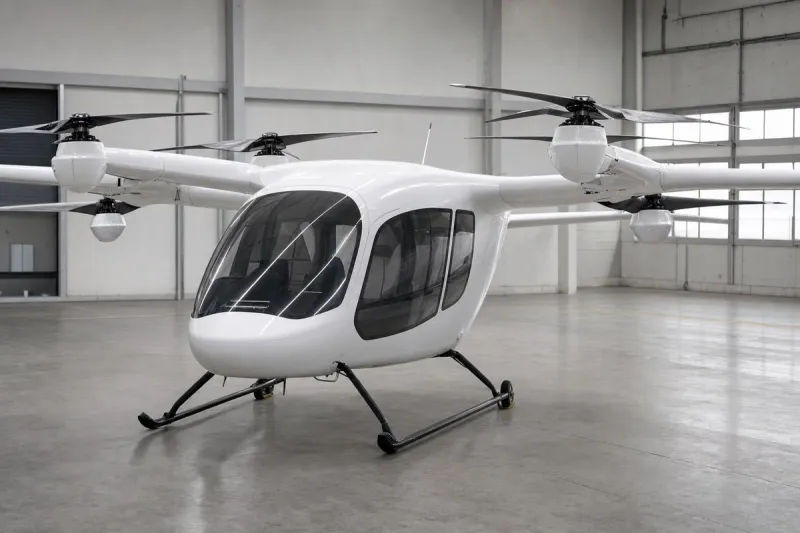
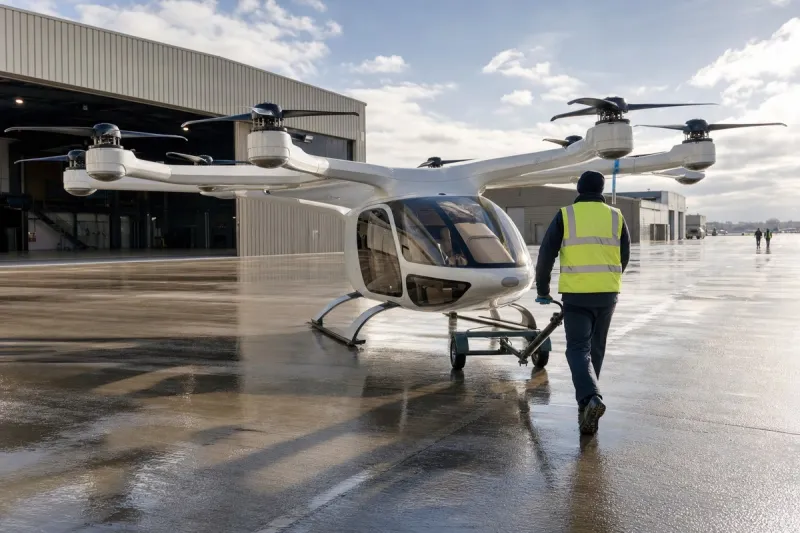
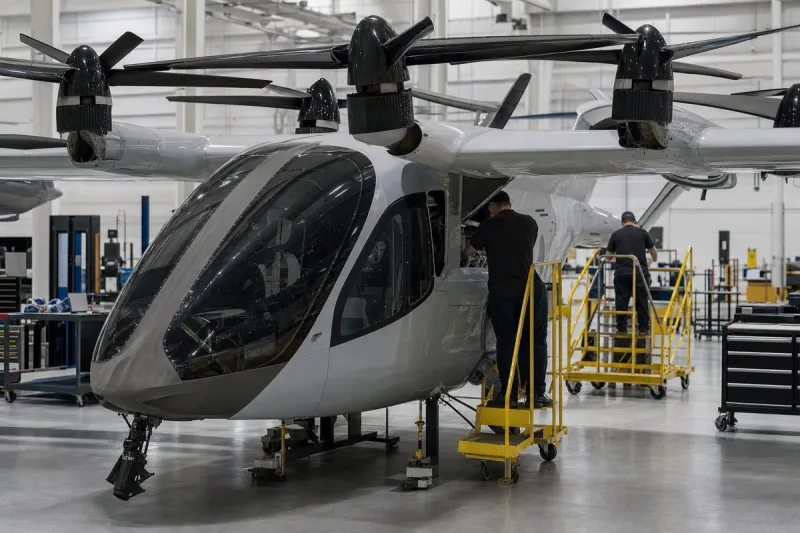
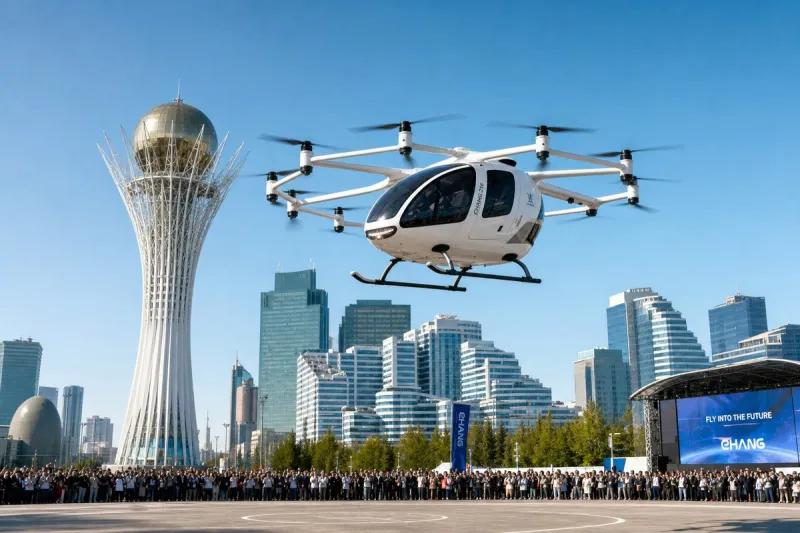
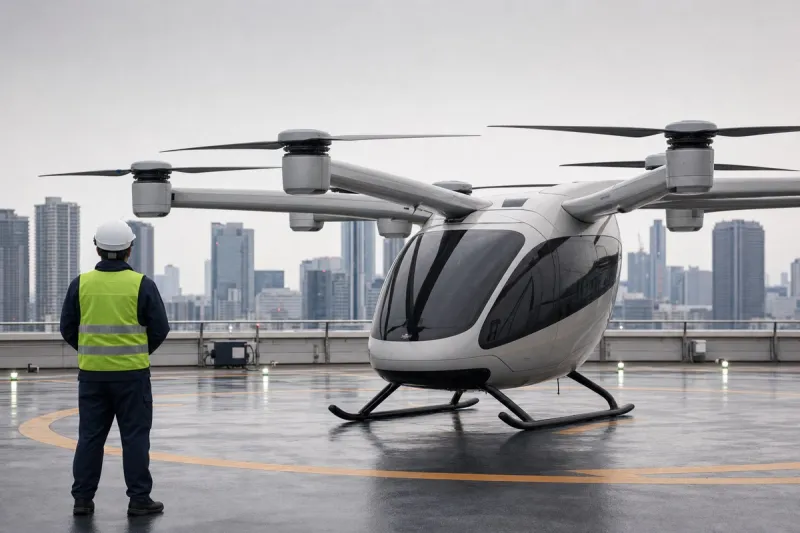
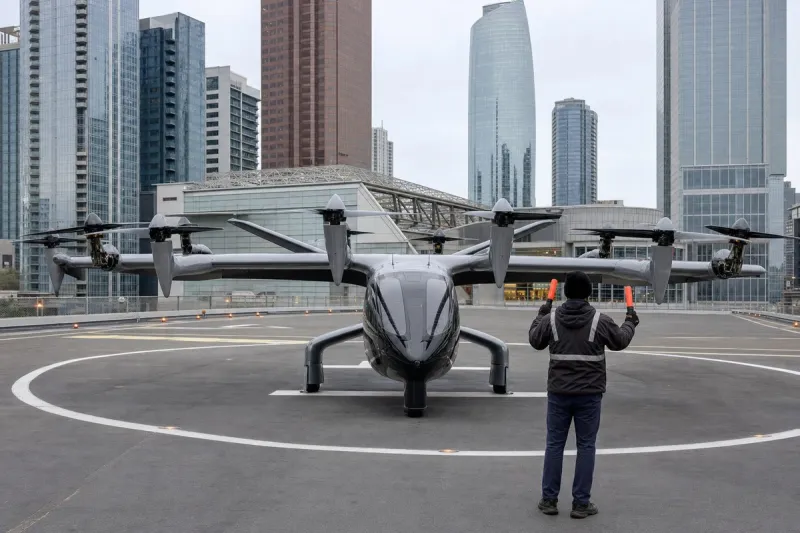
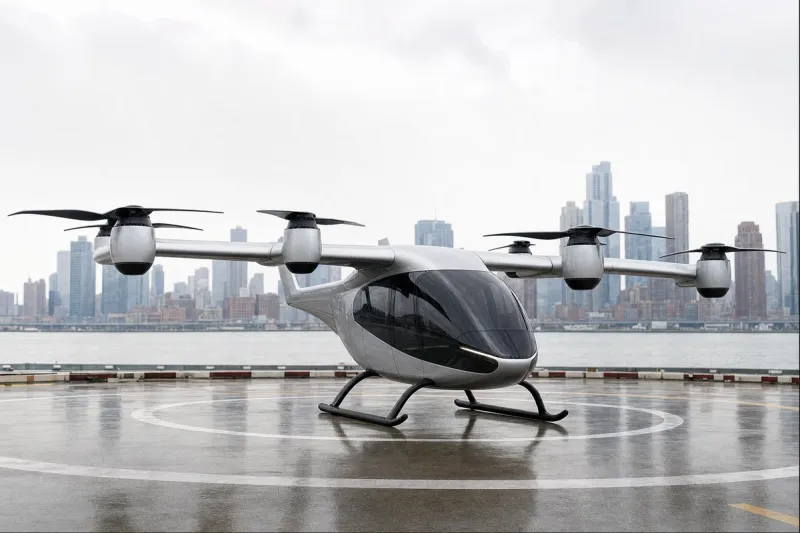
A conventional jet can land at 15–20% below its takeoff weight as fuel is consumed, reducing wing loading for final approach, whereas a battery pack remains fully present and fully inert on landing regardless of its state of charge. This means an electric aircraft's maximum landing weight is effectively equal to its maximum takeoff weight. This constraint shapes airframe, motor and route-planning decisions and directly limits certified and in-development aircraft including the Pipistrel Velis Electro, Eviation Alice and Heart Aerospace ES-30.
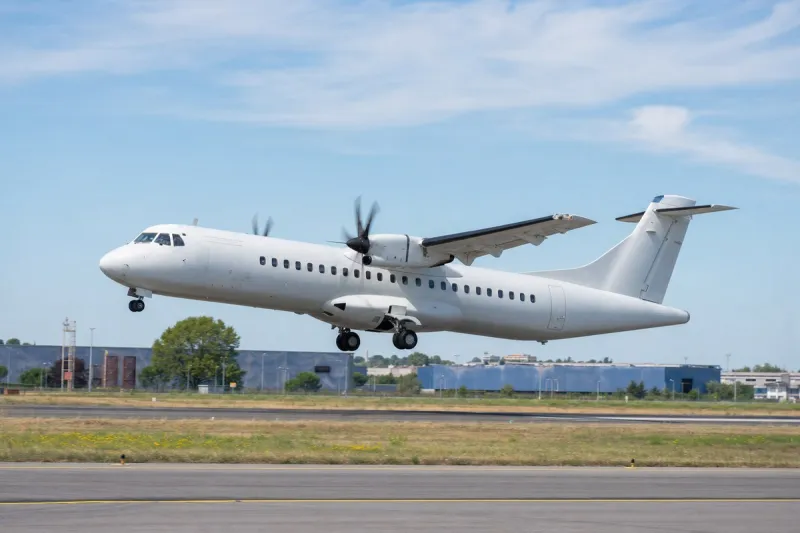
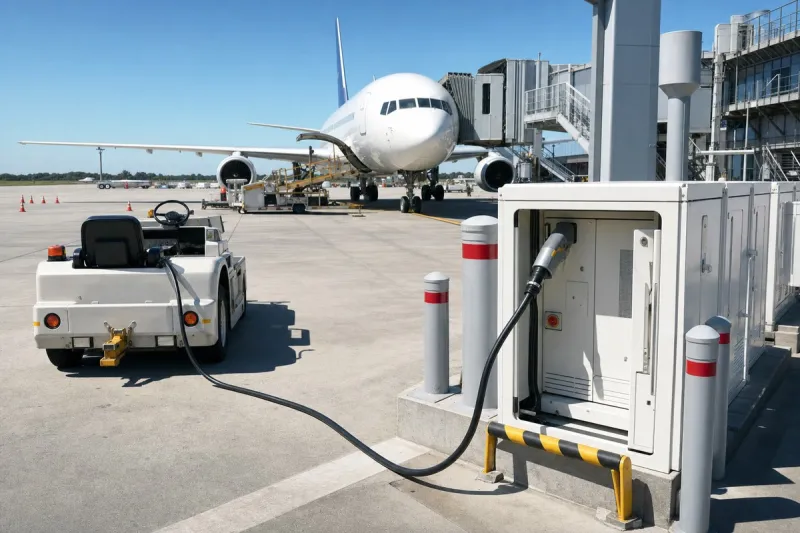
Regional carriers typically turn aircraft around in 30–45 minutes, and replicating that cadence for a battery-electric regional airliner requires megawatt-class charging at every served gate. No UK or EU regional airport currently operates such infrastructure at scale, and retrofitting gate power, transformer capacity and thermally safe charging interfaces across a network represents a multi-year, multi-billion-pound undertaking that airport and grid operators have not yet jointly committed to.
Industry impact & what to watch
This is a case of physical limits, not product execution: the gap between kerosene's roughly 12,000 Wh/kg and lithium-ion's 250–350 Wh/kg at the cell level sets a ceiling that airframe design and route planning can work around but not remove. The landing-weight asymmetry compounds this, since a battery-electric aircraft cannot shed mass in flight the way a fuel-burning one does, pushing designers toward smaller payloads and shorter stage lengths to stay within structural limits.
Regional aviation economics depend on fast gate turns, and matching a 30–45 minute turnaround with megawatt-class charging requires grid and airport infrastructure that does not yet exist at scale anywhere in the UK or EU, turning this into a capital and utility-planning problem as much as an aircraft one.
Hybrid-electric and hydrogen-electric architectures are positioned as the credible bridging pathways precisely because neither claims to raise battery specific energy itself — they route around the ceiling rather than lift it. Whether lithium-ion chemistry can close the order-of-magnitude gap needed for broader commercial missions within this decade is the open question the current technology roadmap does not answer, leaving the near-term electric aircraft segment confined to short-range, low-payload operations.