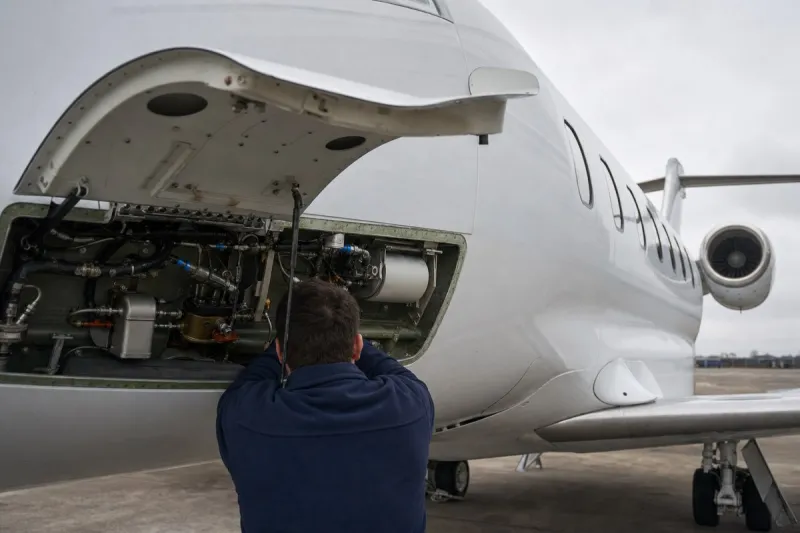
NREL Converts Food Waste into SAF with Up to 165% Net Carbon Emission Reduction
Why It MattersSAF pathways built on waste feedstocks can claim carbon credit beyond fuel substitution alone by counting avoided landfill emissions, but scaling depends on collection logistics and dedicated upgrading capacity rather than chemistry.
What happened
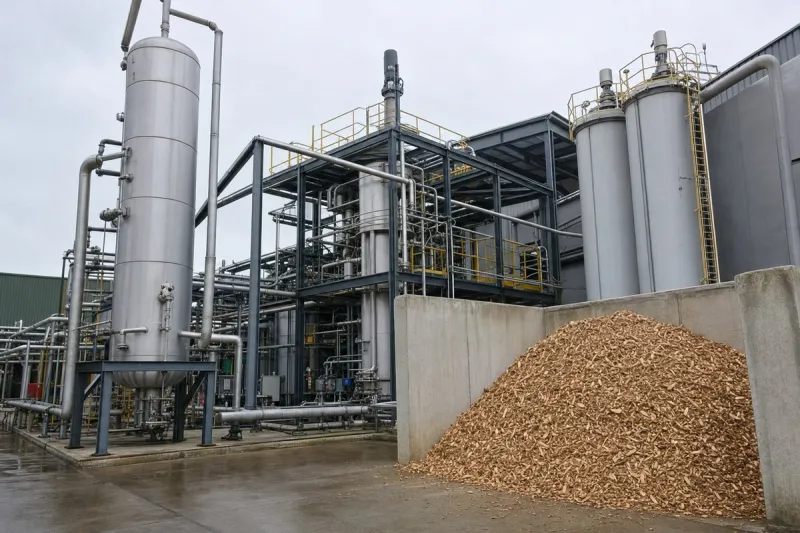
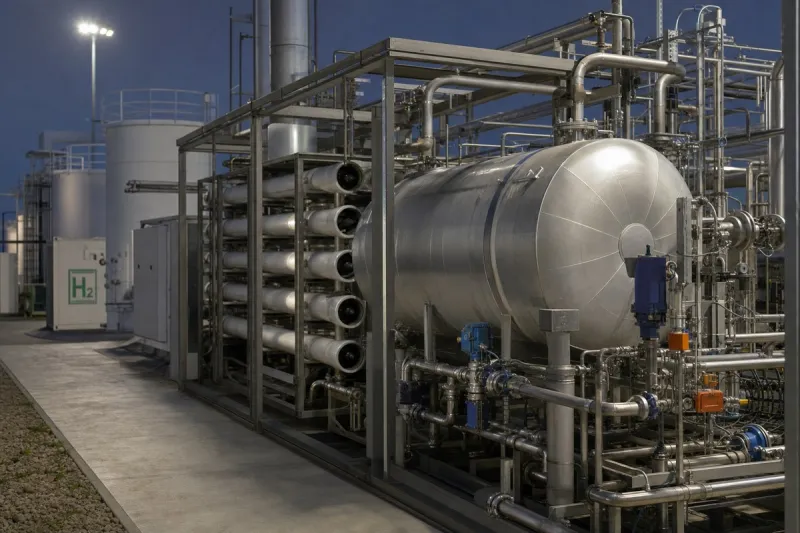
Researchers at the U.S. National Renewable Energy Laboratory developed a two-step process in 2021 to produce sustainable aviation fuel from food waste: fermentation of the waste into volatile fatty acids, followed by catalytic upgrading of those acids into jet fuel. The fermentation step is deliberately halted before methane formation, yielding volatile fatty acids with hydrocarbon chain lengths of two to eight carbons.
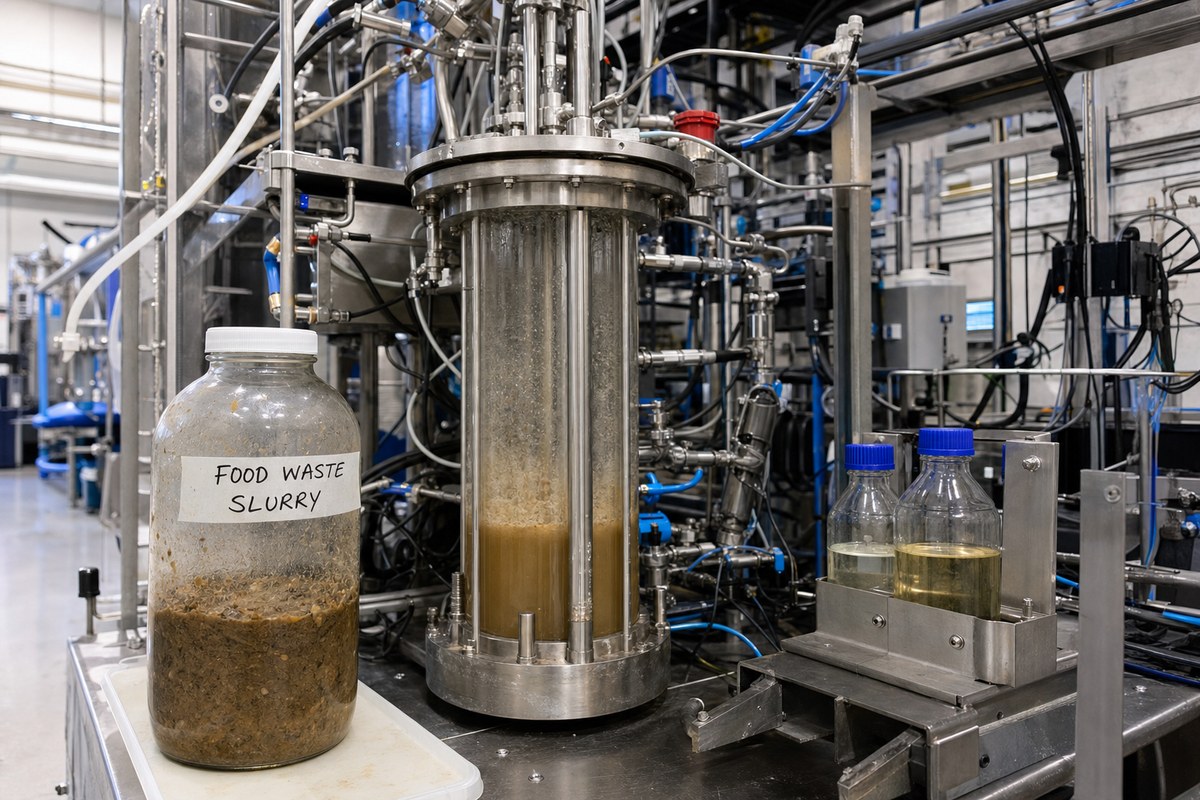
Catalytic conversion produces two fuel products. Straight-chain normal paraffins qualify under ASTM International's Fast Track pathway for jet fuel blends of up to 10%, while branched isoparaffins are aimed at supporting blend levels of up to 70% under a longer certification pathway. A peer-reviewed life-cycle assessment published in Environmental Science & Technology estimated the pathway could cut net carbon emissions by up to 165% compared with conventional jet fuel, a figure that applies specifically when the food waste feedstock is assumed to have otherwise gone to landfill. The conventional jet fuel reference used in the assessment was 88.9 g CO₂-eq/MJ, and the reduction reflects both displacement of petroleum jet fuel and avoided landfill methane emissions.
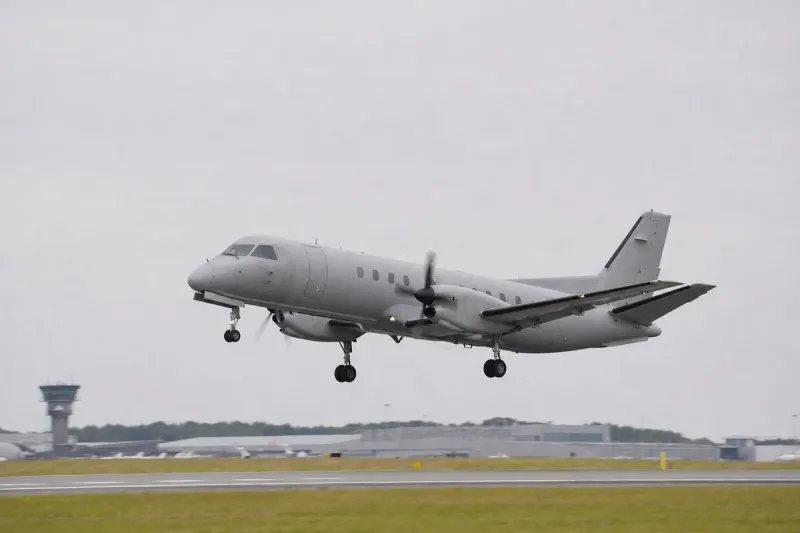
A 2022 paper in Proceedings of the National Academy of Sciences reported that a 70% blend of the VFA-derived SAF produced 34% lower soot than fossil jet fuel. Zirconia-based catalysts demonstrated stable performance over roughly 100 hours in reforming tests, according to a 2023 study in Catalysts. NREL stated the fuel is compatible with existing aircraft engines and airport infrastructure. For context on demand, U.S.-based airlines consumed approximately 18.3 billion gallons of jet fuel in 2019, according to Department of Energy data, and the U.S. Energy Information Administration projects global commercial jet fuel demand to more than double by 2050 under baseline scenarios.
Industry impact & what to watch
This case belongs to a broader push to source SAF from waste streams that carry a double emissions credit: substituting for petroleum jet fuel while also avoiding methane that would have been released had the feedstock been landfilled. Life-cycle figures built on that avoided-landfill assumption can therefore exceed 100% net reduction, which is a different accounting basis than fuels credited only for displacing fossil carbon.
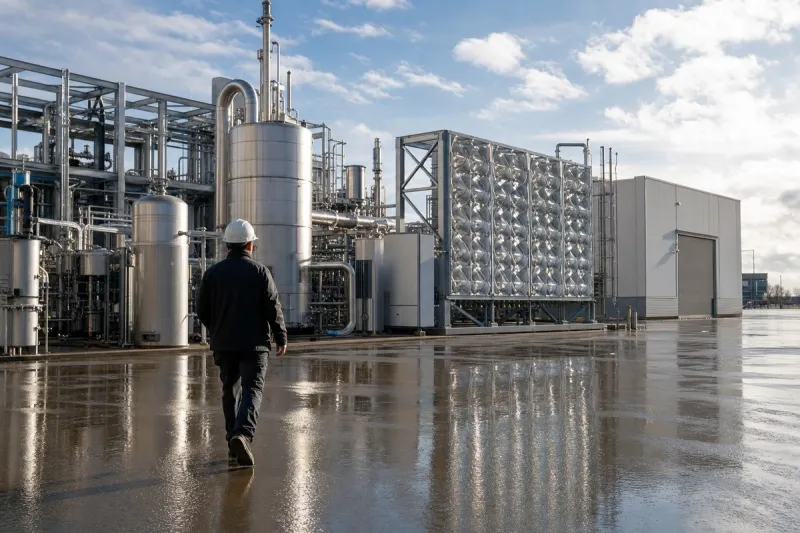
How far any waste-based SAF pathway scales depends less on the chemistry and more on logistics: collecting millions of tons of mixed, regionally dispersed food waste at consistent quality, and building dedicated facilities to upgrade volatile fatty acids into fuel. NREL's own framing treats the 165% figure as a ceiling tied to the landfill-displacement assumption, not an outcome guaranteed across every waste-handling scenario.
The next markers to watch are movement on the ASTM certification pathway for the higher, 70% isoparaffin blend, and whether collection and upgrading infrastructure gets built at a scale that matches the roughly 18.3 billion gallons of annual U.S. jet fuel demand this pathway would need to meaningfully offset.