US Air Force Urged to Develop Agent-Specific Manuals for Commanding Autonomous Collaborative Combat Aircraft
Why It MattersThe push for agent-specific doctrine signals that autonomous collaborative combat aircraft programs may require new governance frameworks distinct from traditional aircraft or existing defense directives.
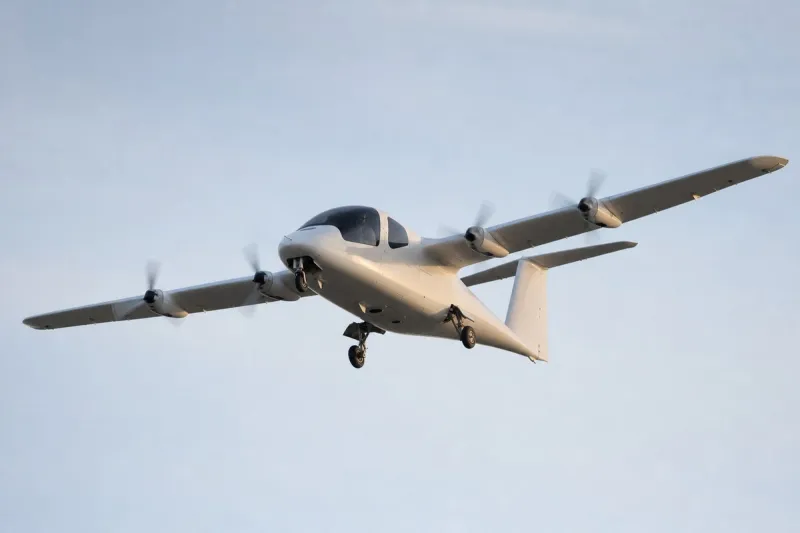
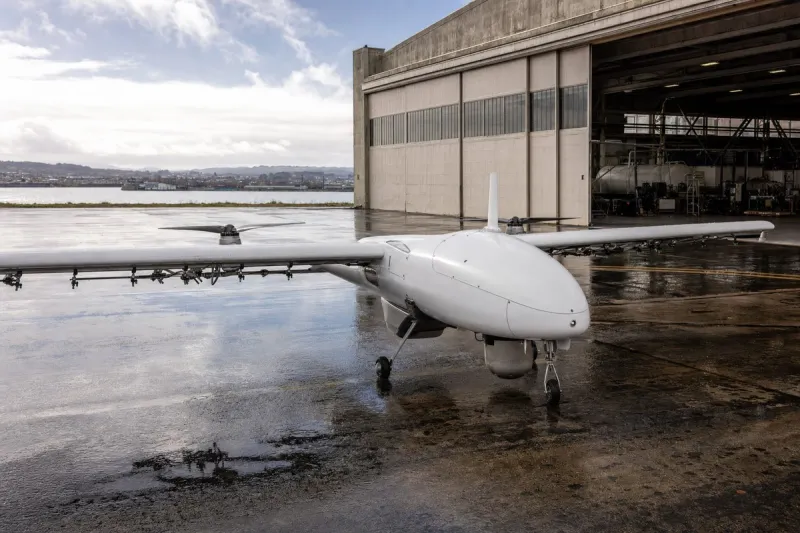
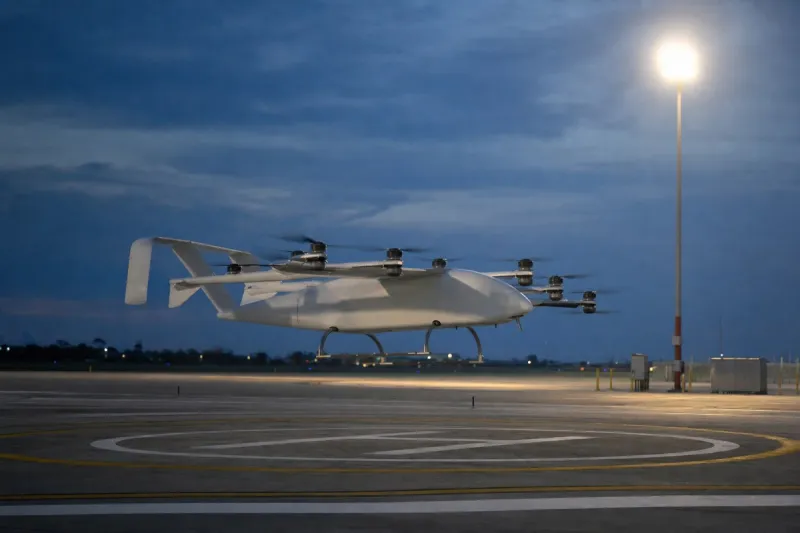
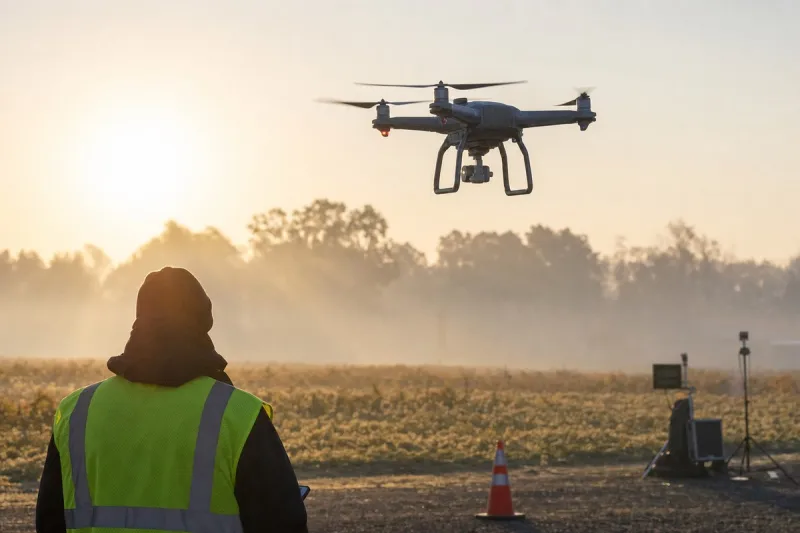
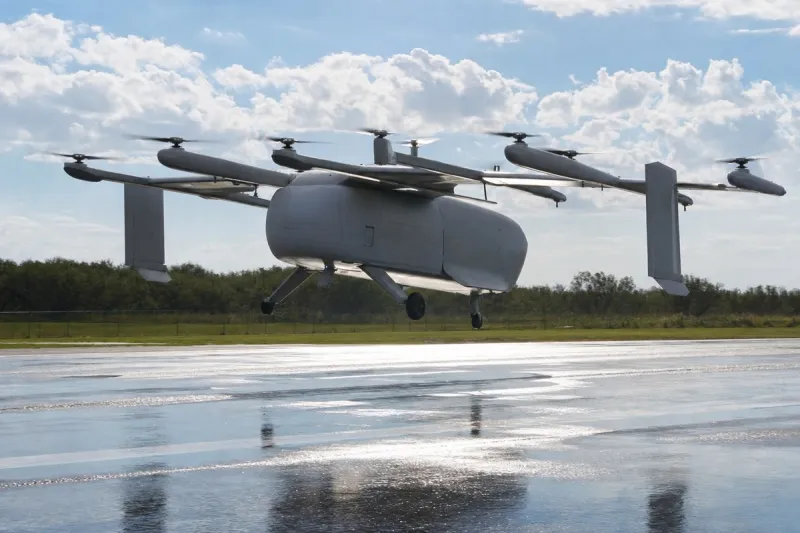
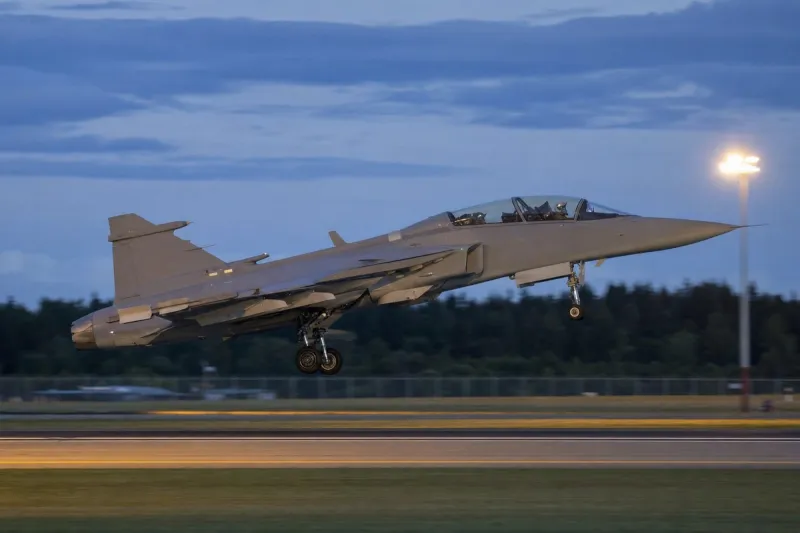
A test pilot who took part in live flight tests of the US Air Force's autonomous Collaborative Combat Aircraft (CCA) program is calling for a new category of cross-platform, hardware-agnostic operator manuals built specifically for supervising autonomous agents, distinct from traditional aircraft manuals and existing Pentagon directives. He describes a moment during testing when his role shifted from pilot to supervisor of an autonomous agent, recounting the first live flight of the autonomy core on a collaborative platform, where the agent was tasked with maintaining a designated altitude, airspeed, and geographic boundary; when the aircraft made an inappropriate turn, he intervened and directed it to a pre-planned heading to avert a potential mid-air collision.
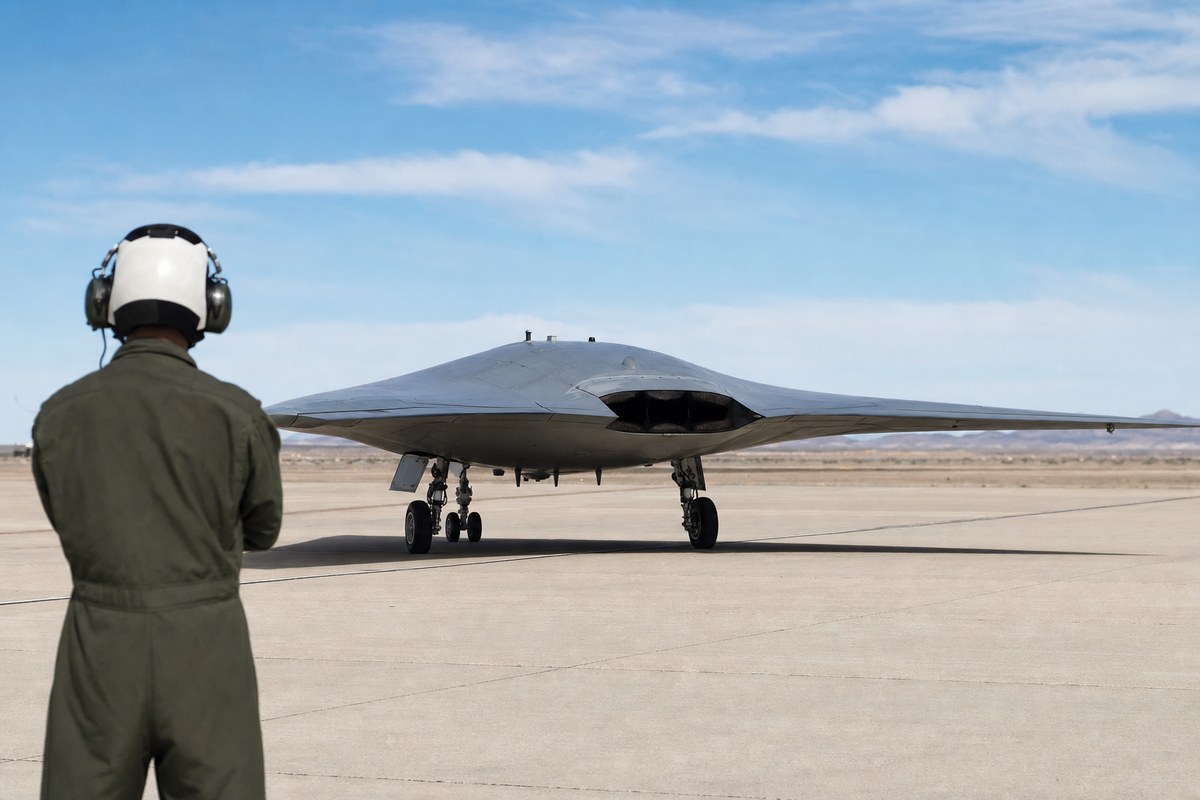
The pilot identifies a gap in current doctrine: existing Air Force manuals and Pentagon Directive 3000.09, which covers semiautonomous and autonomous weapons systems, do not teach operators how to judge whether unexpected autonomous behavior is intelligent adaptation or malfunction, since procedures inherited from rules-based software treat any unanticipated behavior as an error by default.
The CCA program's autonomy core is built on a Government Reference Architecture that decouples software from vehicle hardware, theoretically allowing agents to integrate across platforms owned by different services or allies. Air Force headquarters is revising flying publications for CCAs, and Air Combat Command has drafted three volumes of CCA flying operations manuals. The pilot argues doctrine set now will become the default for the entire CCA portfolio and for allied programs, and proposes a mission-centric, airframe-agnostic agent manual modeled on existing cross-platform publications such as those for Flight Test and Aeromedical Evacuation, one that would classify agent risk by task difficulty for the agent, quantify risk using probability, and account for the operator's cognitive bandwidth.