Kepplair Evolution ATR 72 Prototype Completes Pre-Modification Flight, Launching KEPPLAIR 72 Flight-Test Campaign
Why It MattersThe programme signals a push to convert regional turboprops into next-generation firefighting platforms, potentially reshaping cost and emissions benchmarks for aerial civil-protection fleets.
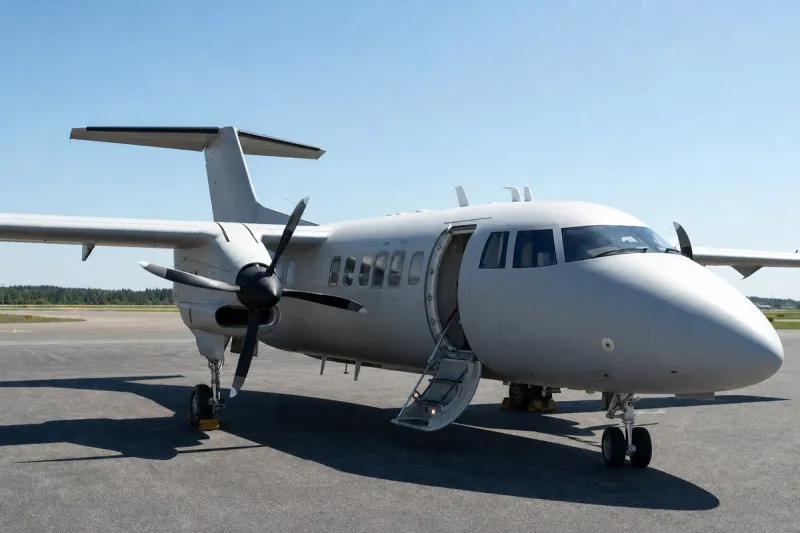
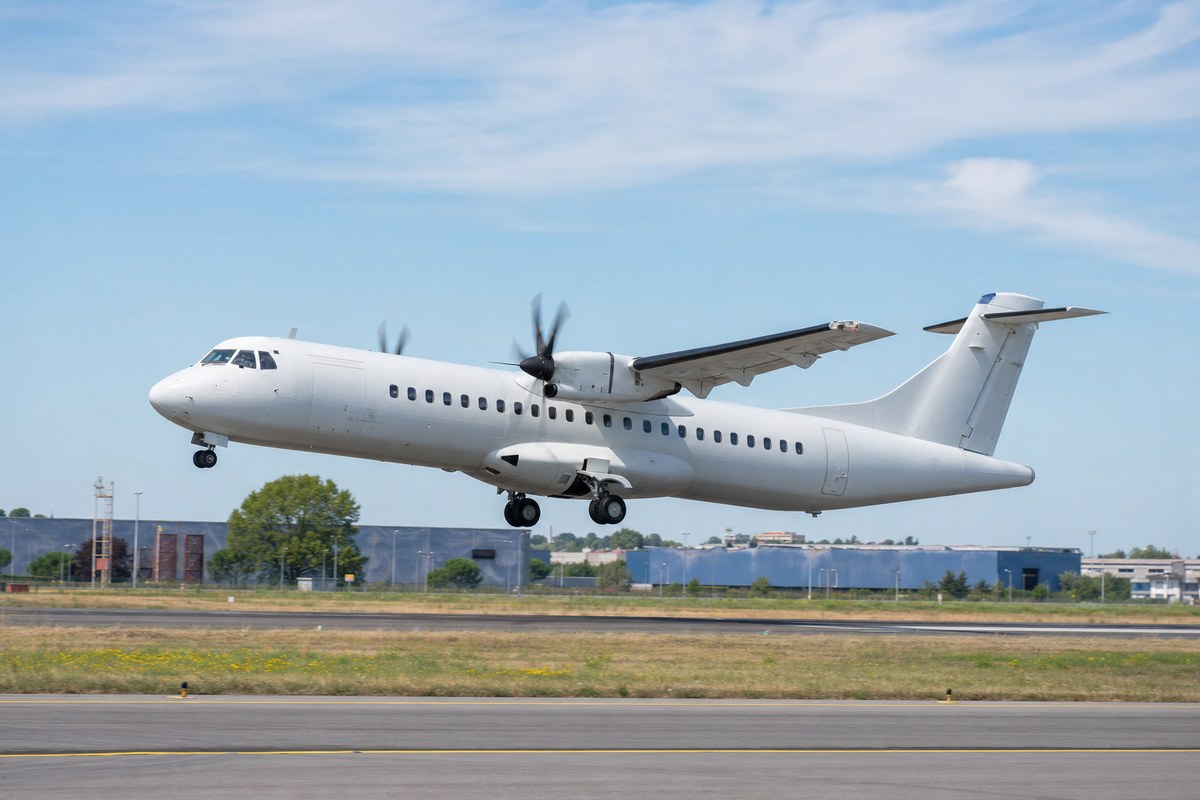
The first Kepplair Evolution ATR 72 prototype has completed its inaugural pre-modification flight over Toulouse, officially launching the KEPPLAIR 72 flight-test campaign. The aircraft, which arrived in Toulouse in early August, completed two flights before being grounded until the end of the year for conversion into a water bomber. The flights were piloted by Eric Delesalle, the programme's flight-test director and a former chief pilot and test pilot at ATR, alongside Axel Valat, a test pilot at Aerotec & Concept, with the aircraft now flying in Kepplair Evolution's livery.
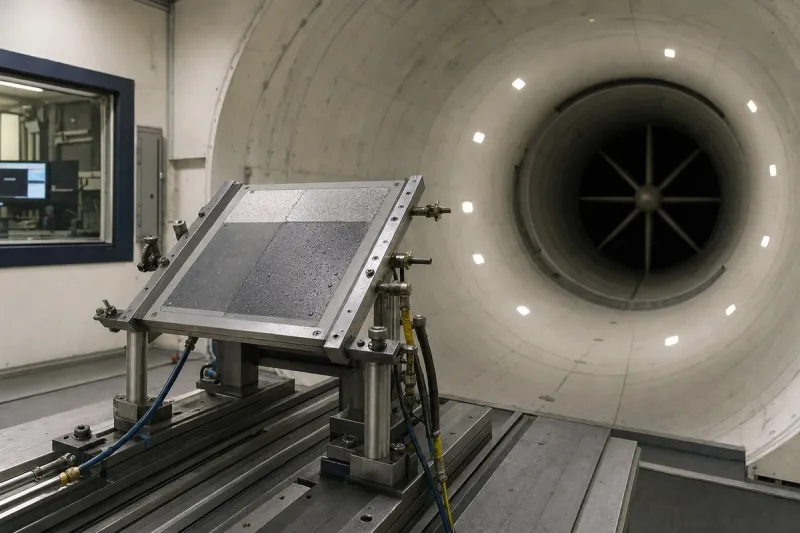
The aircraft will be equipped with the KEDS (Kepplair Evolution Delivery System), a drop system developed with the Toulouse Institute of Fluid Mechanics, Professor Dominique Legendre, and Trotter Controls, designed for rapid, accurate and controlled retardant drops. Conversion and certification work will be carried out by Aerotec & Concept at Toulouse-Blagnac airport, where laboratory drop tests have already been run on a full-scale rig at IMFT, with in-flight drop tests scheduled to begin in January 2027.
Kepplair Evolution is targeting a Supplemental Type Certificate from EASA by 2027, with subsequent extension to other authorities including the FAA, and expects the KEPPLAIR 72 to enter service in 2027. The programme claims a 50 per cent reduction in development and procurement cost versus competing platforms, 30 per cent savings in operations and maintenance, and up to a 40 per cent cut in CO2 emissions, with the aircraft also designed for medical evacuation and cargo roles.
Two fundraising rounds have raised a total of €17.5 million, including €5 million in public grants under the France 2030 programme and the European Regional Development Fund. A third fundraising round is under way to support certification and industrialisation, with the programme also backed since March 2026 by the French State, the Occitanie Region, the Directorate-General for Civil Security and Crisis Management, the National Federation of French Firefighters, and the French Federation.