Heart Aerospace Flies Test Aircraft for First Time on $5 of Electricity, Targets 40-Year-Old Regional Designs
Why It MattersA viable hybrid-electric architecture for regional aircraft under two hours' range could challenge decades-old turboprop economics and reopen short-haul routes long neglected by mainline manufacturers.
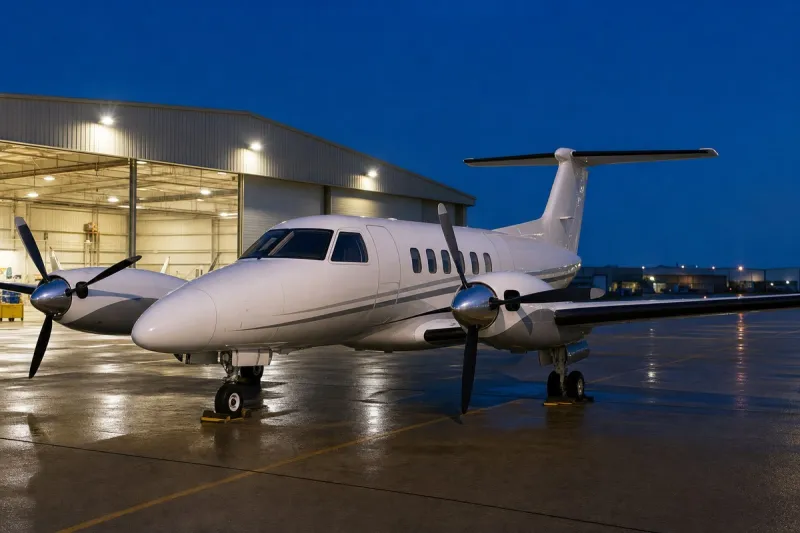
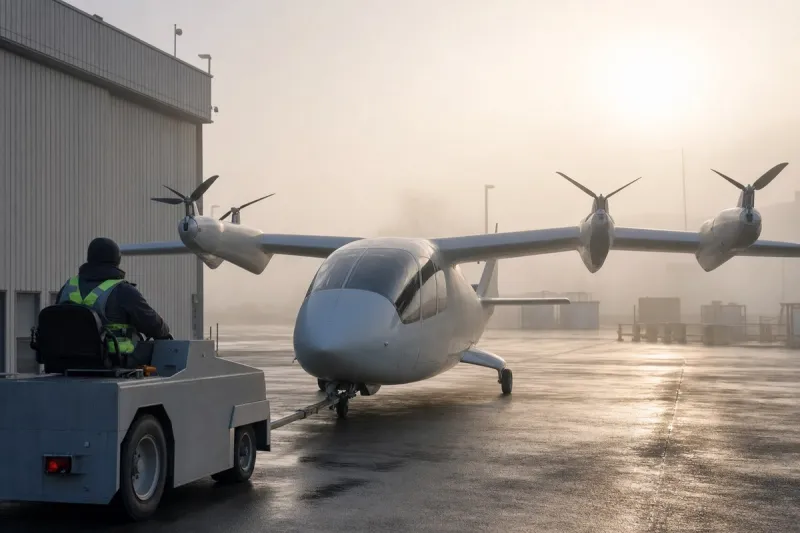
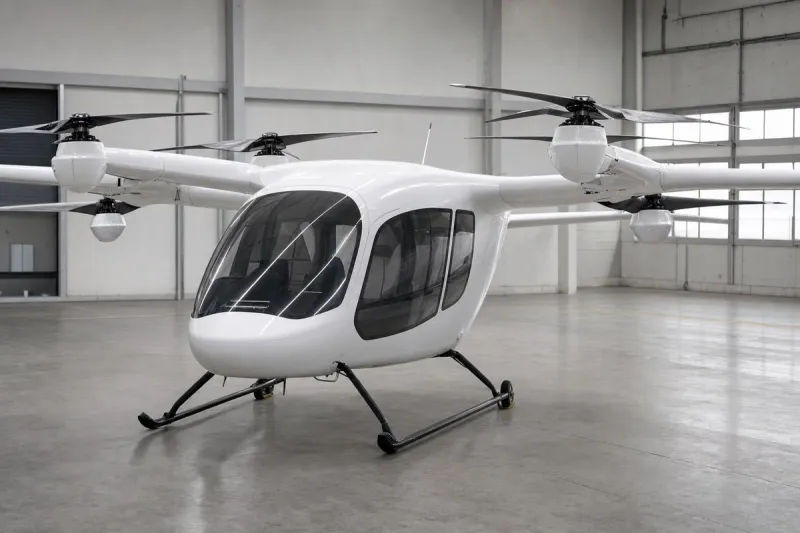
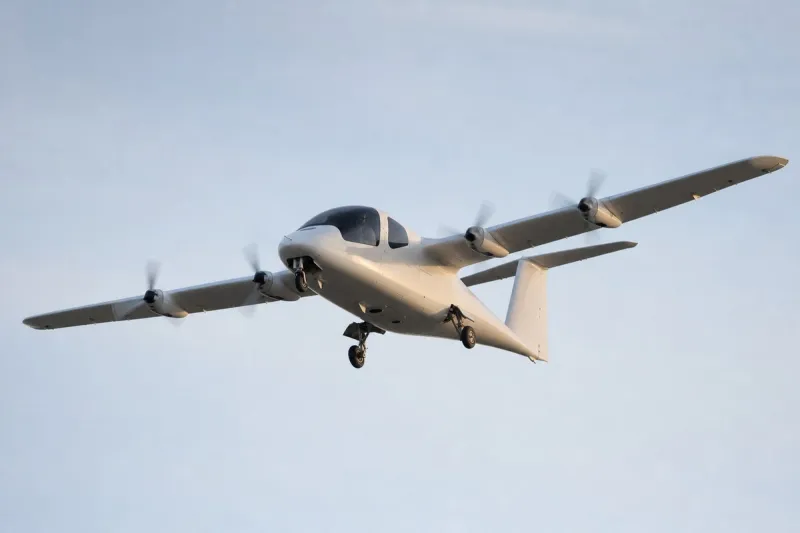
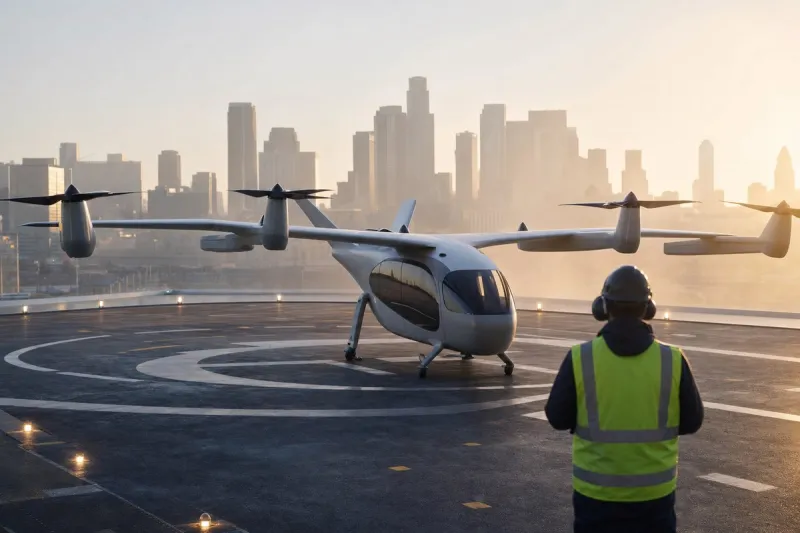
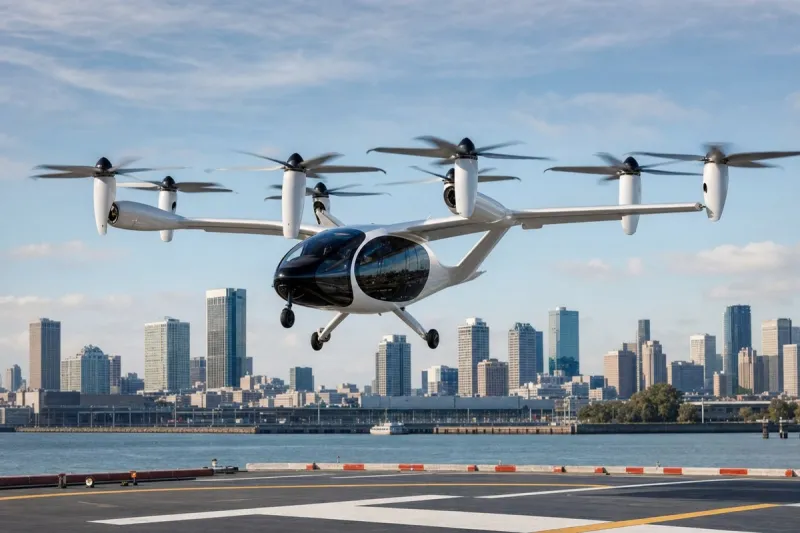
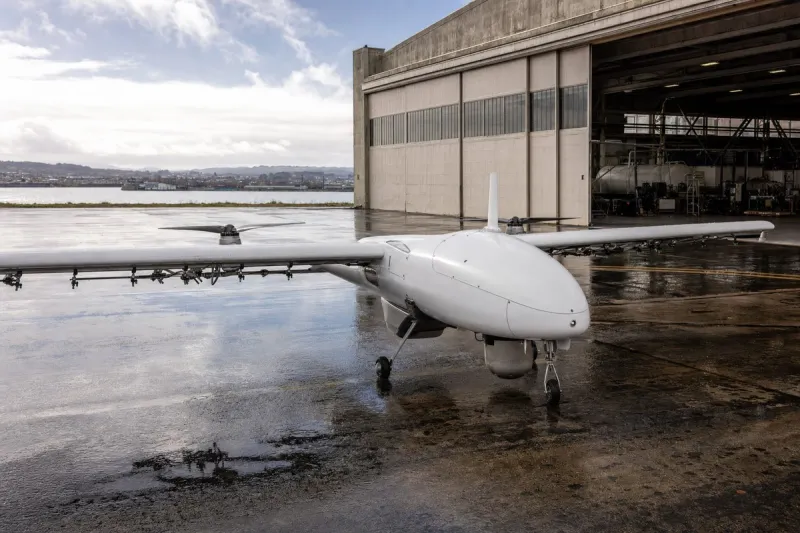
Heart Aerospace flew its hybrid-electric test aircraft publicly for the first time on August 12, 2026, which the company describes as the first flight of the largest electric plane ever built. The aircraft weighs 25,000 pounds, has a 100-foot wingspan, and the electricity used for takeoff cost approximately $5.
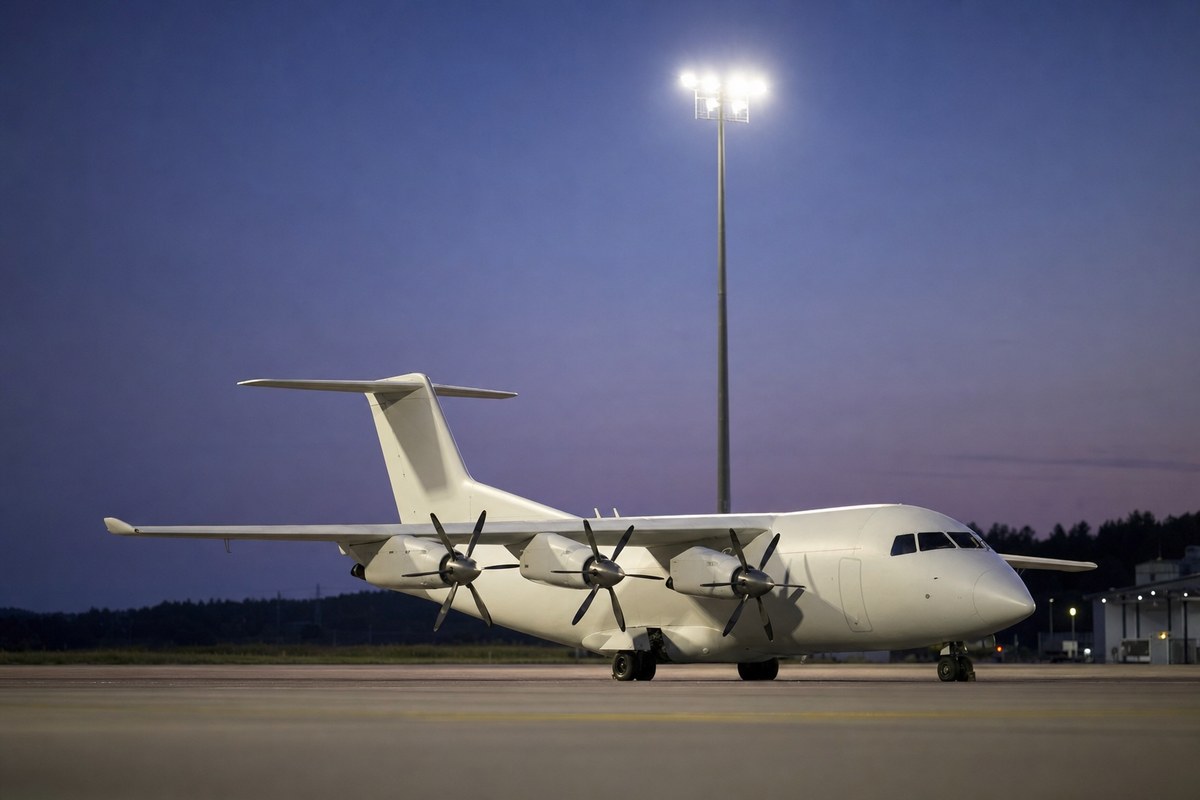
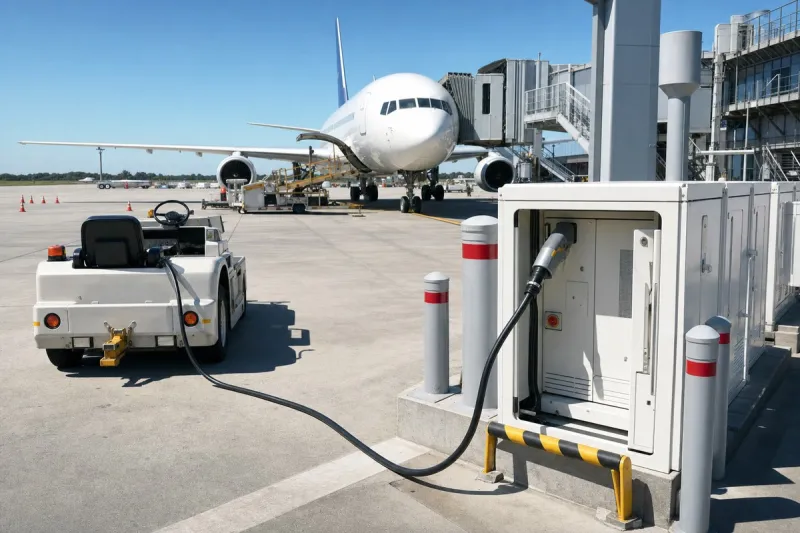
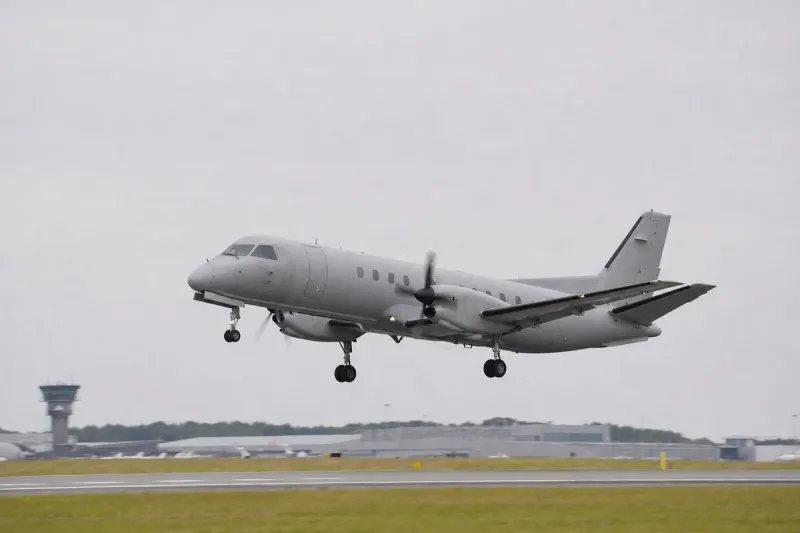
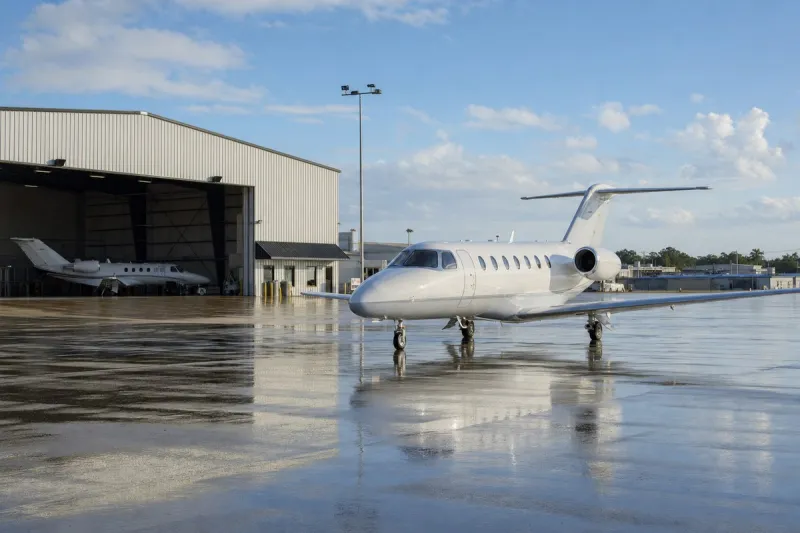
Speaking on the Y Combinator Startup Podcast, CEO Anders Forslund said the company targets regional flights under two hours, a segment he argues has been neglected by Boeing and Airbus and is still served by aircraft designs roughly 40 years old, citing jet engine economics such as fixed build costs, uniform wear regardless of route length, and fuel burn of up to 10% during taxiing on short flights.
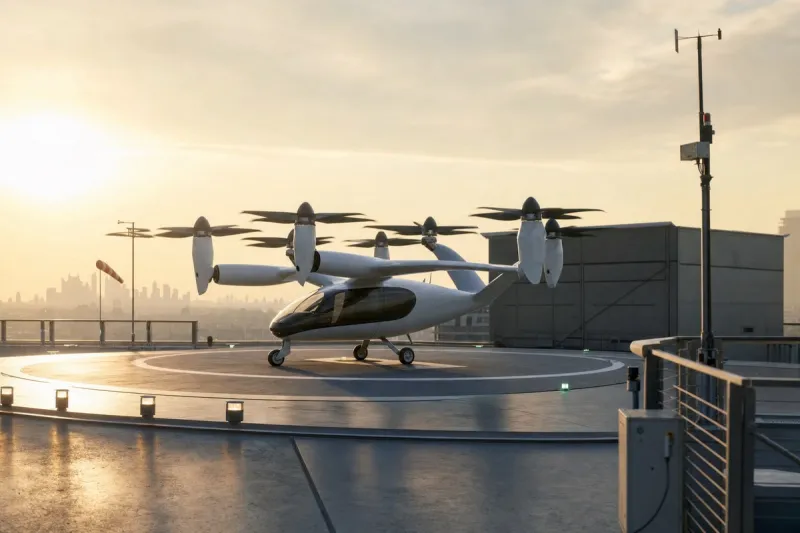
The company's ES-30 is a 30-to-36-passenger hybrid-electric aircraft designed for 125 miles of all-electric range, extendable to 500 miles using a turboprop range-extender engine. Electric propulsion currently cuts operating costs by approximately 48% compared with conventional turboprops, up from 33% a year ago, driven partly by rising fuel prices. The hybrid architecture, which adds roughly 20% to upfront cost, was adopted to meet a US Federal Aviation Administration reserve requirement of 45 minutes of loiter time plus diversion to an alternate airport 100 miles away — a requirement that for a pure battery aircraft would demand carrying two-thirds of battery capacity purely as reserve.
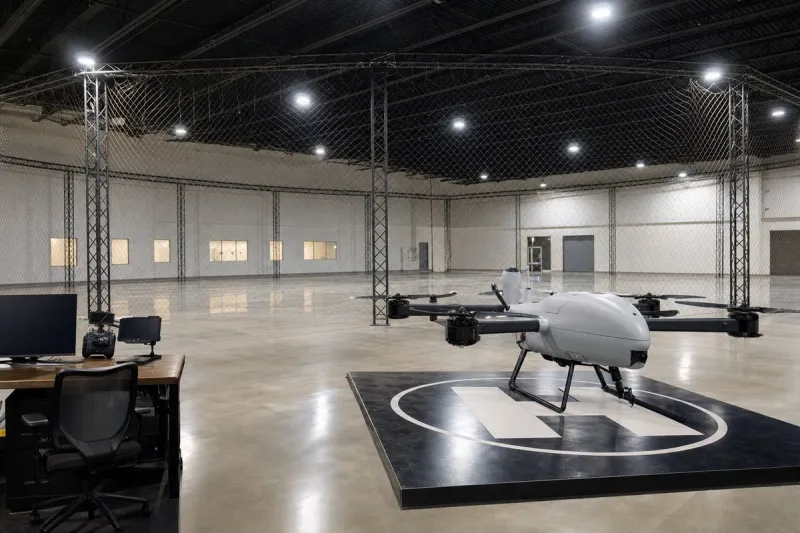
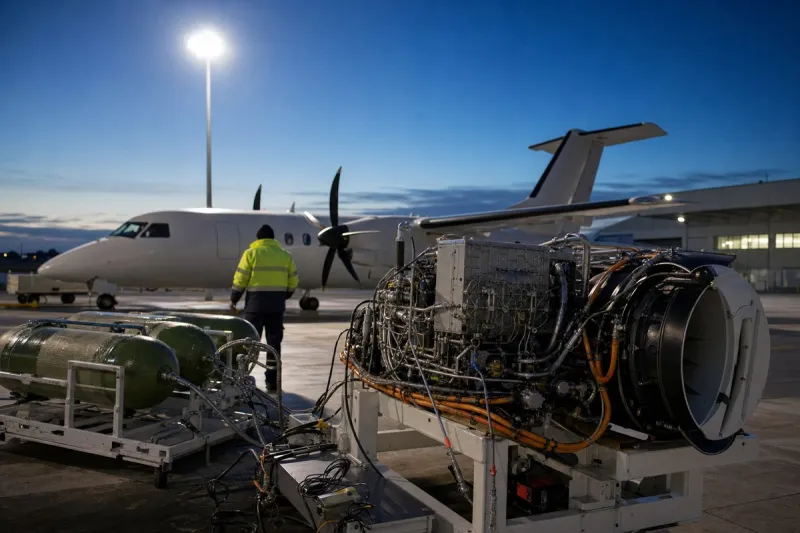
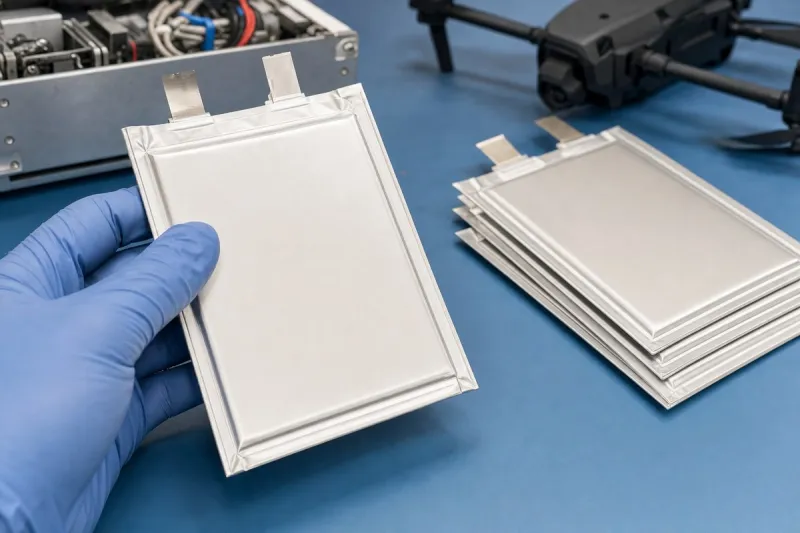
Forslund said the best battery cell currently under evaluation in the company's lab delivers 370 watt-hours per kilogram, with 400 Wh/kg — a threshold Elon Musk cited at MIT in 2014 as the point where electric aviation becomes viable — as the target, which he expects a manufacturer to reach within the next couple of months. Heart Aerospace's Los Angeles facility operates as a 1.6-megawatt test bench, with a 40-person team building most of the aircraft in-house, including actuators machined from 6061 aerospace aluminum, and evaluating battery cells from Chinese, American, and Korean manufacturers.
Forslund traced the company's history to a Y Combinator application seven years ago, when he presented a 3D-printed model, followed by letters of intent from SAS and three Nordic airlines, development of a 400 kW motor, and a pre-order from United Airlines. He said Heart's longer-term ambition extends to the narrow-body market dominated by Boeing 737 and Airbus A320-class aircraft, and predicted aviation autonomy would first emerge in cargo operations before migrating to passenger aircraft.