Amprius Technologies Unveils 500 Wh/kg SiCore Battery Cell Targeting Long-Endurance Drone Applications
Why It MattersA manufacturable high-density cell compatible with standard lithium-ion production lines could accelerate battery adoption across long-endurance drone and HAPS platforms industry-wide.
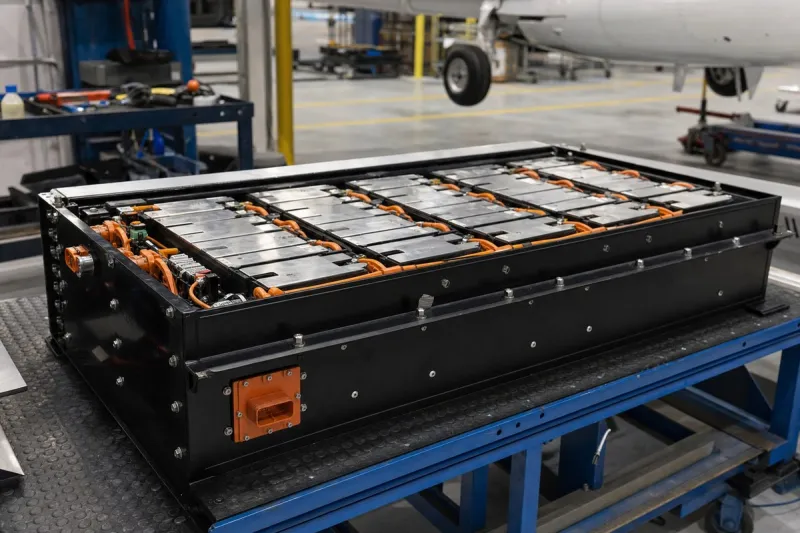
Amprius Technologies has introduced a second-generation SiCore silicon-anode battery cell delivering 500 watt-hours per kilogram at a 1C continuous discharge rate, designed for long-endurance uncrewed aircraft. The company expects the cell to become commercially available in the fourth quarter of 2026, offered in customer-specific formats and a standard pouch format compliant with SAE JA1016 for small uncrewed aircraft systems.
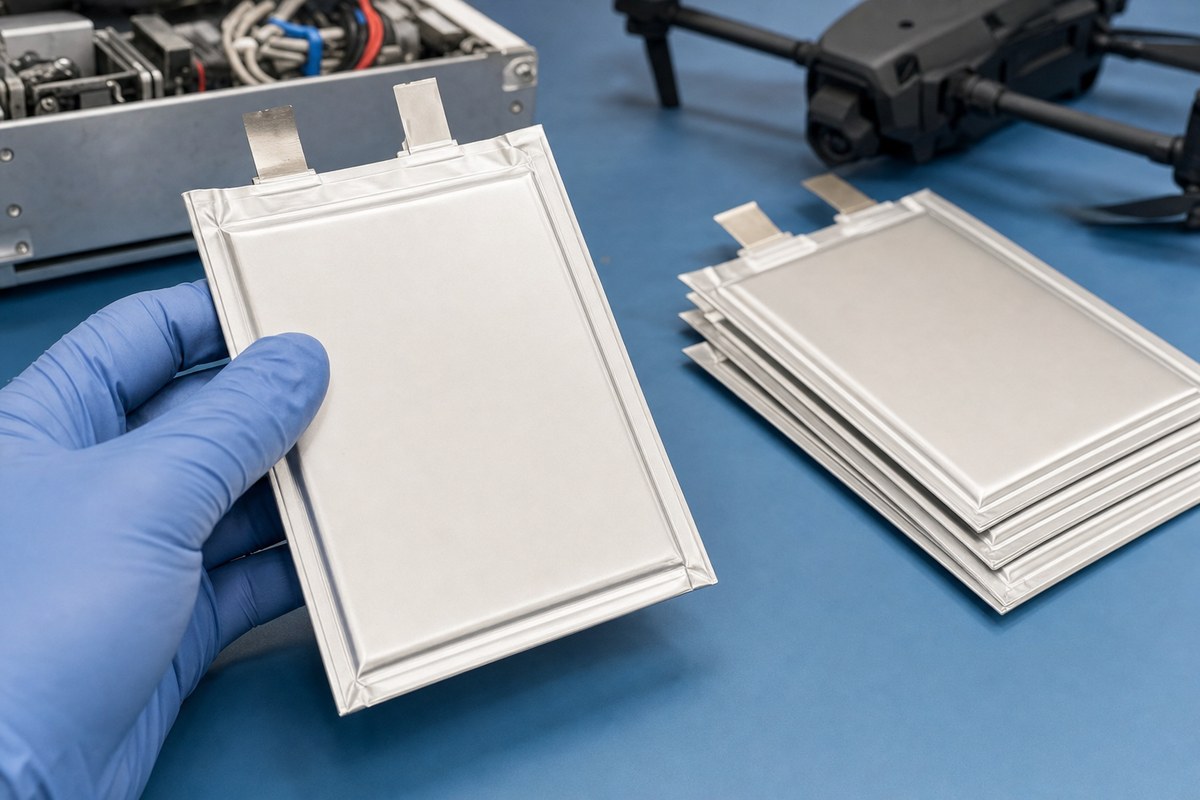
A key distinction of the new cell is its compatibility with conventional lithium-ion manufacturing equipment and processes; Amprius says earlier cells it developed that reached 500 Wh/kg required specialized processes and never reached commercial production volumes. The SiCore platform is intended to let customers move from qualification to volume production without specialized tooling, with initial production planned at Amprius's Fremont, California facility before expanding through existing global contract manufacturing partners. "Reaching 500 Wh/kg is a significant technical milestone, but how we reached it matters as much as the number," said Dr. Ionel Stefan, CTO of Amprius Technologies, adding that the manufacturing approach gives aviation customers a cost-effective, scalable path to volume.
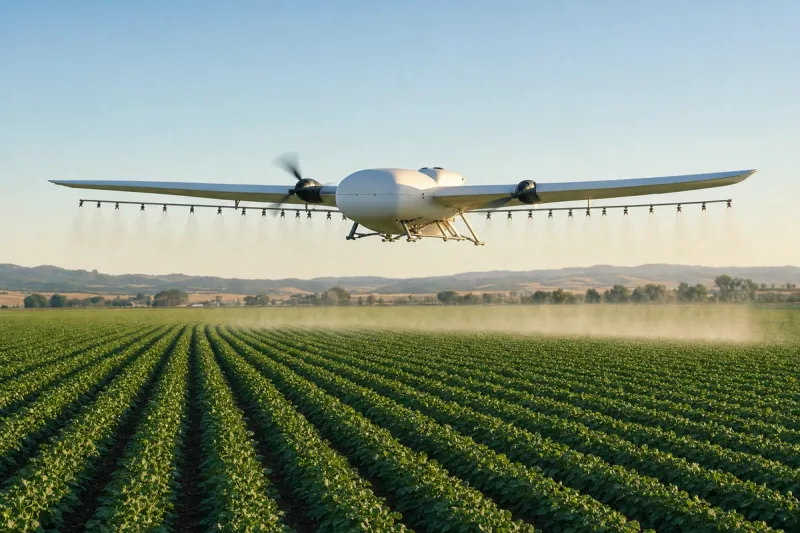
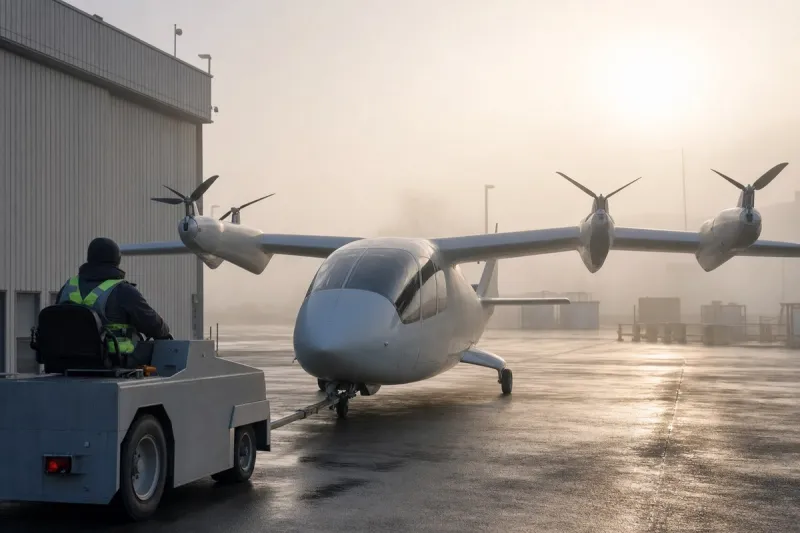
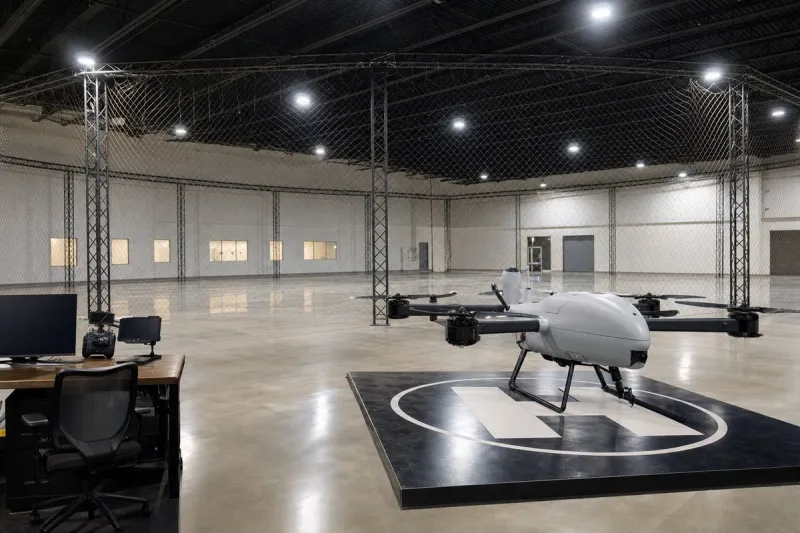
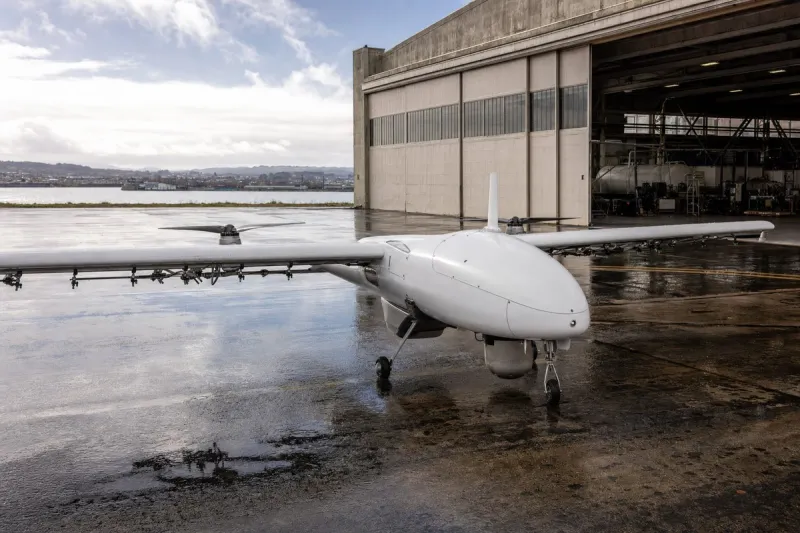
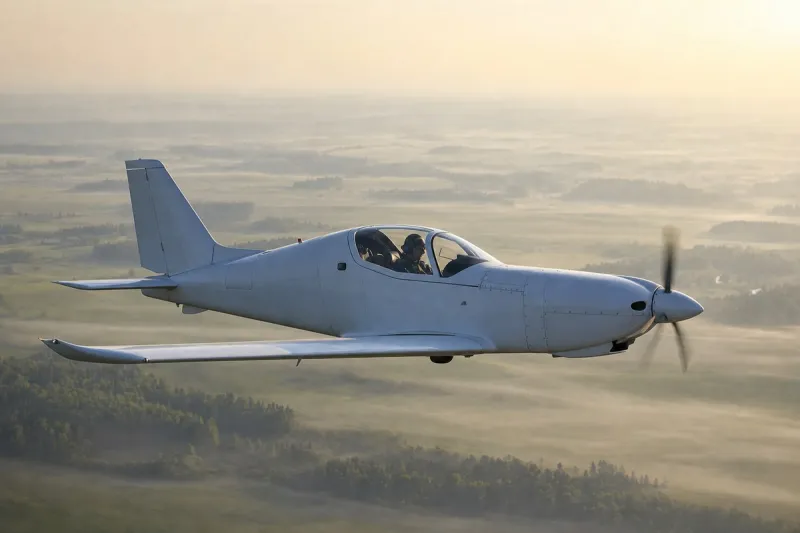
Target applications include fixed-wing drones, High-Altitude Platform Stations, and other long-endurance aircraft. Amprius has supplied battery cells to AALTO HAPS, an Airbus subsidiary that develops the solar-electric Zephyr aircraft, since 2018, and a 2025 Zephyr flight set an endurance record of more than 67 days. "Energy density is fundamental to Zephyr's endurance," said Pierre-Antoine Aubourg, COO at AALTO HAPS, noting that continued gains in specific energy can meaningfully extend flight duration and expand mission capability. Amprius noted that commercial-scale results may differ from performance achieved during testing or limited production, and customers will need to qualify the cells for their specific aircraft and operating requirements.