TEKEVER Acquires Flowcopter to Advance Hydraulic-Powered Heavy-Lift Cargo Drones
Why It MattersThe deal shows heavy-lift drone developers turning to hybrid hydraulic propulsion to overcome the payload-range ceiling that battery-electric VTOL architectures face as mission requirements grow.
What happened
TEKEVER has acquired Flowcopter, folding the company and its hydraulic transmission technology into the TEKEVER Group. The transaction closed on 1 September 2026 and forms part of the group's £400 million OVERMATCH investment programme aimed at expanding sovereign autonomous capabilities in the UK. The deal adds a specialised engineering hub in Edinburgh and brings a propulsion component in-house within TEKEVER's supply chain.
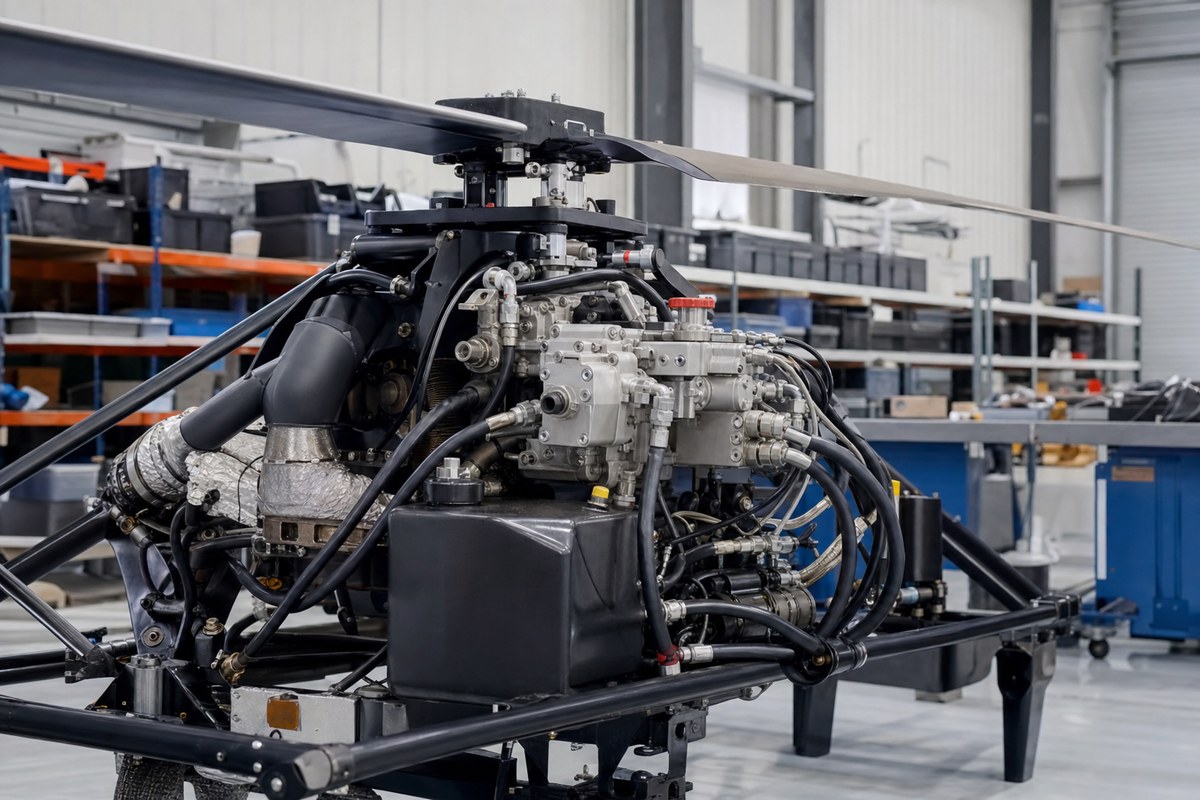
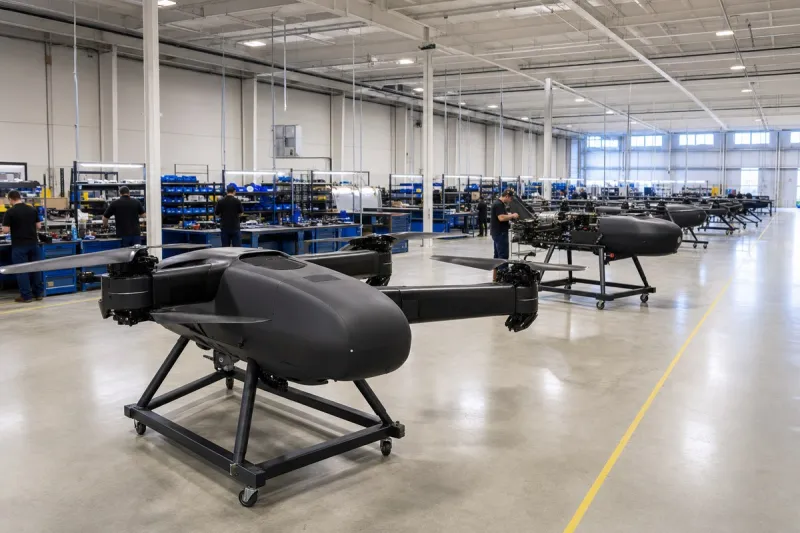
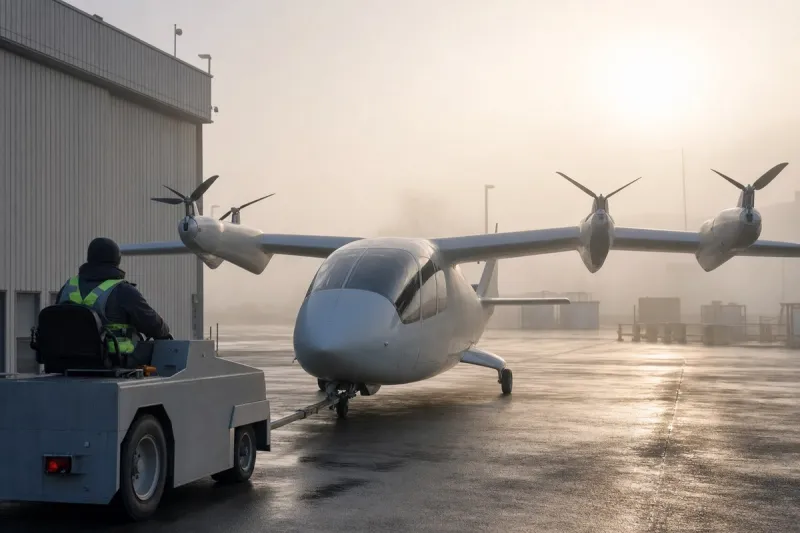
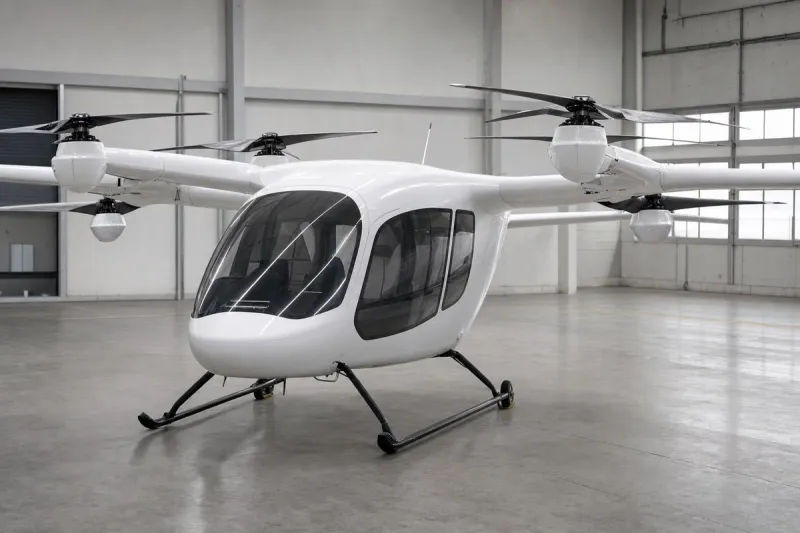
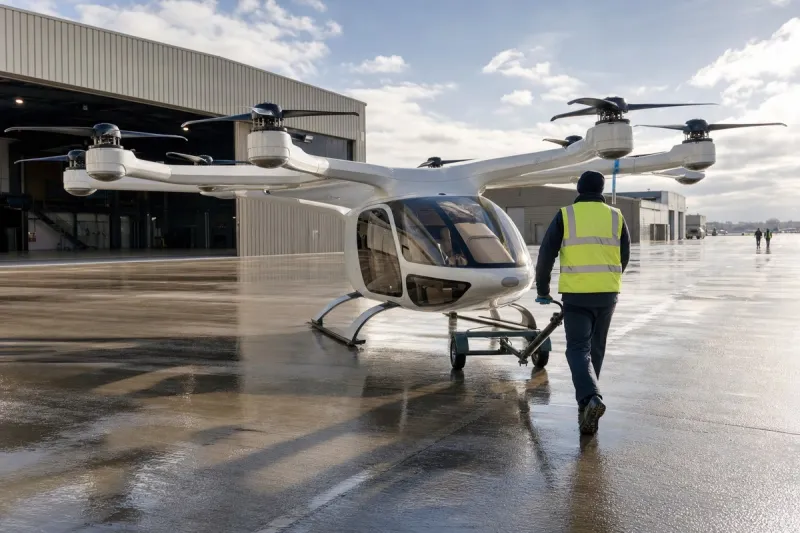
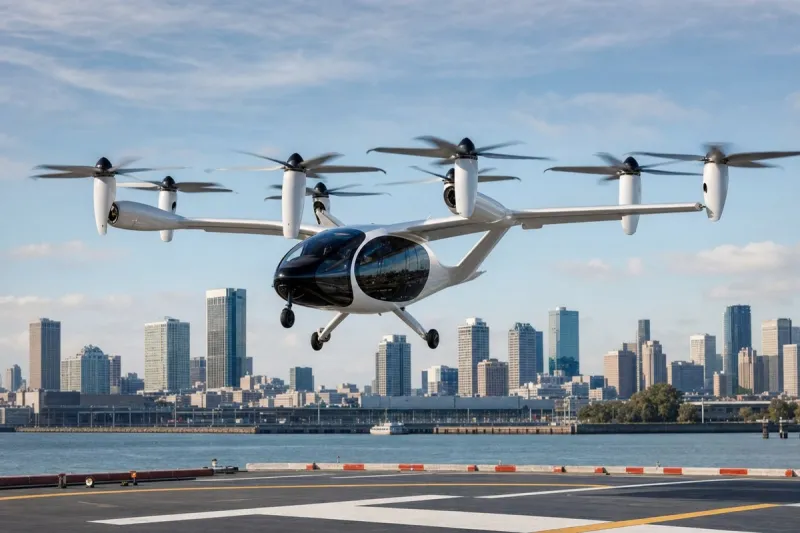
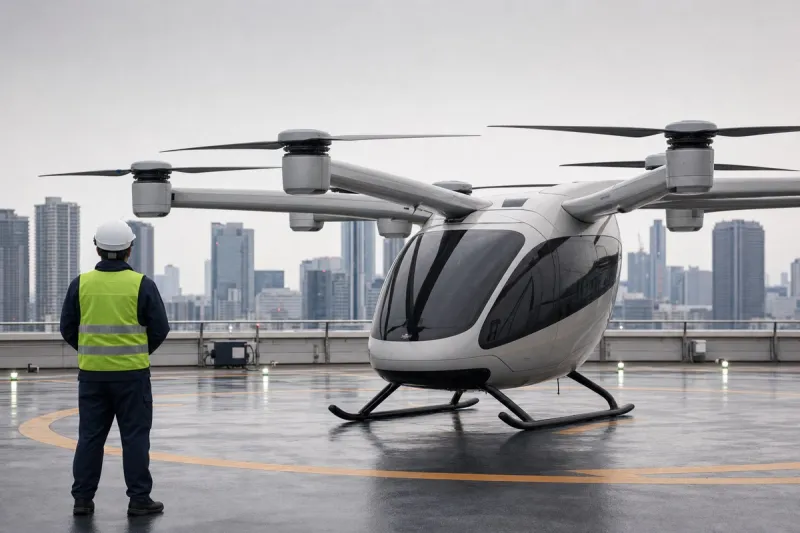
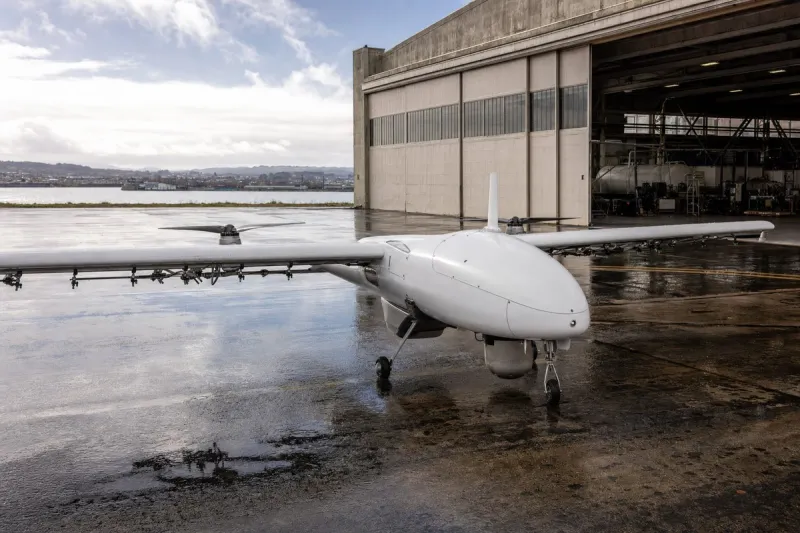
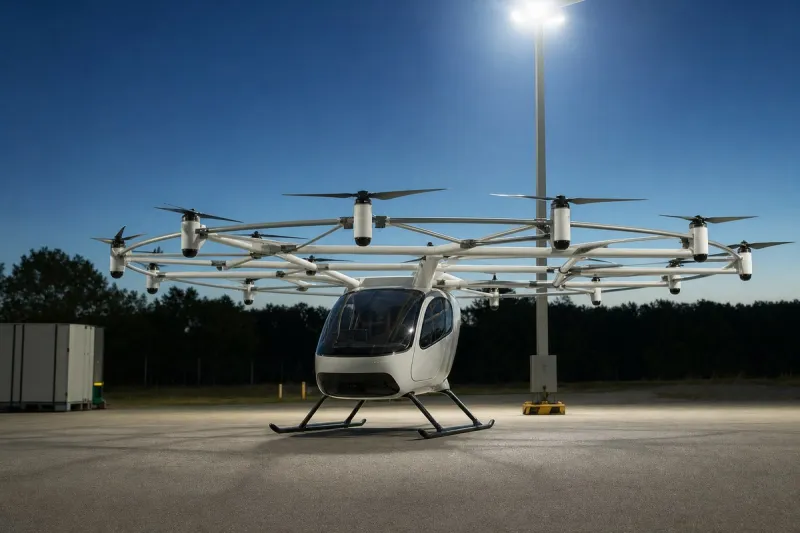
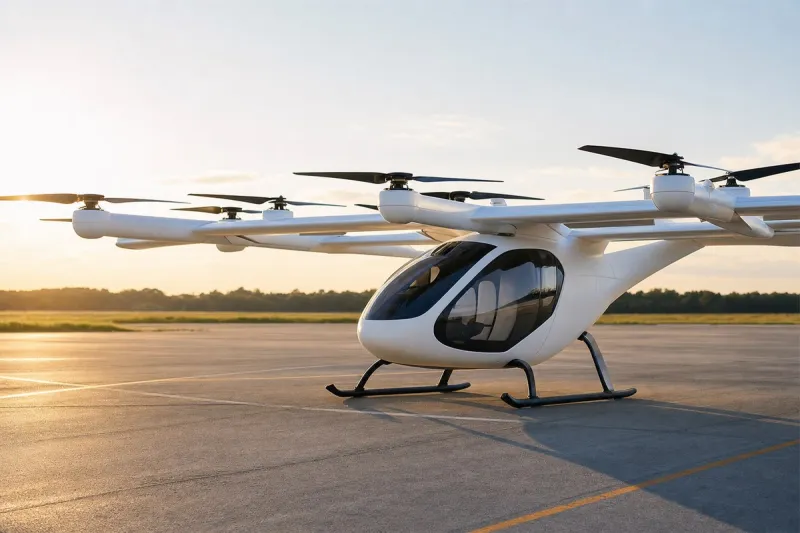
Flowcopter's technology uses a fuel-powered internal-combustion engine driving a central digital displacement pump that distributes hydraulic fluid to independent rotor motors, separating power generation from rotor propulsion. The first platform to use this hydraulic transmission is the TEKEVER AR6, unveiled at the Farnborough International Airshow in July 2026. The AR6 is designed to carry at least 200 kg over approximately 500 km, with production scheduled at TEKEVER's Swindon facility by late 2026. Intended applications include military logistics and casualty evacuation, and civilian missions such as offshore operations, disaster relief and search and rescue.
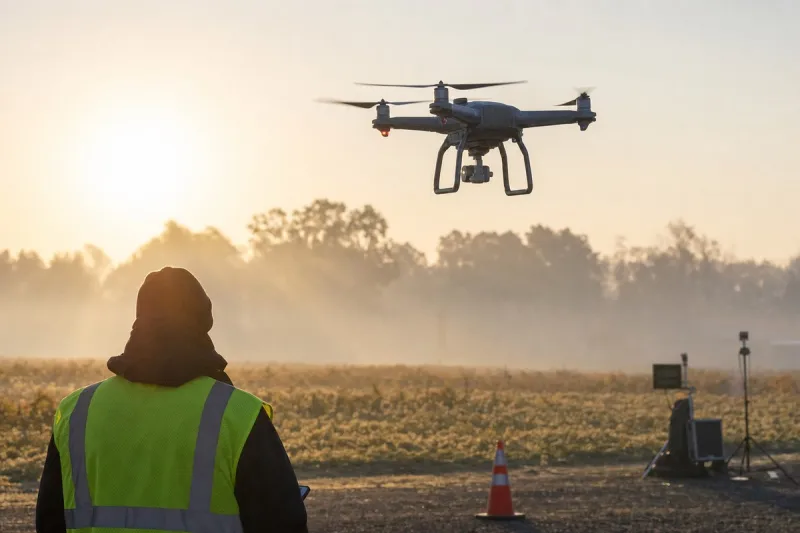
TEKEVER is a European autonomous-systems group operating across the UK, Portugal, France, Ukraine and the United States, with nearly 1,500 employees globally, including more than 300 in the UK. Third-party estimates put TEKEVER's 2025 revenue at approximately $116.7 million and its valuation at around $1.3 billion, though these figures are not company-reported results. TEKEVER has separately been selected for the UK Ministry of Defence's CORVUS programme, worth up to £400 million over ten years, based on the AR5 platform for British Army surveillance.
Industry impact & what to watch
This acquisition belongs to a broader move among autonomous-systems developers to bring propulsion technology in-house rather than source it externally, tightening control over a component that directly determines mission performance. Vertical integration of this kind reduces supply-chain dependency and lets a manufacturer tune the transmission to a specific airframe rather than adapt an airframe to an off-the-shelf part.
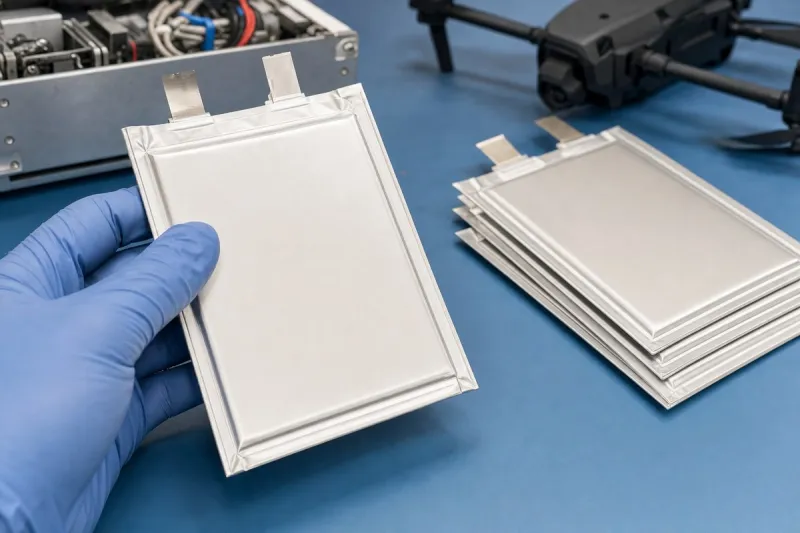
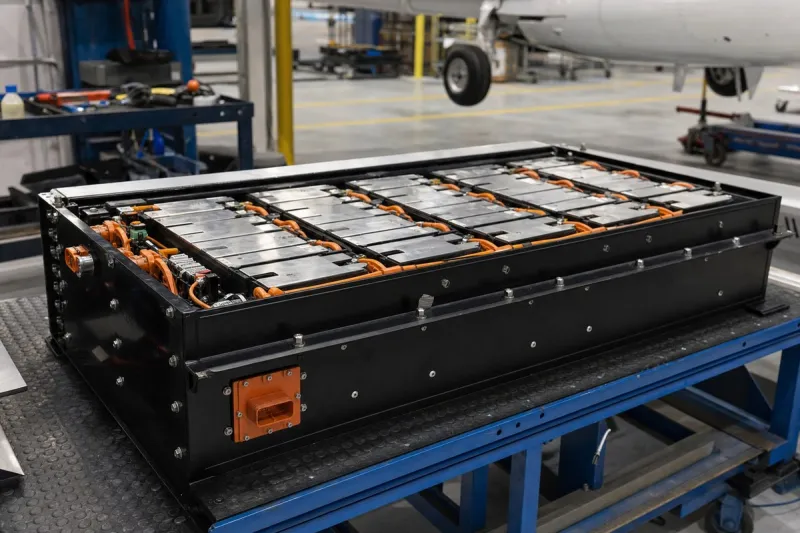
The underlying engineering problem is the one that has constrained heavy-lift electric VTOL for years: adding batteries to extend range or payload increases weight, which erodes the very payload and endurance the batteries were meant to improve. A hydraulic transmission driven by a combustion engine sidesteps that trade-off by decoupling power generation from rotor drive, which is why TEKEVER is pairing the technology with a cargo platform rather than a smaller surveillance drone.
What happens next depends on whether the AR6 reaches its Swindon production target by late 2026 and whether the 200 kg/500 km specification holds once the platform moves from unveiling to fielded use. The CORVUS programme selection, separate from this acquisition, gives an indication of how UK defence procurement is treating TEKEVER's broader autonomous portfolio, and its progress is worth tracking alongside the AR6's production timeline.