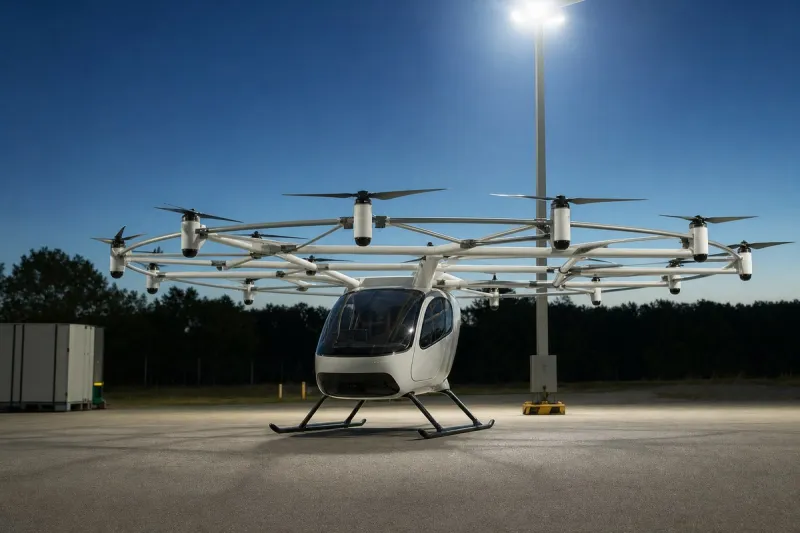
Hybrid Aircraft Market Valued at $2.92 Billion in 2025, Forecast to Reach $15.76 Billion by 2031 at 32.44% CAGR
Why It MattersGrowth at this pace hinges less on demand than on certification pathways and battery energy density catching up, meaning regional and manufacturing timelines will likely slip if either lags.
What happened
A new market analysis covering the 2026–2031 forecast period values the global hybrid aircraft market at USD 2.92 billion in 2025, projecting growth to USD 3.87 billion in 2026 and USD 15.76 billion by 2031, a compound annual growth rate of 32.44%. The analysis identifies emissions regulations and battery technology advances as the primary growth drivers.
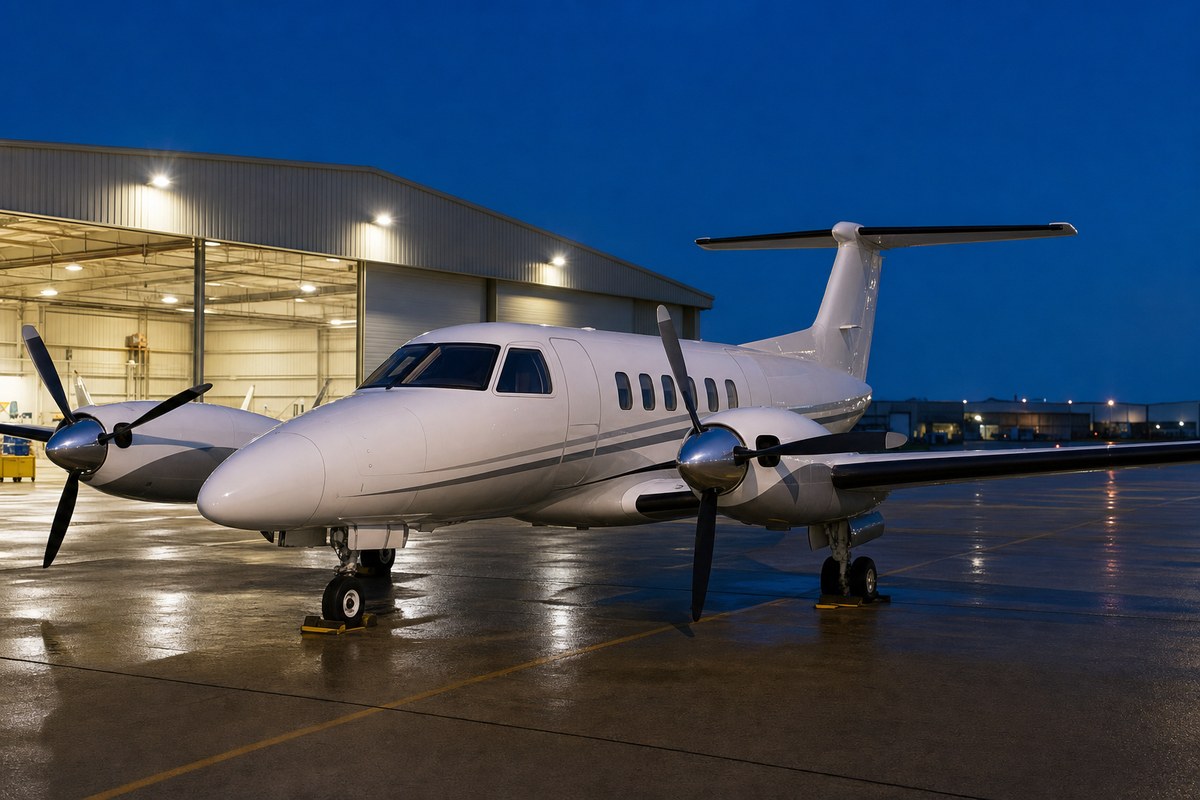
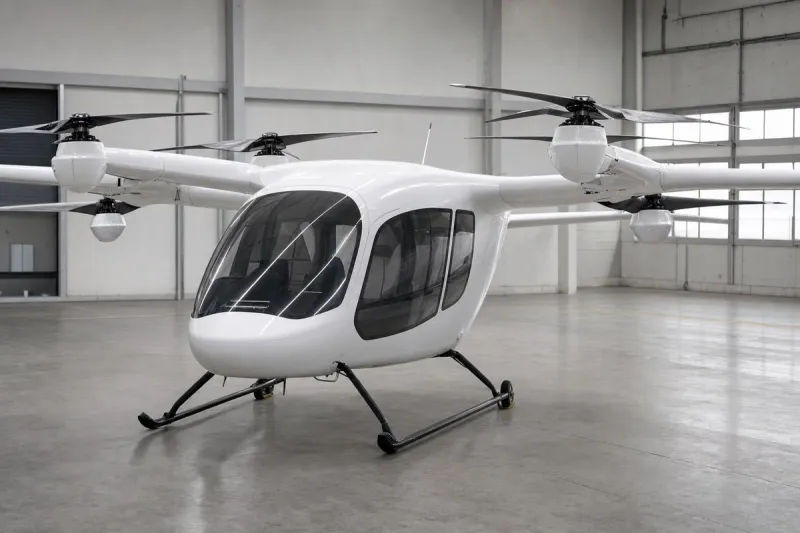
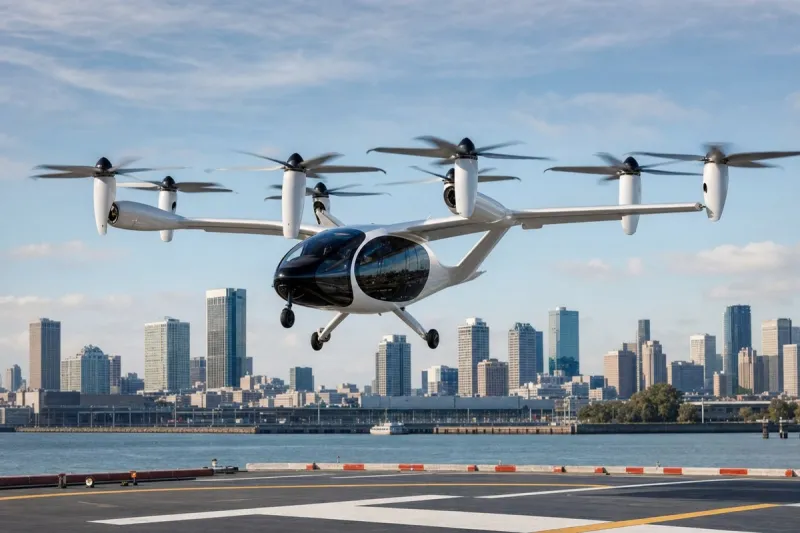
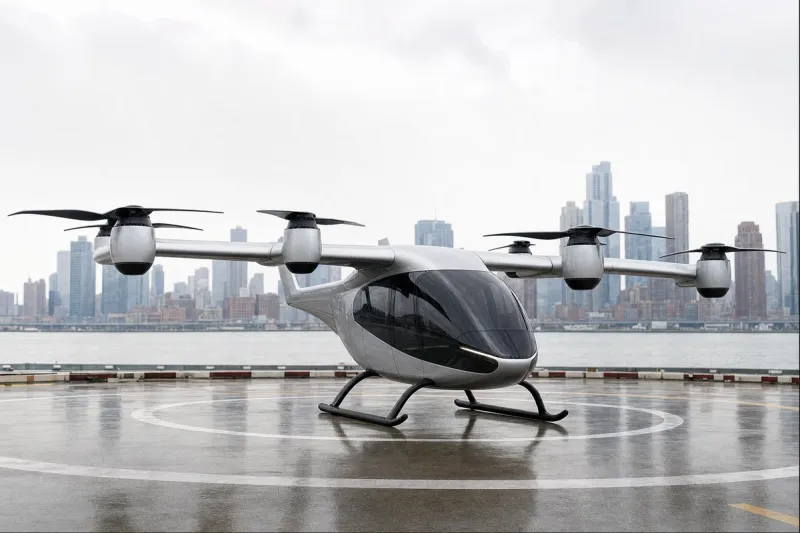
On regulation, the EU Taxonomy Regulation, effective January 2024, requires aircraft to demonstrate zero direct CO₂ emissions to qualify for green financing. The European Union Aviation Safety Agency proposed amendments covering electric propulsion in 2024, and the International Civil Aviation Organization's Advanced Air Mobility Study Group harmonized cross-border safety requirements while ICAO issued performance-based standards for remotely piloted aircraft. The Federal Aviation Administration issued special-class certification criteria for Joby Aviation in March 2024, though broader hybrid categories still lack harmonized rules; gaps in thermal-runaway containment standards and shortages of aerospace-grade high-voltage wiring are also cited as hurdles.
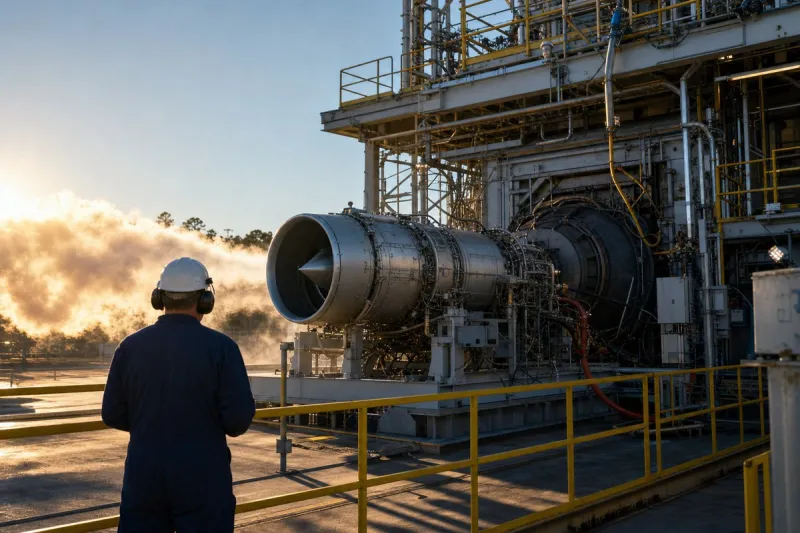
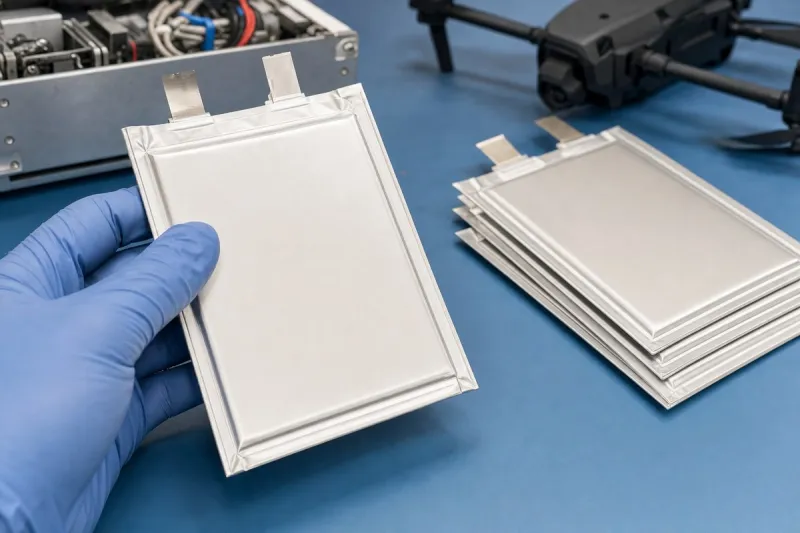
On battery technology, CATL revealed a condensed-battery chemistry delivering 500 Wh/kg, promising 2,000–3,000 km range for 8-ton aircraft, and separately pledged serial production of an 8-ton electric aircraft by 2028. NASA's sulfur-selenium solid-state battery project matched that energy density while eliminating flammable electrolytes. GE Aerospace's megawatt-class inverter, based on silicon-carbide power electronics, met NASA power-density targets, and magniX introduced 300 Wh/kg aviation-grade batteries rated for 1,000 charge cycles.
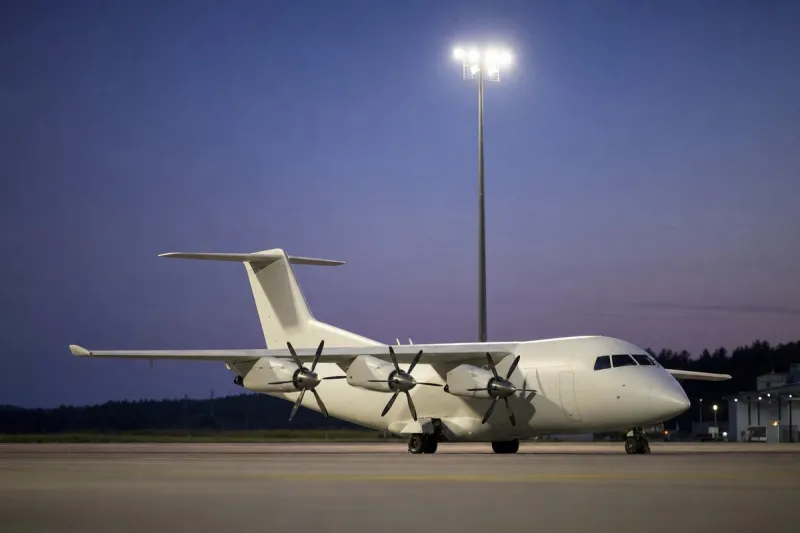
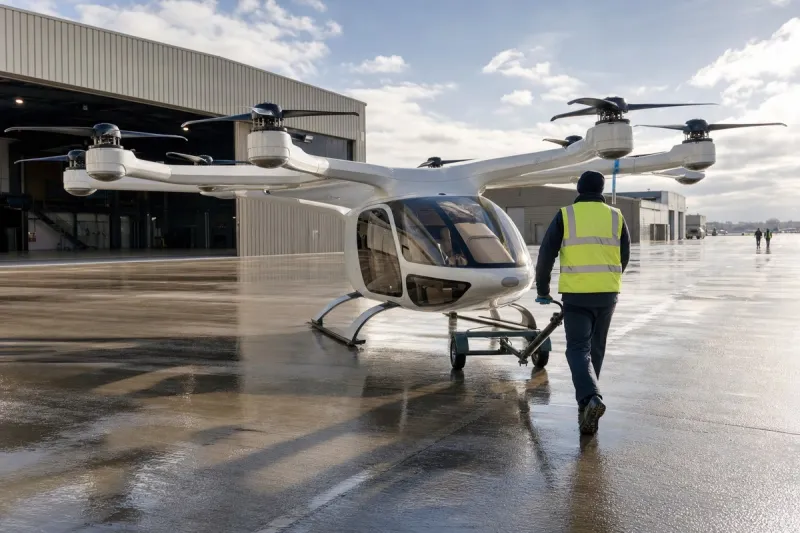
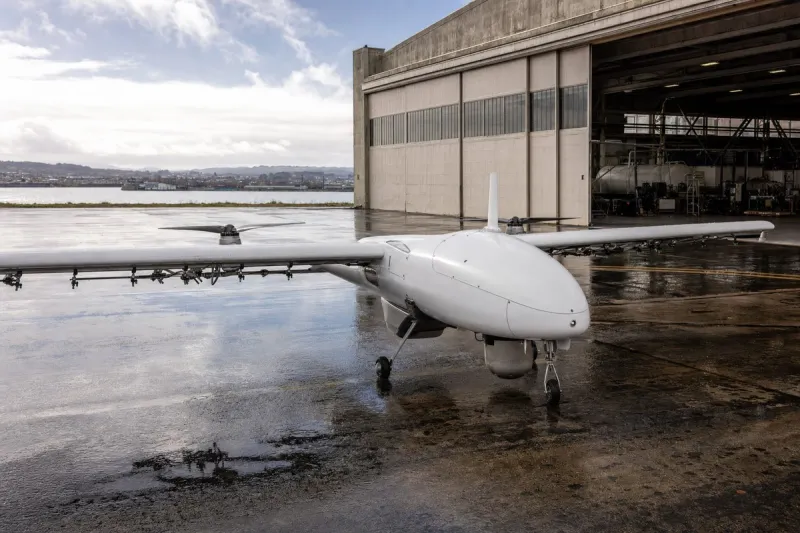
Regional transport platforms account for 41.82% of the hybrid electric aircraft market share. Deutsche Aircraft began constructing the first D328eco test airframe, a 40-seat derivative, in February 2025, targeting volume deliveries from 2026 via a Leipzig final-assembly line. Vertical Aerospace secured USD 90 million in new equity in January 2025 to fund VX4 certification flights at Cotswold Airport. Piloted platforms hold 74.68% of the market, while autonomous platforms are expanding at 40.92% annually.
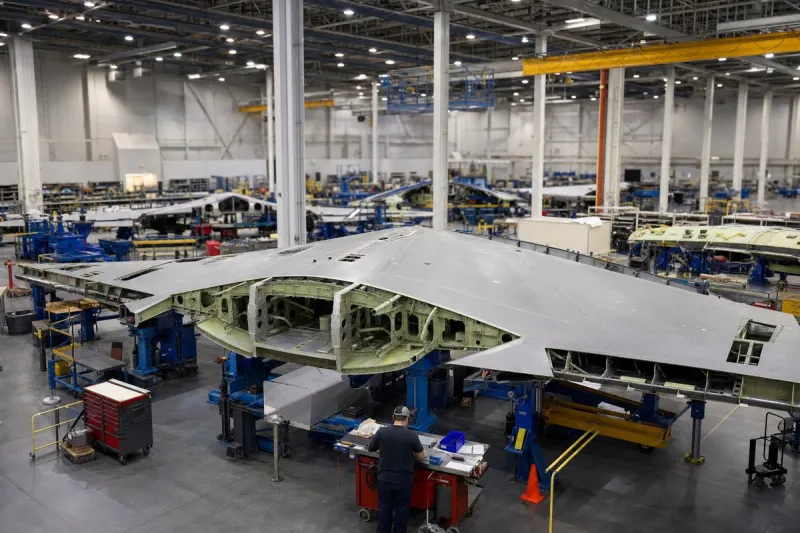
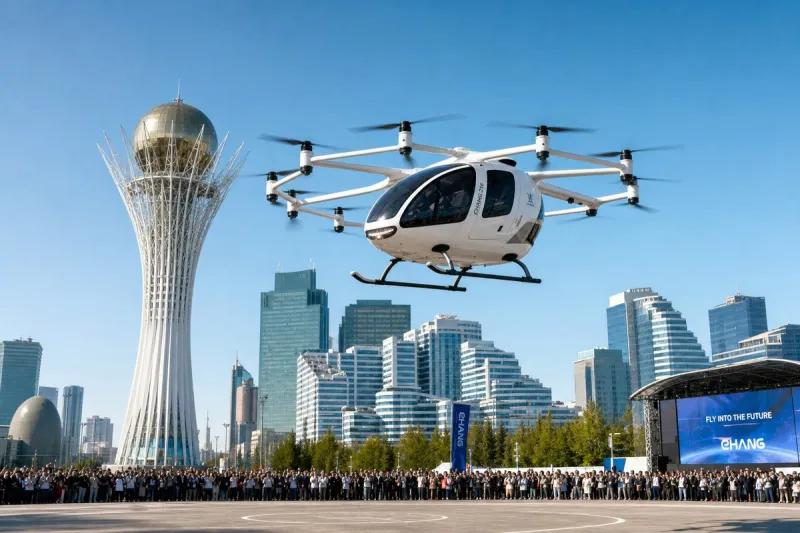
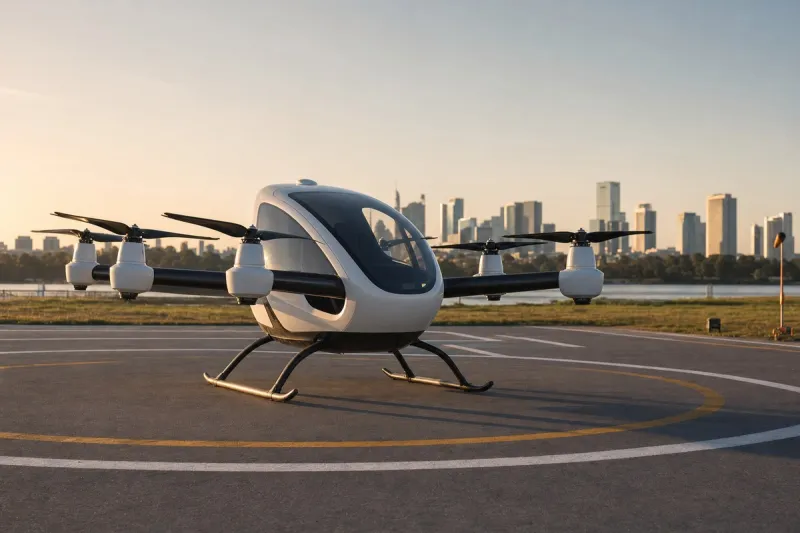
North America leads with a 40.12% revenue share, supported by NASA's Electrified Powertrain Flight Demonstration program. American Airlines conditionally purchased 100 hydrogen-electric engines, and United Airlines ordered 200 blended-wing hybrids from JetZero, which selected Greensboro, North Carolina, for a 14,500-job manufacturing facility announced in June 2025. Asia-Pacific is the fastest-growing region at a 35.72% CAGR, underpinned by China's CNY 2 trillion (USD 279.02 billion) low-altitude economy plan; EHang received the world's first type certificate for an autonomous passenger aircraft in 2024. In Europe, the European Investment Council injected EUR 17.5 million (USD 20.47 million) into AURA Aero, the EUR 40 million (USD 46.80 million) HECATE program focused on electric distribution system research, Airbus, Daher and Safran completed the EcoPulse distributed-propulsion flight campaign in December 2024 logging 100 flight hours across six motors, and VoltAero opened a final-assembly facility for the Cassio aircraft family in Nouvelle-Aquitaine in November 2024.
Regional and platform mix
The regional split shows North America ahead on revenue share while Asia-Pacific carries the faster growth rate, a divergence tied to different levers: American manufacturing programs and airline orders in one region, a large government-backed low-altitude economy plan and an early autonomous type certificate in the other. Europe's contribution centers on distributed-propulsion flight testing and dedicated final-assembly capacity rather than large aircraft orders.
Within the fleet mix, the dominance of piloted platforms at 74.68% alongside a 40.92% annual growth rate for autonomous platforms suggests two adoption tracks moving on different clocks — one following conventional turboprop-derived certification, the other advancing through newer type-certificate routes such as EHang's.
Industry impact & what to watch
The projected growth rate rests on two dependencies converging on schedule: certification frameworks maturing beyond special-class carve-outs like the one granted to Joby Aviation, and battery chemistries such as CATL's condensed-battery design or NASA's sulfur-selenium cell reaching production volumes at the energy densities demonstrated in testing. Regional transport aircraft lead today because turboprop baselines simplify both engineering conversion and the certification path, which is why platforms like the D328eco are further along than clean-sheet designs.
The market also illustrates how capital and regulation move together in this segment: the EU Taxonomy Regulation's zero-emission financing test and equity raises like Vertical Aerospace's USD 90 million round show that access to funding is increasingly conditioned on meeting emissions and certification milestones rather than on aircraft performance alone.
The next markers worth tracking are whether ICAO's and EASA's frameworks converge into harmonized rules for broader hybrid categories beyond current special-class approvals, whether CATL's pledged 2028 serial production of its 8-ton electric aircraft holds, and whether JetZero's Greensboro facility and United Airlines' 200-aircraft order progress toward firm delivery schedules.