Autonomous Fixed-Wing Aircraft Edge Toward Commercial Use as Companies Race to Replace Pilots
Why It MattersAutonomous fixed-wing development signals a structural shift toward reduced-crew and pilotless operations across agricultural, cargo and future passenger aviation segments.
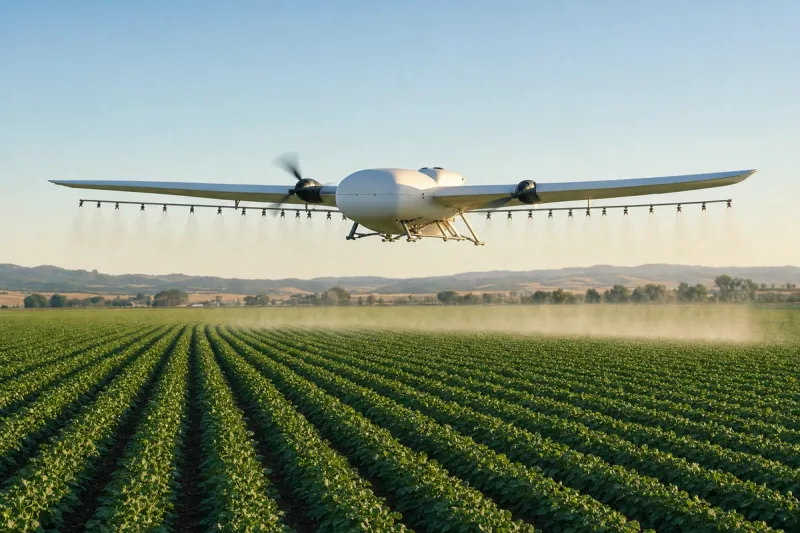
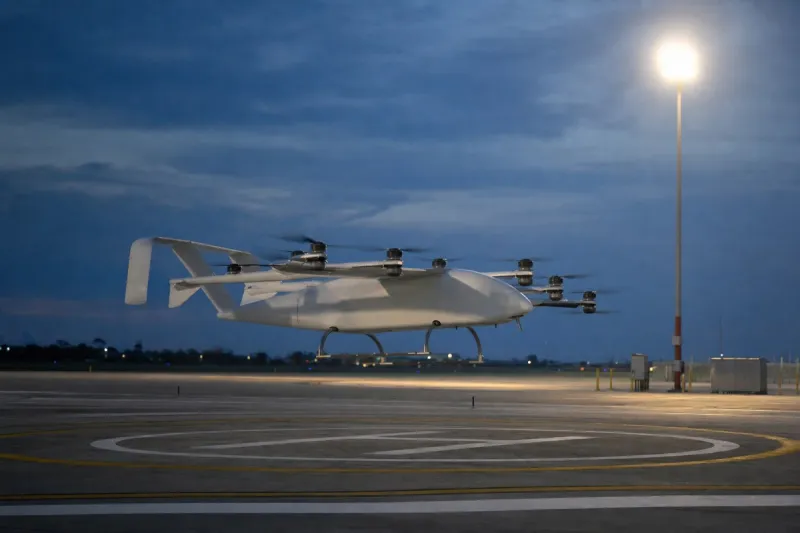
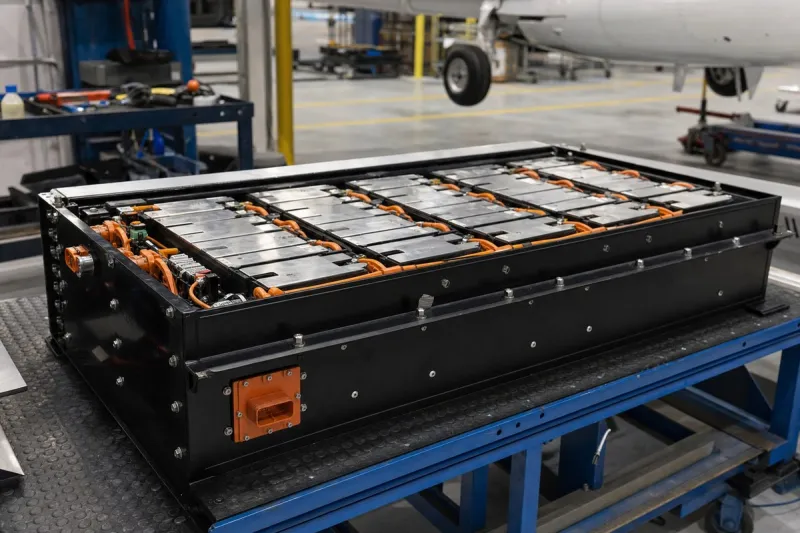
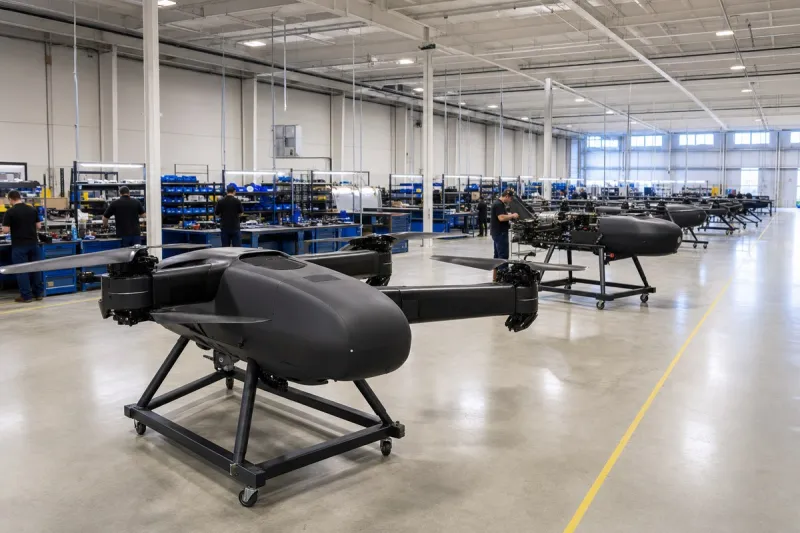
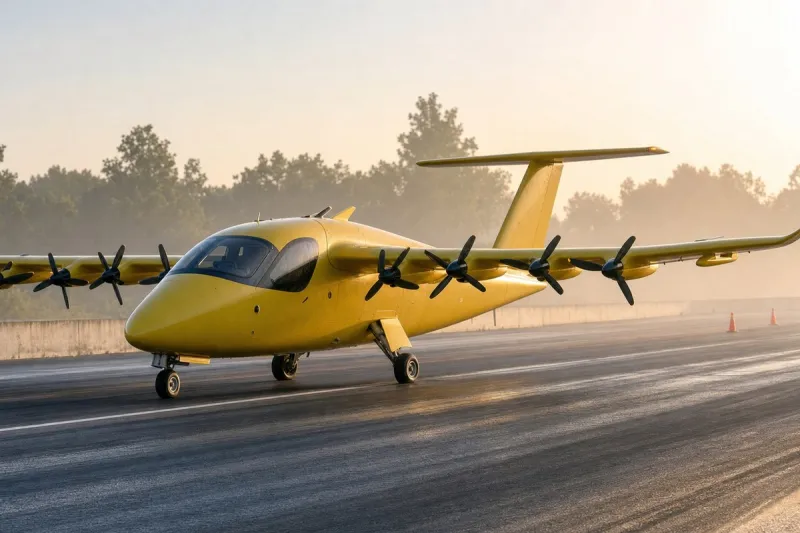
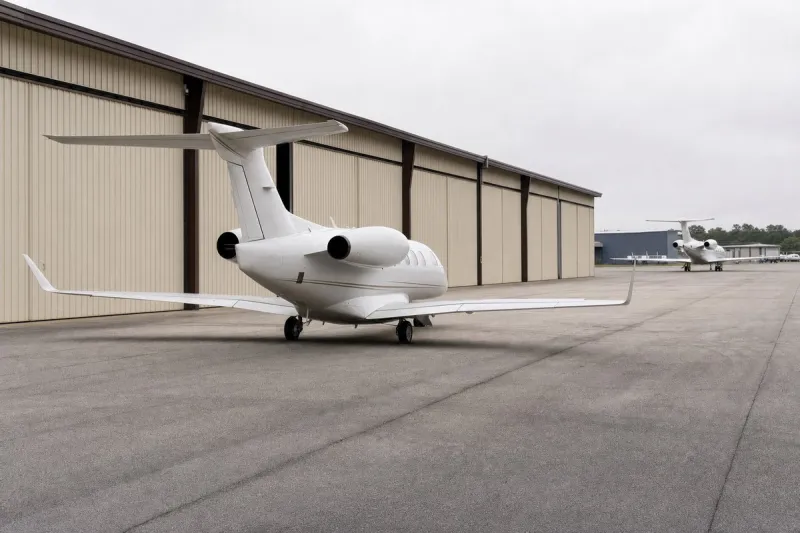
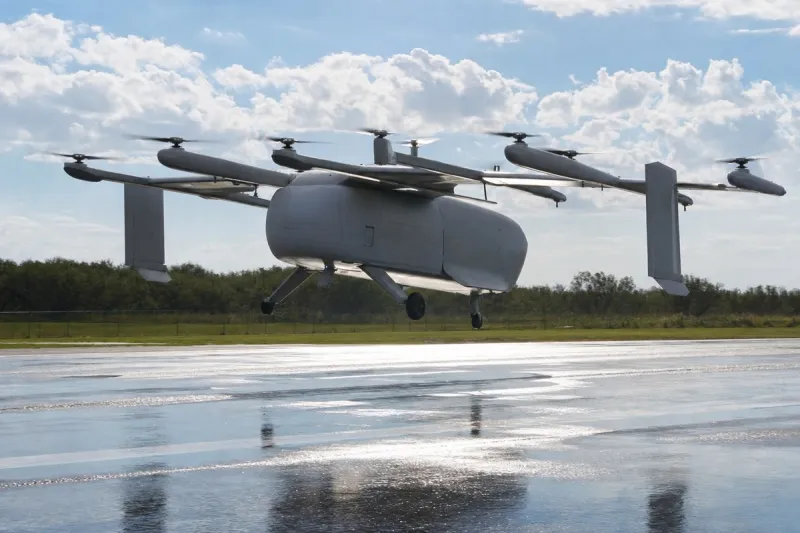
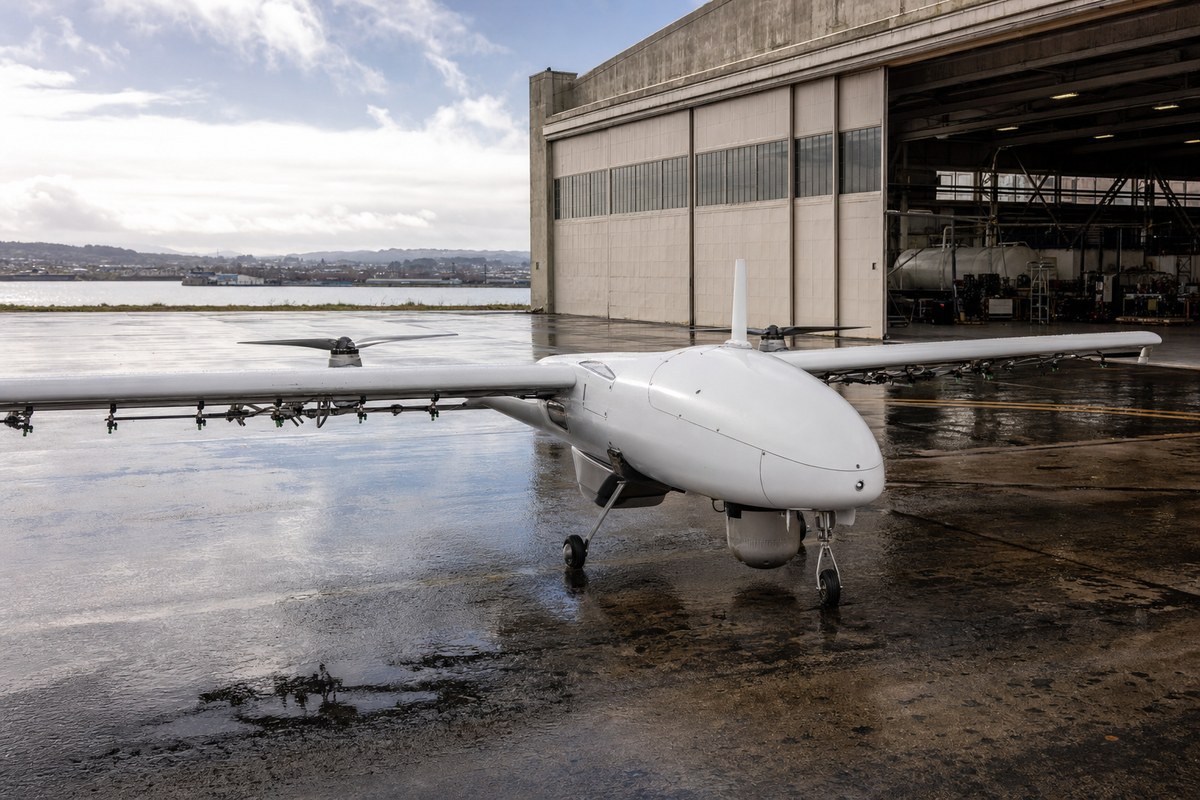
A small group of companies is racing to bring self-flying fixed-wing aircraft into commercial service, targeting crop spraying, cargo delivery and, eventually, passenger transport. Pyka, based in a converted Second World War hangar overlooking San Francisco Bay, has built pilotless crop-spraying aircraft with 11.5-metre wingspans that are fully electric, carry up to 300 litres of spray, and fly for about 35 minutes per battery charge. About a dozen Pyka aircraft already operate in Brazil spraying cotton and soybeans, and in the United States its crop sprayer became the largest autonomous fixed-wing aircraft approved for commercial civilian use after gaining authorisation last year, though operations remain confined to a tight area. Pyka co-founder and CEO Michael Norcia envisions a fleet of minibus-capacity aircraft eventually carrying passengers along the US east and west coasts, saying there is "a decent chance" autonomous fixed-wing planes reach that milestone before eVTOLs.
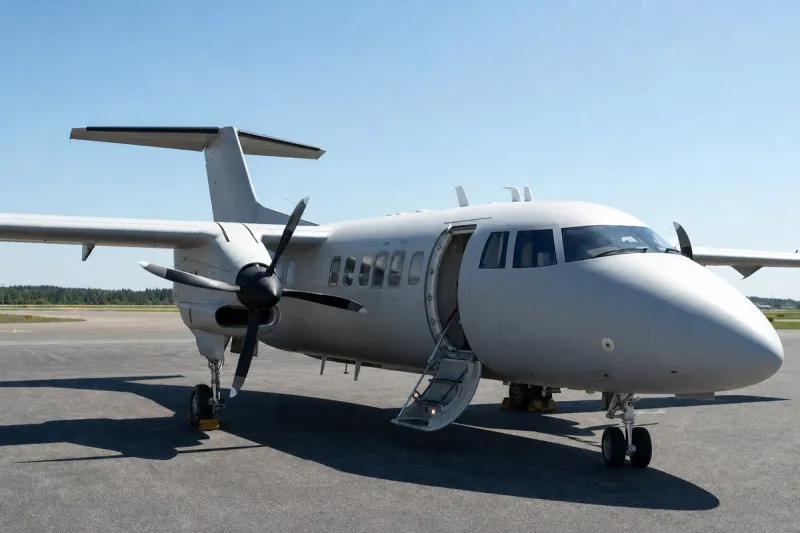
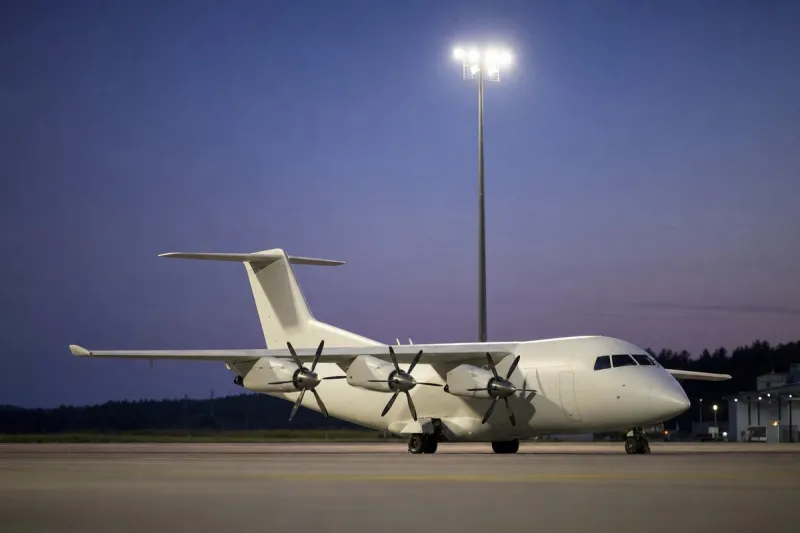
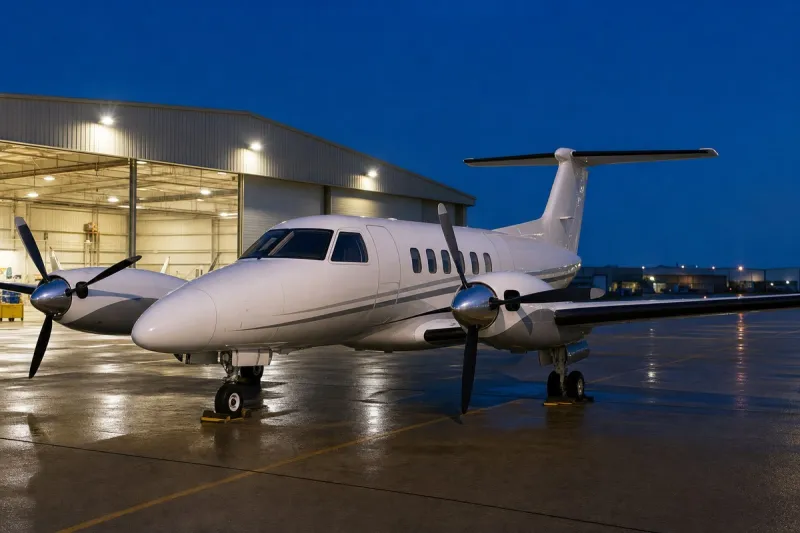
UK-based Windracers is seeking permission to launch an autonomous cargo service in Shetland and Orkney, which founder and chairman Stephen Wright called potentially "the first heavy-lift air cargo service by drone certainly in the UK and probably anywhere," and its aircraft are also flying missions in Ukraine. US-based Reliable Robotics, backed by Boeing's investment arm, is retrofitting existing aircraft with autonomous systems, currently testing on the Cessna 208B Grand Caravan, a single-pilot cargo plane carrying roughly 1,360 kg over hundreds of kilometres, using forward-looking air-to-air radar that detects other aircraft more than eight kilometres ahead instead of AI. Merlin Labs is applying its autonomous system to the two-pilot Lockheed Martin C-130J, with commercial multi-crew cargo aircraft next, using AI-powered cameras for detect-and-avoid and planning generative AI trained on thousands of hours of recorded exchanges to communicate with air traffic control, aiming eventually to eliminate remote pilots entirely.
Proponents say autonomous aircraft could ease pilot shortages, remove people from hazardous work, improve efficiency and cut costs if one operator oversees multiple planes. The US Air Line Pilots Association has called removing pilots "a serious gamble with safety and a step too far," while the US National Agricultural Aviation Association warned small uncrewed aircraft are hard for manned pilots to see and that piloted planes can spray larger areas more quickly. Stanford University's Mykel Kochenderfer noted self-flying planes have emerged more slowly than self-driving cars partly due to stricter aviation safety standards and because large technology companies concentrated investment on automotive autonomy instead.