Space Telescope Begins L2 Journey, FAA Expands Drone Integration Program, Trump Orders Space Academy Commission
Why It MattersParallel federal moves on beyond-visual-line-of-sight drone testing and space workforce training signal that airspace integration and talent pipelines are becoming coordinated national priorities rather than isolated agency projects.
What happened
A space telescope lifted off at 7:26 a.m. EDT Sunday and began a three-month journey to the Sun-Earth L2 Lagrange point. NASA reported the spacecraft is healthy and that its initial deployments proceeded as planned.
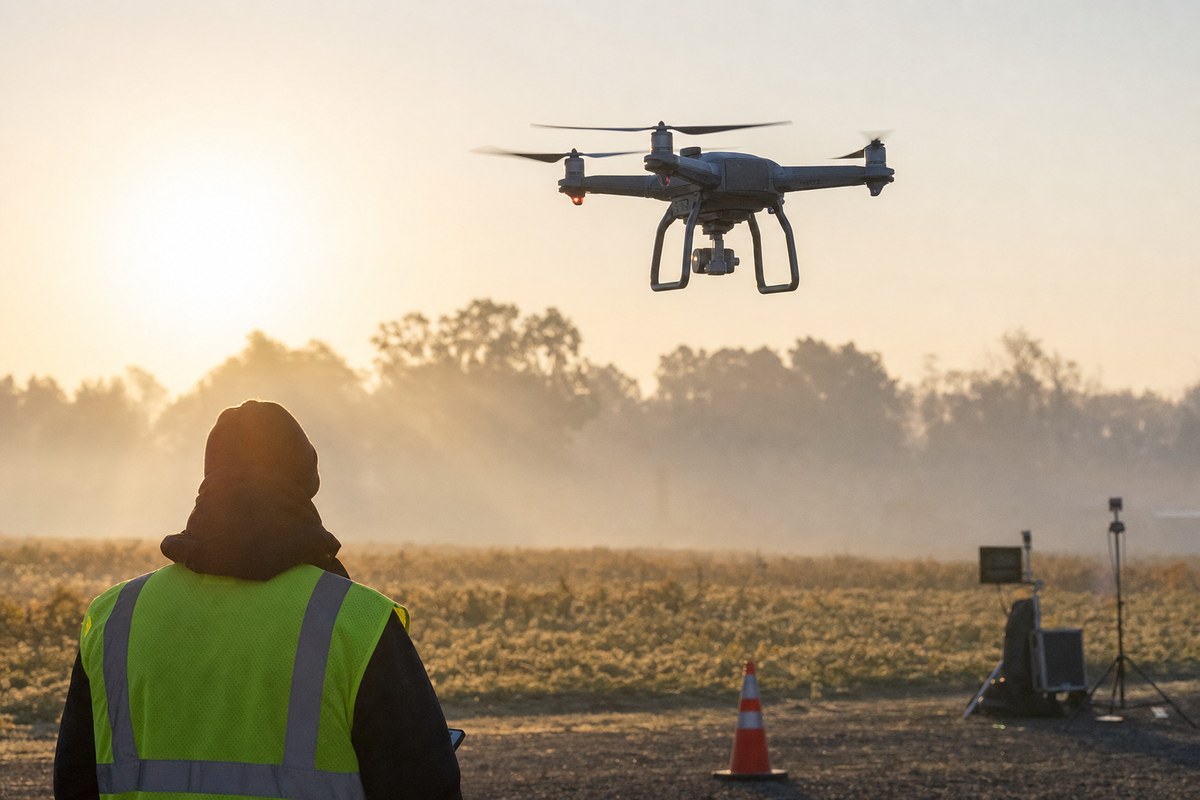
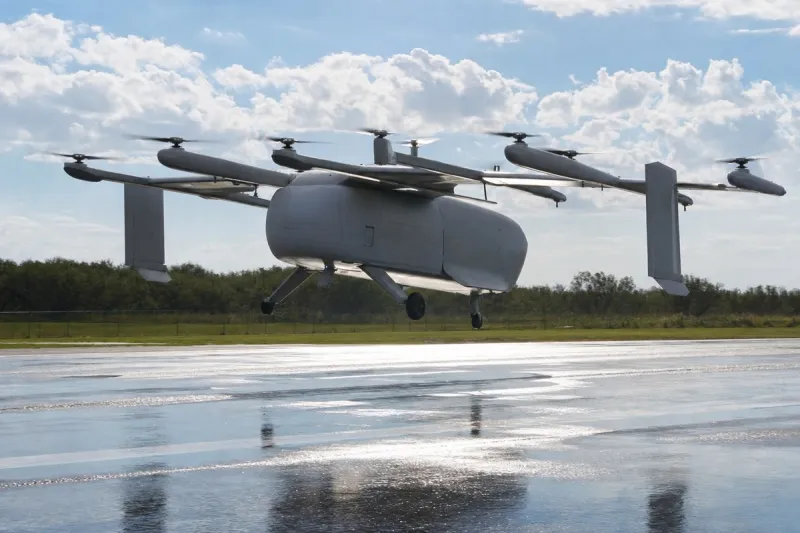
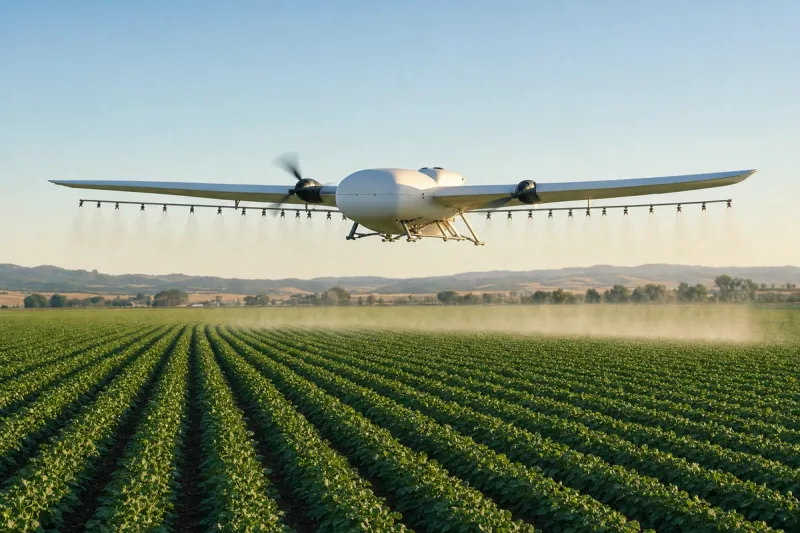
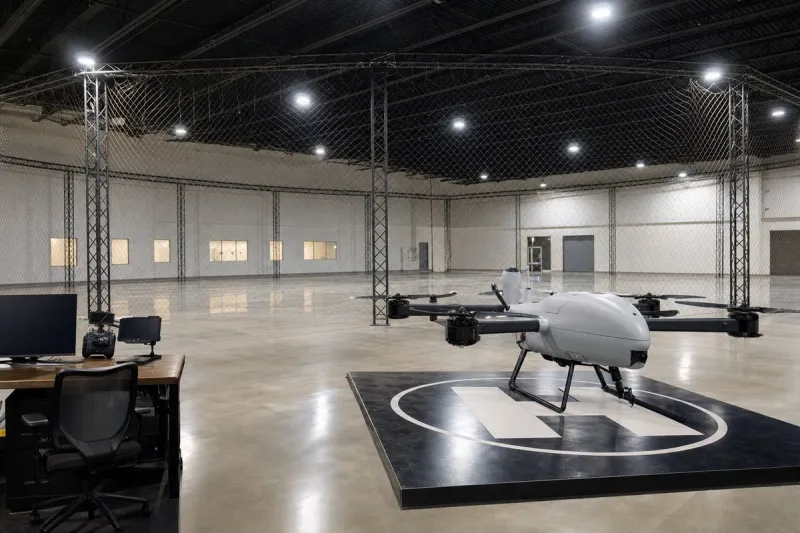
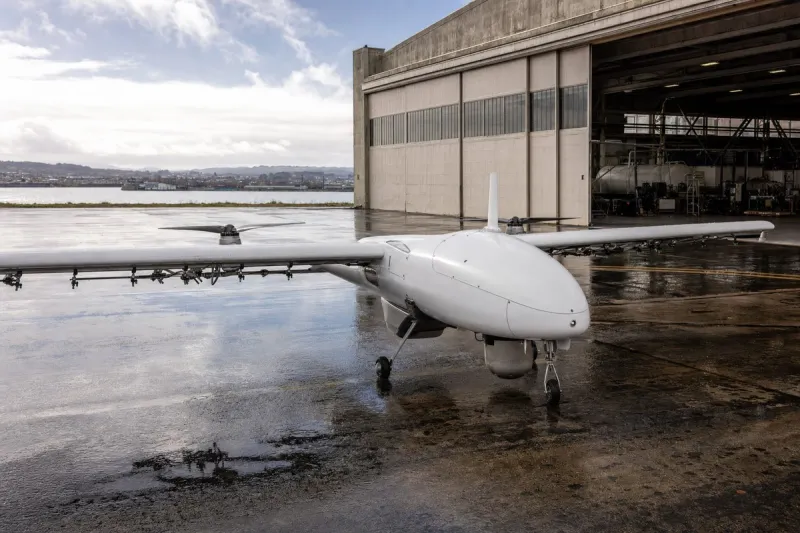
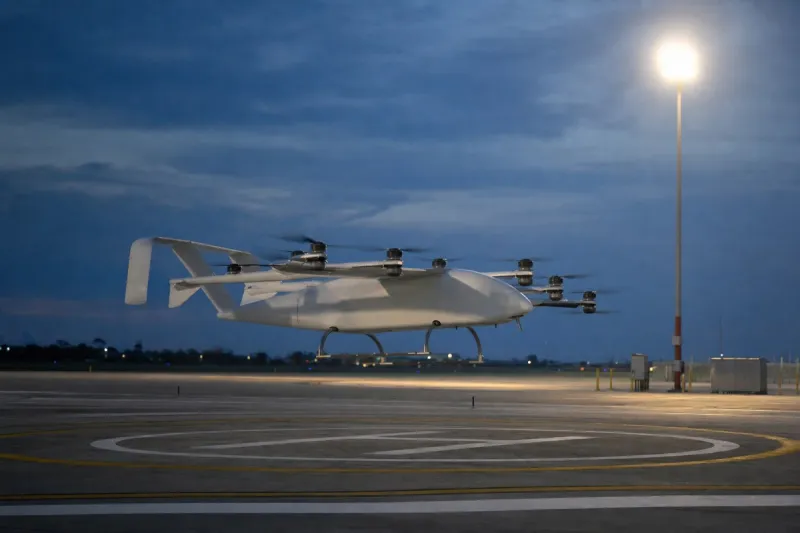
Separately, the FAA is expanding one of its primary real-world drone integration laboratories under the BEYOND Phase 2 initiative, which will add up to eight additional state, local, tribal, and territorial participants. The expansion is aimed at advancing drone operations beyond visual line of sight and making such operations more routine. U.S. Transportation Secretary Sean P. Duffy announced the expansion, stating: "America leads the world in aviation, and this expansion will help keep it that way."
On August 28, President Donald Trump signed an executive order establishing a commission to develop the concept of a new federal academy intended to train engineers, scientists, operators, astronauts, and other professionals for the space sector. The proposed institution would span civilian spaceflight, national security, and public service.
Industry impact & what to watch
Each of these three developments belongs to a broader push to formalize and scale activity that has so far run on pilot programs and one-off missions: a science payload heading to a stable observation point, a drone testing framework adding jurisdictions, and a proposed training institution for the space workforce.
BEYOND Phase 2's expansion illustrates how beyond-visual-line-of-sight drone integration actually advances in the U.S. — not through a single national rule change but through incremental addition of state, local, tribal, and territorial partners generating operational data the FAA can use to build toward routine authorization. The space academy commission works on a similar logic: before any institution exists, a commission must first define its scope across civilian, national security, and public service applications.
What happens next will depend on how many of the up to eight new BEYOND participants are confirmed and what specific waivers or routes they pursue, alongside whatever scope and timeline the space academy commission eventually recommends to the administration.