Horizon Aircraft Begins Wind Tunnel Ice Protection Testing for Cavorite X7 FIKI Certification
Why It MattersThe project shows how eVTOL developers are leaning on university and certification-specialist partnerships to tackle all-weather capability, a gap that has long limited helicopter-dependent regional air mobility.
What happened
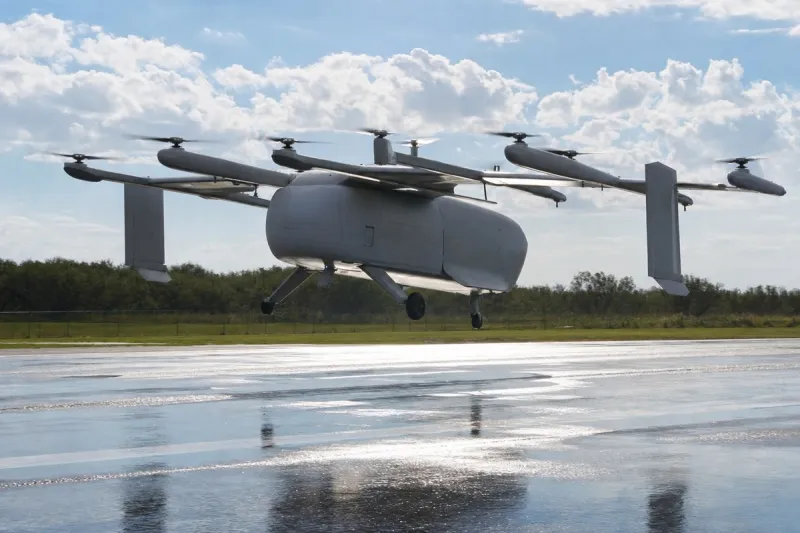
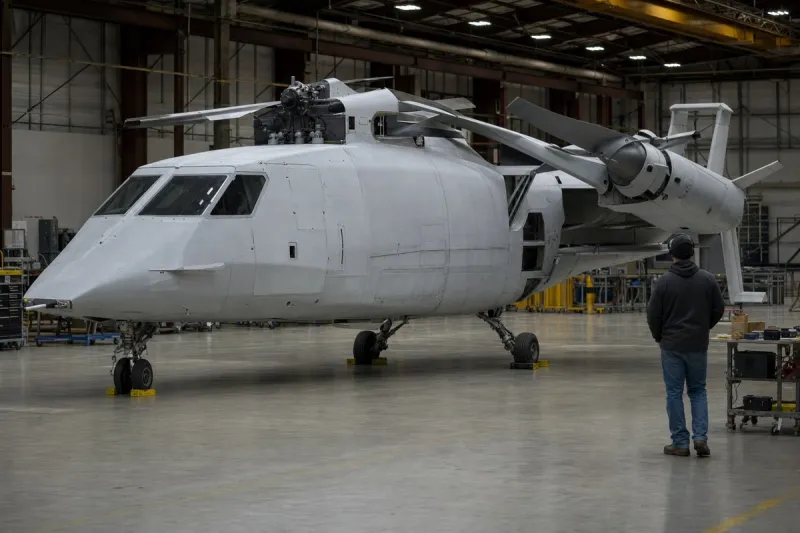
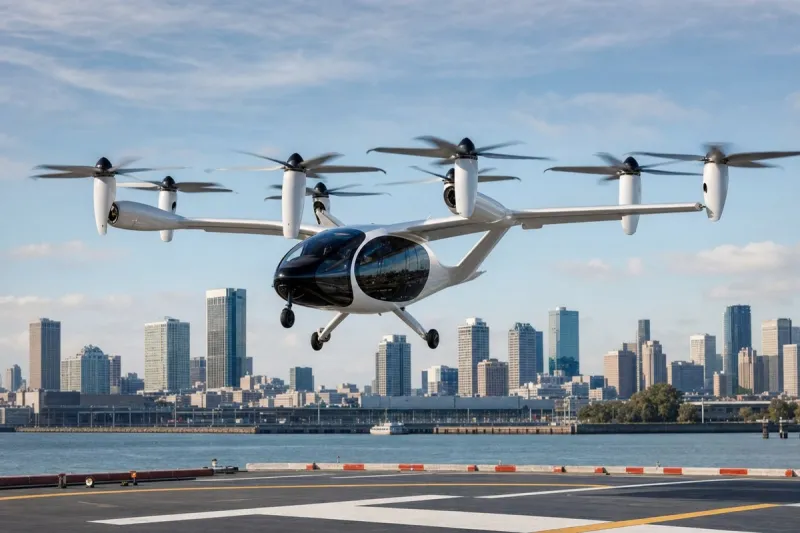
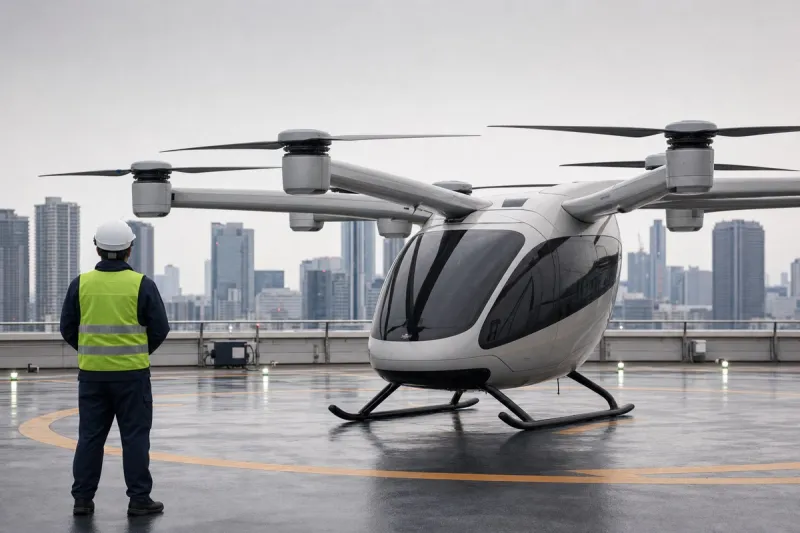
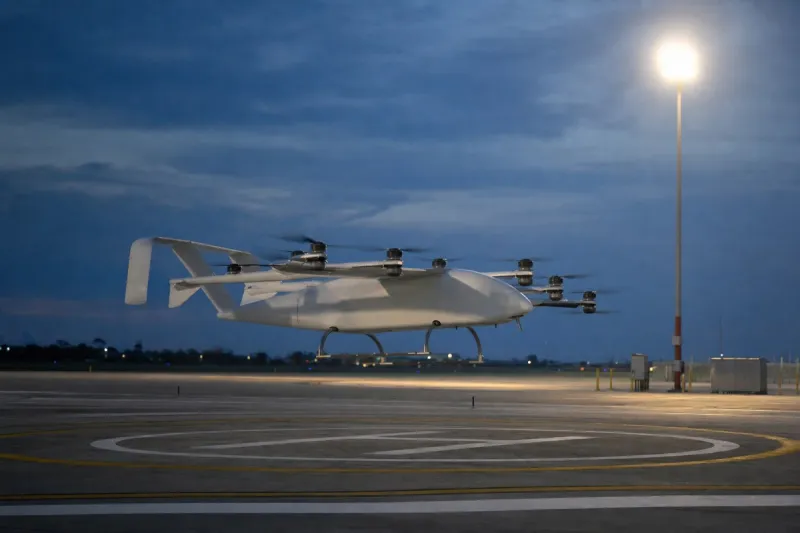
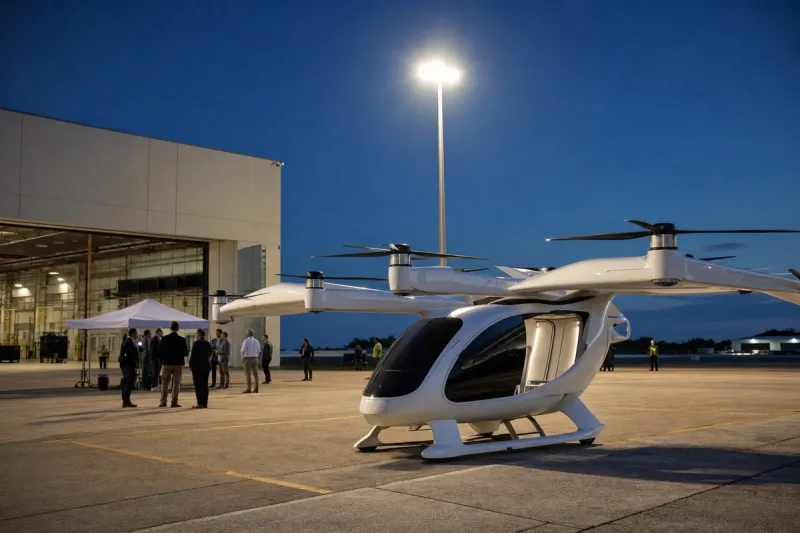
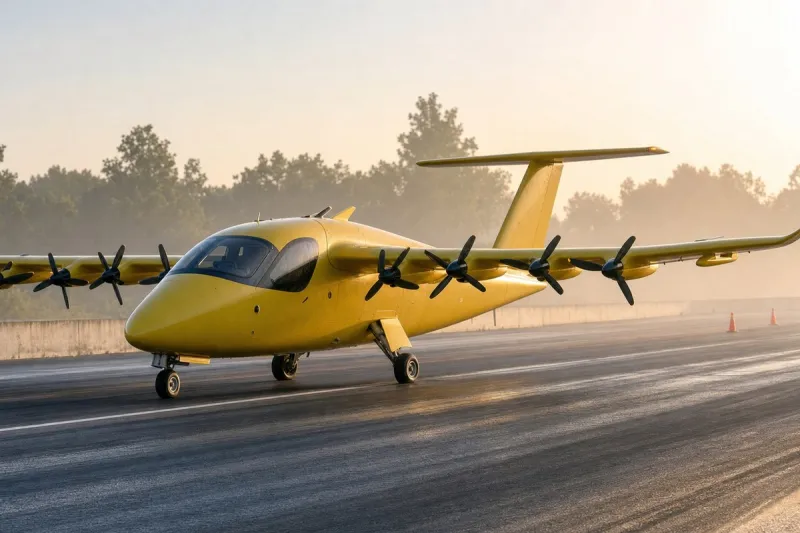
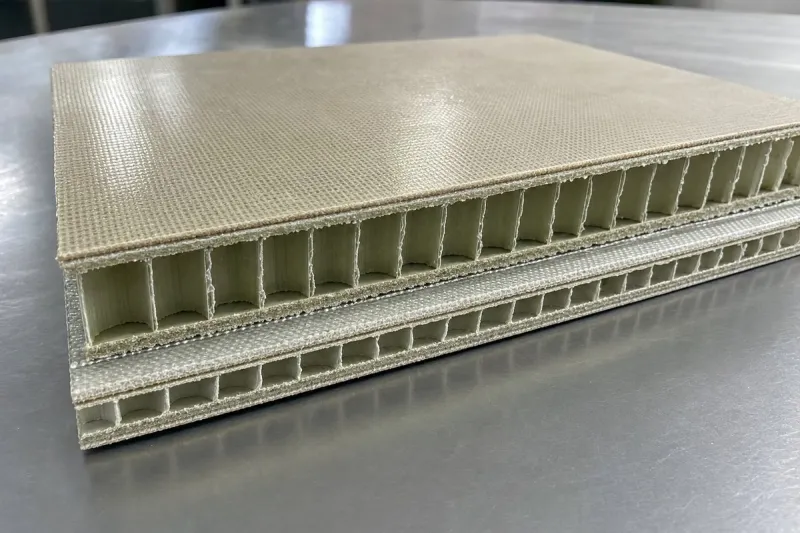
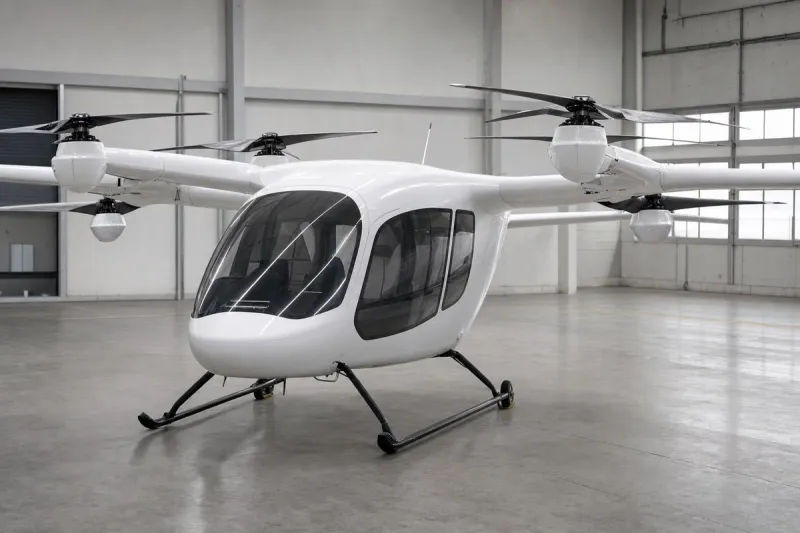
Horizon Aircraft (NASDAQ: HOVR) announced on September 1, 2026 that it has begun wind tunnel testing of small coupon samples featuring ice protection technology developed by the University of Toronto, describing it as the first step toward Flight Into Known Icing (FIKI) certification for its Cavorite X7 hybrid-electric VTOL aircraft. The testing began in July 2026 and is being carried out to evaluate the viability of the University of Toronto's ice protection systems for integration into the Cavorite X7.
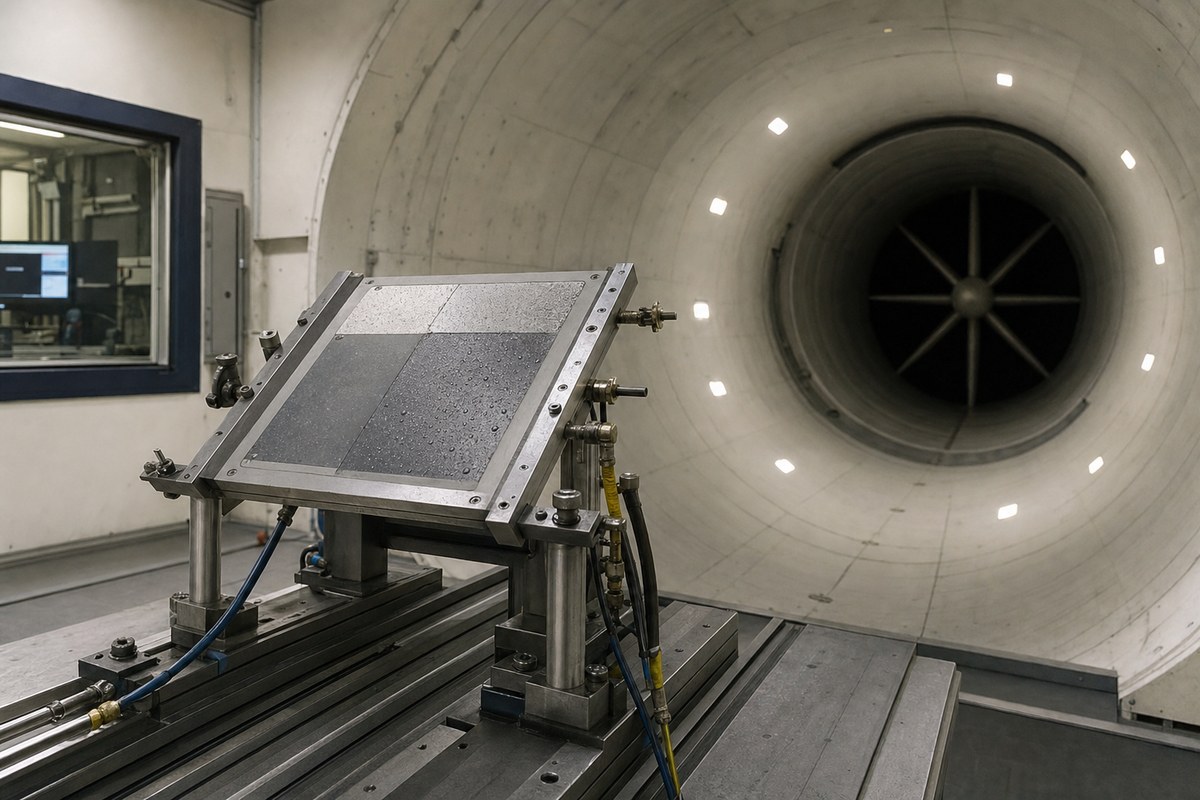
The work is being conducted under the company's previously announced $10.5 million INSAT-funded all-weather vertical propulsion eVTOL project, in collaboration with Cert Center Canada (3C) and the University of Toronto. Dr. John Maris, Founder of 3C, said unlocking the potential of air vehicle operations globally requires accounting for harsh climates, and that he believes the combination of the X7's design, 3C's mentorship, and UofT's technology can help Horizon Aircraft achieve FIKI certification and provide a year-round regional air mobility solution that helicopters struggle to provide.
Brandon Robinson, Co-Founder and CEO of Horizon Aircraft, said the Cavorite X7 was designed from the outset for Canadian winters to serve remote communities and improve aircraft utilization for operators. Cert Center Canada specializes in flight test, certification, research and development, and emerging aerospace technology, and Horizon Aircraft is headquartered in Toronto, Ontario.
Industry impact & what to watch
This falls into a familiar early-stage certification pattern for advanced air mobility programs: small-scale coupon or component testing precedes full-aircraft qualification, and companies publicize each milestone to signal progress toward a type certificate. FIKI certification in particular has historically been a gating requirement for rotorcraft and fixed-wing aircraft serving northern and remote regions, since icing conditions can ground aircraft that lack approved ice protection systems.
Regional air mobility in cold climates depends heavily on all-weather capability, since operators serving isolated communities need aircraft that can fly reliably through winter months rather than being grounded by snow or icing. Helicopters currently fill that role but, as described by both Horizon and 3C, are frequently limited by cold-weather conditions, which is the operational gap the Cavorite X7 program is aimed at closing.
What comes next for this program is whether the coupon-level wind tunnel results support progression to larger-scale or full-aircraft ice protection testing, and how the University of Toronto's technology performs against the standards Cert Center Canada and Transport Canada would apply toward eventual FIKI certification.