Transense and Unison SAWsense Torque Technology Underpins First Hybrid-Electric Flight Above 30,000 ft and First Hybrid-Electric Transatlantic Crossing
Why It MattersThe milestone signals growing cross-industry collaboration on sensor technology as a building block for next-generation hybrid-electric aircraft propulsion systems.
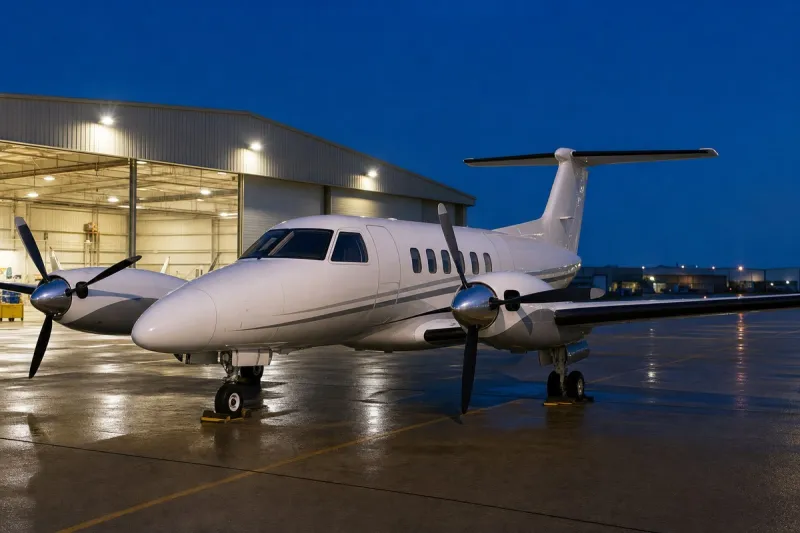
Transense Technologies plc and Unison, a GE Aerospace company, have detailed the collaboration behind torque-sensing technology used in two hybrid-electric aviation milestones: the first hybrid-electric flight above 30,000 feet and the first hybrid-electric transatlantic crossing, both demonstrated at the Farnborough International Airshow in July 2026.
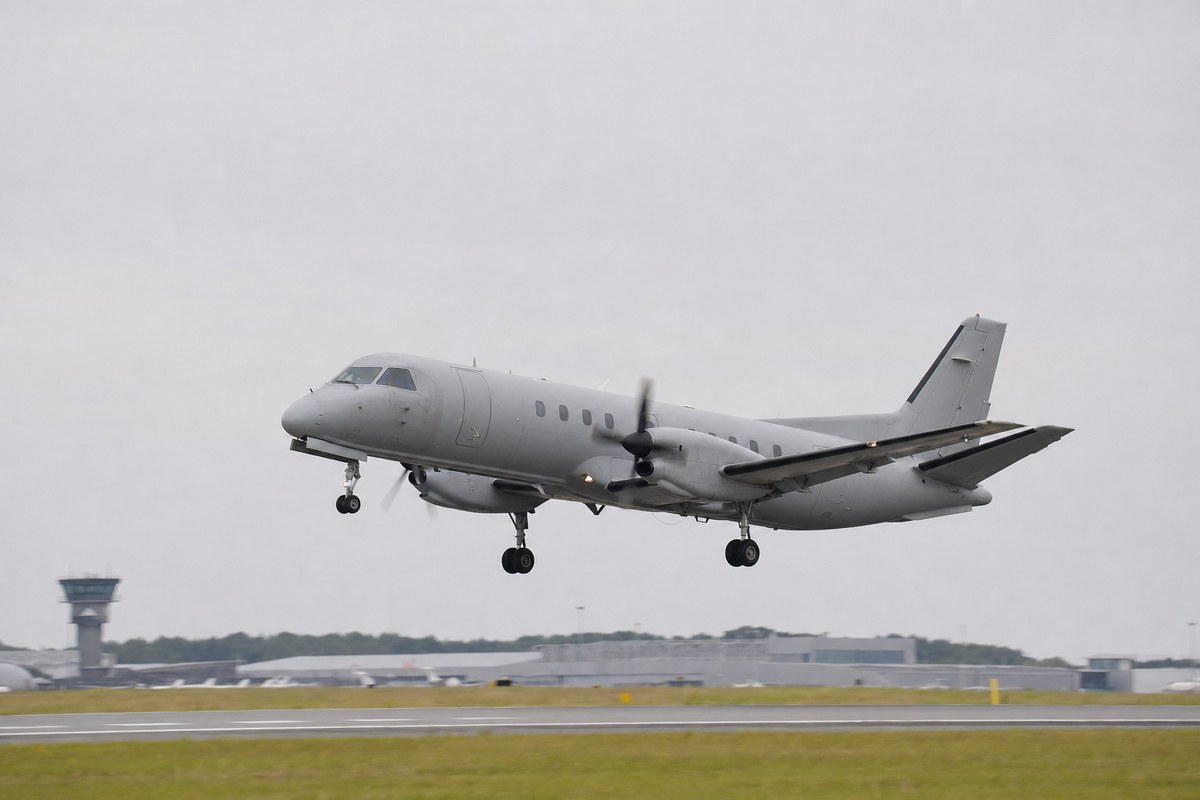
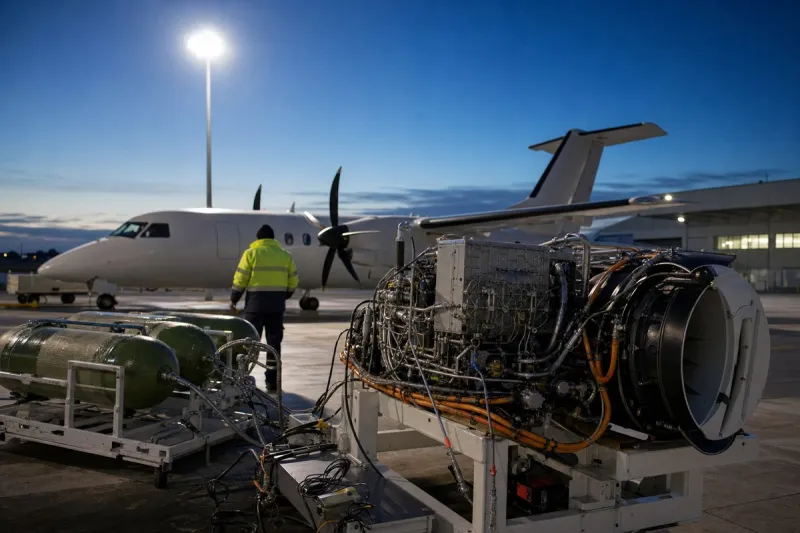
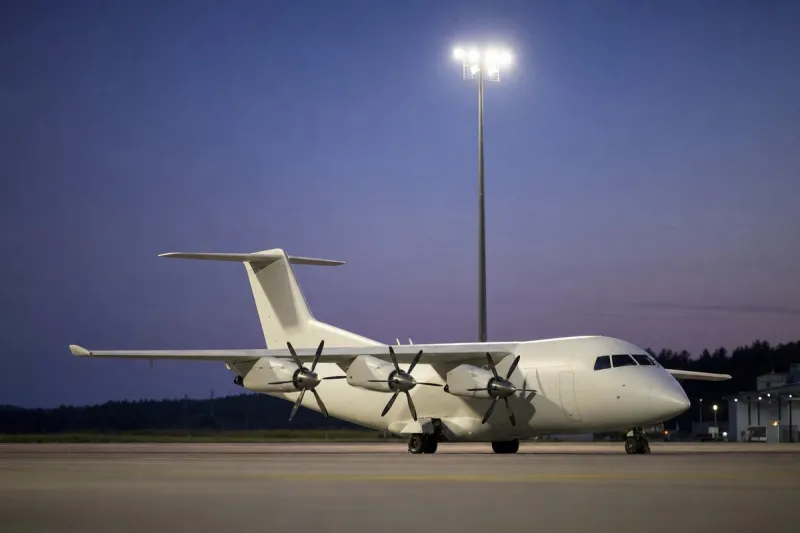
The flights used a modified Saab 340B testbed aircraft. GE Aerospace's account of the program lists Unison-supplied torque sensing among the components fitted to the aircraft, alongside partners NASA, BETA Technologies and Boeing.
Transense, a sensor systems developer based in Bicester, Oxfordshire, supplied its SAWsense technology, based on surface acoustic wave sensors, as the foundational sensing element, while Unison adapted and advanced it for the airborne demonstration, contributing aerospace engineering, industrialization, qualification and integration expertise.
Ryan Maughan, managing director of Transense Technologies plc, called it an important milestone for advanced propulsion development and for torque sensing's role in future aircraft propulsion technologies, adding that the company is proud to see its foundational SAWsense technology incorporated into Unison's industrialised solution. Josh Friedman, engineering leader at Unison, said the demonstration reflects the value of pairing specialized sensing technology with aerospace application engineering and highlighted the companies' long-standing relationship in advancing next-generation propulsion technology development. The companies said the collaboration illustrates how sensing innovation and aerospace systems engineering can support technologies being explored for next-generation aircraft propulsion, aimed at improving efficiency, lowering emissions and extending range.