Regent Craft's Viceroy Electric Seaglider Completes First Crewed Flight on Narragansett Bay
Why It MattersThe test signals that new vehicle categories can advance toward commercial service by fitting into existing maritime licensing and safety frameworks instead of waiting on new aviation rules to be written.
What happened
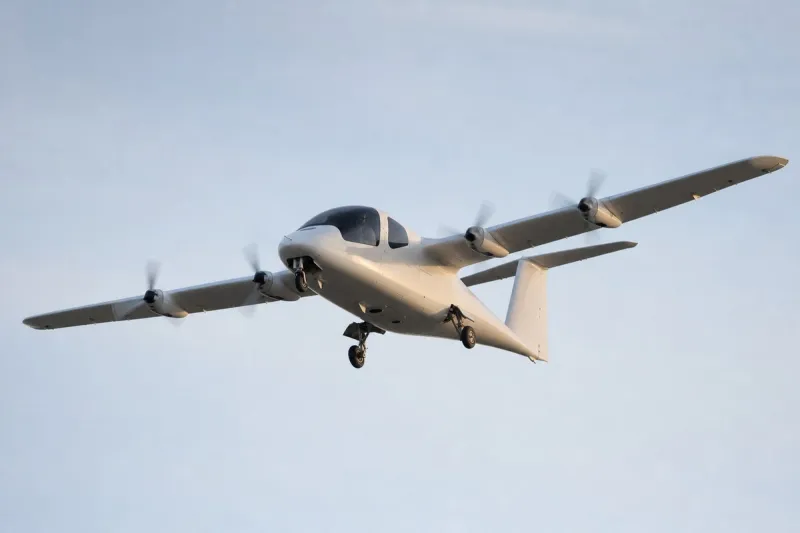
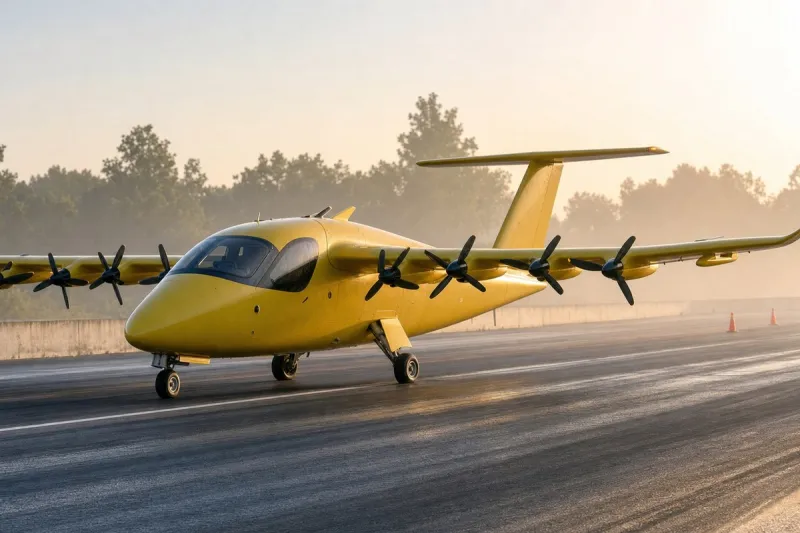
Regent Craft announced Wednesday that its prototype electric seaglider, Viceroy, completed its first human-crewed flight, which the company said makes it the largest all-electric wing-in-ground effect craft to fly with people on board. Two captains piloted the prototype over Rhode Island's Narragansett Bay during the test.
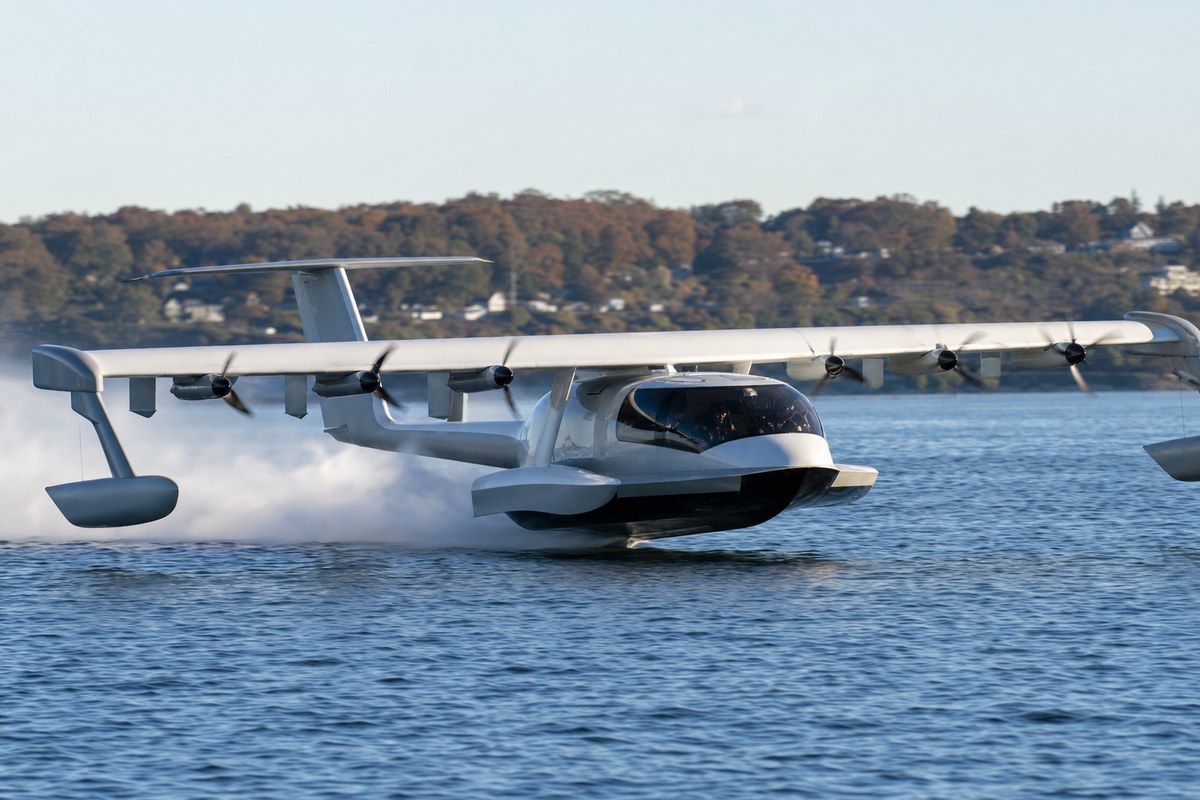
The Viceroy flies just above the water's surface and combines characteristics of traditional aircraft and maritime vessels. It is classified as a Type A WIG craft and defined as a maritime vessel, operated by maritime captains who must obtain a type rating through a dedicated training course; it will be certified and regulated by the U.S. Coast Guard, not the FAA.
Regent Craft, based in Rhode Island, said the crewed flight marks the final stage of sea trials for the Viceroy. The vehicle is intended for zero-emission coastal travel carrying up to 12 passengers, with commercial deliveries expected to begin in 2027. The company said the achievement signals the start of a new era in mobility, with potential applications spanning passenger travel, defense missions, and cargo transport.
Industry impact & what to watch
This test belongs to a broader push to move zero-emission, water-based transport craft from prototype to passenger service without waiting for entirely new certification regimes to be built from scratch. By classifying the Viceroy as a maritime vessel piloted by captains with a dedicated type rating, Regent Craft routes the craft through Coast Guard oversight, a pathway distinct from the FAA process that conventional aircraft manufacturers must clear.
That regulatory choice shapes how fast such a craft can reach commercial operation: maritime certification and crew licensing already have established structures, so the open questions shift from whether a new aviation rulebook must be written to how quickly the existing maritime framework can absorb a vehicle that also flies. The completion of sea trials is the step that typically precedes a manufacturer moving toward production and delivery timelines.
What comes into view now is whether Regent Craft holds to its stated 2027 delivery target, and what commercial or defense customers commit to orders once the Coast Guard certification path is further along.