Methanol-to-Jet Sustainable Aviation Fuel Achieves ASTM Certification
Why It MattersA new certified SAF pathway broadens the industry's feedstock options toward the 65% emissions-reduction target, though scaling production capacity remains a hurdle before net-zero goals by 2050.
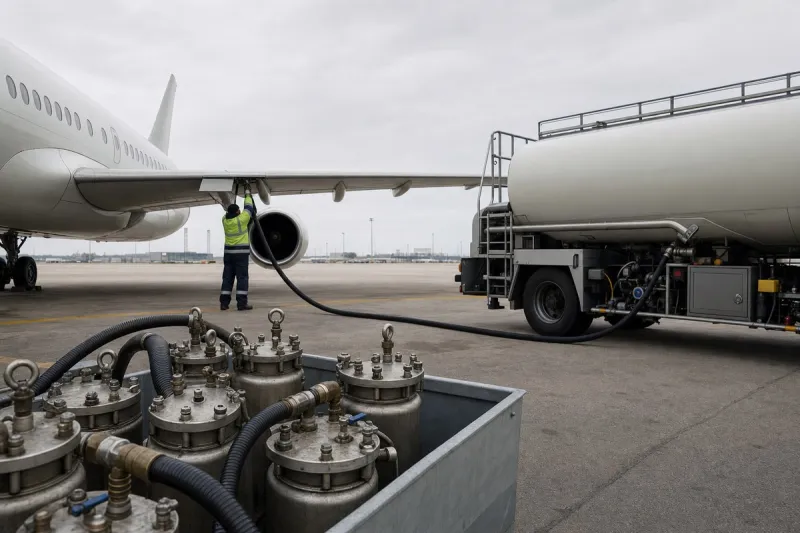
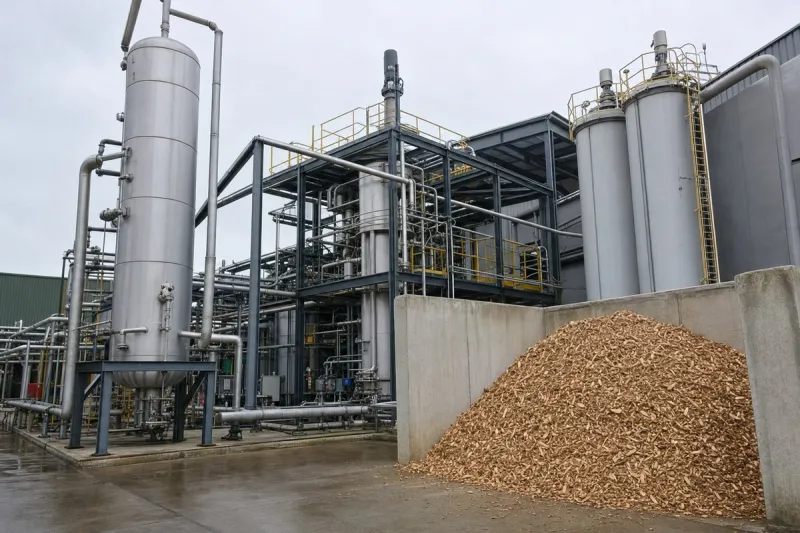
Methanol-to-Jet (MtJ), a sustainable aviation fuel production pathway, has received ASTM certification under the ASTM D7566 qualification standard, allowing it to be used as a "drop-in" fuel blended with conventional jet fuel in existing aircraft and fuel infrastructure without modification.
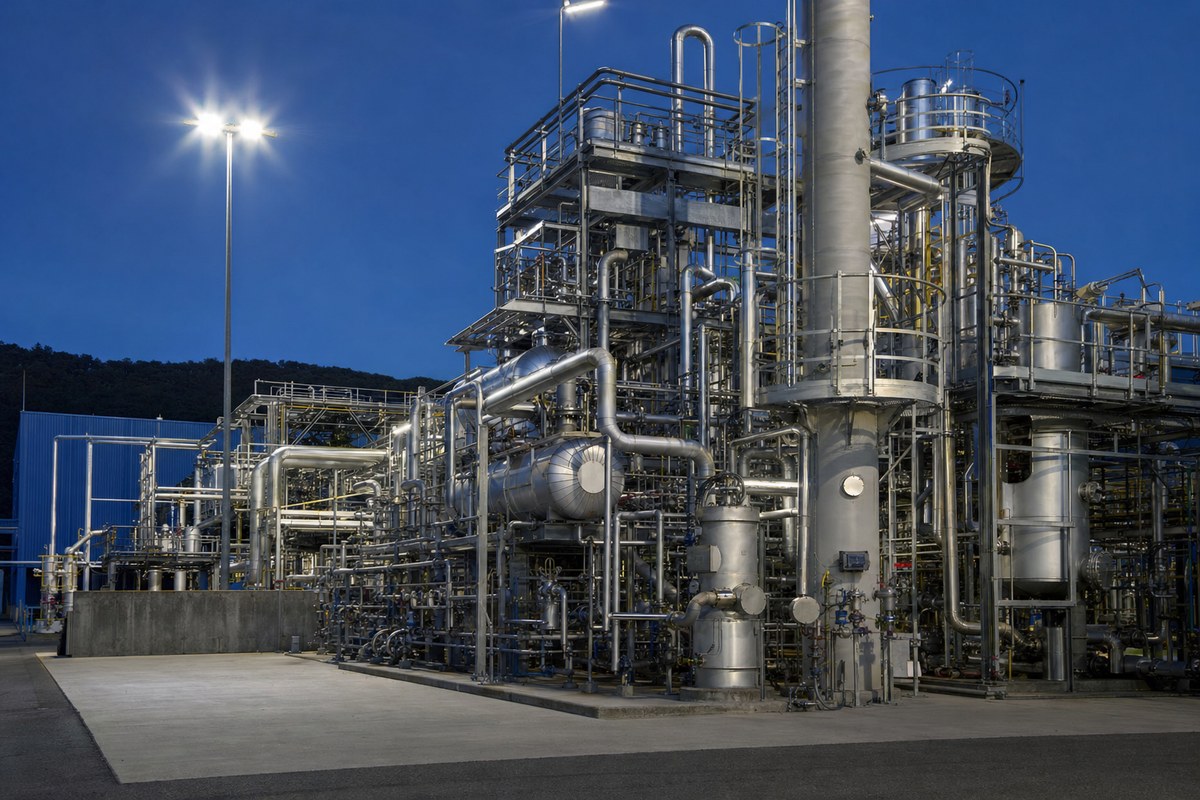
The technology was developed at the Paul Scherrer Institute (PSI) in Switzerland in collaboration with Zurich-based climate start-up Metafuels, with support from the Swiss Federal Office of Energy. The two organisations built what they describe as the world's first demonstration plant to test the Methanol-to-Jet process, located on the PSI campus, based on a technology called "aerobrew" developed jointly by PSI and Metafuels. The pathway was first identified as a promising SAF option in 2020 by PSI and Empa through the SynFuels collaboration, and current development efforts include the reFuel.ch consortium alongside the PSI–Metafuels partnership.
Aviation accounts for more than 3% of global CO₂ emissions, and the international aviation industry estimates SAF could deliver around 65% of the emissions reductions needed for aviation to reach net-zero CO₂ emissions by 2050. Despite the ASTM milestone, significant effort remains to expand Methanol-to-Jet production capacity to meet future demand.