Midwest Agriculture and SAF Industry Leaders Highlight Growth Opportunities at Global Aerospace Summit
Why It MattersDiversifying SAF feedstocks beyond soybeans and clarifying regulatory pathways like the 45Z tax credit could accelerate domestic production capacity needed to meet rising global aviation demand.
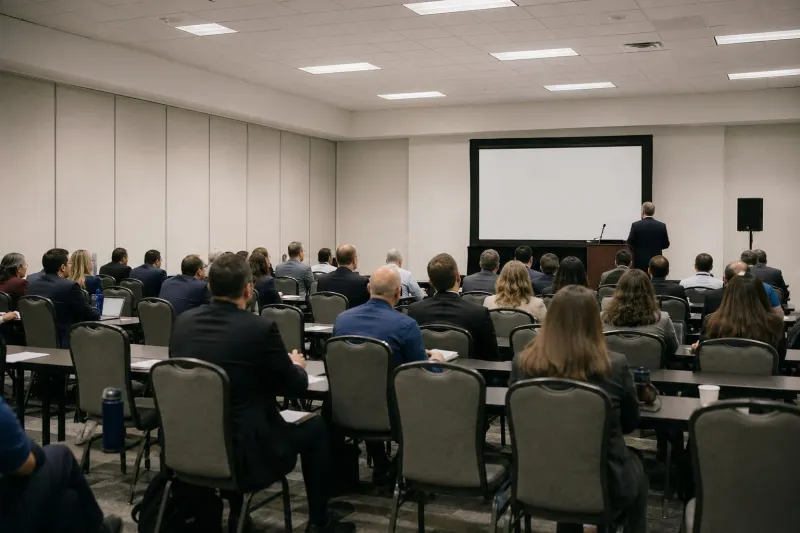
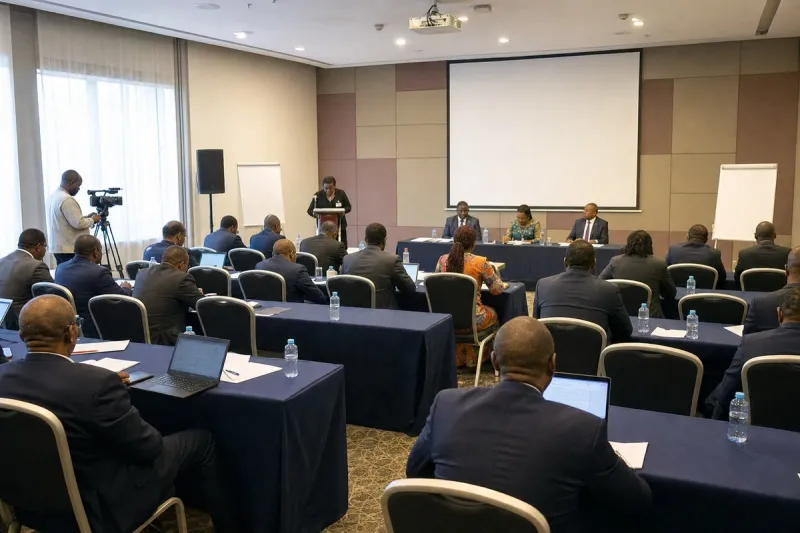
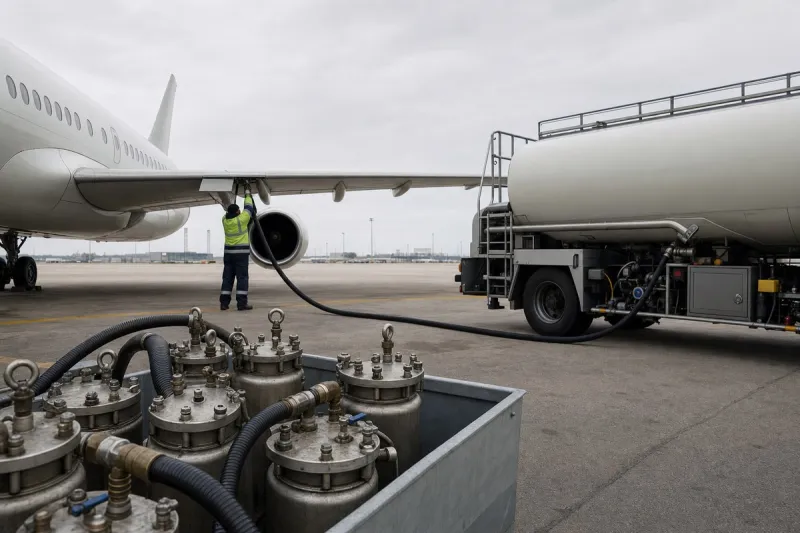
At the Global Aerospace Summit's session "The Future of Flight Runs on SAF," panelists discussed how Illinois, Missouri and the broader Midwest corn belt are positioned to expand domestic sustainable aviation fuel production while creating new revenue opportunities for agricultural producers. The session was moderated by Darren James, director of MidAmerica St. Louis Airport, and featured Jim Hedges, CEO of CoverCress, and Cindy Tomei, president of the Sustainable Aviation Fuels Institute (SAFII).
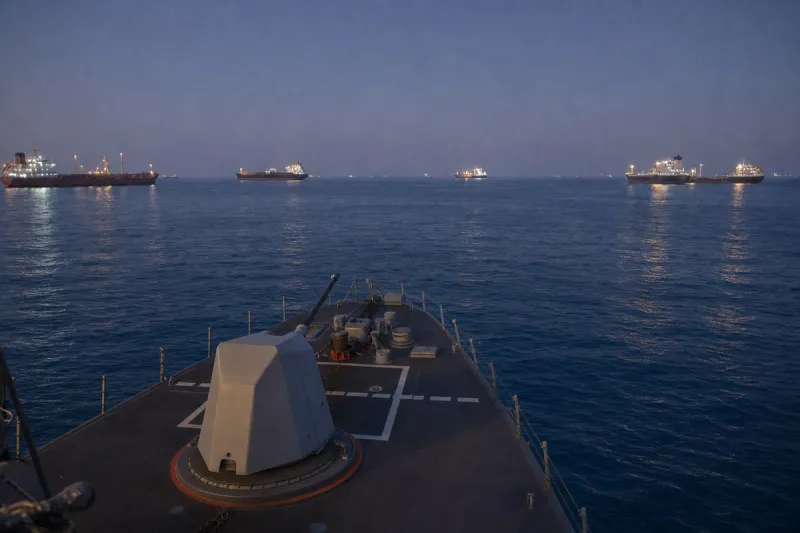
Tomei said SAFII was established in Illinois two years ago following a state-led SAF summit convened at the governor's request, and that the institute, headquartered in Sugar Grove, Illinois, provides laboratory training in fuel testing and connects stakeholders across the global SAF supply chain. She noted that O'Hare International Airport ranks among the top 10 airports worldwide for SAF procurement, and that progress has been accelerated by greater clarity around the federal 45Z tax credit, improved carbon intensity scoring, EU SAF mandates, and supply disruptions linked to oil movement through the Strait of Hormuz.
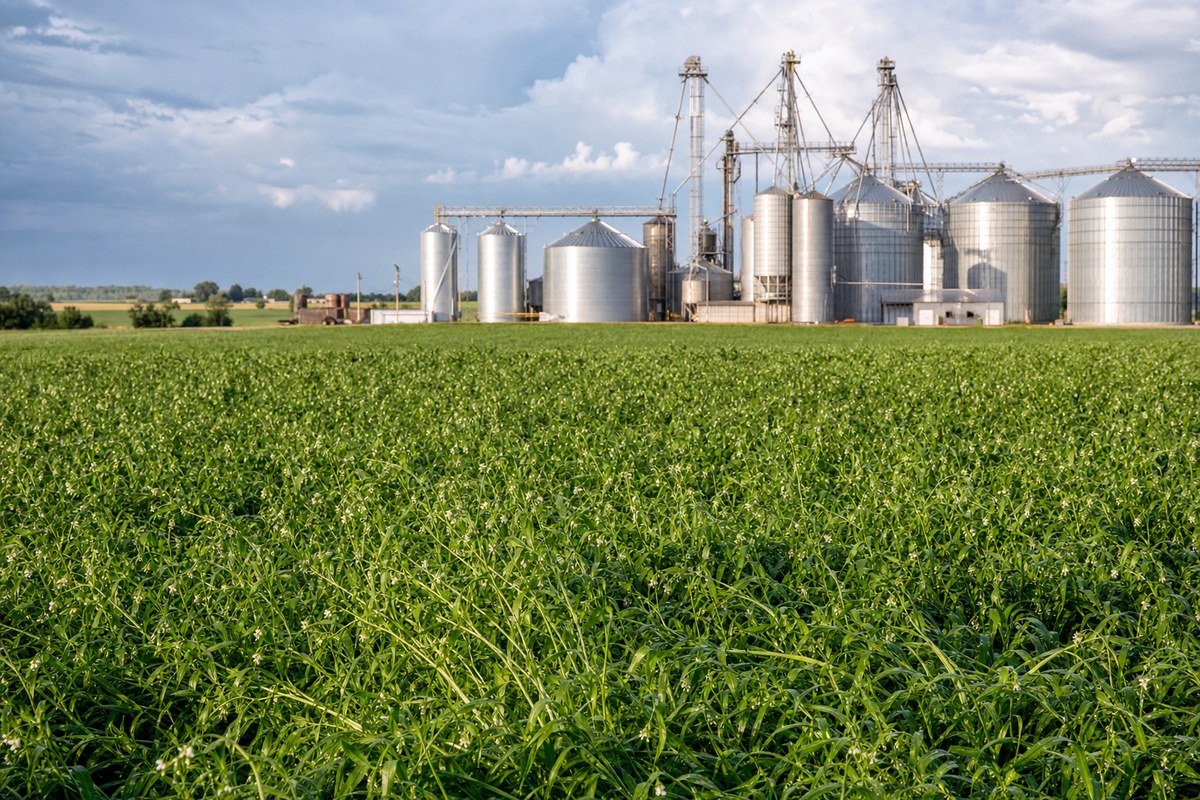
Hedges said additional feedstocks beyond soybeans are needed to meet future demand, citing canola, camelina and CoverCress as crops that can be grown on fallow ground without requiring new acreage. He disclosed that CoverCress Inc. recently received its first Renewable Fuel Standard pathway approval for CoverCress Oil, a process that took 2.5 years from submission, and said the company plans hundreds of thousands of acres of such crops in production by the early 2030s. Panelists also stressed the need for early coordination between crop developers and refiners, supportive public policy, and collaboration across agriculture, energy, transportation and economic development sectors.