Fuel Costs, Gulf Airspace Closures and Aircraft Shortages Combine to Squeeze Asia's Aviation Sector in 2026
Why It MattersCompounding fuel, airspace and supply-chain pressures are forcing Asian carriers to prioritise long-haul yield over regional capacity, testing fleet renewal plans and safety margins region-wide.
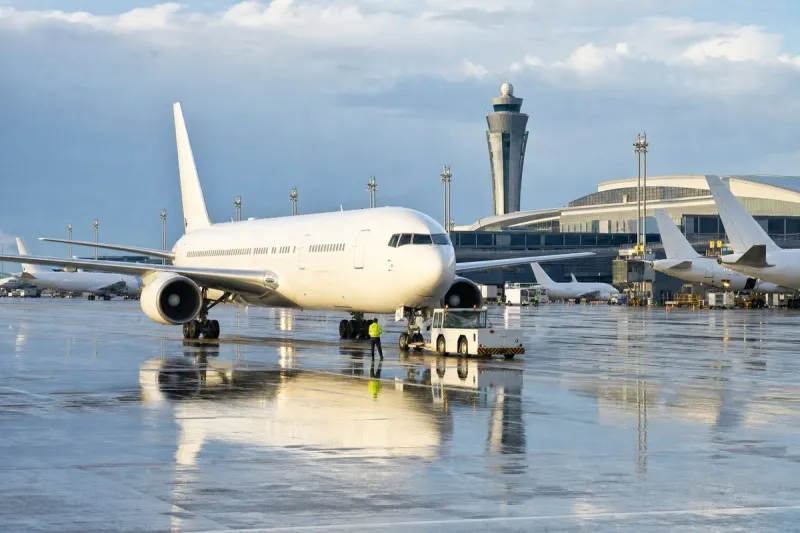
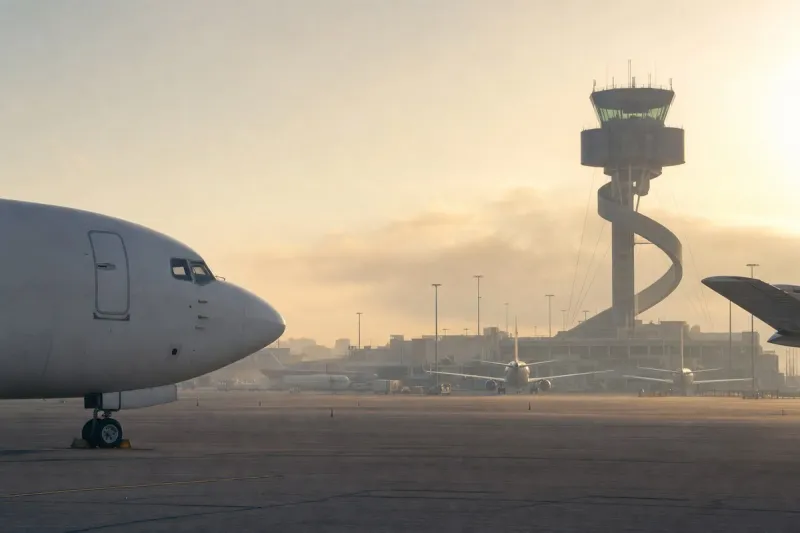
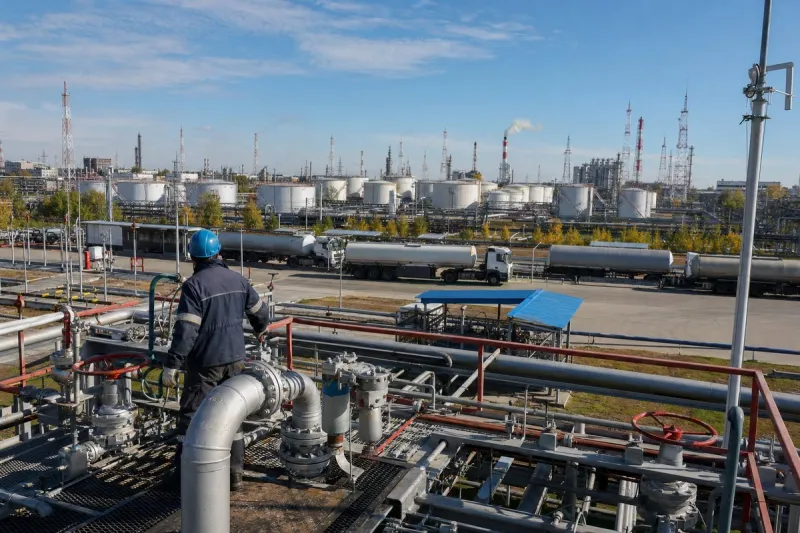
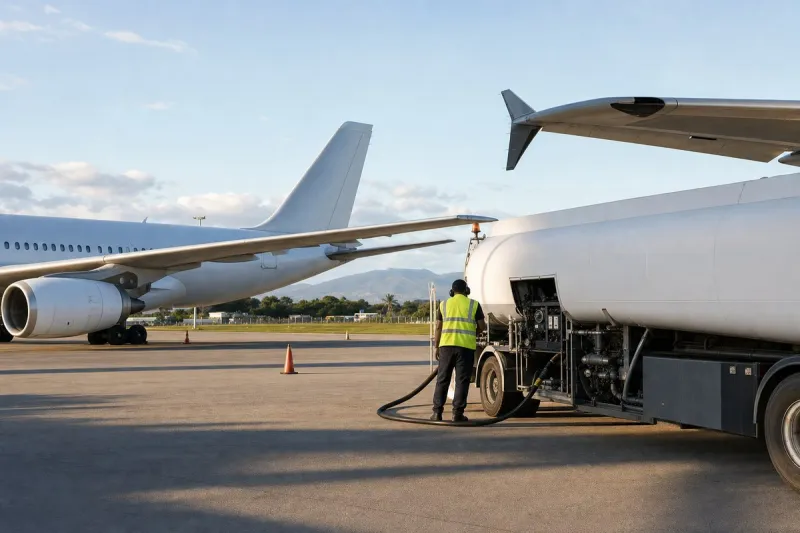
Asia's aviation sector entered a multi-layered crisis in 2026 as a jet fuel price surge, Gulf airspace disruptions and structural aircraft supply shortages simultaneously compressed capacity, pushed up fares and strained airport infrastructure across the region. Jet fuel price spikes forced carriers, particularly low-margin short-haul operators, to trim lower-yielding intra-regional routes and prioritise higher-revenue long-haul services. Second-quarter 2026 results showed operating margins sharply eroded despite solid passenger revenues, with Singapore Airlines and Japan Airlines reporting margin compressions of several percentage points and Southeast Asian budget carriers shifting focus to yield and liquidity over growth; international capacity within Asia fell year-on-year in June.
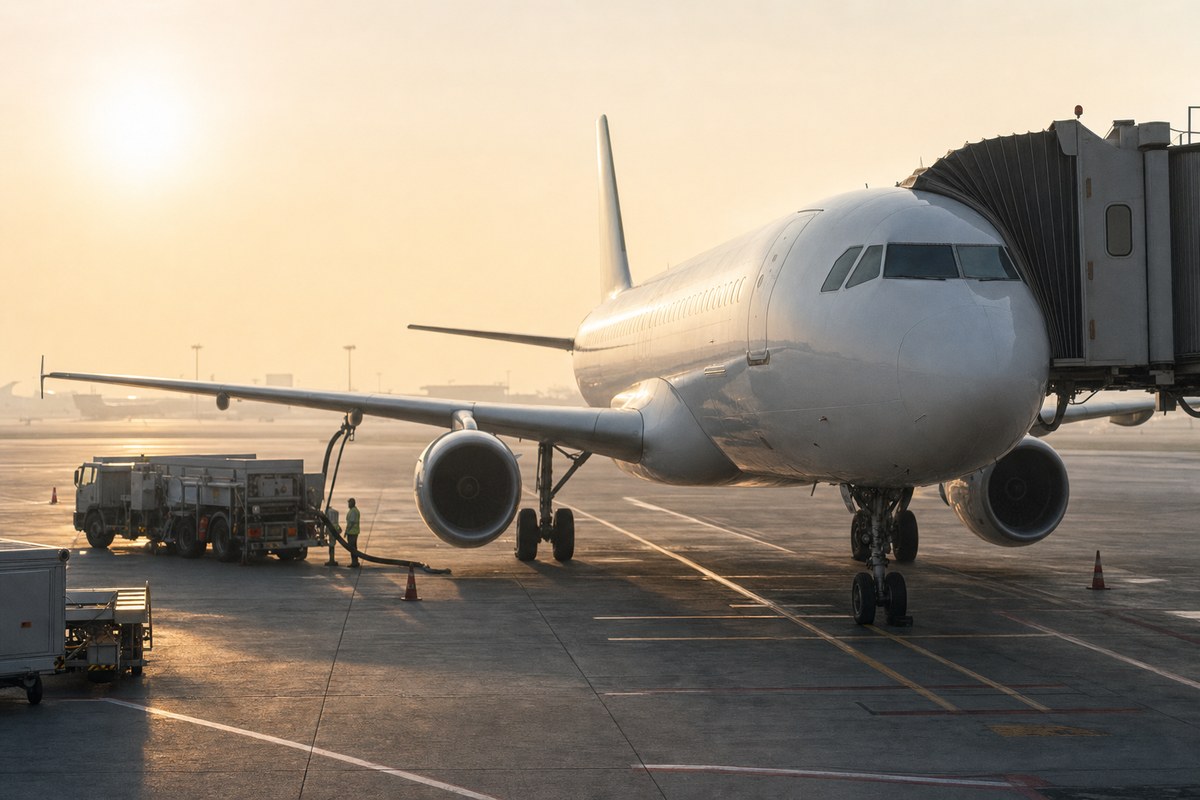
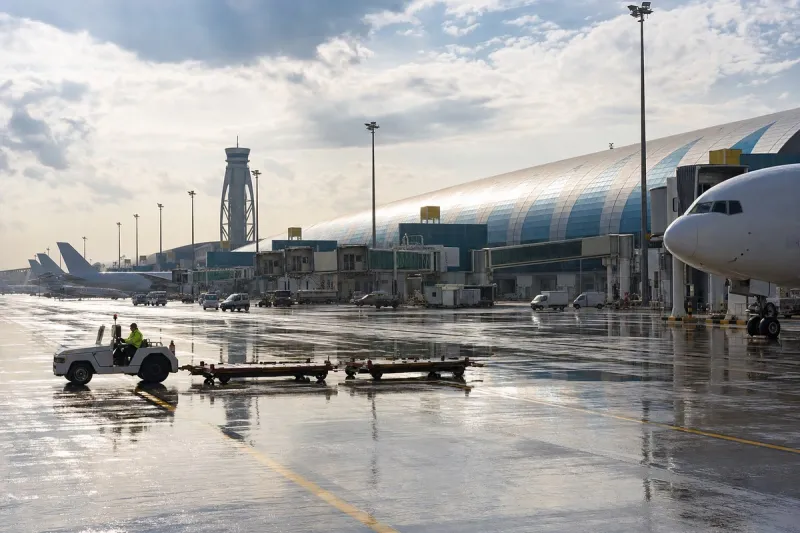
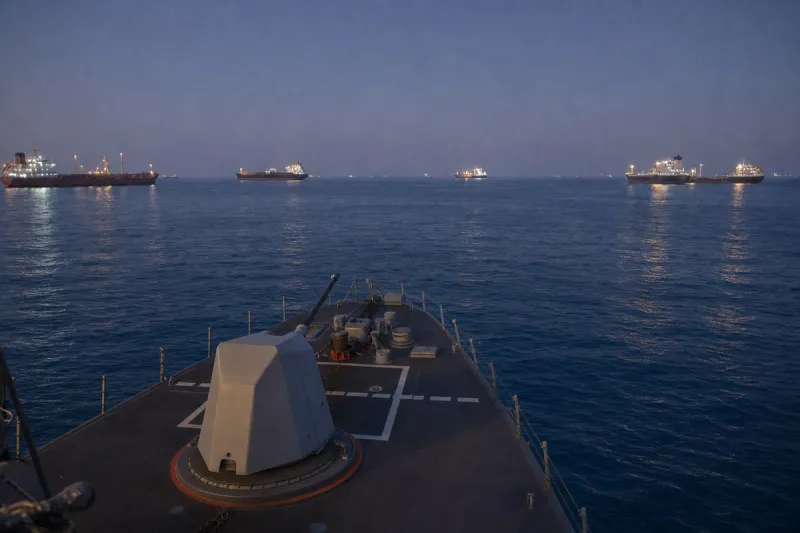
Geopolitical conflict around the Gulf compounded the fuel shock. A May 2026 assessment by Airports Council International Asia Pacific and Middle East found that Gulf airspace restrictions removed close to one fifth of all East-West connecting capacity within hours of hostilities beginning. Traffic data from nine major Middle East hubs showed scheduled operations during March and April 2026 averaging barely half of pre-conflict levels, with flight counts dropping to roughly a third of planned capacity on the first day of conflict before partially recovering.
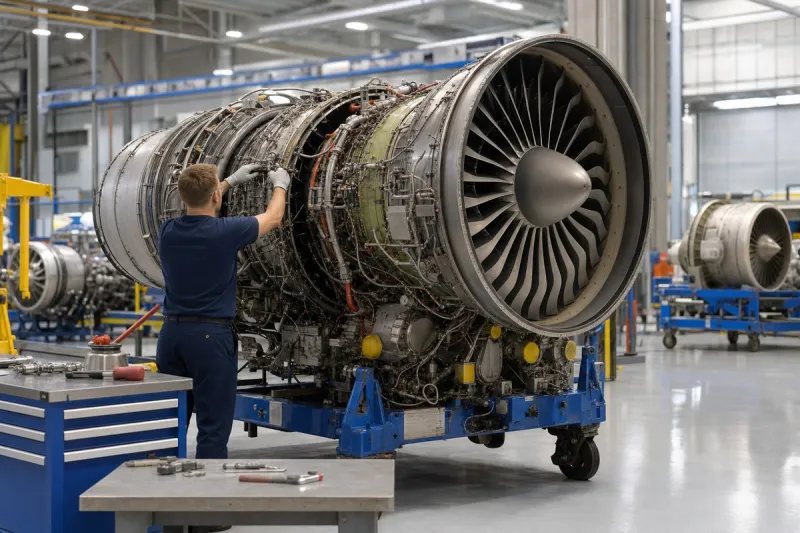
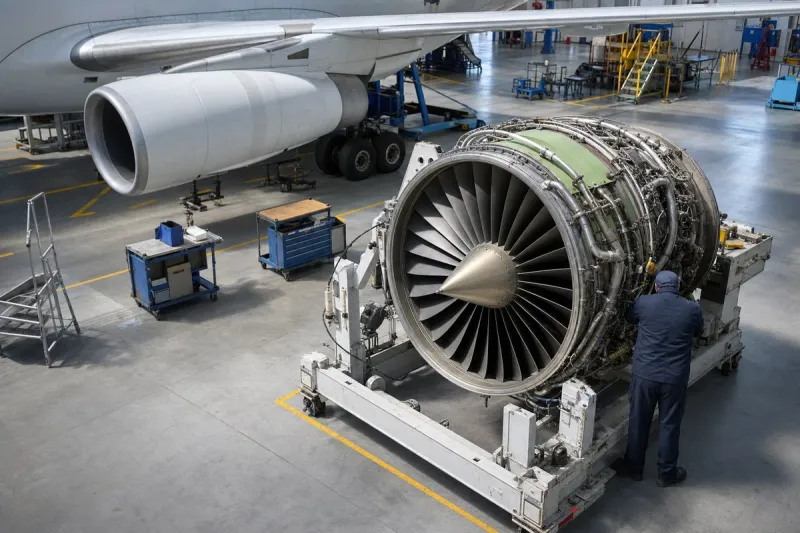
Structural supply chain bottlenecks added a third layer of pressure, with delayed aircraft deliveries, engine and spare-parts shortages, and maintenance backlogs forcing older jets to stay in service longer than planned, and some carriers grounding aircraft while awaiting critical components. One major airframe manufacturer projects the Asia Pacific region will need nearly 20,000 new passenger aircraft over the next two decades, while acknowledging supply chain and labour constraints.
Despite the shocks, passenger demand stayed resilient, with global traffic data released in late July 2026 showing total passenger numbers still above 2025 levels and growth moderating but not reversing. Presentations at the 2026 International Air Transport Association annual meeting noted that China's domestic market has solidified its position as one of the world's largest, and that North Asian airlines are forecast to collectively generate more than 100 billion US dollars in revenue this year, with Bangkok, Singapore and Kuala Lumpur reporting strong load factors and steady outbound tourism.
Safety performance came under heightened scrutiny as high utilisation, ageing aircraft and network stress intensified operational pressure. Regional safety data showed Asia Pacific operators improved their overall accident rate between 2024 and 2025, though assessments identified ongoing gaps in regulatory oversight and infrastructure investment, with turbulence encounters emerging as a leading cause of accidents in the region.