Regional Tensions Disrupt Dubai and Abu Dhabi Flights as Travel Advisories Urge Caution
Why It MattersAirspace risk near conflict zones forces Gulf carriers into rerouting and ground holds, showing how quickly regional military tension can cascade into network-wide schedule strain regardless of airline size.
What happened
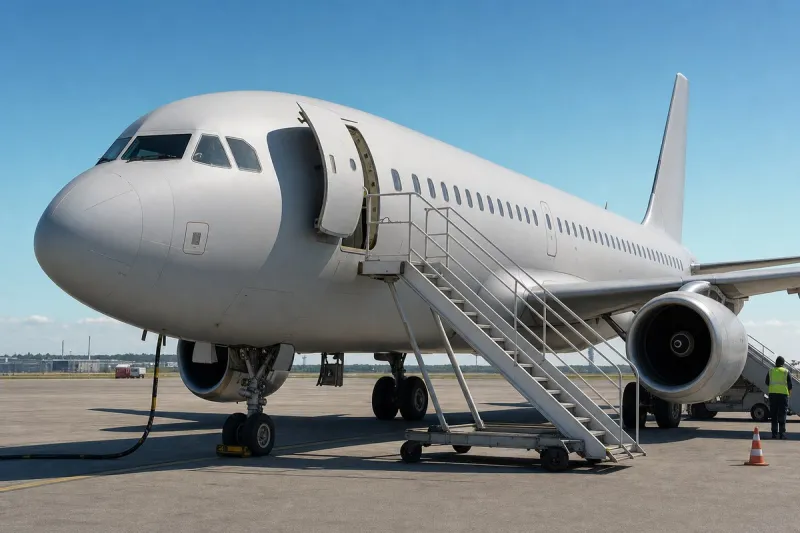
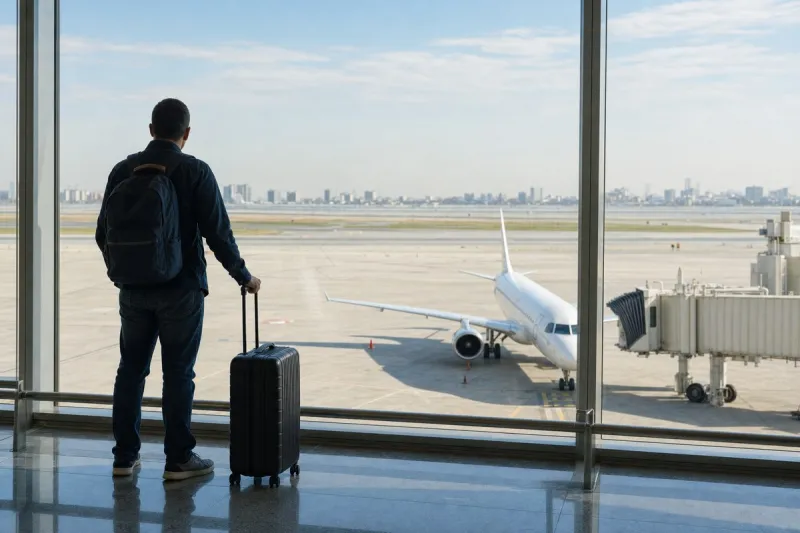
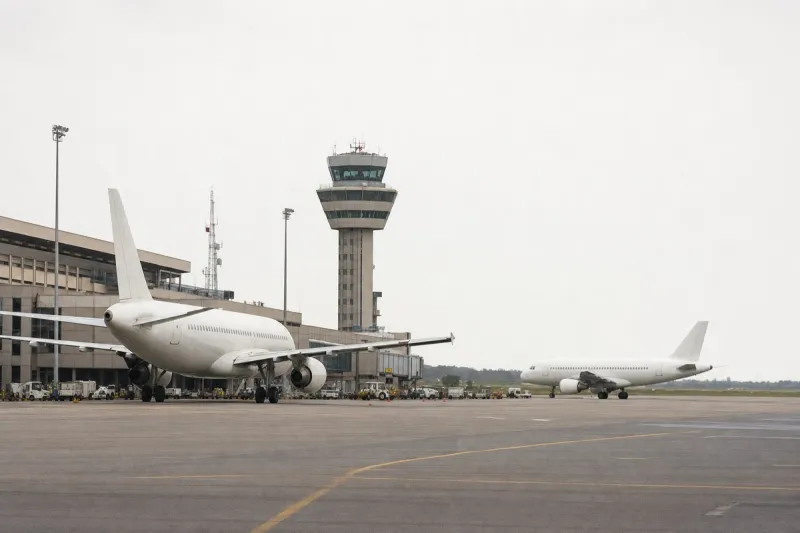
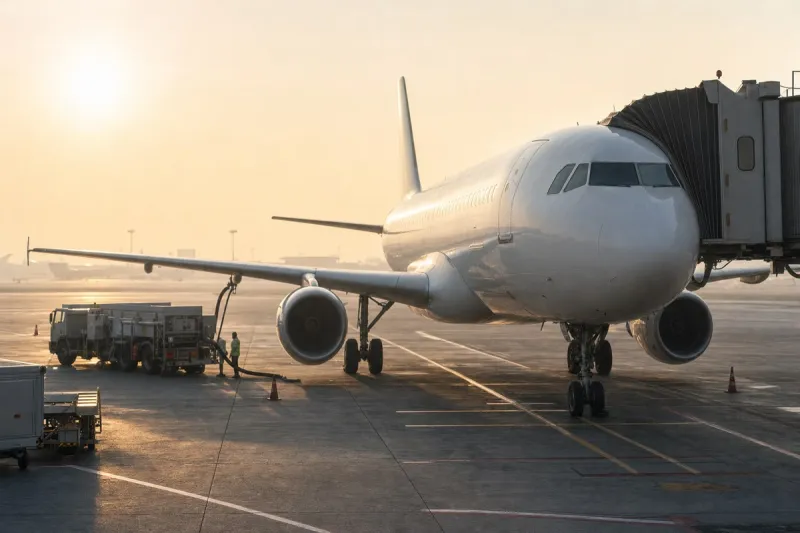
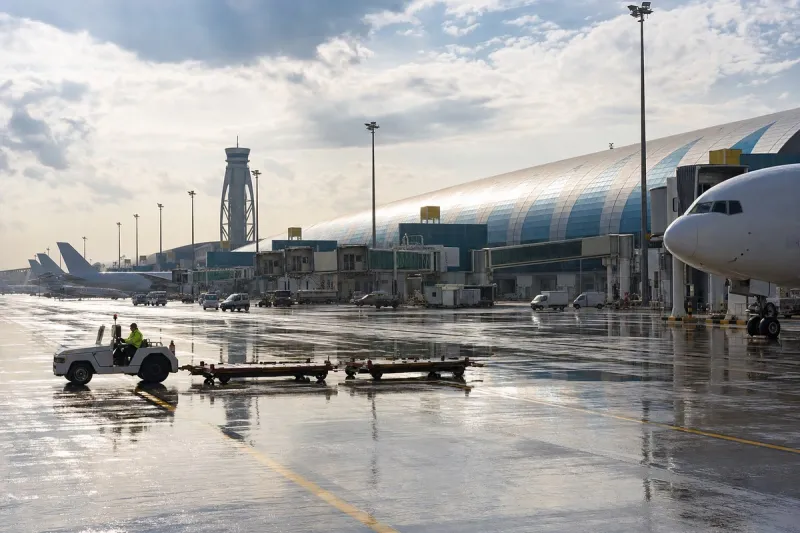
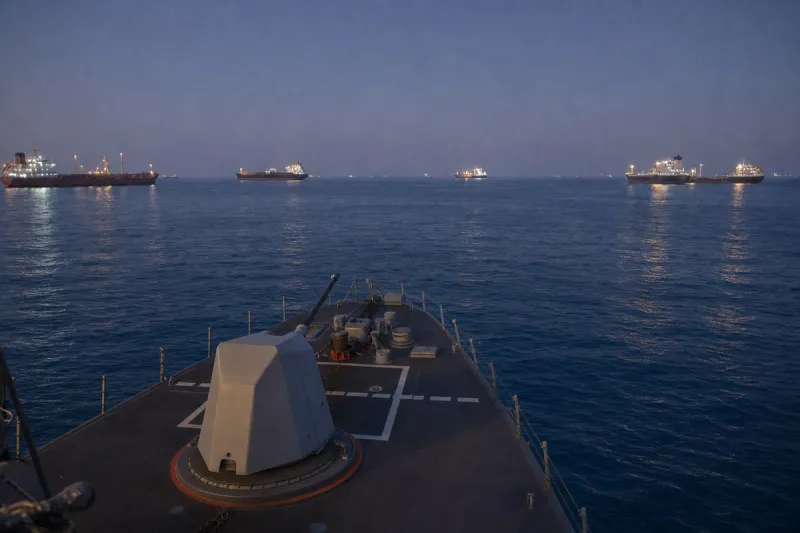
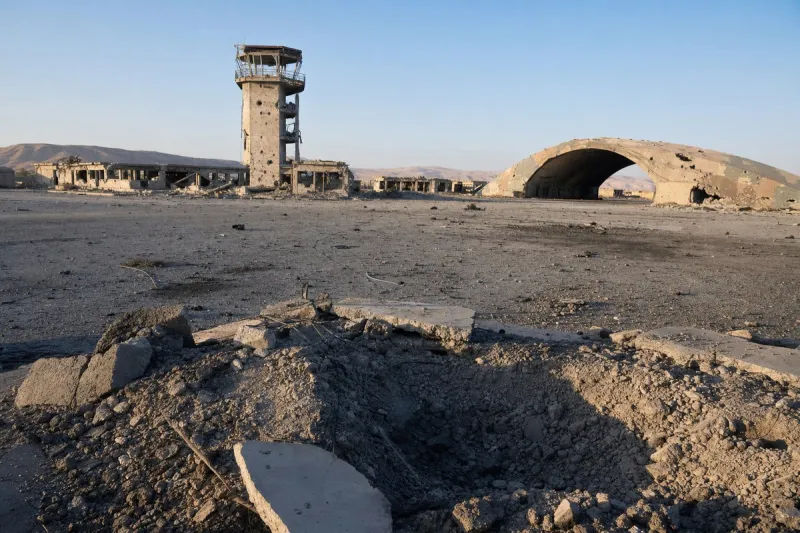
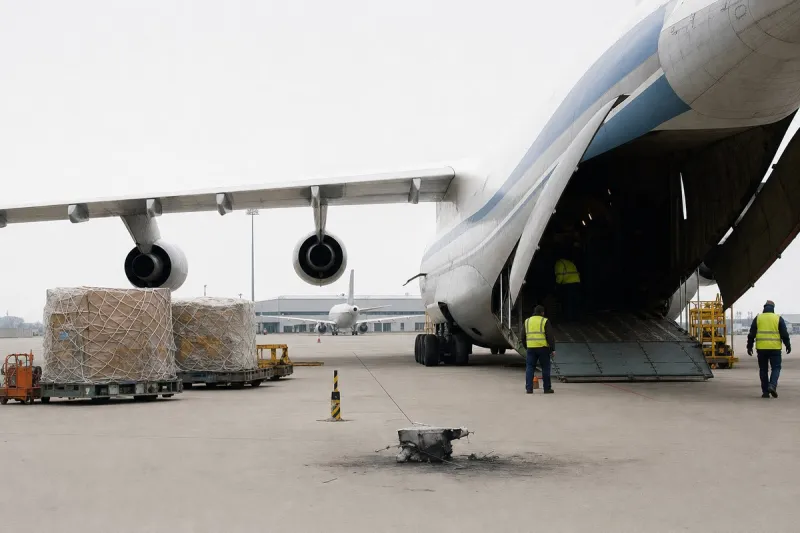
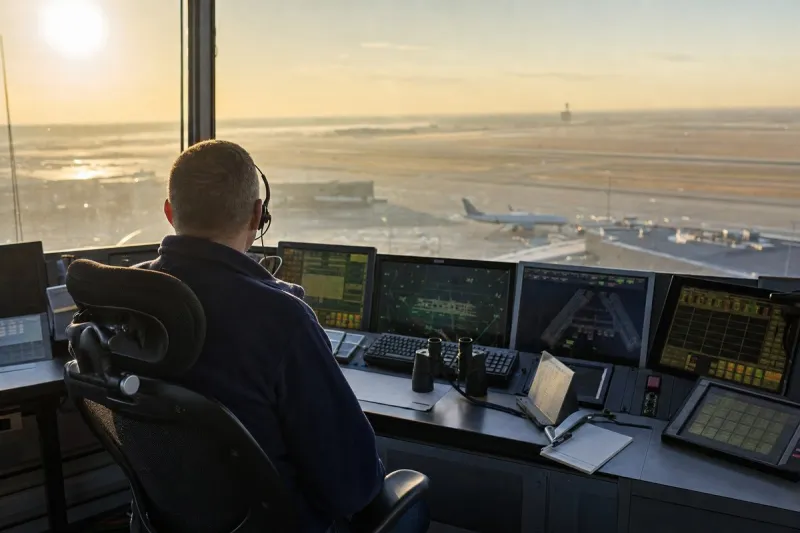
Passengers moving through Dubai International Airport and Abu Dhabi's Zayed International Airport on September 2, 2026 encountered widespread delays and cancellations as renewed military tensions between the United States and Iran triggered airspace restrictions affecting parts of the Gulf. Commercial routes serving the UAE were adjusted or rerouted, adding congestion to already busy air corridors.
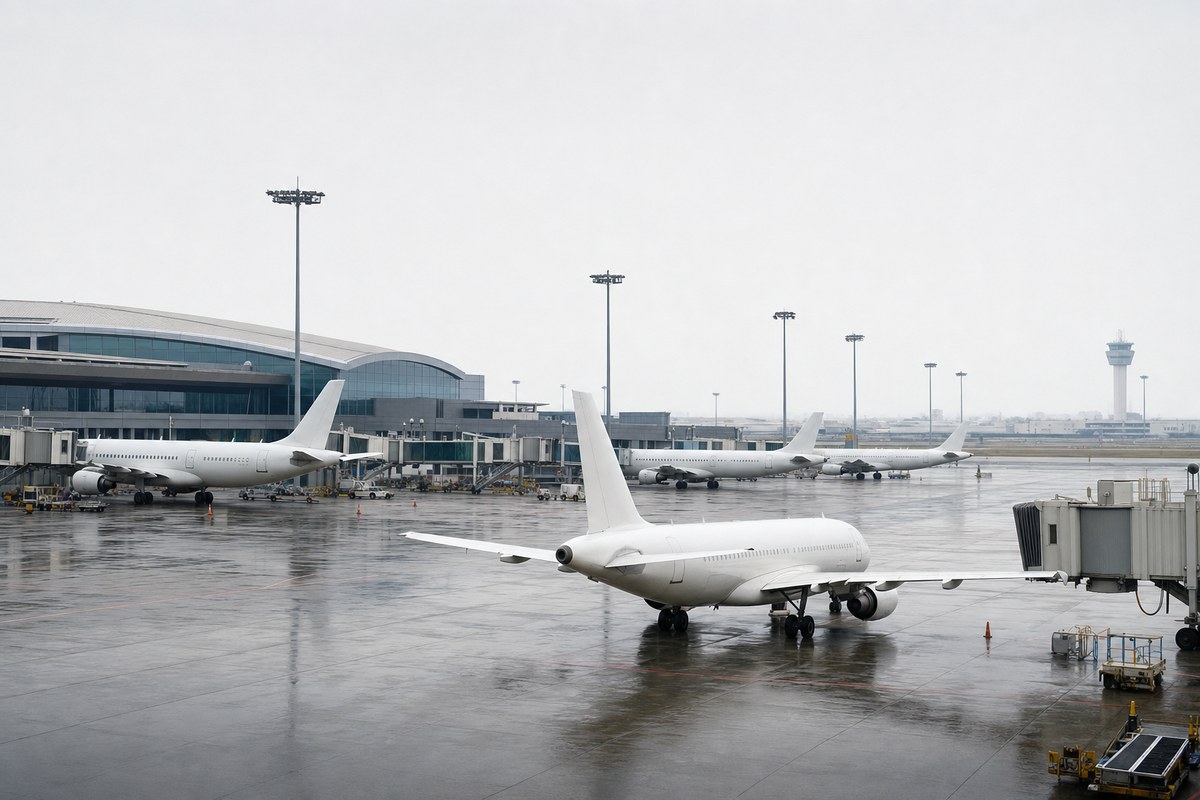
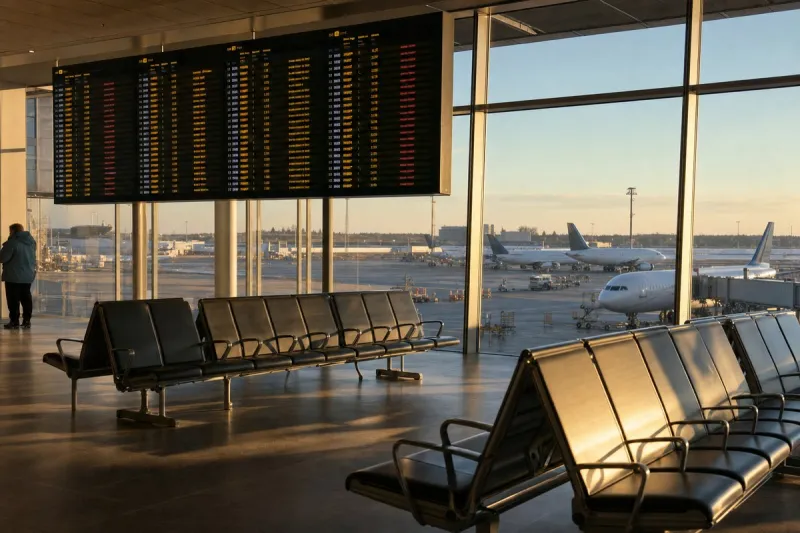
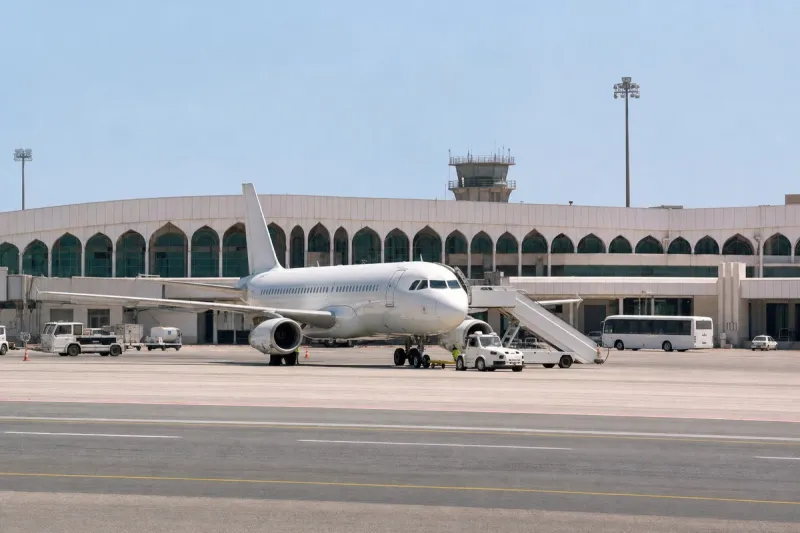
At Zayed International Airport, which typically handles around 260 flights per day across more than 120 destinations, knock-on delays hit both arrivals and departures. Several Etihad Airways services linking Abu Dhabi with Europe, Asia and neighbouring Middle Eastern destinations were running behind schedule. Air Arabia Abu Dhabi flights to Cairo, Sialkot, Bahrain, Faisalabad and Tbilisi were also disrupted, as was an Air India Express departure to Delhi. Dubai International Airport, which recorded more than 31 million passengers in the first half of 2026, had not published a formal tally of cancellations tied to the latest disruption, though live tracking data showed visible schedule impact, with some flights delayed and others cancelled outright.
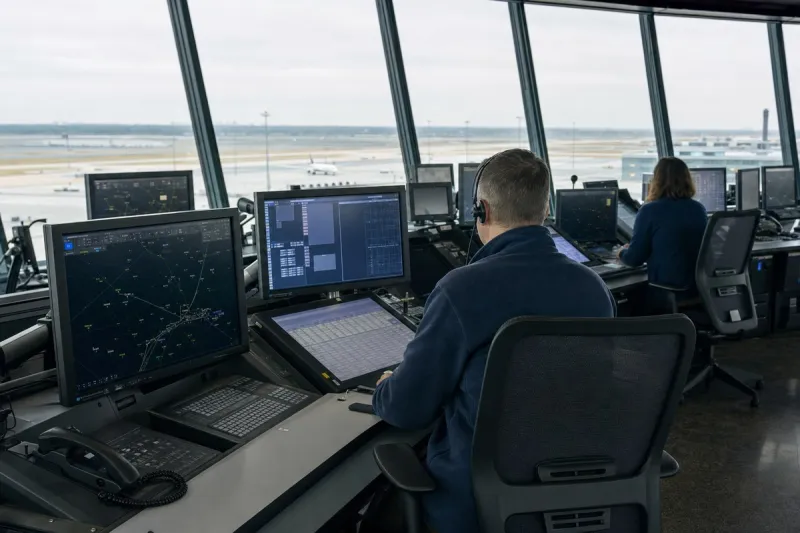
Independent analytics showed average departure and arrival delays at both airports running noticeably higher than the 30-day trend, alongside a small but rising number of cancellations. Airlines cited safety and compliance with air traffic control measures as the primary drivers of the schedule changes, with some flights taking longer routes or being held on the ground until revised departure slots became available. Multiple foreign governments issued travel advisories warning that airspace in and around the UAE may open or close at short notice, and carriers including Emirates, Flydubai, Air Arabia and Etihad Airways had previously issued operational advisories during disruption periods earlier in 2026.
Industry impact & what to watch
This episode illustrates how quickly geopolitical friction near major air corridors can translate into operational strain for hub airports that depend on stable overflight access. Even carriers with no direct exposure to a conflict zone absorb costs through rerouting, extended flight times and ground holds once airspace becomes provisional rather than guaranteed.
Gulf hubs like Dubai and Abu Dhabi function as connecting points for long-haul traffic between Europe, Asia and Africa, so restrictions on regional airspace ripple outward into knock-on delays across unrelated routes and carriers, as seen with Etihad, Air Arabia Abu Dhabi and Air India Express services all affected simultaneously. The reliance on real-time routing decisions, rather than fixed flight paths, means schedule reliability at these airports can shift within hours as airspace status changes.
The next signal to watch is whether foreign governments upgrade or lift their travel advisories, and whether Dubai International publishes its own disruption figures to match the operational detail already available for Abu Dhabi. Sustained elevation in delay and cancellation rates beyond the 30-day trend would indicate the restrictions are becoming a structural feature of Gulf routing rather than a short-lived spike.