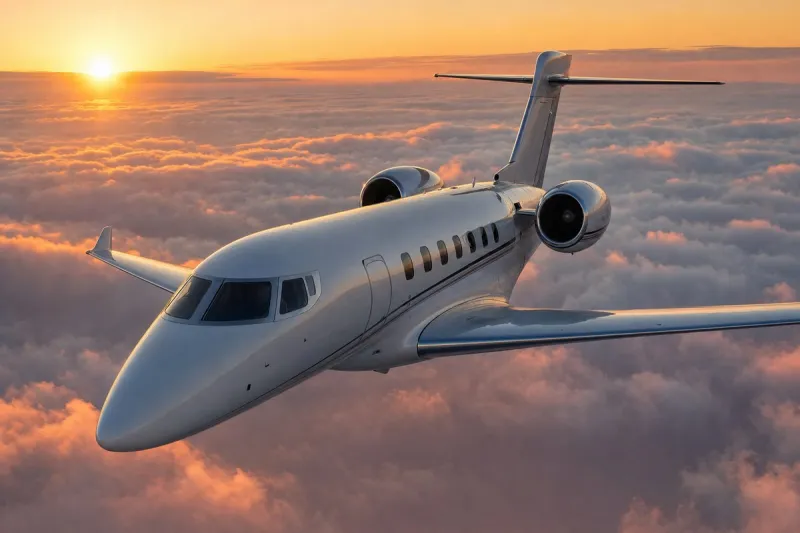
Private Jet Operators Build Smart Catering Networks for Restaurant-Quality In-Flight Dining
Why It MattersIn-flight catering is becoming a differentiated service layer, with data-driven personalization and dedicated technology platforms reshaping how private aviation sources and delivers meals.
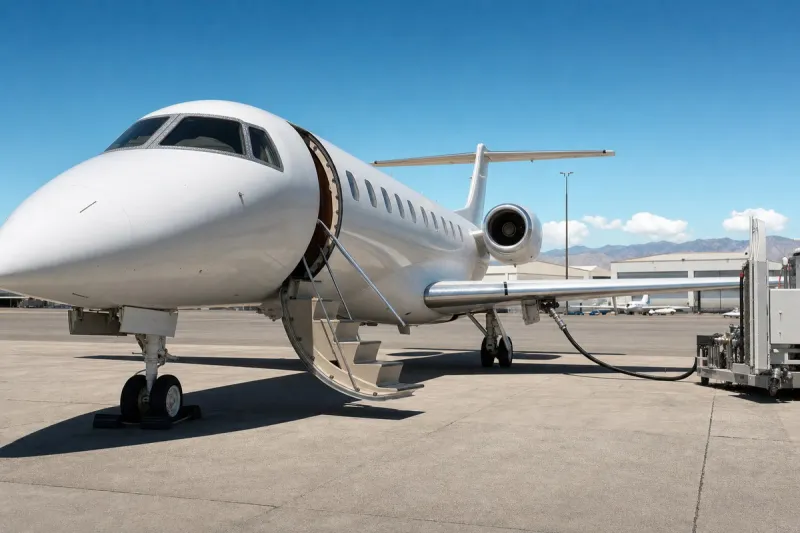
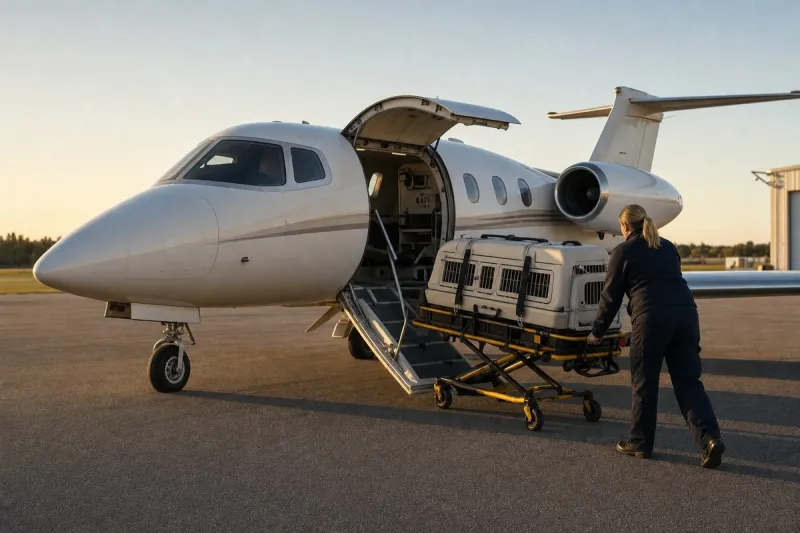
Private jet operators are building global food technology networks and local culinary partnerships to offer restaurant-level dining at destinations their aircraft can reach. VistaJet promotes a 'Private Dining' concept connecting its fleet with more than 7,000 producers, caterers and restaurants worldwide, including Michelin-starred partners, and has published guides noting that local, seasonal menus tend to taste better at altitude, where dry air and lower cabin pressure can dull flavors. The company has also developed a longstanding partnership with Nobu, letting passengers on select routes order dishes adapted for cruising altitude.
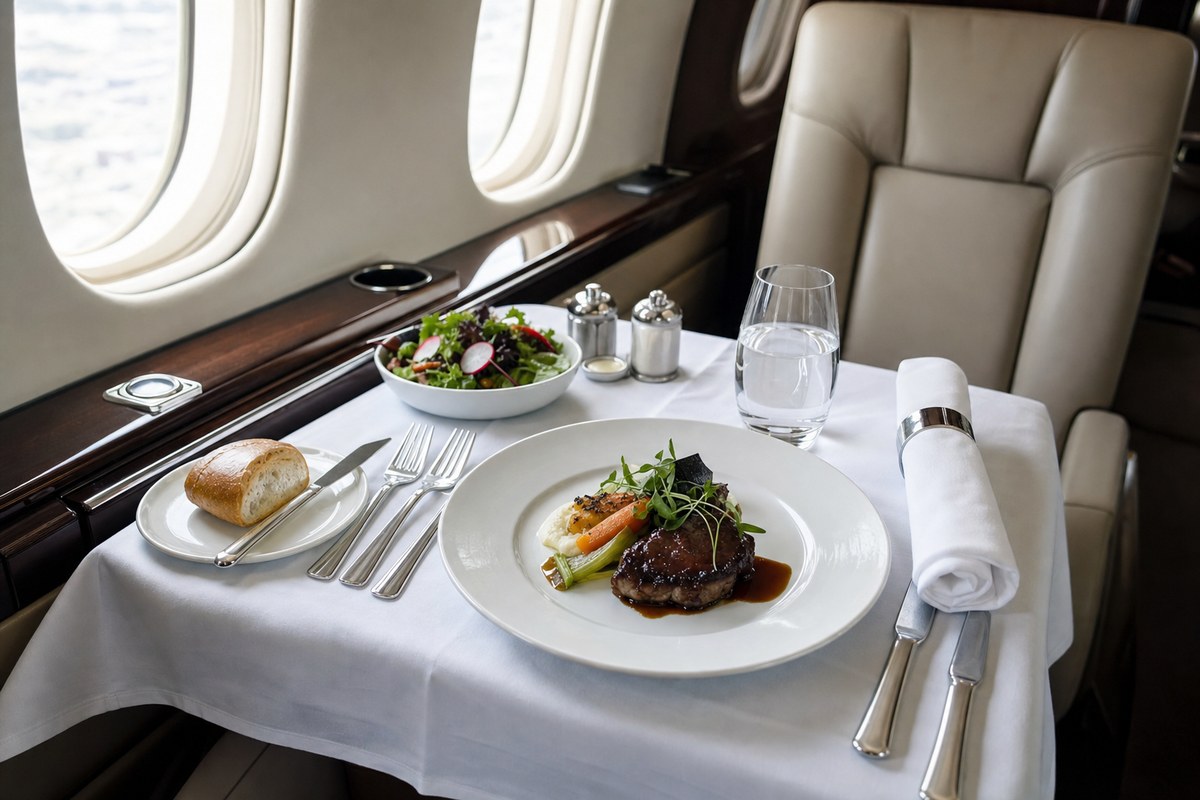
NetJets has built internal culinary teams whose leadership travels to assess local partners and align menus with regional tastes while meeting aviation safety and handling requirements. Regional catering specialists work with operators including NetJets and Wheels Up to fulfill orders from single dishes to elaborate multi-course menus adapted to aviation standards. Specialist technology platforms are also reshaping sourcing: KryaJet offers an operating-system-style interface for crews and flight departments to search kitchens by airport, build orders, collaborate on quotes and track deliveries, while PlaneCater is available in major app stores as a food-and-drink tool for schedulers and crew.
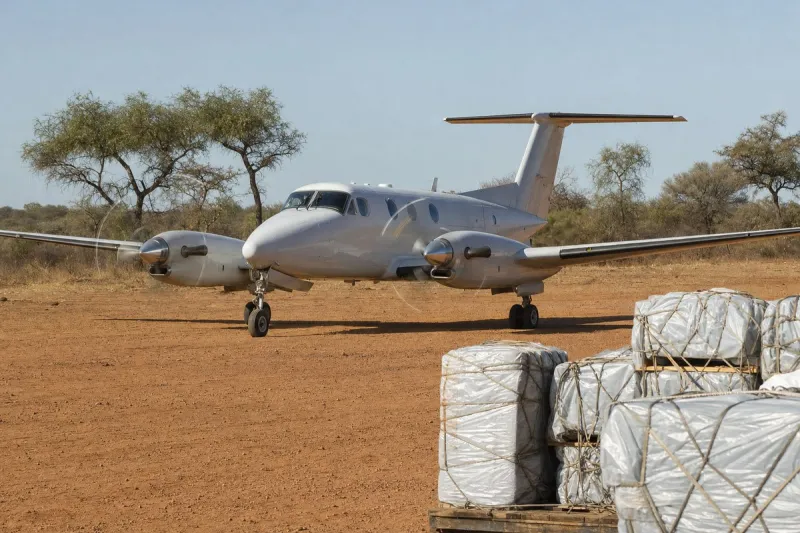
Operators are collecting structured data on passenger preferences, including allergies, religious requirements, favored cuisines and portion sizes, to provision future flights with less back-and-forth, and are also adjusting menus toward lighter dishes and low-alcohol pairings to reduce the dehydrating and fatiguing effects of long-haul flight. Delivering fine dining at this level remains operationally complex, since food must come from inspected, certified kitchens with strict controls on temperature, packaging and transit time, and in remote or heavily regulated locations, a limited number of qualifying facilities can constrain menu options or require provisions flown in from larger hubs, while catering teams must also accommodate aircraft movements that can shift due to weather, air traffic or schedule changes.