Study Proposes Three-Stage Roadmap for Vietnam's Low-Altitude Economy as Global Peers Fall Behind Schedule
Why It MattersThe findings suggest low-altitude economy regulation is lagging globally regardless of national wealth, pushing emerging markets like Vietnam toward phased, locally-tailored frameworks rather than imported models.
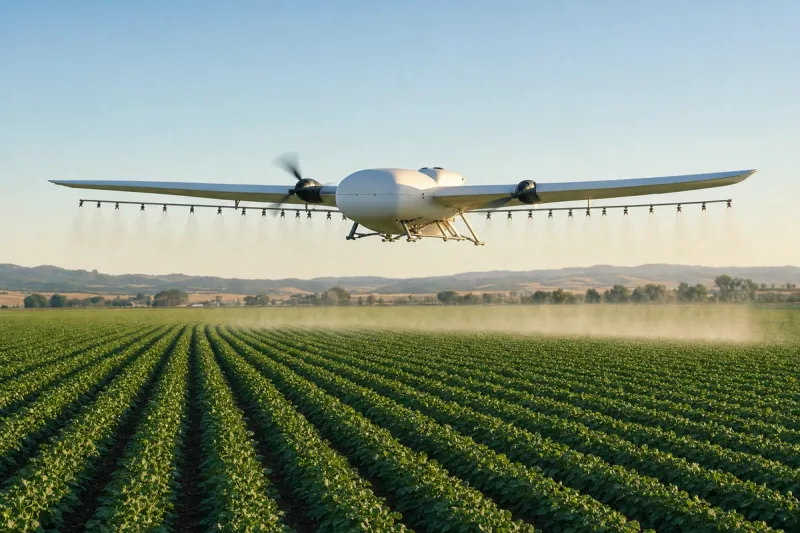
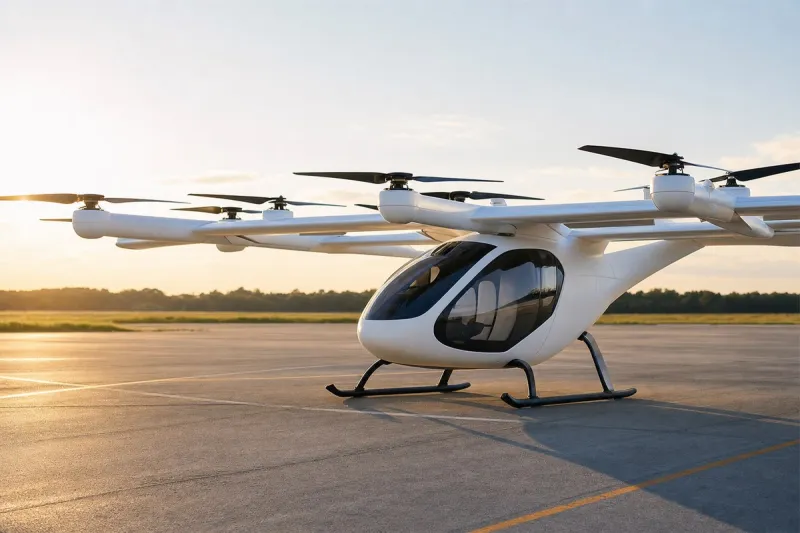
A comparative study covering seven jurisdictions has proposed a three-stage development roadmap for Vietnam's low-altitude economy — the sector covering economic activity below 1,000 meters, including drone deliveries, agricultural monitoring, search-and-rescue, and passenger air taxis — warning against copying any single foreign model wholesale. The study, which aligned domestic legal-technical frameworks with deployment data as of July 2026, found that five of the seven jurisdictions examined were at least a year behind their own published schedules by mid-2026, regardless of wealth or institutional capacity.
As evidence, China passed an amended Civil Aviation Law on December 27, 2025, a 16-chapter, 262-article statute with a dedicated low-altitude economy chapter, even as domestic media had described its drone regulatory system as fragmented provincial rules only days earlier. In the United States, the draft Part 108 rule had missed two statutory deadlines by mid-2026 and remained under review, with final issuance expected in late 2026 or 2027. The EU adopted its U-space tiered risk-based framework in 2021, though implementation across member states remained partial by mid-2026.
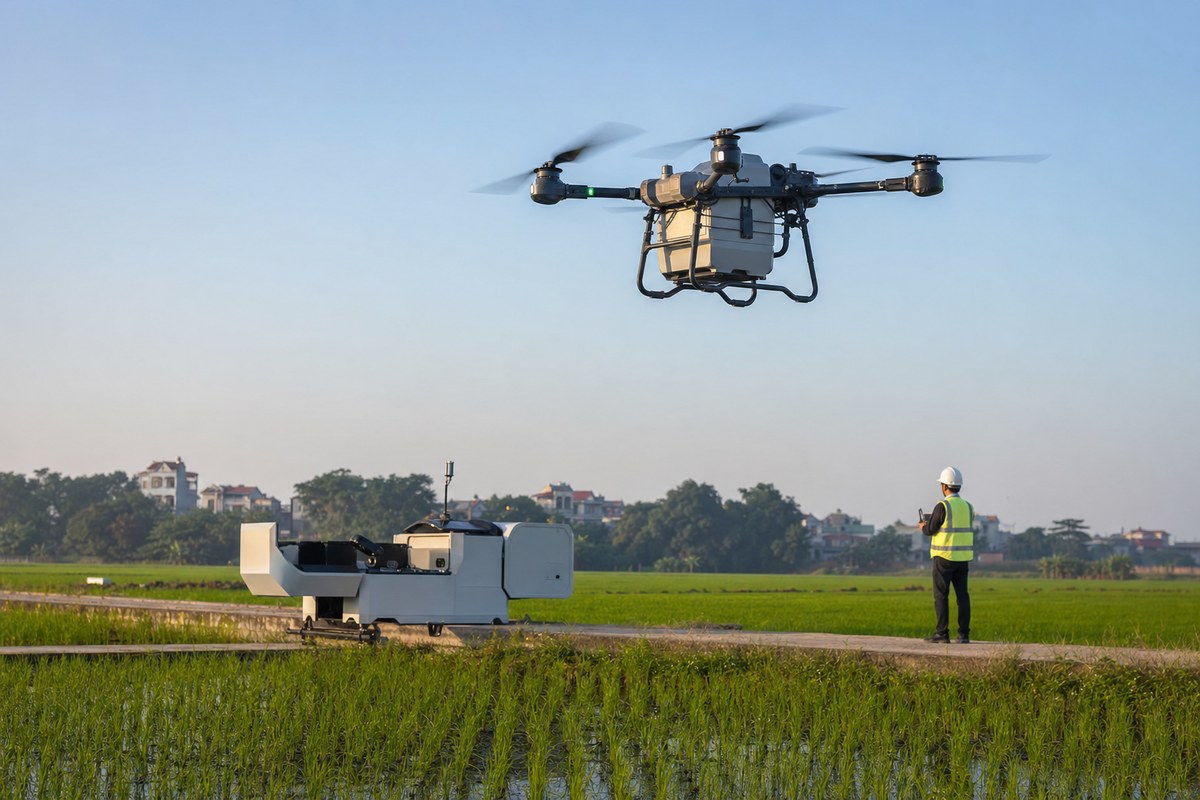
Vietnam's own framework developed rapidly but in fragmented form over 13 months, from the People's Air Defense Law taking effect on July 1, 2025, through Decree 288/2025 on unmanned aircraft management, Decree 33/2025 on sandbox mechanisms, and the amended Civil Aviation Law taking effect on July 1, 2026 — with governance distributed across at least four legal documents overseen by three ministries covering national defense, science and technology, and civil aviation. On June 23, 2026, the Dien Bien provincial People's Committee issued Vietnam's first sandbox approval for a UAV application, targeting approximately 6,000 test flights through May 2027 across agriculture, remote logistics, medical transportation, and digital mapping, with a safety target exceeding 99 percent; nearly 10 other localities subsequently expressed interest in adopting a similar model.
Researchers proposed three sequential stages for Vietnam. Stage 1 calls for narrow, high-value pilots prioritizing agriculture, medical logistics, and search-and-rescue before advancing to passenger air taxis, formalizing and scaling the Dien Bien model. Stage 2 calls for building shared data infrastructure and a centralized information service, along with a clear inter-ministerial coordination mechanism among the Ministry of Construction, Ministry of National Defense, Ministry of Public Security, and Ministry of Science and Technology.