Global Electric Aircraft Systems Market Valued at $814 Million in 2025, Forecast to Reach $1.225 Billion by 2032 at 6.1% CAGR
Why It MattersThe forecast signals sustained long-term demand for electrification technologies across propulsion, actuation and thermal management as more-electric aircraft architectures and hybrid-electric propulsion mature.
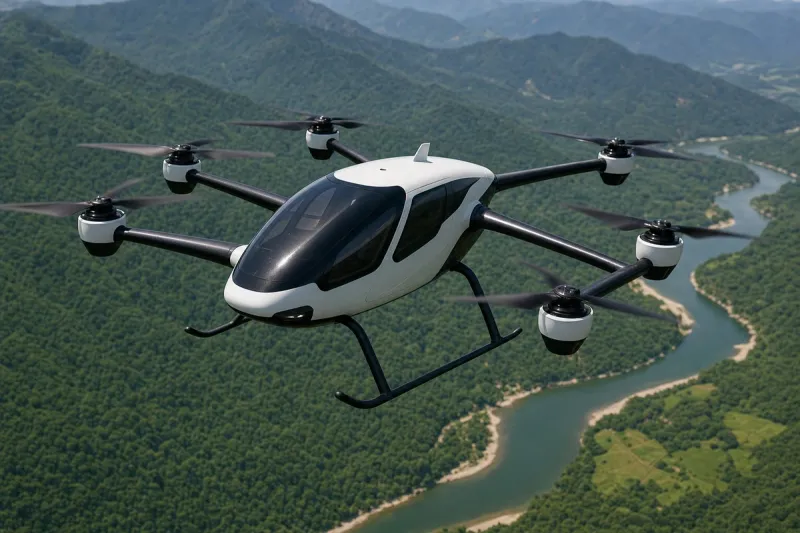
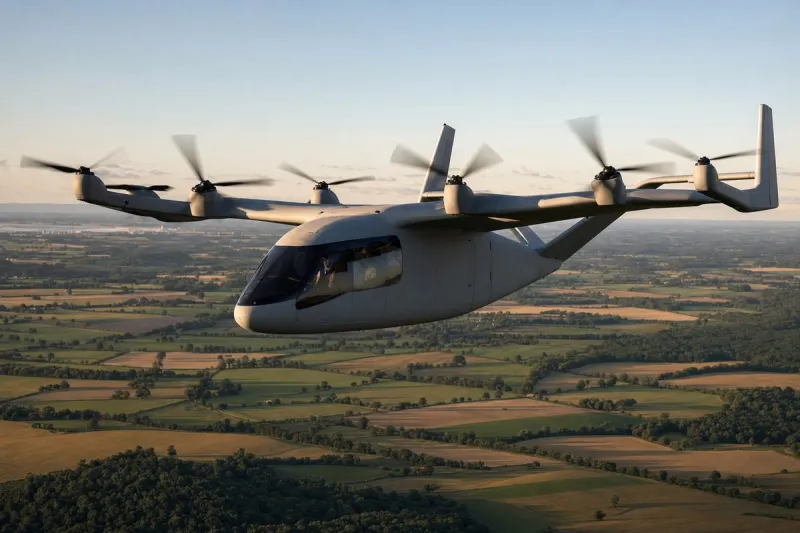
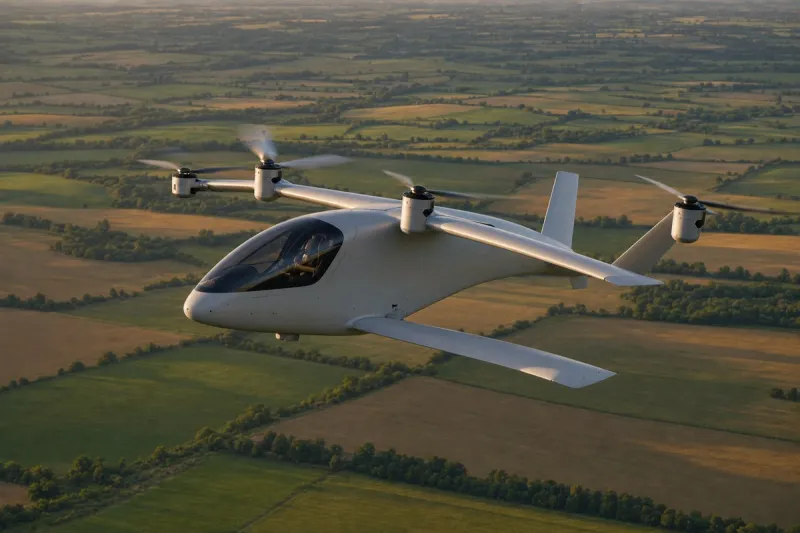
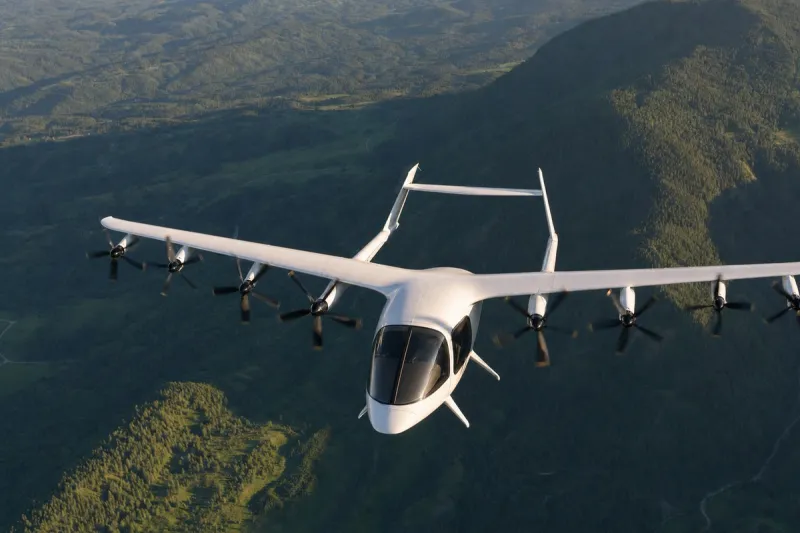
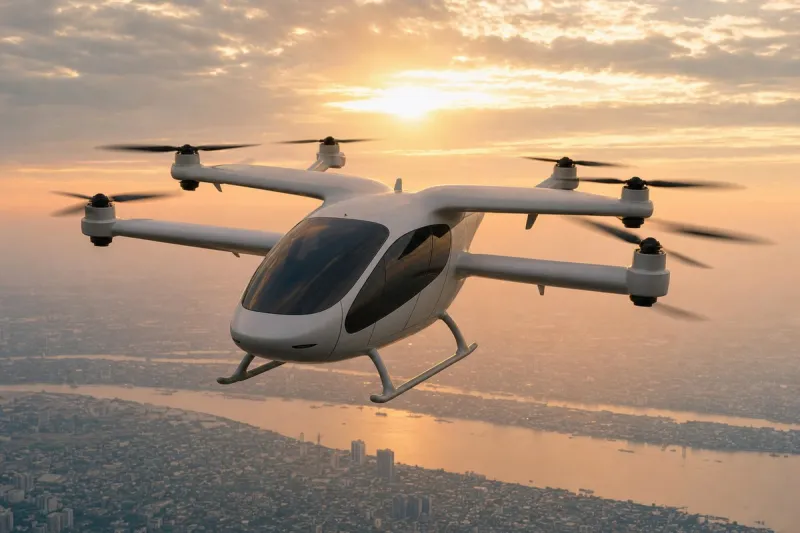
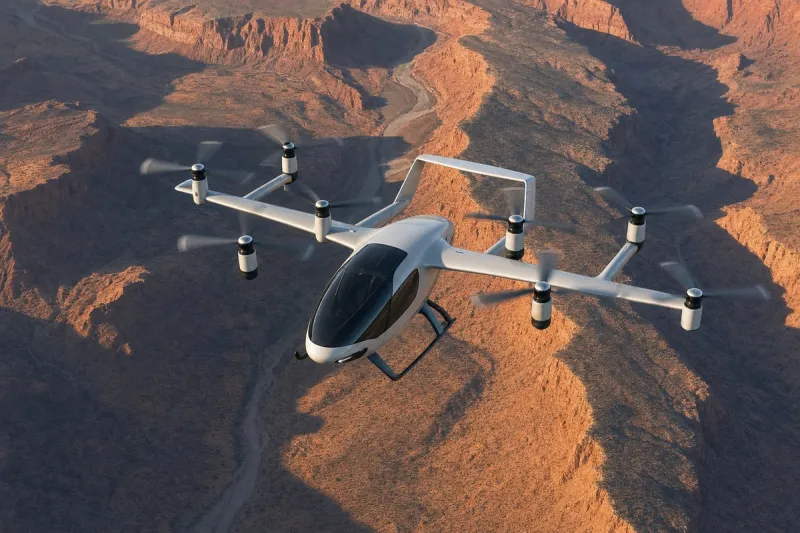
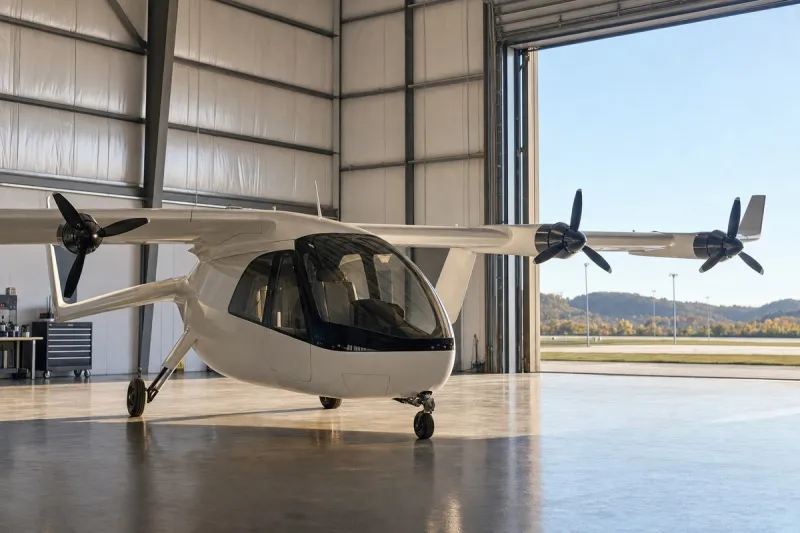
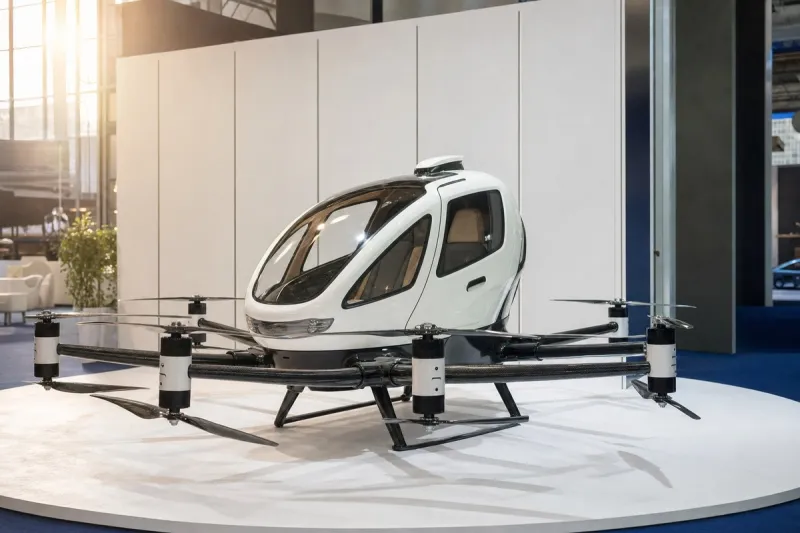
The global Electric Aircraft Systems market was valued at approximately $814 million in 2025 and is projected to reach around $1,225 million by 2032, expanding at a compound annual growth rate of 6.1% during the 2026–2032 forecast period. Electric aircraft systems cover technologies enabling propulsion, actuation, power distribution, thermal management, and auxiliary functions, with growth expected to be driven by more-electric aircraft architectures, hybrid-electric propulsion development, advanced air mobility, military modernization, and the replacement of hydraulic or pneumatic systems with electric alternatives.
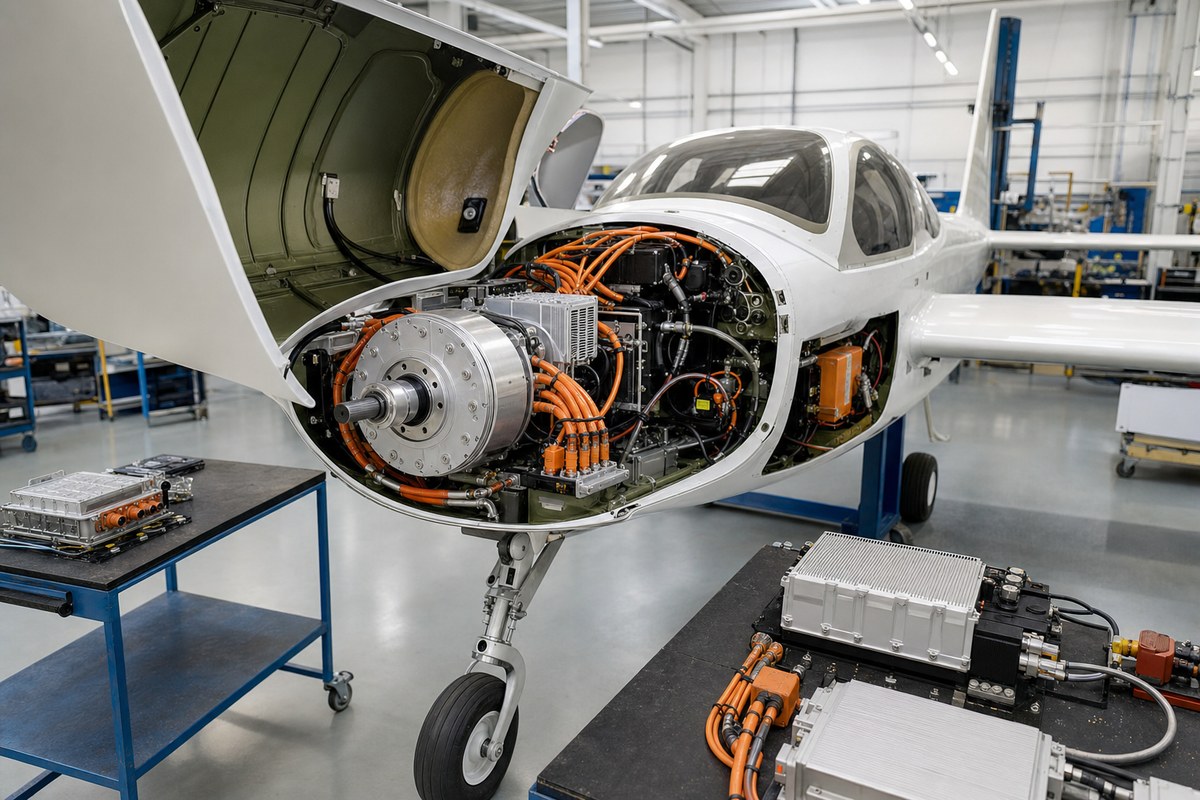
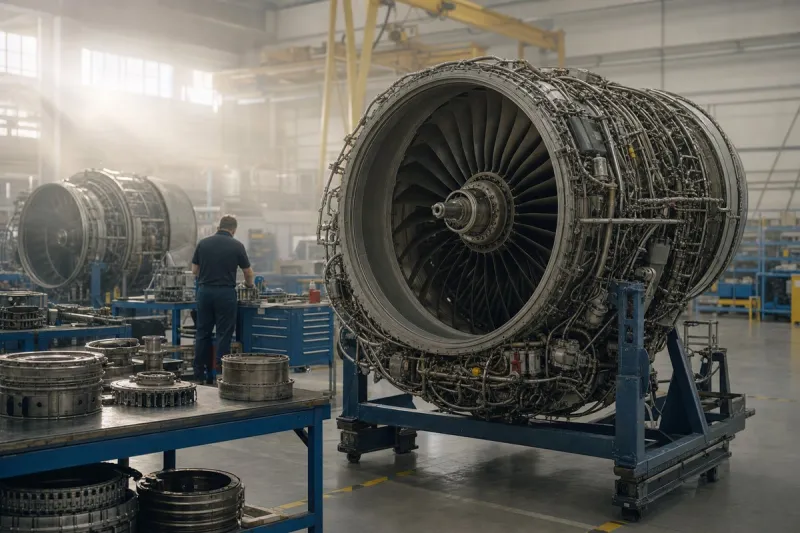
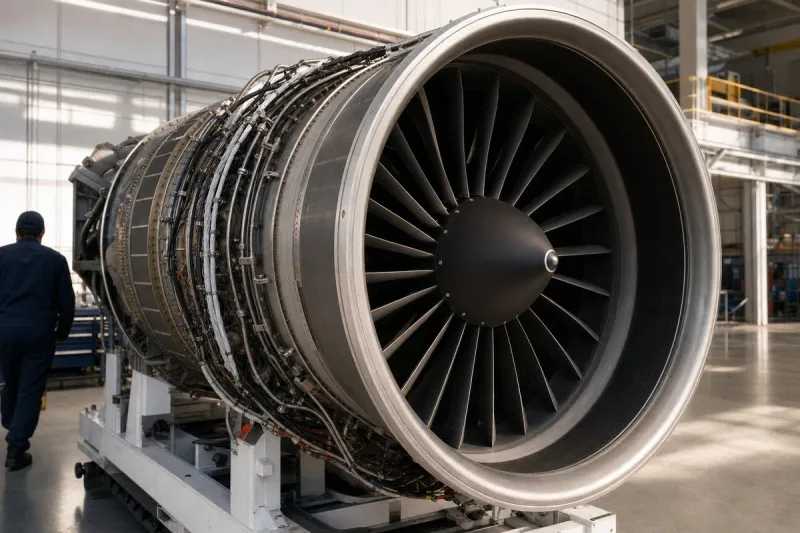
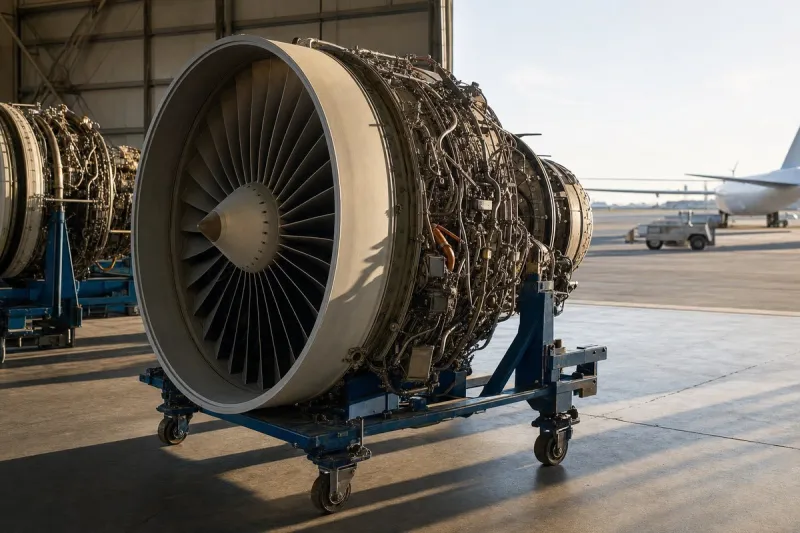
By type, the market is segmented into Propulsion Systems, covering electric motors, power electronics, and thrust components, and Fuselage Systems, including electric actuation, environmental control, and power distribution. By application, it is divided into Commercial and Military segments.
Regionally, North America leads the market, anchored by United States investment in hybrid-electric aircraft, electric propulsion research, and military modernization. Europe is supported by aerospace manufacturing and environmental policy in France, Germany, and the United Kingdom, while Asia-Pacific is expected to generate growing opportunities as China, Japan, South Korea, India, and Southeast Asian nations expand commercial aviation fleets and aerospace manufacturing. South America remains relevant through Embraer and regional aerospace activity.
Key technology trends include a shift toward higher-voltage and more distributed electrical architectures, growing use of silicon carbide and other advanced power semiconductors, electric actuation in flight-control and utility systems, and integrated thermal management solutions. Market restraints include battery energy-density limitations, certification complexity, thermal management challenges, high development costs, and the need to control weight across electrical components, cabling, and cooling systems.