Australian Start-Up Hypersonix Launch Systems Develops Hydrogen-Powered Scramjet Vehicles for Hypersonic Flight
Why It MattersThe program signals growing government and defence-sector interest in reusable hypersonic propulsion, though independent analysts view passenger hypersonic flight before the 2040s as an optimistic timeline.
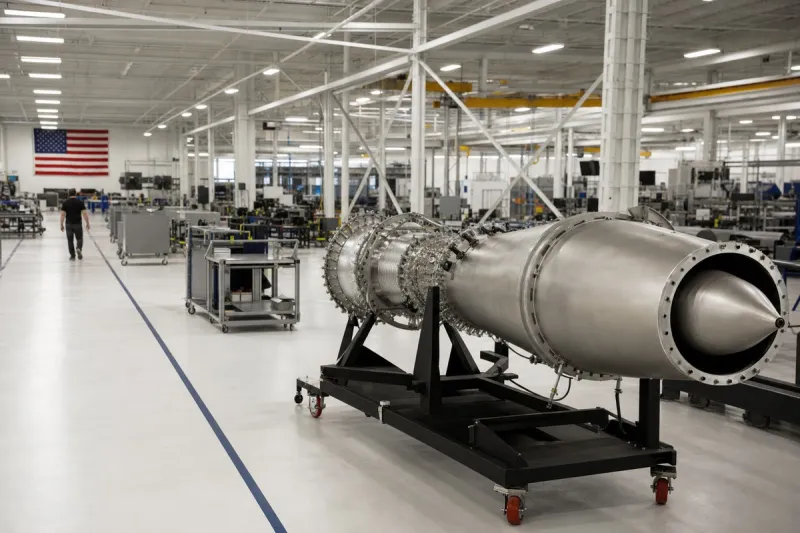
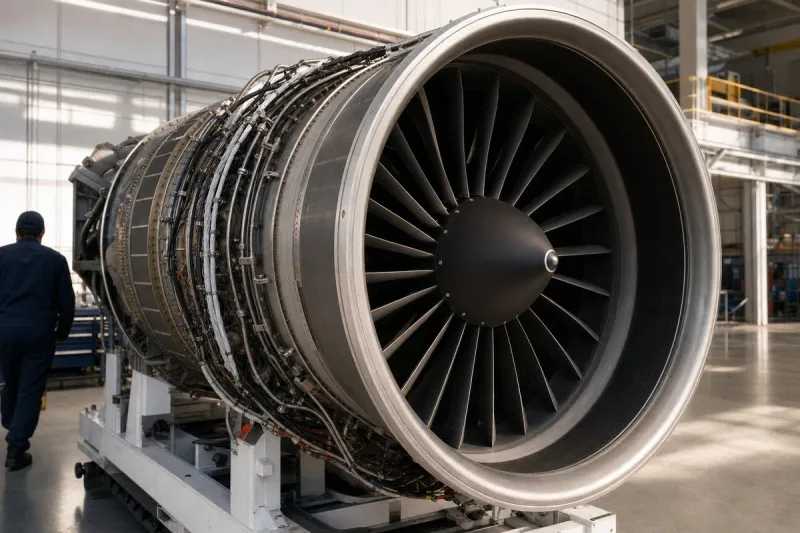
Hypersonix Launch Systems, a Brisbane, Australia-based start-up with around 45 staff, is developing a portfolio of hydrogen-powered hypersonic vehicles powered by its Spartan scramjet engine, which the company describes as the world's first entirely 3D-printed scramjet engine. Built from high-temperature alloys, the engine is air-breathing, reusable, and capable of operating between Mach 5 and Mach 12, producing only water vapor as exhaust.
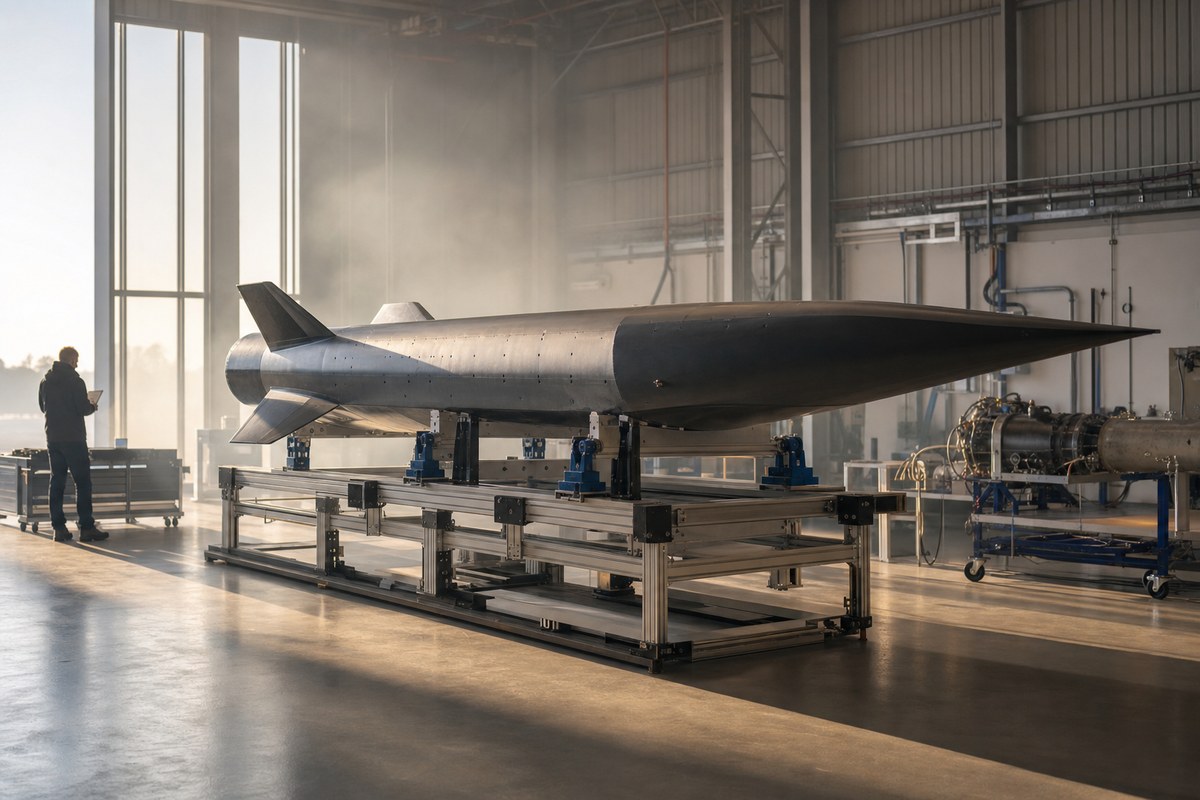
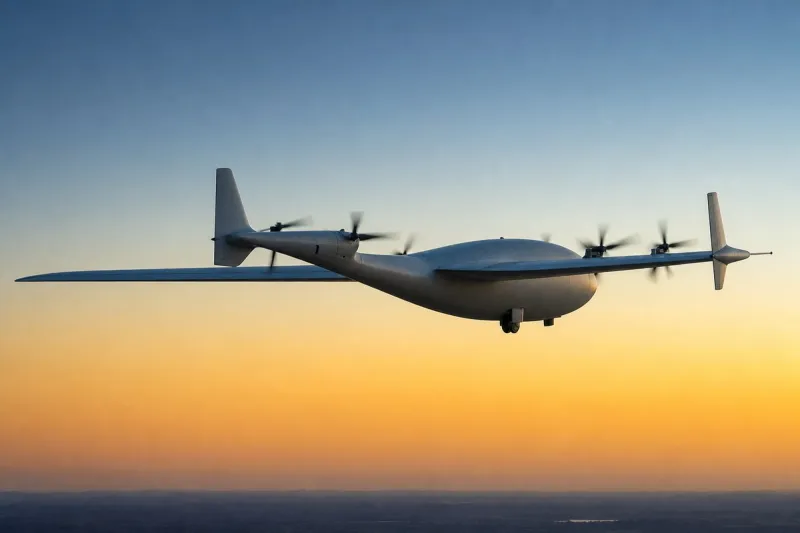
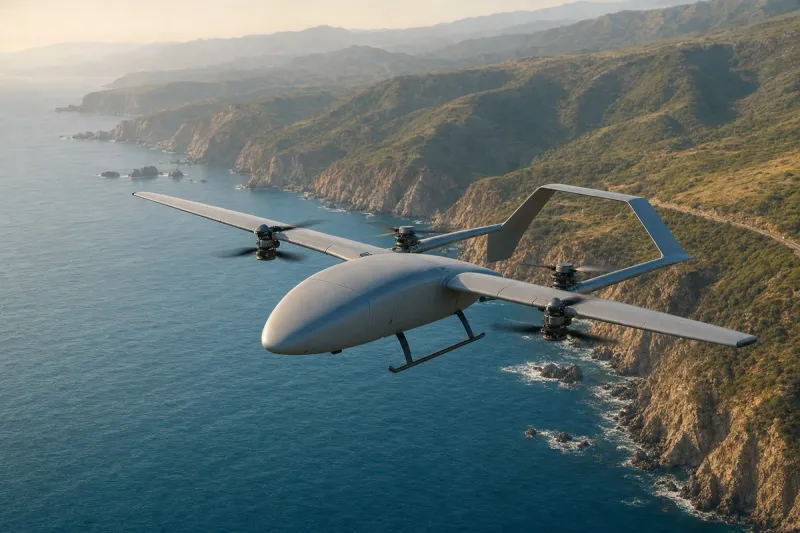
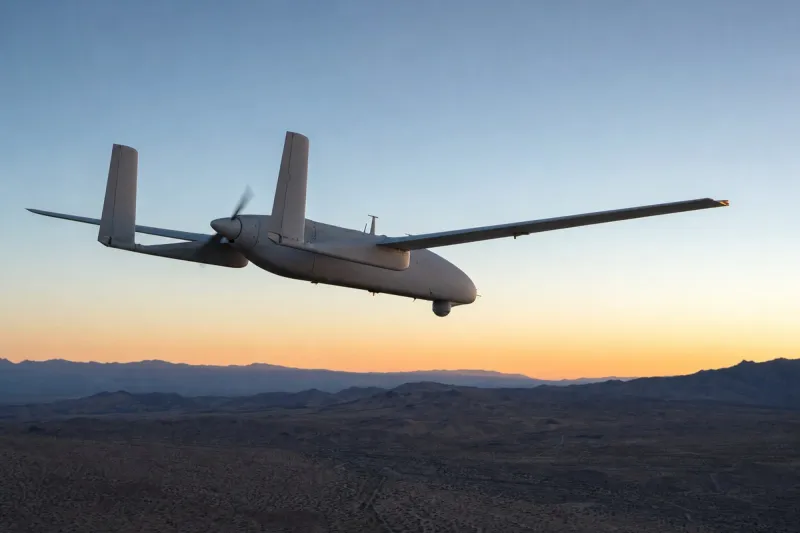
The company's current lineup includes three physical demonstrators: DART, a 10-foot single-use vehicle targeting Mach 7 with a range of around 600 miles; VISR, a 20-foot reusable multi-mission vehicle for defence applications capable of accelerating from Mach 5 to Mach 10 and landing on conventional runways; and Delta Velos, a 39-foot fully reusable system capable of Mach 12 designed to carry a 110-lb payload into orbit from any launch site. Because scramjets cannot operate at low speeds, Hypersonix is developing rocket-boost or rocket-assisted systems to accelerate its vehicles before scramjet propulsion engages, using ceramic matrix composites and other high-temperature materials.
NASA has backed the launch of the DART AE variant, an 11.5-foot demonstrator, from Wallops Flight Facility in Virginia, which would mark the first sustained hypersonic flight powered by green hydrogen if successful. Hypersonix has also been selected by the US Defense Innovation Unit, is working with Kratos Space & Missile Defense Systems, and in 2024 received a contract from the UK Ministry of Defence to support hypersonic missile development, alongside investment from the Queensland state government.
Hypersonix projects that hypersonic passenger travel could become a reality in the 2030s and forecasts global investment in hypersonic technology growing from approximately $5.4 billion to nearly $13 billion by 2031, citing orders received by industry players from carriers including American, United Airlines, and Virgin Atlantic. Analysts and independent observers, however, consider a timeline before the 2040s optimistic given the engineering challenges of meeting aviation safety and regulatory standards for passenger hypersonic flight. By comparison, the fastest commercial airliner in active development, the Boom Supersonic Overture, targets a cruise speed of Mach 1.7, well below the Mach 5 threshold that defines hypersonic flight.